Table of Contents >> Show >> Hide
- What Is the Postpartum Period?
- Phase 1: The First 24 Hours After Delivery
- Phase 2: Days 2–7 The “Everything Is Leaking” Week
- Phase 3: Weeks 2–6 Healing, Hormones, and the New Normal
- Phase 4: Weeks 6–12 The Checkup Is Not a Magic Reset Button
- Phase 5: Months 3–12 Long-Term Postpartum Body Changes
- Postpartum Warning Signs: When to Call a Doctor
- How to Support Your Body After Delivery
- Real-Life Postpartum Experiences: What Many New Parents Wish They Knew
- Conclusion: Postpartum Recovery Is a Phase, Not a Performance
Note: This article is for educational purposes only and is not a substitute for medical care. Always contact a qualified healthcare provider for personal advice, urgent symptoms, or concerns after delivery.
Delivery may feel like the finish line after months of pregnancy, but your body has a different announcement: “Great job, now we begin Phase Two.” The postpartum period is a powerful, messy, emotional, and sometimes surprising season of healing. It includes uterine cramps, bleeding, breast changes, mood swings, night sweats, bathroom drama, abdominal softness, pelvic floor adjustments, and a level of tiredness that can make reheated coffee feel like a luxury spa treatment.
The good news is that most postpartum body changes are normal and temporary. The better news is that understanding the postpartum phases helps you notice what is expected, what needs extra care, and what deserves a quick call to your doctor. Whether you had a vaginal birth, C-section, assisted delivery, medicated labor, unmedicated labor, or a birth plan that politely ran away with the hospital socks, your recovery deserves patience and support.
What Is the Postpartum Period?
The postpartum period begins immediately after birth and is often called the “fourth trimester.” Traditionally, many people think of postpartum recovery as the first six weeks after delivery. In reality, healing can continue for months. Hormones shift, tissues repair, the uterus shrinks, milk supply changes, muscles rebuild, and your nervous system adjusts to caring for a newborn while sleeping in tiny snack-sized portions.
Postpartum recovery is not a one-size-fits-all schedule. A parent recovering from a C-section may need more time for incision healing. Someone with a perineal tear may feel pelvic discomfort longer. A person with anemia, high blood pressure, breastfeeding challenges, or postpartum anxiety may need closer follow-up. The goal is not to “bounce back.” The goal is to heal forward.
Phase 1: The First 24 Hours After Delivery
The first day after birth is intense because your body immediately begins switching from pregnancy mode to recovery mode. Your uterus starts contracting to reduce bleeding and return toward its pre-pregnancy size. These contractions, often called afterpains, may feel like strong menstrual cramps. They can be more noticeable during breastfeeding because nipple stimulation can trigger oxytocin, a hormone that helps the uterus contract.
Bleeding and Lochia Begin
Postpartum bleeding, called lochia, is normal after both vaginal birth and C-section. It is your body clearing out blood, mucus, and uterine tissue. In the first day or two, lochia is usually heavier and bright red. Passing small clots can happen, but soaking a pad quickly, passing very large clots, feeling faint, or having dizziness should be reported right away.
Your Body May Feel Shaky, Sore, and Swollen
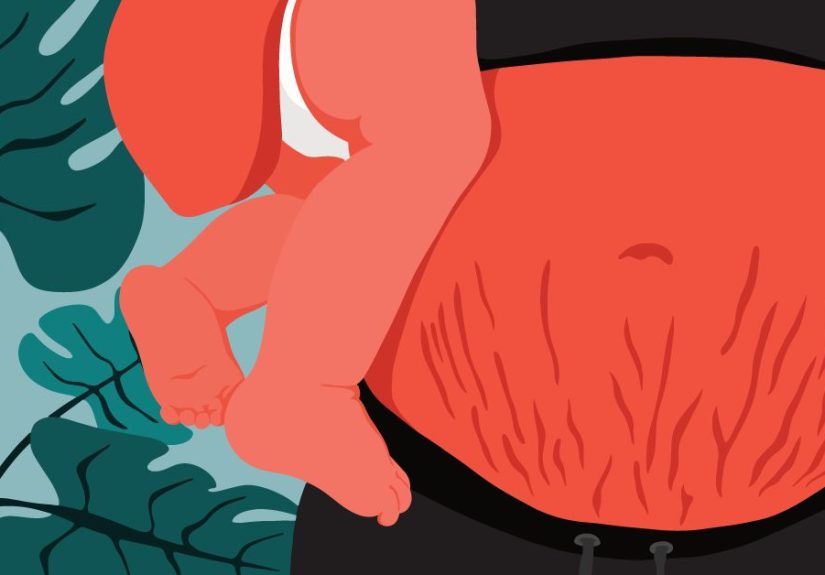
Many new parents feel shaky after delivery because of hormonal shifts, fluids, exertion, medication, or blood loss. Your legs, feet, hands, or face may look swollen, especially if you received IV fluids. Your belly will still look pregnant because the uterus, abdominal wall, and skin need time to change. No, your body did not miss the memo. It is simply not Amazon Prime.
Phase 2: Days 2–7 The “Everything Is Leaking” Week
The first week postpartum can feel like your body opened a customer service department and every system is submitting a ticket. Bleeding continues, milk may come in, night sweats appear, bowels slow down, emotions swing, and sleep becomes a mysterious historical concept.
Breast Changes and Milk Coming In
Whether you breastfeed, pump, combination feed, or formula feed, your breasts may become full, tender, warm, or heavy a few days after birth. This is often when milk production increases. Engorgement can feel uncomfortable, but supportive bras, gentle feeding or pumping routines, cold compresses, and guidance from a lactation consultant can help. If one breast becomes very painful, red, hot, or you develop fever-like symptoms, contact a provider because mastitis may need treatment.
Bathroom Changes Are Common
Constipation is extremely common after delivery. Pain medication, dehydration, reduced movement, fear of pushing, iron supplements, and pelvic soreness can all slow digestion. Drinking water, eating fiber-rich foods, walking gently, and using stool softeners if recommended can make the first bowel movement less dramatic. Think of it as a negotiation, not a battle.
Urinary changes are also normal. Some people leak urine when coughing, laughing, standing, or walking. Others feel burning or difficulty starting urination. Mild irritation can happen after birth, but severe pain, fever, back pain, or inability to urinate should be checked.
Baby Blues Can Show Up
The first week can bring sudden crying, irritability, worry, overwhelm, and mood changes. These “baby blues” are common and usually improve within about two weeks. However, if sadness, anxiety, hopelessness, panic, or disconnection feels intense, lasts longer, or makes daily functioning difficult, it may be postpartum depression or anxiety. Support is treatment, not failure.
Phase 3: Weeks 2–6 Healing, Hormones, and the New Normal
By weeks two through six, many physical symptoms begin improving, but recovery is still very active. Lochia usually becomes lighter, changing from red to pink, brown, yellow, or whitish discharge. Cramps often decrease. Swelling may fade. Stitches may dissolve. Energy may improve, though “improve” might mean you can now make toast without needing a motivational speech.
Vaginal and Perineal Healing
After vaginal birth, the perineum may feel sore, bruised, swollen, or tender, especially if there was tearing or an episiotomy. Warm sitz baths, ice packs in the early days, peri bottles, soft seating, and pain relief recommended by your provider can help. Pain should gradually improve. Increasing pain, foul-smelling discharge, fever, or wound separation needs medical attention.
C-Section Recovery
A C-section is major abdominal surgery, even if people sometimes talk about it like it is simply “another way the baby came out.” Recovery includes incision care, abdominal tenderness, limited lifting, and careful movement. The incision may feel numb, itchy, tight, or sore as nerves and tissues heal. Watch for redness spreading around the incision, pus, fever, severe pain, or opening of the wound.
Pelvic Floor Changes
Pregnancy and delivery place major pressure on the pelvic floor. Leaking urine, pelvic heaviness, lower back discomfort, painful bowel movements, or discomfort with movement may occur. Gentle pelvic floor exercises may help some people, but symptoms such as persistent leaking, pressure, bulging, or pain are good reasons to ask about pelvic floor physical therapy. You do not have to accept “just do Kegels” as the entire medical plan.
Phase 4: Weeks 6–12 The Checkup Is Not a Magic Reset Button
The six-week postpartum visit is important, but it is not a graduation ceremony from healing. Your provider may check bleeding, blood pressure, mood, incision or tear healing, contraception options, pelvic symptoms, breastfeeding concerns, and whether you are ready for exercise or intimacy. Still, many people are not fully recovered at six weeks, and that is normal.
If you are still bleeding heavily, feeling pelvic pain, experiencing severe fatigue, leaking urine, struggling emotionally, or having trouble feeding your baby, bring it up clearly. A short appointment can move fast, so consider writing questions ahead of time. Your future tired self will thank you.
Exercise and Movement
Gentle walking is often encouraged when you feel ready, but high-impact workouts, heavy lifting, intense abdominal exercises, and running may need more time. The best return-to-exercise plan depends on your delivery, pelvic floor, core strength, bleeding, incision healing, and overall energy. If bleeding increases after activity, your body may be asking for a slower pace.
Sex, Intimacy, and Comfort
Many providers recommend waiting until healing is adequate and bleeding has stopped before resuming sexual activity, often around four to six weeks, but readiness is physical and emotional. Breastfeeding-related low estrogen can cause dryness or tenderness. Fear, exhaustion, body changes, and mood symptoms can also affect desire. There is no medal for rushing. Comfort, consent, and communication matter more than the calendar.
Phase 5: Months 3–12 Long-Term Postpartum Body Changes
Some postpartum changes become more noticeable after the early recovery window. Hair shedding often begins around three months postpartum because estrogen levels drop after pregnancy. This can look alarming in the shower drain, on your pillow, and somehow on the baby, the couch, and a sandwich you do not remember making. For many people, shedding improves with time as the hair cycle normalizes.
Abdominal Changes and Diastasis Recti
The abdomen may remain soft, rounded, or weaker for months. Diastasis recti, a separation of the abdominal muscles, can cause a belly bulge, core weakness, or back discomfort. Safe core rehabilitation focuses on breathing, posture, deep abdominal engagement, and gradual strengthening. Crunches are not always the best first move; sometimes your core needs a conversation, not a surprise boot camp.
Weight, Appetite, and Energy
Postpartum weight changes vary widely. Some people lose weight quickly, some gain weight, and many fluctuate because of sleep deprivation, breastfeeding hunger, stress, hormones, and reduced activity. Instead of chasing a pre-baby body, focus on nourishment: protein, fiber, healthy fats, hydration, and meals that can be eaten with one hand while the baby performs a dramatic monologue.
Periods and Ovulation
Your period may return within weeks or may stay away longer, especially if exclusively breastfeeding. Ovulation can happen before the first period, which means pregnancy is possible even if your cycle has not returned. Discuss contraception with your healthcare provider if you want to avoid another pregnancy soon. Your body may be healing, but biology can be alarmingly enthusiastic.
Postpartum Warning Signs: When to Call a Doctor
Some symptoms after delivery need urgent medical care. Contact a healthcare provider or seek emergency help if you have heavy bleeding that soaks a pad quickly, chest pain, trouble breathing, seizures, fainting, severe headache, vision changes, swelling of the face or hands, fever, severe abdominal pain, calf pain or swelling, thoughts of harming yourself or your baby, or feelings that you cannot stay safe.
Also call your provider if you have foul-smelling discharge, worsening incision pain, redness or pus at a wound, painful urination, breast redness with fever, persistent sadness, panic, extreme anxiety, or a sense that something is not right. You know your body. If your inner alarm bell is ringing, do not silence it with “I’m probably overreacting.” Postpartum care exists for exactly this reason.
How to Support Your Body After Delivery
Postpartum recovery works best when support is practical. Rest sounds simple until a newborn arrives and decides sleep is a rumor. Still, rest can mean lying down between feeds, accepting help, limiting visitors, or letting the laundry develop its own personality for a few days.
Eat for Healing
Your body needs fuel to repair tissue, produce milk if breastfeeding, balance blood sugar, and support mood. Helpful choices include eggs, Greek yogurt, beans, lean meats, fish low in mercury, oatmeal, nuts, vegetables, fruit, soups, whole grains, and plenty of water. If appetite is low, small meals and snacks can still help.
Build a Care Team
Your postpartum team may include an OB-GYN, midwife, primary care doctor, lactation consultant, pediatrician, mental health therapist, pelvic floor physical therapist, family member, friend, partner, or postpartum doula. You do not need to do everything alone to prove you are strong. Asking for help is not weakness; it is logistics.
Track Symptoms Without Obsessing
Keep simple notes about bleeding, pain, mood, feeding, sleep, bowel movements, blood pressure if advised, and questions for your provider. A small notebook or phone note can help you remember patterns. This is especially useful because newborn life turns time into soup.
Real-Life Postpartum Experiences: What Many New Parents Wish They Knew
Many parents say the biggest surprise after delivery is not one symptom but the combination of symptoms. One person may expect soreness but be shocked by night sweats. Another may prepare for breastfeeding pain but feel blindsided by constipation. Someone else may assume a C-section avoids postpartum bleeding, only to discover that lochia still happens because the uterus still needs to shed its lining. Postpartum recovery has a way of humbling even the most organized planner.
A common experience is the emotional whiplash of loving the baby deeply while also missing the old version of daily life. A new parent may look at the baby at 3 a.m. and feel awe, then look at the pile of burp cloths and wonder whether adulthood was a scam. These mixed feelings do not mean someone is ungrateful. They often mean the body is tired, hormones are shifting, and the brain is adjusting to a huge life change.
Another shared experience is feeling unfamiliar in your own body. The belly may feel soft, the breasts may feel like they belong to a completely different department, and the pelvic floor may behave with questionable professionalism. Clothes may fit strangely. Shoes may feel tighter. Hair may shed. Skin may change. The mirror can feel confusing. It helps to remember that postpartum bodies are not broken bodies. They are bodies in transition.
Many parents also learn that visitors can be both wonderful and exhausting. A helpful visitor brings food, washes bottles, folds laundry, holds the baby so the parent can shower, and leaves before becoming another task. A less helpful visitor sits on the couch waiting to be entertained while the recovering parent silently considers changing the Wi-Fi password. Setting boundaries is part of recovery. “We are resting today” is a complete sentence.
Feeding experiences can also shape postpartum recovery. Breastfeeding may feel natural for some and painful or stressful for others. Pumping can be useful but time-consuming. Formula feeding can bring relief, guilt, convenience, or all three in the same hour. The healthiest feeding plan is one that supports the baby and the parent. A nourished baby matters. A supported parent matters too.
Sleep deprivation is another major postpartum reality. It can make normal problems feel enormous. A small disagreement about dishes can become a courtroom drama. Forgetting why you walked into a room becomes a daily hobby. The best solution is not perfect sleep, because newborns rarely read parenting manuals. Instead, aim for protected rest windows, shared responsibilities when possible, and asking for help before exhaustion becomes dangerous.
Finally, many parents wish they had known that healing continues long after the first postpartum checkup. At six weeks, someone may be medically “cleared” but still feel weak, emotional, sore, or unlike themselves. Recovery can take months, especially when breastfeeding, returning to work, caring for older children, or managing birth trauma. There is no universal timeline. The body after delivery is not a machine rebooting; it is a living system repairing, adapting, and learning a new rhythm.
Conclusion: Postpartum Recovery Is a Phase, Not a Performance
Knowing what to expect after delivery can make the postpartum phases of the body less frightening and more manageable. Bleeding, cramps, breast changes, swelling, mood swings, pelvic floor symptoms, hair shedding, and fatigue are common parts of recovery, but common does not mean you must suffer silently. Medical care, emotional support, pelvic therapy, lactation help, rest, food, hydration, and honest conversations can make a major difference.
Your postpartum body deserves respect, not criticism. It just grew, delivered, and began caring for a new life. That is not a small assignment. So move slowly, ask questions, watch for warning signs, accept help, and give your body the same tenderness you would offer someone you love. Healing is not a race. And thankfully, nobody is handing out trophies for folding onesies while pretending you are fine.