Table of Contents >> Show >> Hide
- Ryan Seacrest’s Season 43 Update Was Simple, but It Said a Lot
- Why Season 43 Felt Like the Real Test
- What Ryan Seacrest Brings to the Puzzle Board Era
- Vanna White Is Still the Glue, and That Matters
- Season 43 Was About More Than a Premiere Date
- Why the Business Side of the Story Is Actually Interesting
- Season 43 Helped Prove the Hype Wasn’t Empty
- Experiences Related to the Topic: What Season 43 Feels Like for Fans, Contestants, and the Show Itself
- Conclusion
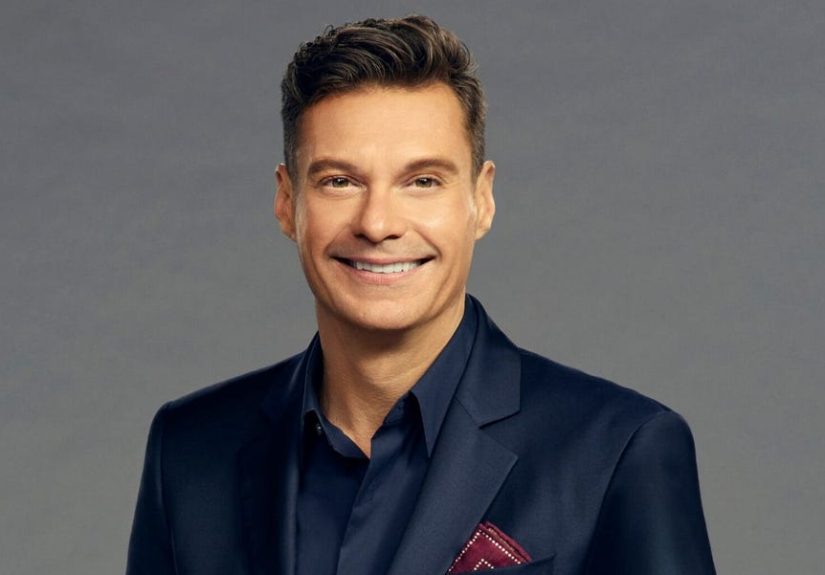
If there is one thing television loves, it is a clean handoff with minimal panic. No smoke. No dramatic sirens. No host descending from the ceiling on a giant vowel. Just a familiar face, a familiar wheel, and one very strategic little update. That is exactly what happened when Wheel of Fortune host Ryan Seacrest dropped a Season 43 tease that sent longtime fans into full “buy a vowel and mark the calendar” mode.
The update itself looked simple on the surface. Seacrest posted a casual social media message confirming that a new season of Wheel of Fortune was on the way, with the show returning on September 8, 2025. But in TV terms, this was not just a date drop. It was a confidence signal. After all, Season 43 would be Seacrest’s second full season at the helm of one of the most recognizable game shows in American television history. When you are the guy following Pat Sajak, there is no such thing as a “small” update.
That is why this moment mattered. It was less about a countdown and more about confirmation: Ryan Seacrest was no longer simply “the new guy.” He was becoming the host audiences would now associate with the next chapter of Wheel of Fortune. And if the early signs were any indication, the show was not trying to reinvent itself into some chaotic game-show smoothie. It was doing what smart legacy brands do best: keep the comfort, refresh the energy, and remind viewers that the wheel is still spinning just fine.
Ryan Seacrest’s Season 43 Update Was Simple, but It Said a Lot
Seacrest’s Season 43 update worked because it felt casual without being careless. He did not overcomplicate the message. He did not roll out an overly polished corporate promo stuffed with buzzwords like “reimagined experience” and “viewer-forward synergy,” which is always a sign somebody in a boardroom has had too much coffee. Instead, the announcement leaned into the show’s biggest strength: familiarity.
For Wheel of Fortune, familiarity is not boring. It is the product. Viewers tune in because the show fits into the rhythm of daily life. It is dependable, fast, light, and deeply recognizable. Seacrest’s update respected that rhythm. He was not trying to make the show feel edgy or unrecognizable. He was reminding fans that more of the thing they already love was on the way.
That tone matters even more after a major host transition. When Pat Sajak stepped away, there was naturally some skepticism. No matter how polished Seacrest is, following a legend is still following a legend. You are not just filling a seat. You are stepping into an evening routine that viewers have built into their homes for decades. By the time the Season 43 announcement arrived, the question was no longer whether Seacrest could survive the handoff. It was whether he could settle in. The update suggested he could.
Why Season 43 Felt Like the Real Test
Season 42 was always going to be judged through the lens of transition. People were watching for the handoff, the chemistry, the cadence, the tiny differences, and the inevitable internet debates that sound like, “He pauses half a second differently before the bonus round, and I have feelings about it.” That first season was about adjustment.
Season 43, by contrast, carried a different kind of pressure. This was the season where audiences started deciding whether Seacrest’s version of Wheel of Fortune was not just acceptable, but normal. A successful second season would mean the show had moved from “post-Sajak experiment” to “new era that works.” That distinction is huge in television.
And there were good reasons for optimism. Reporting around Seacrest’s first year suggested that the transition landed better than many expected. Wheel of Fortune remained a ratings force, and the show reportedly got a bump during Seacrest’s first season. That matters not only for Sony and distributors, but for the public narrative around the franchise. In modern TV, where every legacy property is one bad decision away from becoming a cautionary thread on social media, stability is a superpower.
So when Seacrest casually confirmed the Season 43 return date, the message underneath the message was this: the machine is working. The audience is still here. The show still knows what it is.
What Ryan Seacrest Brings to the Puzzle Board Era
Ryan Seacrest did not come into Wheel of Fortune trying to cosplay Pat Sajak, and that was the right move. The smartest thing he appears to have done is respect the structure while adjusting the energy around it. His style is a little more openly enthusiastic, a little more physically animated, and a little more eager to lean into contestant moments. That gives the show a slightly brighter tempo without turning it into a different genre.
There is also a practical reason his style fits. Seacrest is a professional rhythm machine. Live television, contestant interaction, quick transitions, clean reads, audience comfort, sponsor polish, small talk that does not fall flat like a dropped consonant on a bankrupt wedge, that is his native habitat. He knows how to move a show forward.
That matters on Wheel, because the format depends on momentum. A host cannot overtake the game, but cannot disappear inside it either. Seacrest’s version of the role seems built around that balance. He gives the show enough personality to feel fresh, but not so much personality that it stops feeling like Wheel of Fortune.
In other words, he is not trying to rebuild the wheel. He is making sure it keeps spinning smoothly, which is honestly the most Wheel of Fortune sentence possible.
Vanna White Is Still the Glue, and That Matters
No serious conversation about Season 43 works without Vanna White. One reason Seacrest’s transition felt steadier than it might have otherwise is that White remained the show’s emotional through line. She is more than a co-host. She is part of the show’s identity. She is the continuity. She is the “yes, this still feels right” factor.
Coverage around Season 43 made that clear. White spoke warmly about working with Seacrest and described the transition as smooth, which helped fans read the chemistry as real rather than promotional. That matters because viewers can usually tell when television friendliness is held together by tape, stage lights, and a prayer. The Seacrest-White partnership has increasingly come across as natural, easy, and mutually respectful.
That ease is part of why Season 43 felt promising before it even fully got underway. The hosts were no longer introducing themselves to the audience. They were showing up as a functioning duo. For a comfort-format show, that is gold.
Season 43 Was About More Than a Premiere Date
The smartest thing about the Season 43 rollout was that it hinted at momentum rather than mere continuation. Reports ahead of the season pointed to a “Year of Fun” angle, along with giveaways, themed weeks, flashy prizes, and small tweaks designed to keep the show lively without messing up the formula that viewers already enjoy. That is the sweet spot for a show like this.
Wheel of Fortune does not need a wild identity crisis to stay relevant. It needs event energy. It needs reasons for casual viewers to check in and longtime viewers to stay engaged. Themed programming, special prize hooks, and an upbeat marketing push all help create that feeling. Suddenly the season is not just “more episodes.” It is a season with shape.
That strategy also helps Seacrest. A host entering his second season benefits from having the show feel celebratory and in motion. The update was essentially saying: this is not a quiet maintenance year. There is stuff happening here. Come spin with us.
Why the Business Side of the Story Is Actually Interesting
Game shows rarely get enough credit for being some of the sharpest operators in television. While prestige dramas collect think pieces and streaming series collect cancellation anxiety, shows like Wheel of Fortune keep doing the very radical thing known as being watched by a lot of people on a regular basis.
That is part of what makes Seacrest’s Season 43 update meaningful from an industry point of view. His first season reportedly helped the show post a ratings bump, which suggested that the franchise had pulled off one of the trickiest maneuvers in TV: replacing a beloved host without losing the audience. That is rare. That is not accidental. That is a major institutional win.
Then there is distribution. As the television business continues shifting, Wheel of Fortune has also expanded its life beyond the old-school local-station habit. The show’s streaming availability helped the franchise stay accessible to viewers who still love scheduled television and to those who prefer next-day convenience. That may not sound glamorous, but in 2025 and 2026, convenience is basically a love language.
So yes, the update was about a season premiere. But it was also about a classic franchise proving it can live in the present without acting embarrassed about its age. Frankly, that is more impressive than half the reboots on television.
Season 43 Helped Prove the Hype Wasn’t Empty
Once Season 43 got rolling, the season began supplying evidence that the update was not just shiny marketing. The show delivered high-energy themed weeks, continued refining the Seacrest-White chemistry, and generated real watercooler moments. One of the biggest came when contestant Christina Derevjanik scored a record-setting total of $1,035,155, becoming the biggest winner in the show’s history. That kind of moment does not just create buzz. It confirms that the classic format still knows how to produce electric television.
That matters because every long-running show needs proof-of-life moments. A premiere date gets attention for a day. A giant on-air win, a funny host reaction, or a contestant story that fans remember gives the season actual texture. Those moments help define Seacrest’s era not as a respectful imitation of what came before, but as a stretch of the show that can produce its own signature highlights.
In that sense, the Season 43 update has aged well. What began as a simple countdown post became the front door to a season that supported the show’s new identity: familiar, yes, but not frozen.
Experiences Related to the Topic: What Season 43 Feels Like for Fans, Contestants, and the Show Itself
One of the most interesting things about Ryan Seacrest’s Season 43 update is how easy it is to connect it to the actual experience of watching Wheel of Fortune. For fans, the show still works like comfort food with a timer. It arrives, it moves quickly, it gives you a few laughs, a few guesses from the couch, and one very strong opinion about whether that contestant should have bought another vowel. That emotional routine is part of the show’s power, and Season 43 seems to understand that.
For longtime viewers, the experience is probably a mix of nostalgia and recalibration. There is still the instinct to compare Seacrest to Sajak, because that is what humans do when a ritual changes. But the more the show settles in, the more that comparison begins to fade into the background. Instead of “How is Ryan doing compared to Pat?” the question slowly becomes, “Was that bonus puzzle ridiculously hard or am I just tired?” That is a good sign. It means the host is no longer distracting from the format.
For contestants, Seacrest’s style likely changes the vibe in subtle but meaningful ways. He gives off the energy of someone who wants people to do well, wants moments to land, and wants the show to feel welcoming instead of stiff. On a stage where nerves can scramble even basic words, that matters. A host who keeps the pace moving while also making contestants feel safe can genuinely improve the experience.
Then there is the experience of watching the Ryan-Vanna dynamic continue to evolve. That may sound like a small detail, but on a show this established, tiny human details matter a lot. The backstage rituals, the easy banter, the sense that both hosts are comfortable with each other, all of that reinforces viewer trust. It tells the audience that the people on screen are settled, and if they are settled, the audience can relax too.
Season 43 also carries a larger cultural experience that is easy to overlook: it shows how legacy television survives. Not by screaming for attention. Not by pretending to be something wildly different. But by understanding what should stay the same and what can be refreshed. That is a lesson bigger than one game show. In a media landscape full of overcorrections, Wheel of Fortune is making a persuasive case for calm evolution.
And maybe that is the best way to understand Seacrest’s update. It was not just a promotional post. It was a tiny signal that this new chapter was settling into place. The wheel kept spinning. The audience kept showing up. The show kept finding new moments without losing its old soul. That is not flashy. But for a franchise built on consistency, it is exactly the kind of experience viewers want.
Conclusion
Ryan Seacrest’s Season 43 update may have arrived as a light social media tease, but it carried a bigger message for Wheel of Fortune fans and the television industry alike. It confirmed a return date, yes, but it also confirmed stability, confidence, and continuity. By that point, Seacrest was no longer just stepping into an iconic job. He was helping define what the next phase of the franchise would look like.
The reason the update resonated is simple: Wheel of Fortune remains one of the rare shows that knows exactly what viewers want from it. They want familiarity, warmth, pace, and those tiny bursts of suspense that make even a living-room guess feel weirdly important. Season 43 did not promise a revolution. It promised another chance to spend time with a beloved format that still knows how to entertain. In 2026, that is not old-fashioned. That is smart television.