Table of Contents >> Show >> Hide
- The Magic Behind a Backyard Feeder Cam
- Who Is Ostdrossel?
- Why These 30 New Pics Feel So Special
- The Best Backyard Stars: Birds That Steal the Show
- How a Feeder Cam Changes the Way We See Nature
- What Makes a Yard Bird-Friendly?
- How to Start Your Own Feeder Cam Project
- The Ethics of Feeder Cam Photography
- Why People Love These Photos So Much
- What the 30 New Pics Teach Us About Backyard Wonder
- Experience Section: What Setting Up a Feeder Cam Really Feels Like
- Conclusion
Some people look out the window and see a backyard. Others see a stage, a wildlife café, a tiny runway for cardinals, blue jays, squirrels, chipmunks, and the occasional bird who looks like it just remembered it left the oven on. That is the charm behind the viral feeder cam photography of Lisa, better known online as Ostdrossel, a German-born bird lover living in Michigan who turned her yard into one of the internet’s most delightful nature theaters.
Her idea sounds simple: set up a camera near a bird feeder and let the visitors come. But the results are anything but ordinary. A feeder cam captures birds at eye level, often mid-peck, mid-hop, mid-fluff, or mid-dramatic stare. The newest collection of 30 pictures feels like a secret album from a neighborhood where every resident has feathers, attitude, and absolutely no interest in posing politely.
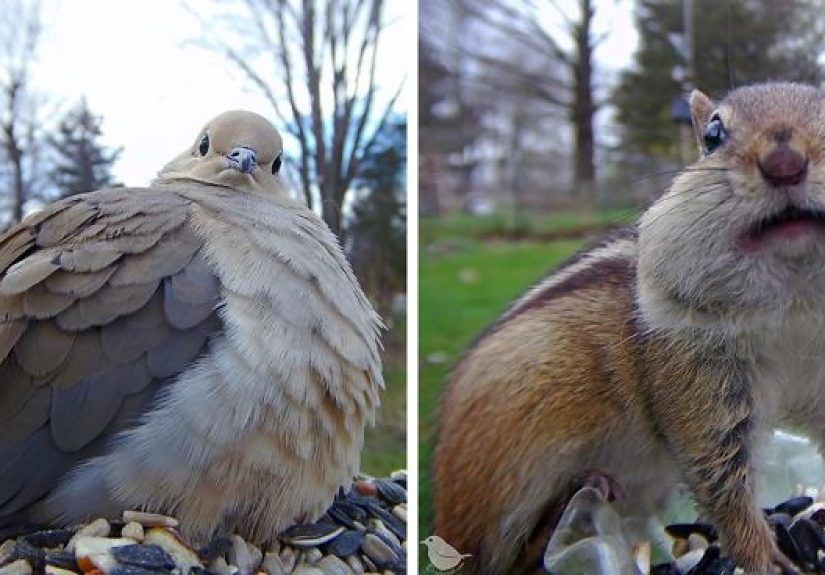
What makes these feeder cam photos extraordinary is not just the color or sharpness. It is the personality. A blue jay can look like a tiny sky-colored boss. A cardinal can look like royalty arriving for breakfast. A mourning dove can look confused by its own feet. And squirrels? Squirrels always look like they are negotiating a heist.
The Magic Behind a Backyard Feeder Cam
A feeder cam works because it changes the usual rules of wildlife photography. Instead of a person creeping through the woods with a long lens, the camera waits quietly while birds behave naturally. In Ostdrossel’s case, the setup has included feeder-mounted cameras, motion detection, close-up lenses, and weather-protected housing. The goal is not to chase wildlife but to make the yard inviting enough that wildlife chooses to visit.
That is why the photos feel intimate. We are not seeing birds from far away, reduced to tiny shapes on a branch. We are seeing the curve of a beak, the shine of an eye, the details of feathers, the crumbs of seed stuck to a face that says, “I regret nothing.” The camera becomes a quiet guest at the breakfast table.
Who Is Ostdrossel?
Lisa, known as Ostdrossel online, moved from Germany to Michigan and was amazed by the variety of birds and backyard wildlife around her new home. What began as a way to share local birds with family overseas gradually became a creative project loved by bird watchers, photographers, and casual internet scrollers who did not know they needed close-up bird portraits in their lives.
Her yard has welcomed common backyard birds, seasonal migrants, fledglings, hummingbirds, woodpeckers, nuthatches, grackles, finches, orioles, and plenty of furry snack inspectors. The camera catches more than pretty feathers. It catches behavior: squabbles, curiosity, molting, feeding, cautious landings, bold stares, and those priceless moments when a bird appears to look directly into the lens as if it is about to ask for better lighting.
Why These 30 New Pics Feel So Special
1. The Birds Look Like Characters
Backyard birds are often described by species: northern cardinal, blue jay, house finch, mourning dove, red-bellied woodpecker. A feeder cam turns them into characters. One bird looks suspicious. Another looks delighted. A third looks like it has just read your search history. This kind of photography reminds us that wildlife is not background decoration. It is full of tiny dramas happening all around us.
2. The Camera Captures Expressions We Usually Miss
Birds move quickly. A chickadee can land, grab a seed, and vanish before your coffee cools. A feeder cam freezes those blink-and-you-miss-it moments. A raised crest, a tilted head, a wing blur, a seed held like treasurethese small details are what make the photos feel alive.
3. The Background Is Familiar
The setting is not a remote rainforest or a dramatic mountain cliff. It is a yard. That makes the photos feel possible. They whisper, “This magic might be happening outside your own window, too.” You do not need a safari jeep to notice wonder. Sometimes you need a feeder, clean water, native plants, patience, and a camera that does not mind being stared down by a grackle.
The Best Backyard Stars: Birds That Steal the Show
Every feeder cam develops its own cast. In many Midwestern and Eastern U.S. yards, the stars often include northern cardinals, blue jays, house finches, chickadees, nuthatches, mourning doves, woodpeckers, robins, orioles, and hummingbirds. Each brings a different energy to the frame.
Cardinals are the drama department. Their red feathers glow against snow, leaves, and cloudy skies. Blue jays are the confident cousins who arrive loudly and leave with snacks. Chickadees are tiny acrobats. Nuthatches seem to believe gravity is optional. Mourning doves bring soft, round comedy, especially when the camera angle catches them looking unusually serious about millet.
Then come the surprise guests: squirrels, chipmunks, raccoons, groundhogs, and sometimes deer. These visitors are not always invited to the bird buffet, but they are excellent at discovering it. If birds are ballet dancers, squirrels are gymnasts with questionable ethics.
How a Feeder Cam Changes the Way We See Nature
One reason feeder cam photography is so addictive is that it makes ordinary wildlife feel extraordinary again. Many people walk past sparrows, finches, and doves without much thought. Close-up photography turns those familiar animals into miniature marvels. A bird’s feather pattern becomes architecture. Its eye reflects the yard. Its feet look prehistoric, delicate, and slightly hilarious all at once.
There is also something comforting about the routine. Birds arrive in the morning. They return after rain. They fluff themselves in the cold. They argue, snack, bathe, vanish, and come back tomorrow. In a noisy world, a feeder cam offers a daily reminder that life continues in small, beautiful rhythms.
What Makes a Yard Bird-Friendly?
A good feeder cam is not only about the camera. It is about the environment around it. Birds are more likely to visit when a yard offers food, clean water, shelter, and safe landing spots. Native plants are especially valuable because they support insects, seeds, berries, and nesting cover. A yard with shrubs, seed-bearing flowers, trees, leaf litter, and pesticide-free spaces is more than pretty landscaping. It is a living buffet.
Feeders can help, but they should be maintained responsibly. Clean feeders reduce the risk of spreading disease. Fresh seed matters. Moldy or wet seed can harm birds and attract unwanted pests. Water sources such as birdbaths should also be cleaned often, especially during warm weather. The goal is to create a place where birds can eat safely, not a tiny outdoor diner with questionable health inspections.
Smart Feeder Placement Matters
Where you place a feeder can affect both photo quality and bird safety. Birds need nearby cover, such as shrubs or trees, so they can retreat from predators. At the same time, feeders should not be placed where cats can easily hide and pounce. Windows are another concern. Birds may collide with glass if reflections make it look like open sky or trees. Bird-safe window treatments, screens, exterior patterns, and thoughtful feeder distance can help reduce this risk.
How to Start Your Own Feeder Cam Project
You do not need to become a professional wildlife photographer overnight. Start simple. Choose a feeder suited to the birds in your region. Tube feeders often attract finches and chickadees. Platform feeders may bring cardinals, doves, and jays. Suet feeders can attract woodpeckers and nuthatches. Hummingbird feeders require special care and frequent cleaning, but they can produce unforgettable close-ups.
Next, think about the camera. Some people use smart bird feeders with built-in cameras. Others mount action cameras, trail cameras, or small motion-triggered cameras near a feeding station. The best setup is weather-resistant, stable, easy to clean around, and positioned so the birds are well lit. Morning light is often flattering. Harsh midday sun can create strong shadows, while cloudy days can produce surprisingly beautiful, soft detail.
Tips for Better Feeder Cam Photos
Keep the lens clean, especially after rain, snow, pollen, or enthusiastic bird activity. Use a stable mount so wind does not turn every photo into abstract art. Place perches naturally, using branches instead of plastic-looking props. Avoid crowding the feeder with too much food in the frame. A simple setup often produces the strongest image because the bird remains the star.
Be patient. At first, birds may inspect the setup from a distance. Once they learn the feeder is safe, the photo opportunities multiply. You may end up with hundreds or thousands of images, and yes, many will feature empty air, blurry wings, squirrel noses, or one mysterious feather. That is part of the fun. Great wildlife photography is often a numbers game with snacks.
The Ethics of Feeder Cam Photography
The best backyard wildlife photography respects the animals first. A feeder cam should never trap, chase, frighten, or force birds into unnatural behavior. Avoid using food that is unhealthy for birds. Do not overcrowd feeding areas. If sick birds appear, take feeders down temporarily, clean the area, and let birds disperse. During disease outbreaks, local wildlife agencies may issue feeding guidance, and following that guidance is part of being a responsible backyard host.
Also consider predators. Outdoor cats are a serious risk to birds. Keeping cats indoors or in enclosed outdoor spaces protects both pets and wildlife. Avoid pesticides when possible, because insects are essential food for many birds, especially during nesting season. A beautiful feeder cam picture is wonderful, but a safe habitat is even better.
Why People Love These Photos So Much
Ostdrossel’s feeder cam photos work because they combine humor, science, art, and everyday wonder. They make people laugh, but they also make people notice. A person who smiles at a funny blue jay portrait might later learn how to clean a feeder properly, plant native flowers, or make windows safer for birds. That is the quiet power of charming wildlife photography: it opens the door before it gives the lesson.
The photos also create a sense of connection. Many viewers may live in apartments, cities, or places where they do not often pause to watch birds. Seeing a close-up cardinal or a determined chipmunk can feel like borrowing someone else’s window for a minute. It is cozy, funny, and oddly grounding.
What the 30 New Pics Teach Us About Backyard Wonder
The new set of feeder cam pictures is more than a cute gallery. It is a reminder that extraordinary scenes do not always require extraordinary locations. Nature is not waiting only in national parks or faraway forests. It is on fences, in shrubs, under feeders, beside birdbaths, and sometimes right in front of a tiny camera, wearing the expression of a bird who has just discovered premium sunflower seeds.
These images invite us to slow down. They encourage us to learn the names of local birds, notice migration seasons, observe behavior, and care about habitat. They also prove that joy can be wonderfully small. A bird with a seed. A squirrel with ambition. A feather ruffled by wind. A backyard that becomes a stage.
Experience Section: What Setting Up a Feeder Cam Really Feels Like
Setting up a feeder cam sounds like a calm hobby, and in many ways it is. But it also turns you into a detective, a maintenance worker, a wildlife concierge, and occasionally a confused editor sorting through 800 nearly identical images of a bird’s left eyebrow. The experience begins with excitement. You mount the camera, fill the feeder, adjust the angle, and imagine a perfect parade of cardinals arriving in golden light. Then the first photo appears, and it is usually a blur, an empty feeder, or a squirrel so close to the lens that it looks like a furry planet.
That is when the real learning starts. You realize birds have schedules. Some species arrive early, when the yard is still quiet. Others appear after the bold birds have tested the area. You begin to recognize regular visitors by behavior, not just color. The bossy jay, the nervous finch, the dove that seems to treat landing as a complicated math problemthey all become familiar.
You also learn that small changes matter. Moving the feeder a few feet can change the background from cluttered fence to soft greenery. Adding a branch perch can make photos look more natural. Cleaning the feeder on a schedule becomes part of the routine, not a chore. Fresh water attracts activity that seed alone cannot. Native plants begin to feel less like decoration and more like infrastructure for life.
The emotional part sneaks up on you. At first, you are collecting pictures. Then you are noticing patterns. A young bird appears with scruffy feathers. A parent brings a fledgling. A migratory visitor stops by for one day and disappears. Snow changes the mood. Rain creates glossy feathers. Summer brings messy juveniles who look like they were assembled in a hurry. Suddenly, the yard is not just a yard. It is a living calendar.
There is humor, too. Feeder cams are unmatched at capturing unflattering angles. Birds can look majestic in one frame and completely ridiculous in the next. A cardinal may appear noble, then immediately shove its face into seed. A chipmunk may fill its cheeks until it resembles a tiny grocery bag with legs. A squirrel may hang upside down with the confidence of a professional burglar.
The biggest lesson is patience. A feeder cam does not deliver perfect images every hour. It rewards consistency. Keep the setup clean, safe, and welcoming. Let wildlife come and go. Do not force the moment. The best photos often happen when you forget the camera is even there. Later, while reviewing the day’s captures, you find one frame that makes you stop: a bird looking straight into the lens, feathers sharp, eye bright, personality fully present. That one photo is enough to make the whole experiment feel like magic.
Conclusion
The story of a woman setting up a feeder cam in her yard is so appealing because it proves that wonder does not always arrive loudly. Sometimes it lands lightly on a feeder, grabs a seed, tilts its head, and accidentally becomes a masterpiece. Ostdrossel’s extraordinary bird photos show what happens when curiosity meets patience and when a backyard is treated as a habitat rather than empty space.
For anyone inspired by the 30 new pics, the lesson is simple: start watching. Learn your local birds. Offer clean food and fresh water. Plant for wildlife. Make windows safer. Keep predators in mind. Then let the camera do what cameras do best: preserve the tiny, funny, beautiful moments we are usually too slow to catch.
Note: This article is an original, rewritten feature based on publicly reported information about Ostdrossel’s feeder cam photography and established backyard bird-care recommendations. No copyrighted photo captions, copied passages, or source links are reproduced in the article body.