Table of Contents >> Show >> Hide
- Why Glamorous Light Switch Plates Matter
- Before You Buy: Match the Plate to the Switch
- 10 Easy Pieces: Glamorous Light Switches and Plate Covers
- 1. Brushed Brass Switch Plates for Warm, Instant Polish
- 2. Unlacquered Brass Plates for Vintage Character
- 3. Polished Nickel Switch Plates for Elegant Shine
- 4. Oil-Rubbed Bronze Covers for Moody Glamour
- 5. Screwless White Wall Plates for Minimalist Luxury
- 6. Matte Black Switch Plates for Graphic Contrast
- 7. Glass or Acrylic Plate Covers for Quiet Sparkle
- 8. Ceramic and Porcelain Switch Plates for Old-World Charm
- 9. Wood Switch Plates for Natural Texture
- 10. Paintable or Wallpaperable Covers for a Custom Look
- How to Choose the Right Glamorous Plate Cover
- Installation Tips for a Clean, Safe Upgrade
- Room-by-Room Styling Ideas
- Common Mistakes to Avoid
- Experience Notes: What Actually Happens When You Upgrade Switch Plates
- Conclusion: Small Plate, Big Finish
Light switches are the tiny wall details most people ignore until they paint a room, install new lighting, or suddenly realize the old beige switch plate has been quietly aging like a banana in the corner. The good news? Swapping a basic light switch cover for a glamorous plate cover is one of the fastest, least dramatic, and most satisfying home upgrades you can make. No demolition. No dust cloud. No contractor named Gary telling you the wall has “surprises.”
Whether your style leans quiet luxury, vintage bungalow, polished penthouse, moody modern, or “I bought one brass thing and now I need seventeen,” the right decorative light switch plates can make a room feel finished. They frame the switch, echo your hardware, complement lighting fixtures, and add a small flash of personality exactly where your hand lands every day.
This guide rounds up 10 easy piecesglamorous light switches and plate covers that can elevate kitchens, bathrooms, bedrooms, entryways, powder rooms, and living spaces. Along the way, we will cover finishes, materials, sizing, installation notes, and practical styling tips so your walls look intentional instead of “rental beige, but make it dusty.”
Why Glamorous Light Switch Plates Matter
Switch plates are small, but they sit at eye and hand level. That makes them surprisingly powerful design details. A dated plate cover can interrupt a beautiful wall color, tile backsplash, or wallpaper pattern. A thoughtfully chosen one can tie together cabinet pulls, faucets, sconces, door hardware, and even picture frames.
Most homes use standard wall plates, but there are also midsize and jumbo plates that help cover larger wall openings, uneven drywall cuts, or old paint lines. Materials range from inexpensive nylon and thermoplastic to durable polycarbonate, stainless steel, brass, bronze, ceramic, wood, and specialty decorative finishes. The best choice depends on the room, wall treatment, switch type, and the mood you want to create.
Before You Buy: Match the Plate to the Switch
Glamour is wonderful. A plate that does not fit is less wonderful. Before choosing decorative light switch covers, look at the switch opening. The most common types include toggle switches, rocker or decorator switches, duplex outlet plates, blank plates, combination plates, and multi-gang plates for two, three, or more devices in one box.
Also pay attention to the device style. Some modern systems, such as designer square-form switches or screwless wall plates, are made to work within their own collections. Traditional toggle plates will not fit rocker switches, and a standard plate may not cover an older oversized wall cutout. Measure first, admire second, click “add to cart” third.
10 Easy Pieces: Glamorous Light Switches and Plate Covers
1. Brushed Brass Switch Plates for Warm, Instant Polish
Brushed brass is the little black dress of glamorous wall plates, except it is gold, mounted on drywall, and much less likely to be worn to dinner. It brings warmth without the high shine of polished brass, making it ideal for kitchens, powder rooms, bedrooms, and hallways.
Use brushed brass switch plate covers when your room already has brass cabinet hardware, gold-framed mirrors, warm sconces, or cream-colored walls. The soft satin finish looks especially good against deep green, navy, charcoal, warm white, mushroom, and terracotta paint. For a collected look, avoid matching every metal perfectly. Brushed brass can play beautifully with black, bronze, or natural wood.
Best for: transitional homes, modern traditional rooms, vintage-inspired kitchens, and anyone who wants a “small upgrade, big smug smile” moment.
2. Unlacquered Brass Plates for Vintage Character
Unlacquered brass is for people who enjoy beauty with a little plot development. Unlike coated brass, unlacquered brass naturally darkens and develops a patina over time. Fingerprints, air, moisture, and daily use slowly create a lived-in finish that feels historic, layered, and charming.
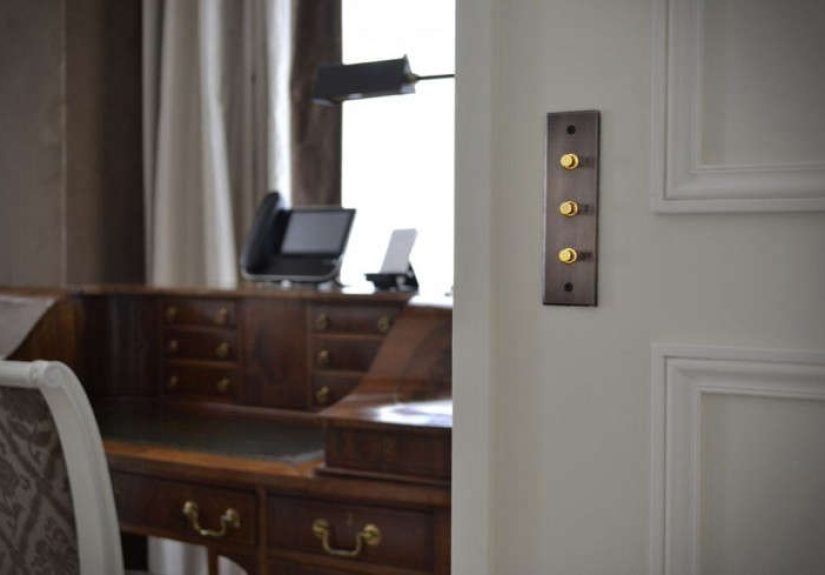
This finish is excellent in older homes, cottage kitchens, butler’s pantries, libraries, and bathrooms with marble or handmade tile. It looks particularly good with push-button switches or classic toggle switches. If you prefer a forever-bright gold look, choose lacquered or satin brass instead. If you like hardware that tells a story, unlacquered brass is your main character.
Best for: historic homes, traditional interiors, English-inspired kitchens, and design lovers who think patina is a feature, not a problem.
3. Polished Nickel Switch Plates for Elegant Shine
Polished nickel brings the sparkle, but it does not shout like chrome. It has a warmer undertone, which makes it feel refined rather than clinical. A polished nickel light switch plate works beautifully in bathrooms, dressing rooms, formal entryways, and kitchens with marble counters or nickel plumbing fixtures.
The trick is to use it where shine already belongs. A polished nickel plate on a plain hallway wall may look lonely, like it showed up overdressed. But next to a polished nickel faucet, crystal sconce, or glossy tile backsplash, it looks perfectly at home. Choose simple shapes if the finish is reflective; the glow is already doing the flirting.
Best for: bathrooms, vanities, glamorous kitchens, and interiors with polished plumbing or lighting finishes.
4. Oil-Rubbed Bronze Covers for Moody Glamour
Oil-rubbed bronze is the dramatic friend who owns candles, reads hardcover books, and definitely has opinions about dimmers. These switch plate covers add depth and contrast, especially in rooms with darker wood, black-framed windows, bronze lighting, or traditional architectural details.
Use oil-rubbed bronze on warm neutrals, taupe, olive, burgundy, chocolate brown, or textured wallpaper. It also works well in Craftsman, Spanish-style, farmhouse, and lodge-inspired interiors. Because the finish is dark, it can visually disappear on deep wall colors or stand out sharply against white. Either effect can be glamorous when it is intentional.
Best for: moody powder rooms, studies, rustic-luxe spaces, and rooms with bronze door hardware.
5. Screwless White Wall Plates for Minimalist Luxury
Sometimes glamour is not sparkle. Sometimes it is the absence of visible screws. Screwless wall plates create a clean, seamless look by snapping onto a hidden subplate. The result feels modern, tidy, and architectural. They are especially useful when you want the plate to disappear against a white wall, white tile, or a minimalist backsplash.
White screwless plate covers are perfect for kitchens, bathrooms, laundry rooms, and new-build spaces where clean lines matter. They are also a smart option when you want an upgraded look without introducing a new metal finish. In other words, they are the home-design version of a crisp white shirt: simple, sharp, and rarely wrong.
Best for: modern interiors, white walls, clean kitchens, and anyone who considers visible screws a tiny personal insult.
6. Matte Black Switch Plates for Graphic Contrast
Matte black switch plates are bold without being flashy. They add a crisp graphic line to white walls, concrete finishes, wood paneling, and modern tile. In a room with black window frames, black faucets, black cabinet pulls, or dark lighting fixtures, they help repeat the accent color in a subtle way.
Use matte black carefully in small rooms. It can look chic and tailored, but too many black plates on a pale wall may create a polka-dot effect. For the best result, use matte black where the room already has other black accents. One black plate is a statement; ten random black plates are a committee meeting.
Best for: modern farmhouse, industrial, Scandinavian, contemporary, and high-contrast interiors.
7. Glass or Acrylic Plate Covers for Quiet Sparkle
Glass and acrylic switch plate covers can add elegance without heavy visual weight. Clear or lightly tinted covers work especially well on wallpaper, bold paint, or decorative wall treatments because they let the background remain the star. Some clear plate systems are designed to hold wallpaper or fabric inserts, which is a clever way to make switches blend into patterned walls.
Choose this look for powder rooms, nurseries, dining rooms, or accent walls. The key is precision. A transparent or insert-style cover looks beautiful when the pattern is aligned; it looks accidental when the wallpaper line is crooked. Measure twice. Cut once. Celebrate immediately.
Best for: wallpapered rooms, patterned walls, custom interiors, and people who enjoy tiny design magic.
8. Ceramic and Porcelain Switch Plates for Old-World Charm
Ceramic and porcelain switch plates bring softness, texture, and a handmade quality to a room. They work well in cottage, coastal, vintage, Mediterranean, and traditional spaces. A glossy white porcelain plate can feel clean and classic, while a patterned ceramic plate can become a small decorative accent.
These covers shine in bathrooms, breakfast nooks, laundry rooms, and kitchens with handmade tile. Be mindful of busy patterns. If the wall tile is already doing a tap dance, keep the switch plate simple. If the wall is plain, a decorative ceramic cover can be a delightful little wink.
Best for: cottages, vintage bathrooms, coastal homes, and rooms with handmade or artisan materials.
9. Wood Switch Plates for Natural Texture
Wood switch plates add warmth and texture, especially in rooms with butcher block, exposed beams, wood trim, or midcentury furniture. They can look rustic, modern, or traditional depending on the shape and finish. Walnut feels rich and modern. Oak feels casual and warm. Painted wood can blend with millwork for a custom built-in effect.
Wood covers are best used where they relate to other wood tones nearby. A random maple plate in a room with no wood accents may look like it wandered in from another house. But paired with wood shelving, brass hardware, and warm lighting, it can feel intentional and quietly luxurious.
Best for: cabins, midcentury rooms, organic modern spaces, and interiors with visible woodwork.
10. Paintable or Wallpaperable Covers for a Custom Look
Paintable and wallpaperable light switch covers are the secret weapon of designers who want the wall to feel uninterrupted. Instead of highlighting the plate, you hide it in plain sight. This is especially effective in color-drenched rooms, patterned powder rooms, paneled walls, and spaces where the switch lands in an awkward but unavoidable place.
For a painted look, choose a plate that accepts primer and paint well, then use thin coats so the edges stay crisp. For wallpaper, choose a cover designed for inserts or carefully wrap a simple plate so the pattern lines up. The result can look custom, polished, and far more expensive than it is.
Best for: wallpapered rooms, dramatic paint colors, boutique-style interiors, and anyone who wants the switch plate to stop interrupting the vibe.
How to Choose the Right Glamorous Plate Cover
Coordinate With Hardware, Not Just Paint
The easiest way to choose glamorous switch plates is to look at the metals and materials already in the room. Match or complement cabinet pulls, faucets, sconces, door knobs, curtain rods, mirror frames, and furniture legs. A brass switch plate in a room with brass sconces feels deliberate. A brass switch plate in a room with nothing else brass can still work, but it needs confidenceand maybe a second brass accent so it has a friend.
Use Finish to Control the Mood
Shiny finishes feel dressy. Brushed finishes feel soft and modern. Dark finishes feel dramatic. White screwless covers feel clean. Wood feels warm. Ceramic feels charming. When in doubt, choose the finish that supports the mood of the room rather than the trend of the week.
Think About Cleaning
Switch plates are touched constantly, so cleaning matters. Smooth screwless plates are easy to wipe. Polished metal may show fingerprints. Textured or ornate covers can collect dust in grooves. In kitchens and bathrooms, choose durable, wipeable materials that can handle steam, cooking residue, and daily traffic.
Size Up When Needed
If you are replacing old plates and notice rough paint lines, uneven drywall, or gaps around the electrical box, consider midsize or jumbo wall plates. They provide a little extra coverage and can make a quick upgrade look much cleaner. This is not cheating. This is strategy with screws.
Installation Tips for a Clean, Safe Upgrade
Replacing a light switch cover is usually simple, but it still involves electrical devices. Turn off the power at the breaker if you are removing a plate near exposed wiring, replacing the switch itself, or working in a questionable older box. For a basic plate swap, use a screwdriver rather than a drill so you do not crack the cover or overtighten the screws.
Install the plate so it sits flat against the wall. If it rocks or leaves a gap, the device may need adjustment. Do not force metal plates against crooked switches, and do not use a cover to hide unsafe wiring. If anything sparks, feels loose, smells burnt, or looks damaged, call a licensed electrician. Glamour is great. Electrical drama is not the kind of drama we are shopping for.
For exterior walls, outlet and switch gaskets can help reduce small drafts behind plate covers. They are inexpensive and easy to install, especially in older homes. While a gasket will not transform your energy bill overnight, sealing little leaks can contribute to a more comfortable, efficient home.
Room-by-Room Styling Ideas
Kitchen
In the kitchen, coordinate plate covers with cabinet hardware, faucets, pot fillers, and pendant lights. Brushed brass looks beautiful with warm white cabinets, green cabinetry, or marble counters. Stainless steel or polished nickel works well with cooler palettes and professional-style appliances. For tile backsplashes, screwless white or clear insert covers can help the tile remain uninterrupted.
Bathroom
Bathrooms love polished finishes. Nickel, chrome, brass, and porcelain all work well, depending on the plumbing fixtures. In a powder room, feel free to go bolder with ornate brass, ceramic patterns, or wallpaper-matched covers. Powder rooms are tiny theaters. Let the switch plate wear a costume.
Bedroom
Bedrooms usually benefit from subtlety. Choose warm brass, soft bronze, painted covers, or screwless plates that blend into the wall. If the room has dimmers, consider upgrading the switch style along with the plate cover so the whole control area feels modern and easy to use.
Entryway
The entryway is a great place for a statement plate because guests often see and use the switches. A beautiful brass or bronze cover near the front door can echo door hardware and lighting. It is a small detail, but small details are how homes whisper, “Yes, someone thought about this.”
Common Mistakes to Avoid
Choosing the wrong opening: Toggle, rocker, duplex, and combination plates are not interchangeable. Check before buying.
Ignoring the rest of the room: A glamorous plate should relate to something nearby, whether it is hardware, lighting, tile, or furniture.
Overdecorating every switch: One ornate plate can be charming. Every plate in the house wearing a crown can feel chaotic.
Forgetting multi-gang plates: A single switch is easy. Three switches beside an outlet require the right configuration.
Using fragile materials in hard-working areas: Kitchens, mudrooms, and kids’ rooms need durable covers that can handle fingerprints, bumps, and enthusiastic daily life.
Experience Notes: What Actually Happens When You Upgrade Switch Plates
The first thing you notice after replacing basic light switch covers is not the plate itself. It is the wall. Suddenly the paint looks cleaner, the tile looks more intentional, and the room feels like it received a tiny tailoring appointment. The effect is similar to changing cheap plastic buttons on a coat. Same coat, better attitude.
In real homes, the best switch plate upgrades often happen during other small projects. After painting a bedroom, the old white plate may look yellow. After installing brass cabinet pulls, the plastic kitchen covers may look unfinished. After adding wallpaper to a powder room, the original plate may sit on the pattern like a white sticker on a gift box. That is when a glamorous plate cover becomes more than decoration. It becomes the final edit.
One practical lesson: buy one sample before replacing every plate in a room. Finishes can look very different under warm bulbs, daylight, or bathroom vanity lighting. Brushed brass may look elegant in the morning and too yellow at night. Matte black may look crisp on a white wall but heavy on a pale gray one. Polished nickel may look stunning beside a mirror but too reflective across from a sunny window. A single test plate can save you from a whole-house commitment you later describe as “a learning experience.”
Another lesson is that screw alignment matters more than expected. On traditional plates with visible screws, the tiny screw slots can look messy if they point in random directions. Turning them so the slots align vertically or horizontally takes five extra seconds and makes the installation look more professional. Is it slightly obsessive? Yes. Does it work? Also yes.
Multi-gang switches deserve special patience. A two- or three-gang plate can reveal uneven devices underneath. If the switches are not level, the fancy new cover will announce it. Sometimes loosening the device screws slightly, adjusting the switch position, and then tightening everything gently makes the plate sit much better. Do not force a plate to solve a crooked box. It is decorative, not a therapist.
The biggest surprise is how much personality a small plate can add. A ceramic cover in a laundry room can make chores feel less grim. An unlacquered brass plate in a hallway can make an old home feel honored rather than merely updated. A wallpapered plate in a powder room can make guests pause and say, “Wait, that’s clever.” These are not huge renovations, but they are daily-touch details. You see them when you turn on the morning light, when you dim the dining room, when you reach for the hallway switch at night.
That is the real charm of glamorous light switch plates. They are affordable, approachable, and quietly satisfying. They prove that design does not always require a sledgehammer. Sometimes it only requires a screwdriver, a better finish, and the willingness to care about the small things.
Conclusion: Small Plate, Big Finish
Glamorous light switch covers are proof that a home’s personality often lives in the details. A brushed brass plate can warm up a kitchen. A screwless white cover can calm a modern wall. A polished nickel plate can add sparkle to a bath. A wallpapered cover can disappear like a design magic trick. The right choice depends on your switch type, wall finish, room style, and how much attention you want the plate to command.
Start with one room, coordinate the finish with nearby hardware, and choose durable materials for high-use areas. The upgrade is small, but the visual payoff is real. After all, every room has switches. They might as well look fabulous.
Note: When replacing a plate cover, make sure it fits the switch type and sits securely. If you see damaged wiring, loose devices, scorch marks, or anything unsafe, stop and contact a licensed electrician.