Table of Contents >> Show >> Hide
- Why Mussels in White Wine Taste So Good
- How to Choose Fresh Mussels
- How to Clean Mussels Before Cooking
- Best Mussels in White Wine Recipe
- Professional Tips for Perfect Steamed Mussels
- What to Serve with Mussels in White Wine
- Common Mistakes When Cooking Mussels
- Easy Variations on White Wine Mussels
- Food Safety Notes for Cooking Mussels
- Experience Notes: What Cooking Mussels Teaches You
- Conclusion
- SEO Tags
Cooking mussels at home sounds fancy, like something that requires a French accent, a spotless apron, and a mysterious copper pot inherited from a chef named Jacques. Good news: it does not. Mussels are one of the fastest, most affordable, and most impressive seafood dishes you can make in your own kitchen. The trick is not complicated technique; it is knowing how to buy fresh mussels, clean them properly, build a flavorful white wine broth, and stop cooking the moment they open.
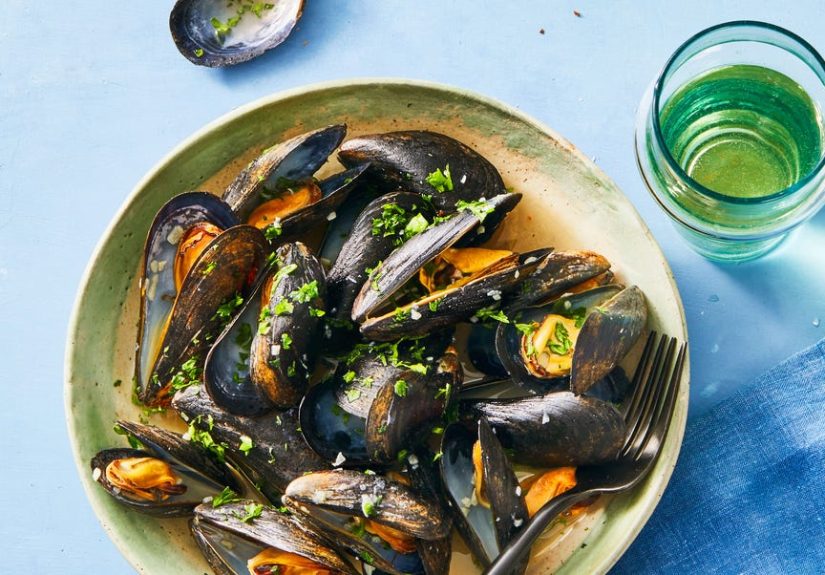
This guide will show you how to cook mussels like a professional using a classic white wine, garlic, shallot, butter, and herb sauce. The result is a bowl of tender, briny mussels swimming in a broth so good you will start judging bread by its ability to scoop sauce. Whether you call it steamed mussels, mussels in white wine, garlic butter mussels, or a relaxed version of moules marinières, the method is simple, fast, and deeply satisfying.
Why Mussels in White Wine Taste So Good
Mussels are natural flavor boosters. As they steam, they release their own salty, ocean-sweet juices into the pot. When those juices mix with dry white wine, sautéed shallots, garlic, butter, and parsley, the sauce becomes rich without being heavy. It tastes restaurant-level because the mussels do half the work for you. They are basically tiny seafood chefs wearing shells.
The best mussels in white wine recipe depends on balance. Wine adds acidity. Butter adds body. Garlic and shallots bring sweetness and aroma. Fresh herbs brighten the bowl. Lemon at the end wakes everything up. None of these ingredients should bully the mussels; they should support the seafood’s clean, briny flavor.
How to Choose Fresh Mussels
Fresh mussels should smell like the sea: clean, salty, and mild. They should not smell sour, fishy, or like the back corner of a forgotten refrigerator. Most mussels sold in U.S. supermarkets are farmed, cultivated mussels, which are usually cleaner and more consistent than wild mussels. Farmed blue mussels are also considered a smart seafood choice because they are efficiently grown and widely recognized for sustainability.
Look for these signs of quality
- Shells should be mostly closed or close when lightly tapped.
- The mussels should feel heavy for their size.
- Shells should be damp, not dried out.
- A few broken shells are normal, but badly cracked mussels should be discarded.
- The smell should be fresh and ocean-like, never ammonia-like or unpleasant.
Buy mussels the same day you plan to cook them when possible. If you need to store them, keep them in the refrigerator in an open bowl or colander covered with a damp towel. Do not seal live mussels in an airtight container, and do not soak them in fresh water. They are alive, and they need to breathe. Treat them like dinner guests with gills.
How to Clean Mussels Before Cooking
Many supermarket mussels are already cleaned, but they still deserve a quick inspection. Rinse them under cold running water and scrub away any grit with a stiff brush or clean sponge. If you see stringy fibers sticking out from the side of the shell, that is the beard. Grab it with your fingers or a paper towel and pull it toward the hinge end of the mussel to remove it.
Before cooking, sort through the mussels. Discard any with broken shells. If a mussel is open, tap it gently. If it closes, it is alive and fine to cook. If it stays open and looks lifeless, throw it away. After cooking, discard mussels that remain closed. It is a simple rule that keeps your dish cleaner, safer, and more pleasant to eat.
Best Mussels in White Wine Recipe
This recipe serves two people as a main course or four as an appetizer. It cooks quickly, so have your ingredients chopped and ready before the heat goes on. Mussels are not patient. Once the pot starts steaming, dinner is only minutes away.
Ingredients
- 2 pounds fresh mussels, cleaned and debearded
- 2 tablespoons unsalted butter
- 1 tablespoon extra-virgin olive oil
- 2 medium shallots, finely chopped
- 4 garlic cloves, thinly sliced or minced
- 1 cup dry white wine, such as Sauvignon Blanc, Pinot Grigio, Muscadet, or unoaked Chardonnay
- 1/2 teaspoon kosher salt, plus more only if needed
- 1/4 teaspoon freshly ground black pepper
- 1/4 teaspoon red pepper flakes, optional
- 2 tablespoons fresh lemon juice
- 3 tablespoons chopped fresh parsley
- 1 tablespoon cold butter, for finishing
- Crusty bread, fries, or pasta for serving
Step-by-step instructions
- Clean and sort the mussels. Rinse the mussels under cold water, scrub the shells, remove beards, and discard any cracked shells or open mussels that do not close when tapped.
- Build the flavor base. In a large heavy pot or Dutch oven, warm the olive oil and 2 tablespoons butter over medium heat. Add shallots and cook for 2 to 3 minutes, until softened but not browned.
- Add garlic. Stir in the garlic and red pepper flakes, if using. Cook for about 30 seconds, just until fragrant. Garlic burns quickly, and burnt garlic is the villain in many seafood tragedies.
- Pour in the wine. Add the dry white wine, salt, and black pepper. Increase the heat and bring the liquid to a lively simmer. Let it bubble for 2 to 3 minutes so the wine reduces slightly and the flavor concentrates.
- Steam the mussels. Add the mussels to the pot and immediately cover with a tight-fitting lid. Cook over medium-high heat for 4 to 6 minutes, shaking the pot once or twice, until the mussels open.
- Finish the sauce. Remove the pot from heat. Stir in lemon juice, parsley, and the final tablespoon of cold butter. Taste the broth before adding more salt because mussels release naturally salty juices.
- Serve immediately. Spoon mussels and broth into warm bowls. Serve with crusty bread for dipping, fries for a bistro-style dinner, or pasta if you want the broth to become a light seafood sauce.
Professional Tips for Perfect Steamed Mussels
Use a wide pot
Mussels cook best when they have room to open. A wide Dutch oven, large sauté pan, or stockpot works beautifully. If the mussels are piled too high, the bottom layer may overcook before the top layer opens. Give them space, and they will reward you with tender texture instead of rubbery disappointment.
Choose dry white wine
For mussels in white wine, avoid sweet wines. A dry, crisp bottle keeps the sauce bright. Sauvignon Blanc, Pinot Grigio, Muscadet, dry Chenin Blanc, or unoaked Chardonnay are all good choices. The old cooking rule applies here: do not cook with wine you would refuse to sip. It does not need to be expensive, but it should taste clean.
Do not overcook the mussels
The biggest mistake is cooking mussels too long. Once the shells open, the meat is done. Keep cooking and the mussels shrink, toughen, and develop the texture of seafood-flavored pencil erasers. Start checking after 4 minutes. Transfer opened mussels to a bowl if needed while stubborn ones get another minute in the pot.
Salt carefully
Mussels naturally season the broth as they steam. Add only a small amount of salt at the beginning, then taste at the end. Between the mussel liquor, butter, and possible salted bread or fries, the sauce can become salty quickly. Professional cooking often means restraint, not tossing salt around like confetti.
What to Serve with Mussels in White Wine
The classic answer is crusty bread, and honestly, it is classic for a reason. The broth is the treasure, and bread is the shovel. A toasted baguette, sourdough loaf, or rustic country bread is perfect. For a Belgian-inspired meal, serve mussels with crispy fries and a simple green salad. For a dinner-party plate, spoon the mussels over linguine or angel hair pasta.
Simple sides work best because mussels are already flavorful. Try roasted asparagus, lemony arugula salad, grilled vegetables, or boiled baby potatoes. If serving wine, pour the same dry white wine you used in the pot or choose a mineral-driven white such as Muscadet or Chablis. A crisp pilsner also pairs beautifully, especially if fries are involved.
Common Mistakes When Cooking Mussels
Soaking mussels in fresh water
Do not soak live mussels in fresh water for long periods. Fresh water can kill them and reduce quality. A quick rinse is enough for cultivated mussels. If they are sandy, ask your fishmonger whether they need purging, but most store-bought mussels are already prepared for home cooking.
Using too much liquid
You are steaming mussels, not giving them a bubble bath. One cup of wine for two pounds of mussels is plenty. The mussels release their own liquid, which joins the wine and aromatics to create the sauce. Too much wine dilutes the broth and makes it taste thin.
Forgetting to taste the broth
The broth is half the dish. Taste it before serving. It may need lemon, parsley, black pepper, or a tiny knob of butter. A good mussel broth should taste bright, savory, lightly briny, and rich enough to make everyone at the table reach for more bread.
Easy Variations on White Wine Mussels
Once you master the basic method, you can change the flavor without changing the technique. For creamy mussels, add 1/3 cup heavy cream after the mussels open and simmer briefly. For tomato mussels, add 1 cup chopped canned tomatoes with the wine. For spicy mussels, increase the red pepper flakes or add a spoonful of harissa. For a French-style finish, stir in a teaspoon of Dijon mustard with the butter.
You can also swap the wine for Belgian-style beer, seafood stock, or a mix of broth and lemon juice. If avoiding alcohol, use seafood stock or chicken broth with an extra squeeze of lemon. The flavor will be different, but the cooking method remains reliable.
Food Safety Notes for Cooking Mussels
Keep mussels cold until cooking, ideally at 40°F or below. Cook them the day you buy them or within one to two days for the best quality. Never cook mussels that smell bad, feel unusually dry, or have broken shells. Wash your hands, clean surfaces after handling raw seafood, and keep raw shellfish away from ready-to-eat foods.
Properly cooked mussels should be plump, opaque, and hot. The shells should open during steaming. If any remain closed after cooking, discard them. When reheating leftovers, do so gently and only once. Mussels are best fresh from the pot, when the broth is steaming and the bread is ready for action.
Experience Notes: What Cooking Mussels Teaches You
The first time many home cooks make mussels, they expect drama. Maybe flames, maybe panic, maybe a seafood disaster worthy of a kitchen reality show. Then the lid comes off, the shells are open, the broth smells like garlic and wine, and the whole thing feels almost suspiciously easy. That is the charm of mussels. They look elegant, but they are secretly weeknight-friendly.
One of the best experiences with cooking mussels is learning to trust timing. Mussels do not need long simmering. They do not improve with extra attention. You prepare the aromatics, add the wine, cover the pot, and let steam do its quiet little magic trick. In a few minutes, dinner appears. It is a great reminder that professional cooking is not always about doing more. Often, it is about knowing when to stop.
Another lesson is the importance of preparation. Because mussels cook fast, the chopping and cleaning matter more than the actual cooking time. Have the shallots minced, garlic sliced, parsley chopped, lemon cut, bread warmed, and bowls ready. Once the mussels hit the pot, there is no graceful moment to go hunting for a lemon while steam fogs your glasses and your guests politely pretend not to be hungry.
The broth also teaches balance. Too much garlic can dominate. Too much wine can turn sharp. Too much salt can flatten the natural sweetness of the mussels. But when everything is right, the sauce tastes layered: a little briny, a little buttery, a little acidic, and deeply aromatic. The best test is bread. Dip a piece into the broth. If you immediately want another piece, the sauce is ready.
Serving mussels is part of the fun. Place a big bowl in the center of the table, give everyone an empty bowl for shells, and let the meal become pleasantly messy. Mussels are not stiff dinner-party food. They invite leaning in, reaching across the table, laughing, and using bread as a perfectly acceptable utensil. That relaxed energy is exactly why mussels feel special without feeling fussy.
Over time, you will develop your own mussel style. Maybe you like extra lemon. Maybe you prefer parsley and tarragon. Maybe you add cream on cold nights or tomatoes in summer. Maybe you serve them with fries because life is short and potatoes understand seafood. The white wine method is a foundation, not a cage. Once you understand the rhythm, you can improvise confidently.
The most professional habit is also the simplest: respect the ingredient. Buy fresh mussels, keep them cold, clean them gently, cook them quickly, and serve them right away. Do that, and you will have a dish that tastes like it came from a seaside bistro, even if you made it in a small apartment kitchen while wearing slippers. No one needs to know. Let the mussels take the applause.
Conclusion
Learning how to cook mussels like a professional is mostly about confidence, freshness, and timing. Start with good mussels, store them properly, clean them carefully, and steam them in a bright white wine broth with garlic, shallots, butter, lemon, and herbs. The recipe is fast enough for a weeknight but impressive enough for guests. Best of all, the sauce practically begs for crusty bread, which is always a sign that dinner has made excellent life choices.
With this best mussels in white wine recipe, you get tender seafood, a deeply flavorful broth, and a restaurant-style meal without complicated equipment or culinary gymnastics. Keep the pot hot, the wine dry, the bread close, and the cooking time short. That is the professional secret.