Table of Contents >> Show >> Hide
- Why Some Kitchen Items and Dishwashers Just Do Not Get Along
- 1. Cast-Iron Skillets and Other Cast-Iron Cookware
- 2. Carbon Steel Pans and Woks
- 3. Chef’s Knives, Paring Knives, and Steak Knives
- 4. Wooden Spoons, Spatulas, and Other Wooden Utensils
- 5. Wooden Cutting Boards and Butcher Blocks
- 6. Nonstick Pots, Pans, and Bakeware
- 7. Copper Cookware and Copper Mugs
- 8. Aluminum Cookware, Sheet Pans, and Disposable Aluminum Pans
- 9. Delicate Crystal, Vintage Glassware, and Older or Hand-Painted China
- 10. Gold-Plated, Silver-Plated, and Heirloom Metal Serving Pieces
- How to Tell Whether Something Is Dishwasher-Safe
- Final Thoughts
- Experience Section: Real-Life Kitchen Lessons From the Dishwasher Danger Zone
- SEO Tags
If the dishwasher is the MVP of your kitchen, I get it. It is the machine that quietly says, “Go relax, I’ve got this,” while you back away from a sink full of dinner chaos. But even heroes have limits. Toss the wrong item into a hot, steamy, detergent-heavy dishwasher cycle, and you can end up with rust, warping, dull blades, faded finishes, cloudy glass, and the kind of regret that makes you whisper, “Well, that used to be nice.”
The truth is, not everything in your kitchen is built for a high-heat water rodeo. Some items lose their seasoning, some lose their shine, and some lose their will to be useful. That is why knowing what not to put in the dishwasher matters just as much as knowing how to load it properly.
Below are 10 kitchen items you should never put in the dishwasher, along with the reasons why, what could happen if you ignore the warning, and what to do instead. A few modern brands do make dishwasher-safe exceptions, so always check the label or care instructions. But in most kitchens, these are the pieces that deserve a quick hand wash and a little respect.
Why Some Kitchen Items and Dishwashers Just Do Not Get Along
Dishwashers clean with a combination of hot water, strong detergent, forceful spray, and often a heated drying cycle. That combination is fantastic for sturdy plates, bowls, and everyday flatware. It is much less charming for materials that depend on oil, glue, lacquer, polish, edge retention, or delicate coatings.
Think of it this way: your dishwasher is not being rude on purpose. It is simply aggressive by design. And some kitchen tools are more “treat me like a vintage sports car” than “throw me into the foam party.”
1. Cast-Iron Skillets and Other Cast-Iron Cookware
Why it should stay out of the dishwasher
Cast iron relies on seasoning, that baked-on layer of oil that gives the pan its naturally slick surface and helps protect it from rust. A dishwasher can strip that seasoning fast. Add long exposure to moisture, and rust can move in like it pays rent.
This is especially heartbreaking if you have spent months or years building up a beautifully seasoned skillet. One dishwasher cycle can undo a lot of that hard work. That pan you loved for cornbread, seared steak, and crispy hash browns can suddenly look sad, dry, and orange in all the wrong places.
What to do instead
Wash cast iron by hand with hot water and a soft brush or non-abrasive scrubber. Dry it immediately, then rub on a very thin layer of oil before storing. It takes maybe two minutes, which is far less time than rehabilitating a rusty skillet while questioning your life choices.
2. Carbon Steel Pans and Woks
Why it should stay out of the dishwasher
Carbon steel is cast iron’s lighter, faster cousin. It also depends on seasoning and proper drying to stay in good shape. Dishwasher detergent and heat can wear down that seasoned surface, while trapped moisture can lead to rust and discoloration.
If you use a carbon steel wok or skillet for high-heat cooking, you already know its magic comes from that well-maintained surface. Sending it through the dishwasher is basically sending its personality through a paper shredder.
What to do instead
Hand wash it gently, dry it right away, and add a whisper-thin coat of oil if needed. It is a low-maintenance item as long as you keep it out of the machine that thinks every problem can be solved with heat and force.
3. Chef’s Knives, Paring Knives, and Steak Knives
Why it should stay out of the dishwasher
Sharp kitchen knives and dishwashers have a messy relationship. Dishwasher detergent can dull the blade. High heat and prolonged moisture can damage or loosen some handles. And during the wash cycle, knives can knock around against other items, which is bad for the edge and not exactly great for safety either.
A dull knife is not just annoying. It can also be more dangerous because it requires more pressure and is more likely to slip while cutting. In other words, the dishwasher can quietly turn your precision tool into a kitchen drama.
What to do instead
Wash knives by hand with warm soapy water, dry them immediately, and store them properly in a knife block, drawer insert, magnetic strip, or blade guard. Good knives deserve better than a hot metal mosh pit.
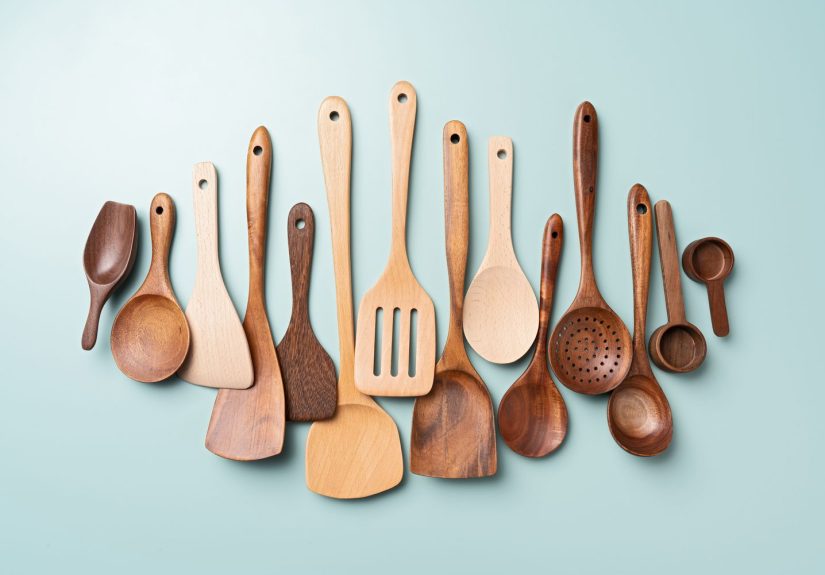
4. Wooden Spoons, Spatulas, and Other Wooden Utensils
Why it should stay out of the dishwasher
Wood and repeated dishwasher cycles do not mix well. The heat and water can dry the wood out, causing it to warp, crack, split, or lose its finish. Over time, wooden utensils can become rough, fuzzy, or oddly shaped, which is not exactly the look most people are going for.
That beloved wooden spoon that has stirred soups, sauces, and cookie dough for years? The dishwasher can turn it from heirloom energy into driftwood energy.
What to do instead
Hand wash wooden utensils with mild soap and warm water, then dry them thoroughly. If they start looking thirsty, rub on a little food-safe mineral oil. Yes, your spoon can moisturize. We all contain multitudes.
5. Wooden Cutting Boards and Butcher Blocks
Why it should stay out of the dishwasher
Wooden cutting boards face the same issues as wooden utensils, but the damage can be even worse because of their size and construction. Dishwasher cycles can cause boards to crack, warp, separate at glued seams, or lose their smooth finish. A warped board rocks on the counter, and that is bad news when a sharp knife is involved.
Butcher blocks and premium wood boards are especially worth protecting. Replacing them is not fun, and trying to dice onions on a board that wobbles like a folding card table is even less fun.
What to do instead
Wash by hand, dry immediately, and condition with board oil or cream on a regular schedule. If your board is made from composite material or specifically marked dishwasher-safe, follow that label. But classic wood boards belong nowhere near the dishwasher.
6. Nonstick Pots, Pans, and Bakeware
Why it should stay out of the dishwasher
Many nonstick pieces are marketed as dishwasher-safe, but that does not always mean dishwasher-friendly in the long run. Repeated exposure to harsh detergent, high heat, and friction from other cookware can wear down the coating faster. Once the surface starts to degrade, food sticks more easily, cleanup gets worse, and the pan loses the whole reason you bought it in the first place.
This is one of those technicalities that gets people. “Dishwasher-safe” can mean it survives the dishwasher. It does not always mean it thrives there.
What to do instead
Hand wash nonstick cookware with a soft sponge and mild soap. Avoid abrasive scrubbers and stacking pieces roughly. If you want your nonstick pan to keep sliding eggs around like a skating rink, baby it a little.
7. Copper Cookware and Copper Mugs
Why it should stay out of the dishwasher
Copper is gorgeous, dramatic, and just a little high-maintenance. Dishwasher detergent can dull the finish, cause discoloration, and leave copper cookware or mugs looking tired instead of gleaming. That is true for hammered copper pans and for your favorite Moscow mule mug that used to look like it belonged in a fancy bar cart photo shoot.
In short, copper does not enjoy chemical exfoliation.
What to do instead
Hand wash copper with warm water, mild soap, and a soft cloth. Dry it well. If needed, use a copper cleaner approved by the manufacturer to restore shine. It takes a little extra effort, but that is the price of owning cookware with main-character energy.
8. Aluminum Cookware, Sheet Pans, and Disposable Aluminum Pans
Why it should stay out of the dishwasher
Aluminum can discolor, oxidize, pit, or develop a dull finish in the dishwasher. That shiny sheet pan may come out looking blotchy and worn. Disposable aluminum pans are even worse candidates because they can shift around, bend, and sometimes leave black marks on other items.
Hard-anodized aluminum is more durable than plain aluminum, but even then, many brands still suggest hand washing for better appearance and longer life.
What to do instead
Wash aluminum cookware by hand unless the manufacturer specifically says otherwise. For everyday sheet pans, a soak and gentle scrub usually do the trick. Not glamorous, but far more attractive than permanent dishwasher scars.
9. Delicate Crystal, Vintage Glassware, and Older or Hand-Painted China
Why it should stay out of the dishwasher
This category is all about caution. Some newer crystal and fine china collections are labeled dishwasher-safe, but many delicate, vintage, hand-painted, metallic-trimmed, or heirloom pieces are better off being washed by hand. Dishwasher cycles can cloud crystal, chip edges, fade decorative patterns, and reduce the sparkle that made you love the piece in the first place.
Older items are especially risky because they were not always designed with modern dishwashers in mind. If you inherited it, paid too much for it, or would cry if it chipped, the sink is the safer choice.
What to do instead
Hand wash delicate glassware and china in warm water with mild soap, and dry with a soft towel. If the maker says it is dishwasher-safe, follow those instructions exactly. Otherwise, do not gamble with Grandma’s crystal because you did not feel like washing two wine glasses.
10. Gold-Plated, Silver-Plated, and Heirloom Metal Serving Pieces
Why it should stay out of the dishwasher
Decorative metal serving pieces, gold-plated flatware, silver-plated pieces, and heirloom utensils can tarnish, pit, fade, or react poorly in the dishwasher. Some sterling silver may technically be washable under specific conditions, but mixing metals, strong detergent, and leftover acidic foods can still create problems.
If a piece is special enough to bring out on holidays, anniversaries, or “the good napkin” nights, it is special enough to avoid the dishwasher.
What to do instead
Hand wash promptly, dry thoroughly, and store carefully. These items are often more about preservation than convenience, and your future self will appreciate not having to explain why the holiday serving spoon now looks exhausted.
How to Tell Whether Something Is Dishwasher-Safe
When in doubt, check the bottom of the item, the packaging, or the brand’s care page. Look for wording like “dishwasher-safe,” “top-rack only,” or “hand wash only.” If the item has wood, glued seams, seasoning, delicate edges, decorative metallic trim, or a nonstick surface, take a pause before tossing it in.
A good general rule is simple: if the item is expensive, sentimental, sharp, coated, polished, or made from natural material, do not let convenience make the call for you.
Final Thoughts
The dishwasher is one of the greatest kitchen inventions ever created, and I will defend it with my whole heart. But it is not a universal cleaning solution. Some kitchen items need a gentler touch if you want them to last, perform well, and still look good after more than three Tuesday dinners.
If you remember nothing else, remember this: cast iron, carbon steel, sharp knives, wood, nonstick, copper, aluminum, delicate crystal, older china, and heirloom metals are usually better off washed by hand. That extra couple of minutes can save you money, frustration, and the peculiar sadness of ruining something you actually liked.
Your dishwasher is a workhorse. It just does not need to be in charge of absolutely everything.
Experience Section: Real-Life Kitchen Lessons From the Dishwasher Danger Zone
Anyone who cooks regularly eventually learns the dishwasher lesson the hard way. Mine started with a cast-iron skillet that had been seasoned so beautifully it could fry eggs like a dream. One lazy evening, after making dinner and deciding I deserved “a night off,” I dropped it into the dishwasher and walked away feeling efficient. The next morning, I opened the door and found a pan that looked like it had gone through a breakup. The surface was dull, patchy, and suspiciously rusty. That was the day I learned that convenience has limits.
Then there was the knife incident. A really good chef’s knife went into the dishwasher after a marathon meal prep day because I was tired and apparently willing to make poor decisions. At first glance, it looked fine. But the next time I used it, the blade felt noticeably duller, and the handle did not seem quite as solid. Suddenly, slicing tomatoes turned into crushing them. It is amazing how fast a great tool can become an irritating one when you stop treating it like a great tool.
Wooden utensils taught me a quieter lesson. They do not always fail dramatically. Sometimes they just slowly become weird. A spoon that used to be smooth starts to feel rough. A spatula that used to sit flat develops a slight curve like it is trying yoga. A cutting board starts to warp so gently you do not notice until it rocks under a knife. These are the kinds of changes that make you realize dishwashers are not just about cleaning power. They are also about repeated stress over time.
Nonstick pans are another classic example. I have seen people buy a beautiful nonstick skillet, run it through the dishwasher because the label said it could survive that, and then wonder six months later why pancakes suddenly cling to it like they are emotionally attached. Dishwasher-safe is not always the same as best-for-longevity. That small distinction matters more than most people think.
And then there is the heartbreak category: crystal, copper, heirloom pieces, and the “fancy stuff” you only use on special occasions. Those items usually survive just fine on a shelf, minding their business, until someone decides the dishwasher will save time. Suddenly the sparkle is gone, the finish looks tired, or a decorative edge has chipped. The worst part is that once the damage happens, there is often no clever trick to reverse it.
The good news is that these experiences tend to make you smarter fast. Once you have ruined one or two favorite items, you become the person who gently intercepts a friend reaching for the dishwasher door with a wooden cutting board and says, “Absolutely not.” It is a small form of kitchen wisdom, but it counts. Hand washing a few special items may not feel exciting, but it is one of the easiest ways to protect the tools you rely on every day. And honestly, a two-minute hand wash beats replacing a pan, re-seasoning cast iron, polishing tarnished metal, or explaining why the nice glasses now look permanently cloudy.