Table of Contents >> Show >> Hide
Every gardener knows that late-season weather has a mean little sense of humor. One day your tomato vines are strutting around like summer will last forever, and the next day the forecast casually mentions a light frost like it’s no big deal. It is a big deal. Frost is the party crasher of the vegetable patch, and if you want a few more days or even a few more weeks of harvest, covering the right crops can make all the difference.
The good news is that you do not need a fancy greenhouse or a degree in meteorology to protect your plants. A simple frost cloth, floating row cover, light blanket, or garden fabric can help you squeeze extra life out of tender crops when temperatures flirt with freezing. The trick is knowing which plants deserve protection first and how to cover them the right way.
In this guide, we’ll walk through 12 crops you should cover before frost hits, why they are so vulnerable, and how to keep them producing a little longer. We’ll also cover a few common frost-protection mistakes, because nothing says “garden regret” quite like wrapping a plant in plastic and accidentally turning it into a cold lasagna.
Why Frost Protection Matters
Frost forms when temperatures at plant level fall low enough for ice crystals to develop on surfaces. Tender vegetables hate this. Once ice forms in or around plant tissues, cells can rupture, leaves turn black or limp, blossoms drop, and fruit quality goes downhill fast. Some warm-season crops are injured even before an actual frost, especially when nights dip into the 40s.
That is why covering crops before frost hits matters so much. A proper cover helps trap heat radiating from the soil, creating a slightly warmer pocket of air around the plant. It will not turn your backyard into Miami, but it can buy valuable protection on borderline nights and help you harvest one more basket of peppers, one more round of beans, or that final flush of basil before cold weather wins.
How to Cover Plants the Right Way
1. Cover before sunset, not after your teeth start chattering
The goal is to trap warmth from the soil before the temperature drops. Waiting until the garden is already icy is like putting on a raincoat after you are soaked.
2. Use breathable materials when possible
Frost cloth, floating row cover, sheets, lightweight blankets, burlap, or fabric garden covers work well. These materials help hold warmth while allowing some airflow.
3. Keep the cover all the way to the ground
Think tent, not hat. If the edges are not anchored with bricks, boards, pins, or soil, the warm air escapes and the cover becomes decorative instead of useful.
4. Avoid plastic touching leaves
Plastic can work as an outer layer over hoops or supports, but it should not sit directly on the foliage. When plastic touches leaves, cold damage can actually get worse.
5. Remove or vent covers the next morning
Once temperatures rise, especially in sunshine, covers can trap too much heat. Tender plants do not appreciate being frozen overnight and steamed by lunchtime.
6. Water the soil ahead of a cold night
Moist soil holds heat better than dry soil. A well-watered garden bed can release a bit more warmth overnight, which helps your cover do its job.
12 Crops You Should Cover Before Frost Hits
1. Tomatoes
Tomatoes are the drama queens of the fall garden. They are classic warm-season plants, and frost can blacken foliage, damage green fruit, and bring production to a sudden stop. Even if the plant survives a light chill, fruit quality often suffers. Cover tomato plants whenever a frost advisory shows up, especially if you still have ripening fruit on the vine. Use hoops, stakes, or tomato cages to support the fabric so it does not rest directly on the leaves.
2. Peppers
Bell peppers and hot peppers may look tough, but they are not interested in flirting with freezing temperatures. A light frost can injure foliage and cause fruit to become soft or water-soaked. If you still have peppers coloring up, cover the plants and try to hold onto the season a bit longer. Peppers often reward the effort because even a few extra mild days can finish off a lot of nearly ripe fruit.
3. Eggplant
Eggplant is one of the least cold-loving vegetables in the garden. It dislikes cool nights, period. Once frost arrives, eggplant usually waves a white handkerchief and surrenders. Covering can protect plants on marginal nights and help mature the last glossy fruits before cold weather shuts everything down. If the forecast looks rough, harvest near-mature eggplants rather than gambling on a hard freeze.
4. Basil
If frost had a mortal enemy, it would be basil. Basil can show damage even when temperatures fall below about 40 degrees Fahrenheit, and once frost arrives the leaves may turn black almost overnight. Covering basil is worth it if you want a few more harvests, but if a serious cold snap is coming, harvest heavily, make pesto, dry the leaves, or freeze them. Basil is delicious, but it is not brave.
5. Cucumbers
Cucumbers are highly sensitive to both frost and chilling injury. They are happiest in warm conditions, and cold nights can leave vines looking miserable even before a true freeze. Cover cucumber plants if they are still productive and the forecast is calling for a light frost. The same goes for trellised cucumbers; just use supports so the cover drapes without crushing the vines.
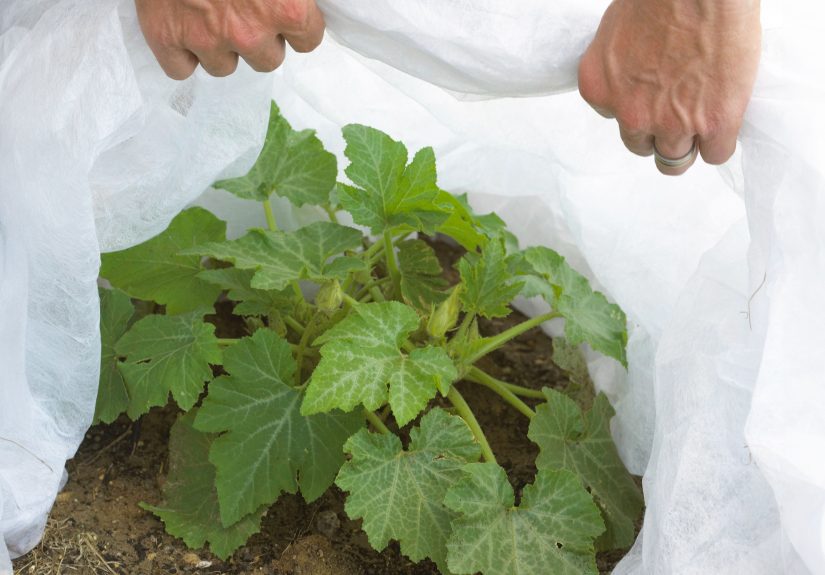
6. Zucchini and Summer Squash
Summer squash plants tend to grow like they own the place all season long, then collapse the minute frost shows up. Their big leaves are especially vulnerable, and once those leaves are damaged, production drops fast. Covering can help you protect the final flush of zucchini and yellow squash. Check fruits after a cold night, because frost-injured squash often looks fine at first and then declines in storage or on the counter.
7. Pumpkins
If your pumpkins are nearly finished coloring and frost is in the forecast, protection is a smart move. Frost can damage vines and reduce the quality of developing fruit, especially if pumpkins are still maturing. A cover may buy enough time for them to deepen in color and harden properly. If a hard freeze is coming, harvest mature pumpkins first and cure them in a dry, protected spot.
8. Winter Squash
Winter squash may sound rugged because it stores well, but the vines and immature fruits are still vulnerable to frost. If acorn, butternut, delicata, or spaghetti squash are close to maturity, covering the plants can help finish the job. Be careful not to assume cold damage is harmless just because the rind looks okay at first. Frost-injured squash often becomes a storage disappointment later.
9. Melons
Melons are unapologetically summer crops. Cantaloupe, muskmelon, and watermelon do not appreciate cold nights, and frost is basically their retirement notice. If you have fruit that is close to ripe, cover the vines on cold nights to keep the plant going a little longer. That said, do not expect miracles. Melons are not likely to power through repeated chills like a hardy fall green would.
10. Green Beans
Snap beans and pole beans are tender and can be damaged or killed by a light frost. If your bean patch is still producing, cover it when the temperature is expected to dip near freezing. Beans are often worth protecting because they can keep producing quickly after a cold scare if the damage is avoided. A simple row cover over short supports works well for bush beans, while taller frames help with pole types.
11. Okra
Okra loves heat so much it practically sends thank-you notes to August. Unfortunately, that means fall frost is bad news. A cold night can stop production fast and damage pods that would have been harvestable within days. If you garden in a place with a long shoulder season, covering okra on early frosty nights can buy useful time. Harvest any pods that are ready before the freeze, because okra does not improve with drama.
12. Sweet Potatoes
Sweet potatoes are a special case. Frost usually kills the vines first, and the roots may still be okay for a short time, but they should not sit in cold soil for long. Covering can help protect vines during a brief light frost if you need a little more time before harvest. Once a harder freeze is coming, it is usually better to cut vines if needed and dig the roots promptly. Sweet potatoes are excellent keepers, but only if cold damage does not sneak in first.
Which Crops Usually Do Not Need the Same Level of Panic?
Not every plant in the garden needs emergency pajamas. Cool-season vegetables such as kale, spinach, carrots, collards, and many lettuces tolerate chilly weather much better. Some even taste sweeter after light frost. You can still cover them to extend the season, but they are not the plants that usually require a mad dash outside with bedsheets and garden clips.
Common Frost-Covering Mistakes to Avoid
Using plastic directly on plants
This is one of the biggest mistakes home gardeners make. Plastic should be supported above the crop, not draped onto leaves.
Leaving gaps at the edges
If cold air slips in and warm air slips out, the cover loses much of its benefit. Anchor the edges well.
Forgetting to uncover during warm days
Plants can overheat surprisingly fast under covers, especially in full sun. Frost protection should not turn into accidental plant roasting.
Covering too late
By the time frost is already on the lawn, you have missed the best window for trapping soil warmth.
Trying to save plants through repeated hard freezes
Covering is excellent for buying time during brief cold snaps. It is not always practical for long stretches of freezing weather. Sometimes the smartest move is to harvest and call the season with dignity.
Real-World Garden Experiences: What Frost Nights Actually Feel Like
Anyone who has gardened through fall for more than one season learns that frost protection is part science, part timing, and part sprinting across the yard in old sneakers. On paper, it sounds simple: check the forecast, cover the plants, remove the covers in the morning. In real life, it often feels more like a weird seasonal ritual involving headlamps, laundry baskets, tomato cages, and a strong desire not to lose six weeks of effort to one cold night.
One of the most common experiences gardeners talk about is how unfair frost can feel. The forecast may say 36 degrees, and you think, “That seems chilly, but not terrible.” Then you wake up to a silver lawn, black basil, and tomatoes that suddenly look like they have given up on personal growth. Frost is sneaky because temperatures at plant level can drop lower than the official forecast, especially in low spots, open beds, and gardens with clear skies and no wind.
Another lesson many people learn the hard way is that the crops most worth covering are usually the ones still giving you something valuable. A pepper plant loaded with green fruit, a late row of bush beans, or an okra patch still pushing out tender pods can justify ten minutes of effort with a frost cloth. In contrast, a tired cucumber vine with three crooked fruits and a suspicious amount of mildew may not deserve heroic intervention. Gardeners get better at making those judgment calls over time.
There is also a huge emotional difference between harvesting because you chose to and harvesting because frost forced your hand. When you cover a crop successfully, you feel like you stole a small victory from the calendar. You get that extra bowl of cherry tomatoes, one more basil harvest for pasta night, or a final round of zucchini that somehow feels more satisfying simply because you outsmarted the weather for another day.
Many experienced gardeners also notice that simple methods often work best. Fancy gear is nice, but plenty of people protect crops with old sheets, clothespins, lightweight blankets, buckets, and whatever bricks or boards happen to be nearby. The key is not glamour. The key is getting the cover on before the cold settles in, securing it properly, and remembering to remove it the next day.
Perhaps the most useful experience of all is learning that frost season changes how you look at the garden. Summer is about abundance. Fall becomes more strategic. You stop asking, “How big will this plant get?” and start asking, “Is this crop worth saving for one more week?” That shift makes gardeners sharper, more observant, and honestly a little more appreciative. Because when the first real freeze finally ends the season, you know you did not just grow vegetables. You read the weather, protected what mattered, and squeezed every last honest harvest from the year.
Final Thoughts
If your forecast hints at frost, do not wait until sunrise to see what survived. Warm-season crops can go from thriving to tragic overnight. Tomatoes, peppers, eggplant, basil, cucumbers, summer squash, pumpkins, winter squash, melons, beans, okra, and sweet potatoes are all prime candidates for protection when cold weather threatens. With the right cover and good timing, you can stretch the season, preserve fruit quality, and enjoy a few more meals from your garden before winter takes over.
And if you do end up outside at dusk, throwing sheets over tomato cages while muttering at the weather, congratulations. You are gardening correctly.