Table of Contents >> Show >> Hide
- Why Dogwoods Stay So Popular
- 12 Popular Dogwood Trees and Shrubs to Grow
- 1. Flowering Dogwood (Cornus florida)
- 2. Kousa Dogwood (Cornus kousa)
- 3. Rutgers Hybrid Dogwood (Cornus × rutgersensis)
- 4. Cornelian Cherry Dogwood (Cornus mas)
- 5. Pagoda Dogwood (Cornus alternifolia)
- 6. Pacific Dogwood (Cornus nuttallii)
- 7. Giant Dogwood (Cornus controversa)
- 8. Red-Osier or Red-Twig Dogwood (Cornus sericea)
- 9. Yellow-Twig Dogwood (Cornus sericea ‘Flaviramea’)
- 10. Gray Dogwood (Cornus racemosa)
- 11. Silky Dogwood (Cornus amomum)
- 12. Bloodtwig Dogwood (Cornus sanguinea)
- How to Choose the Right Dogwood for Your Yard
- Basic Dogwood Care Without the Headache
- Real-World Experiences With Dogwoods in the Landscape
- Final Thoughts
If dogwoods had a publicist, that person would be exhausted. These plants do a little bit of everything: showy spring color, handsome summer foliage, berries for birds, fiery fall leaves, and in some cases, winter stems so bright they look like they were plugged into a wall outlet. In other words, dogwoods are not one-season wonders. They are overachievers with good manners.
Even better, “dogwood” does not refer to just one plant. It covers a wide group of small trees and shrubs in the Cornus genus, and they come in very different personalities. Some are elegant specimen trees for front yards. Some are rugged native shrubs that thrive in soggy ground and help hold streambanks together. Some bloom before the leaves appear. Others wait until late spring, stroll in fashionably late, and still steal the show.
If you are trying to choose the right dogwood for your yard, this guide rounds up 12 popular dogwood trees and shrubs worth knowing. You will find classic favorites, colorful shrub forms, wildlife-friendly natives, and a few modern hybrids that deserve more applause than they usually get.
Why Dogwoods Stay So Popular
Dogwoods have real range, and that is a big reason gardeners keep coming back to them. Tree forms like flowering dogwood and kousa dogwood fit comfortably into smaller landscapes where a huge shade tree would be too much. Shrubby dogwoods such as red-osier and silky dogwood are stars in naturalized plantings, rain gardens, and erosion-prone spots. Then there are the dogwoods with dramatic stem color, which keep the garden from looking half-asleep in winter.
One fun dogwood fact: the showy “petals” most people admire are usually bracts, not the true flowers. The real flowers are tiny and clustered in the center. Dogwoods are basically botanical illusionists, and frankly, they pull it off beautifully.
That said, not every dogwood wants the same conditions. Some prefer cool, moist, well-drained soil and a little afternoon shade. Others can handle wet feet better than your average landscape plant. Knowing which type you are bringing home matters, because a happy dogwood is glorious, while a stressed dogwood becomes the garden equivalent of someone sending passive-aggressive texts.
12 Popular Dogwood Trees and Shrubs to Grow
1. Flowering Dogwood (Cornus florida)
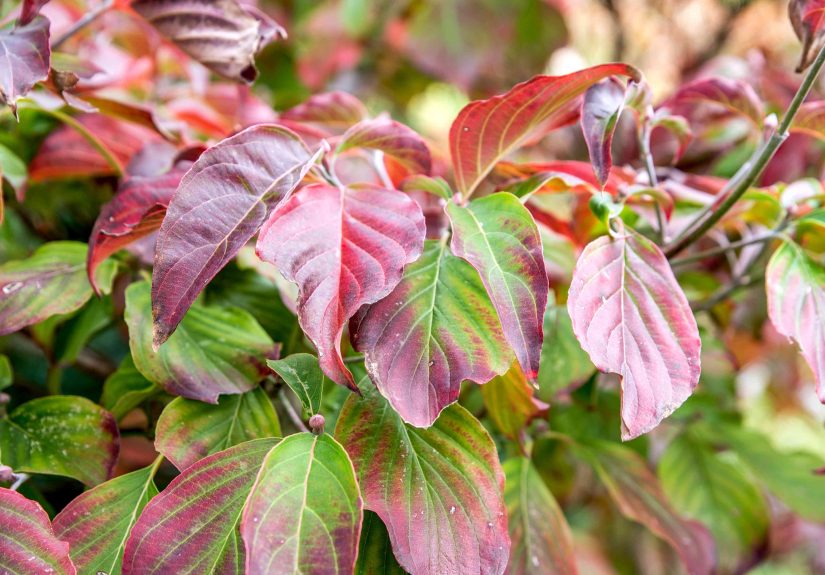
This is the classic American dogwood and the one many people picture first. Flowering dogwood is a small understory tree with horizontal branching, creamy white bracts, and red fruit that birds appreciate. It shines in spring, but it also earns its keep in fall with rich red to reddish-purple foliage.
It works best in organically rich, acidic, well-drained soil with consistent moisture. In hot regions, a little afternoon shade helps. It is stunning near woodland edges, patios, and front walks, where its structure can be admired up close. The catch? It can be sensitive to drought, compaction, poor drainage, and disease pressure, so give it the right spot and do not treat it like a parking-lot tree.
2. Kousa Dogwood (Cornus kousa)
Kousa dogwood is the polished cousin who arrives later, looks great, and never seems rattled. It blooms after the leaves emerge, producing starry white bracts that hover above the foliage in late spring to early summer. It also offers attractive reddish fruit and strong fall color.
Compared with flowering dogwood, kousa dogwood is often a little tougher and more disease-resistant, which explains its popularity in home landscapes. It makes an excellent specimen tree for small yards and is often used where gardeners want dogwood beauty with slightly less drama. Its vase-like shape matures gracefully, and the exfoliating bark adds extra interest once the tree gets older.
3. Rutgers Hybrid Dogwood (Cornus × rutgersensis)
If you want the sweet spot between native flowering dogwood charm and kousa toughness, Rutgers hybrid dogwoods deserve your attention. These hybrids were bred to combine strong landscape performance with improved resistance to common dogwood problems. Popular selections from the Stellar Series include cultivars like ‘Aurora,’ ‘Celestial,’ and ‘Constellation.’
They generally bloom between the flowering times of Cornus florida and Cornus kousa, which is a neat trick if you want a longer dogwood season. Their growth habit varies by cultivar, but many have strong branching, handsome foliage, and generous floral displays. For gardeners who love dogwoods but have lost patience with disease-prone trees, these hybrids can feel like a peace treaty.
4. Cornelian Cherry Dogwood (Cornus mas)
Despite the name, this plant is not a cherry and does not seem bothered by that confusion. Cornelian cherry dogwood is one of the earliest dogwoods to bloom, covering bare branches with small yellow flowers in late winter or very early spring. Later, it produces red edible fruits and develops attractive, textured bark with age.
This species can be grown as a large shrub or a small tree, which makes it useful in many landscape styles. It tends to be adaptable, low-maintenance, and more tolerant of urban conditions than fussier dogwoods. If you want a dogwood that starts the season early and keeps looking good long after the spring applause fades, this one is a smart choice.
5. Pagoda Dogwood (Cornus alternifolia)
Pagoda dogwood is one of the most architectural members of the group. Its horizontal, tiered branching gives it that “pagoda” silhouette, which looks elegant even when the plant is not in bloom. In late spring, it produces creamy white flowers followed by blue-black fruit held on reddish stalks.
It can be grown as a large shrub or small tree, and it is especially lovely in woodland gardens or naturalistic plantings. Unlike most dogwoods, it has alternate leaves, which makes it a little botanical rebel. Pagoda dogwood prefers cool root conditions, moist but well-drained acidic soil, and some protection from harsh heat. Put it in the right setting, and it looks like the garden suddenly hired an architect.
6. Pacific Dogwood (Cornus nuttallii)
Pacific dogwood is a standout native of the western United States and a beloved ornamental in regions where it thrives. It is larger than flowering dogwood and can produce especially showy white bracts in spring, with occasional repeat bloom in fall. The fruit turns orange to bright red, and the overall effect is dramatic without being gaudy.
This species is beautiful but not always carefree, particularly in urban landscapes where conditions are less than ideal. In the right western climate, though, it is a memorable specimen tree. If your garden leans Pacific Northwest and you want something that feels native, graceful, and seasonally flashy, Pacific dogwood earns its place on the list.
7. Giant Dogwood (Cornus controversa)
Giant dogwood is what happens when a pagoda dogwood hits a growth spurt. It is a medium to large ornamental tree with layered branching, creamy flower clusters, and bluish-black fruit. The form is the real attraction here: broad, horizontal tiers that give the tree a refined, almost sculptural presence.
This species is better suited to larger landscapes than tiny suburban lots, but in the right space it is unforgettable. It prefers moist, well-drained soil and tends to perform best in cooler summer climates. If you love the structure of pagoda dogwood but need something bigger and bolder, giant dogwood is the natural upgrade.
8. Red-Osier or Red-Twig Dogwood (Cornus sericea)
Here is the shrub dogwood that steals the winter spotlight. Red-osier dogwood is grown largely for its vivid red stems, which glow against snow, mulch, evergreen backdrops, and dreary January moods. It also offers white flowers, white berries, and strong wildlife value.
This is a multi-stemmed shrub that naturally forms colonies, so it is ideal for naturalized areas, pond edges, wet ground, and erosion control. Full sun produces the best stem color, and regular removal of older stems encourages bright new growth. If your landscape needs winter energy, red-twig dogwood shows up like a cheerfully overdressed guest and saves the party.
9. Yellow-Twig Dogwood (Cornus sericea ‘Flaviramea’)
Yellow-twig dogwood is a cultivar of red-osier dogwood, but it deserves separate attention because the stem color changes the whole design mood. Instead of red branches, you get greenish-yellow to yellow stems that light up winter beds and contrast beautifully with darker shrubs and evergreens.
It shares many of the same strengths as red-twig dogwood: adaptability, usefulness in moist soils, and value in mass plantings. Designers often use it as a color echo in winter gardens, especially when paired with red-stem types for a high-contrast display. It is the kind of shrub that proves dormant season landscaping does not have to look asleep.
10. Gray Dogwood (Cornus racemosa)
Gray dogwood is not as flashy as some of its cousins, but it is one of the most useful native shrubs in the bunch. It produces creamy white flowers, white fruit, and handsome reddish stems, and it tolerates a wide range of soils, including poor sites where fussier shrubs would file a complaint.
Because it suckers and spreads, gray dogwood is excellent for naturalizing, screening, and stabilizing banks. It is particularly good for wildlife gardens and restoration-style plantings. If you are looking for a polished specimen for a formal courtyard, keep moving. If you want a hardworking native shrub that supports birds and shrugs off difficult conditions, gray dogwood is quietly terrific.
11. Silky Dogwood (Cornus amomum)
Silky dogwood is another native shrub that shines in moist locations. It has creamy white spring flowers, blue fruit, reddish twigs, and a naturally loose habit that works beautifully in rain gardens, wet meadows, stream edges, and informal borders. The leaves and young twigs have silky hairs, which inspired the common name.
This is not the neatest or most formal dogwood, but that is part of its charm. Silky dogwood looks best where it is allowed to be a little wild. It is especially valuable in habitat-focused plantings because birds make use of the fruit and thickets. If your site stays damp and your style leans ecological rather than clipped-and-correct, silky dogwood is a winner.
12. Bloodtwig Dogwood (Cornus sanguinea)
Bloodtwig dogwood is a European species widely grown in ornamental landscapes for its colored stems and adaptability. Depending on the cultivar, winter stems can range from red to orange-red, and many gardeners know forms such as ‘Midwinter Fire’ for their glowing cold-season display.
The flowers are less dramatic than those of tree dogwoods, but the shrub earns its keep with structure and color. It tolerates a range of soil conditions, can handle pruning well, and works nicely in mixed borders or mass plantings. If you want a shrub dogwood for ornamental winter impact and do not mind occasional pruning, bloodtwig dogwood makes a strong case for itself.
How to Choose the Right Dogwood for Your Yard
The best dogwood is not necessarily the showiest one. It is the one that matches your site and your patience level. If you want a classic spring-flowering specimen in a lightly shaded yard, flowering dogwood is still hard to beat. If you want a more resilient small tree with later blooms, kousa dogwood or a Rutgers hybrid may be the better call. If your property has damp areas, shrubby dogwoods like silky, gray, and red-osier are usually much happier than tree-form dogwoods.
Think about the job you need the plant to do. Want a front-yard focal point? Choose flowering dogwood, kousa, Cornelian cherry, or pagoda dogwood. Need privacy, wildlife cover, or erosion control? Go with the shrub dogwoods. Want winter stem color to carry the garden when everything else looks like it gave up? Red-twig, yellow-twig, and bloodtwig dogwoods are your people.
Basic Dogwood Care Without the Headache
Most tree dogwoods appreciate moist, well-drained soil, organic matter, and mulch over the root zone to keep roots cool. Many prefer acidic soil, especially flowering dogwood and its relatives. Avoid planting them in low spots that stay soggy unless you are choosing one of the wet-site shrub species. A stressed dogwood is more likely to deal with disease, dieback, and disappointing bloom.
Water deeply during establishment and during dry periods. Keep mulch a few inches away from the trunk so you do not create a little rot hotel at the base. Routine pruning is usually minimal for tree forms, except to remove dead, damaged, or crossing branches. Shrub dogwoods grown for colored stems benefit from renewal pruning, where older stems are removed to encourage bright young growth.
Disease-wise, dogwood anthracnose and powdery mildew are the names gardeners hear most often, especially with flowering dogwoods in stressful locations. Good siting, airflow, sanitation, and disease-resistant selections make a real difference. Kousa dogwood, Cornelian cherry dogwood, and many Rutgers hybrids are often chosen when gardeners want to reduce future headaches without giving up dogwood beauty.
Real-World Experiences With Dogwoods in the Landscape
Dogwoods have a funny way of teaching gardeners patience, observation, and a little humility. On paper, they can look straightforward: pick a pretty one, plant it, water it, and wait for applause. In real gardens, though, dogwoods reveal their personalities slowly. That is part of the fun.
The first experience many people have with dogwoods is spring shock, and I mean that in the best way. One week the branches look plain and sleepy. The next week the tree is covered in white, pink, or creamy bracts and suddenly the whole yard looks more expensive. Flowering dogwoods and kousas are especially good at this little magic trick. They do not just bloom; they change the emotional temperature of the space. A front yard can go from “nice enough” to “who lives there, a botanical poet?” in about ten days.
Then summer arrives, and this is where gardeners start learning the difference between tree dogwoods and shrub dogwoods. Tree forms tend to feel more refined. They anchor a view, frame a path, or soften the edge of a house. Shrub dogwoods, meanwhile, are often the scrappier problem-solvers. They fill wet corners, naturalize along fences, and support birds and pollinators without demanding center stage. A silky or gray dogwood may never become the glamorous star of the garden, but it often becomes the plant that quietly keeps the whole scene working.
Another common dogwood experience is discovering just how much site matters. Put a flowering dogwood in compacted soil with too much reflected heat and not enough moisture, and it may sulk, scorch, or decline. Put that same species in rich soil with dappled shade and room for the roots to stay cool, and it becomes the kind of tree people photograph when they visit. Dogwoods are excellent at rewarding thoughtful placement and punishing wishful thinking.
Winter brings a different kind of appreciation. Gardeners who once thought shrubs were just green filler suddenly understand why red-twig and yellow-twig dogwoods have fans. When the perennial border disappears and the lawn looks tired, those stems do all the heavy lifting. They catch low sunlight, stand out against snow or dark mulch, and give the landscape a pulse in the quiet months. It is hard not to become a little smug when your winter garden still has color while everyone else is staring at beige.
Perhaps the most satisfying long-term experience with dogwoods is how they build familiarity over the seasons. You start noticing when the buds swell, when the bracts open, when birds show up for fruit, and when the stems look brightest after pruning. A dogwood is not just decorative; it becomes part of the yearly rhythm of the yard. And once you have lived with one good dogwood, adding a second or third starts to feel less like shopping and more like collecting great characters for a very good cast.
Final Thoughts
The beauty of dogwoods is that there is no single “best” one for every garden. The best dogwood is the one that fits your climate, soil, moisture level, and design goals. Want timeless spring bloom? Start with flowering dogwood or kousa. Need a tough, modern performer? Look at Rutgers hybrids. Have wet ground or a wildlife project? Shrub dogwoods are ready for work. Want winter color that refuses to whisper? Red-, yellow-, and bloodtwig forms have you covered.
Choose carefully, plant thoughtfully, and your dogwood can become one of the hardest-working and best-looking plants in the landscape. Not bad for a shrub or tree whose flowers are technically not flowers. Dogwoods really do love to overachieve.