Table of Contents >> Show >> Hide
- Why Cycling Accessories Matter More Than People Think
- 14 Important Accessories for Cycling Every Rider Should Consider
- 1. A Properly Fitted Helmet
- 2. A Bright Front Light
- 3. A Reliable Rear Light
- 4. Reflective Gear or High-Visibility Accessories
- 5. A Secure Bike Lock
- 6. A Water Bottle and Bottle Cage
- 7. A Mini Pump or CO2 Inflator
- 8. A Spare Tube
- 9. Tire Levers
- 10. A Cycling Multi-Tool
- 11. A Saddle Bag or Frame Bag
- 12. Fenders
- 13. Cycling Gloves
- 14. Eye Protection
- How to Choose the Right Cycling Accessories
- Final Thoughts
- Real-World Experience: What These Accessories Actually Change on the Road
- SEO Tags
Cycling looks beautifully simple from a distance. You hop on a bike, pedal into the sunset, and suddenly you are the main character in a sports drink commercial. Then reality shows up with a flat tire, a surprise rain shower, fading daylight, and one very aggressive pothole. That is where the right accessories earn their keep.
The best cycling accessories do not exist to make your bike look like a gadget convention on wheels. They exist to make riding safer, smoother, more comfortable, and far less dramatic. Whether you ride to work, spin around the neighborhood, train on weekends, or squeeze in miles whenever life gives you a free hour, the right setup can turn “That was rough” into “That was a great ride.”
Below are the 14 important accessories for cycling that matter most for real-world riders. Some protect your body, some protect your bike, and some protect your dignity when your tire suddenly decides it no longer believes in air.
Why Cycling Accessories Matter More Than People Think
A bike on its own is only part of the equation. Safe cycling depends on visibility, fit, hydration, weather readiness, and basic repair capability. A properly fitted helmet helps protect your head. Front and rear lights improve your visibility. Repair items help you deal with flats instead of calling someone with that familiar “Hey, funny story…” tone. And comfort accessories like gloves, eyewear, and fenders can be the difference between a fun ride and an unnecessarily miserable one.
In other words, accessories are not fluff. They are ride insurance. Not the legal kind. The practical kind.
14 Important Accessories for Cycling Every Rider Should Consider
1. A Properly Fitted Helmet
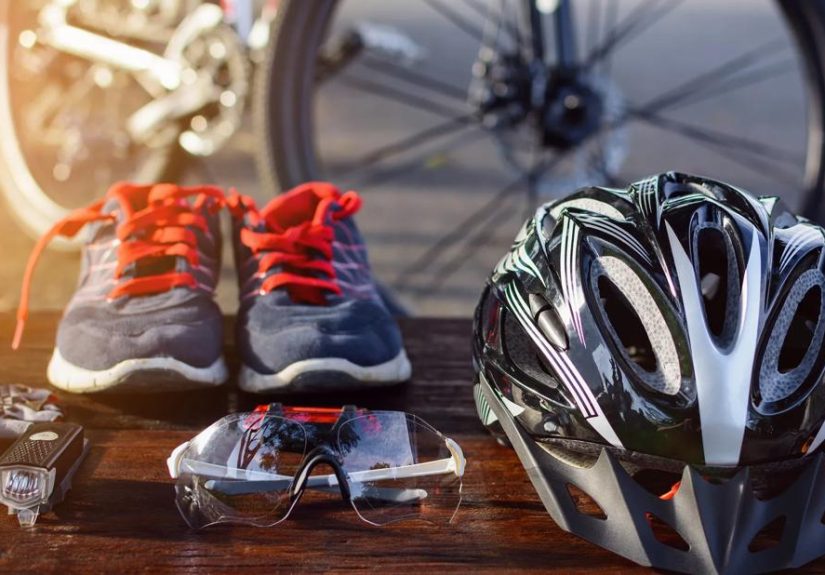
If you buy only one cycling accessory, make it a helmet. This is the undisputed heavyweight champion of bike safety gear. A good bike helmet should fit low and level on your forehead, feel snug without being headache-inducing, and stay in place without wobbling around like it has its own itinerary.
Look for a bicycle helmet made to meet U.S. safety standards, and do not choose based on looks alone. Yes, the aerodynamic one makes you look fast. But if it pinches like a medieval torture device, you will “accidentally” leave it at home. Comfort matters because the helmet you actually wear beats the perfect helmet sitting in your hallway.
2. A Bright Front Light
A front light is not just for late-night riders. It is also one of the smartest ways to stay visible in low light, cloudy weather, fog, shaded bike paths, and those awkward early morning hours when the sun has technically shown up but has not started trying yet.
For commuting and city riding, choose a light that is easy to recharge, easy to mount, and bright enough to help others notice you. If you ride on darker roads or trails, upgrade to something powerful enough to actually illuminate the route ahead rather than just announce your existence to squirrels.
3. A Reliable Rear Light
Your rear light is the tiny red bodyguard working behind the scenes. It helps drivers and other riders spot you sooner, especially in traffic or poor visibility. A blinking rear light is especially useful in busy environments where you need to stand out from the background clutter of signs, brake lights, and general urban chaos.
Rechargeable models are convenient, and long battery life matters. A rear light that dies halfway through your ride is basically a decorative suggestion.
4. Reflective Gear or High-Visibility Accessories
Lights are essential, but reflective and high-visibility gear adds another layer of protection. A reflective vest, ankle bands, shoe clips, or reflective details on clothing can help you stand out when daylight fades or weather gets messy.
Ankle straps are especially underrated. They keep your pant leg out of the chain and often include reflective material, which is the rare accessory that solves two problems while asking almost nothing in return. That is efficiency you can admire.
5. A Secure Bike Lock
If your bike leaves your sight, even briefly, a lock moves from “nice to have” to “please be serious.” For most riders, a sturdy U-lock or heavy-duty chain lock is the smarter choice. Cable locks are lightweight and convenient, but on their own they are generally better for low-risk, very short stops than full security.
A good setup often combines a U-lock for the frame with a cable for removable parts like a front wheel or saddle. Think of it this way: your lock should make a thief look at your bike and decide to go bother someone else. Harsh, but effective.
6. A Water Bottle and Bottle Cage
Hydration should not require acrobatics. A bike water bottle and cage keep fluids within easy reach so you can drink regularly without stopping every time your throat starts sending complaints to management.
Even shorter rides can feel harder when you are underhydrated, and longer rides make regular drinking even more important. One bottle may be enough for a quick spin, while hotter weather, longer distances, or touring often call for two. Your legs may be the stars of the ride, but water is the producer quietly making the whole thing possible.
7. A Mini Pump or CO2 Inflator
At some point, every cyclist learns the ancient lesson of the flat tire. A mini pump gives you independence, while a CO2 inflator gives you speed. The best choice depends on your riding style. A mini pump is reusable and dependable. A CO2 inflator is quicker and smaller, though you need cartridges and a little practice.
Many experienced riders carry one or the other, and some carry both. Because nothing ruins a nice ride faster than staring at a limp tire and realizing your emergency plan is mostly optimism.
8. A Spare Tube
A spare tube is the classic get-out-of-trouble accessory. Yes, patch kits exist, and yes, they are useful. But when you are roadside, sweaty, and suspiciously close to being eaten by mosquitoes, swapping in a spare tube is often the faster move.
The key is buying the correct size and valve type for your bike. Keep the spare packed neatly in a saddle bag or frame bag, and replace it after use so you are not carrying an empty promise on future rides.
9. Tire Levers
Tire levers are tiny, inexpensive, and shockingly powerful. They make it much easier to remove a stubborn tire from the rim without turning the job into a finger-strength competition you did not train for.
You usually need just two or three, and they weigh almost nothing. This is the kind of accessory riders forget until the exact moment they desperately need it. In other words, classic cycling behavior.
10. A Cycling Multi-Tool
A solid cycling multi-tool can rescue a ride in minutes. Loose saddle? Handlebar adjustment? Bottle cage bolt trying to escape? Multi-tool to the rescue. Look for one with the Allen wrench sizes your bike actually uses, and bonus points if it includes a chain tool for longer or more remote rides.
This is not about turning the roadside into a full-service workshop. It is about making quick, practical fixes that get you home safely without having to explain why your seat was suddenly pointing at the moon.
11. A Saddle Bag or Frame Bag
Once you start carrying useful things, you need somewhere to put them. A saddle bag or small frame bag keeps your repair essentials organized and attached to the bike instead of stuffed into random pockets like a cycling-themed scavenger hunt.
A compact bag can hold a spare tube, tire levers, a mini-tool, and maybe a patch kit or CO2 cartridge. For commuters or long-distance riders, larger frame bags can carry snacks, a battery pack, or an extra layer. Clean, practical, and far better than hearing a pump rattle around in your backpack like maracas.
12. Fenders
Fenders are not glamorous. Neither is a stripe of cold road grime up your back. Coincidence? Absolutely not.
If you ride in wet weather, through puddles, or on roads that stay damp long after rain, fenders are incredibly useful. They help shield you from spray, keep grit off the bike, and make commuting far more civilized. Full-length fenders offer the best coverage, while clip-on models are handy if you want something removable. Either way, they are a quiet upgrade with a loud effect.
13. Cycling Gloves
Gloves do more than complete the “serious rider” look. They improve grip, absorb some road buzz, protect your palms in a fall, and make long rides more comfortable. In cold weather, they are obvious. In warm weather, they are still smart.
Padded gloves can reduce hand fatigue on rough pavement, while full-finger gloves are popular for trail riding and cooler days. If your rides tend to end with numb hands or sweaty palms sliding around the bars, gloves deserve a promotion on your shopping list.
14. Eye Protection
Good cycling glasses are not just about looking fast enough to frighten your local coffee shop line. They protect your eyes from sun glare, wind, dust, road spray, insects, and the occasional mystery particle that appears to have been launched by physics itself.
Clear lenses work well in low light, while tinted lenses help in bright conditions. The goal is not fashion, even if fashion happens. The goal is keeping your vision sharp and your eyes comfortable so you are focused on the road instead of blinking through tears because a bug picked the wrong moment to introduce itself.
How to Choose the Right Cycling Accessories
The smartest way to buy cycling accessories is to match them to the kind of riding you actually do, not the version of you who apparently spends every weekend crossing mountain ranges at sunrise. A daily commuter should prioritize lights, a lock, fenders, and practical storage. A weekend road rider may care more about hydration, flat-fix tools, gloves, and eyewear. Trail riders may lean harder into gloves, eye protection, hydration packs, and compact repair gear.
It is also wise to start with the essentials and build from there. Begin with safety and flat-repair basics. Add weather protection and comfort upgrades next. Then add convenience items once your core setup is dialed in. That approach saves money, avoids clutter, and keeps your bike from becoming a rolling garage sale.
Final Thoughts
The best accessories for cycling are the ones that make you safer, more visible, more prepared, and more likely to enjoy the ride enough to do it again tomorrow. You do not need to buy everything at once, and you do not need a touring-level loadout for a trip to the corner store. But a few smart upgrades can completely change how confident and comfortable you feel on the bike.
If you are building your kit from scratch, start with the helmet, lights, lock, hydration, and flat-fix essentials. Then add comfort and weather accessories as your riding habits become clearer. Your future self, stranded less often and sprayed less dramatically, will be deeply grateful.
Real-World Experience: What These Accessories Actually Change on the Road
There is a huge difference between reading about cycling accessories and actually riding with them. On paper, a rear light sounds like a small red gadget. On the road, it feels like confidence. You pull into traffic a little calmer. You know drivers have a better chance of spotting you sooner. That peace of mind is hard to measure, but you absolutely notice it.
I have also learned that the “I’m only going out for a short ride” mindset is where bad decisions go to flourish. That is exactly how people end up leaving behind a pump, skipping a water bottle, or deciding that a lock is unnecessary because they will “just be one minute.” Cycling has a funny habit of punishing optimism with precision. The quick coffee stop turns into a line out the door. The short ride becomes longer because the weather is perfect. Then your bike is unlocked, your throat is dry, and the tire that looked fine at home suddenly has the emotional stability of a soap bubble.
One of the clearest lessons comes from riding in mixed conditions. On dry days, it is easy to underestimate fenders. Then you ride after a light rain and finish with a muddy stripe up your back like your bike signed you with a dirty autograph. Fenders do not seem exciting when you buy them, but in the moment they feel downright luxurious.
The same goes for gloves and eye protection. Neither accessory gets the spotlight the way helmets and lights do, but both quietly improve the ride. Gloves help on longer routes when your hands get tired or sweaty. Glasses save you from windburn, road grit, and the bug that apparently trained all week for a direct hit to your eyeball. Once you have had one ride ruined by debris in your eye, you stop treating glasses like optional style points.
Repair tools tell a similar story. A spare tube, tire levers, and a mini pump look small and unimpressive in a saddle bag. Then you flat three miles from home and those little items suddenly become the smartest things you own. Riders who carry basic repair gear are not paranoid; they are just done learning the same lesson the expensive way.
What surprised me most over time is how these accessories change your attitude as much as your setup. With the right gear, you ride more often. You take the longer loop. You leave earlier. You worry less. Your bike feels less like a fragile hobby and more like dependable transportation or a reliable fitness tool. That shift matters.
So yes, cycling accessories can look like a shopping list. But out on the road, they feel more like freedom. Freedom to keep riding when the weather changes, when the sun drops, when a tire goes soft, or when your route gets longer than planned. And honestly, that is the whole point. The more prepared you are, the more fun the bike becomes. And a fun bike is a bike that actually gets ridden.