Table of Contents >> Show >> Hide
- Why Certain Foods Help With Constipation
- The 15 Best Healthy Foods That Help You Poop
- How to Make These Foods Work Better
- Foods That Help You Poop: A Simple One-Day Example
- When Food Might Not Be Enough
- Real-World Experiences: What People Often Notice When They Start Eating for Better Poops
- Conclusion
Let’s talk about the glamorous side of wellness: pooping. Not exactly dinner-table conversation, unless your family is very honest or very weird. But if you’re constipated, bathroom drama suddenly becomes the main character in your life. You drink water, pace around the kitchen, make suspicious deals with your digestive system, and start treating the toilet like a part-time job.
The good news is that food really can help. Many healthy foods support bowel regularity by adding fiber, holding water in stool, feeding beneficial gut bacteria, or gently encouraging movement through the digestive tract. In plain English: they help things move along without turning your breakfast into a chemistry experiment.
This article covers 15 healthy foods that help you poop, why they work, and how to eat them without accidentally going from “a little backed up” to “my stomach is composing protest music.” It focuses on foods that fit a balanced diet, not miracle cures. If constipation is persistent, severe, or comes with bleeding, unexplained weight loss, fever, vomiting, or strong abdominal pain, it’s time to call a healthcare professional rather than wage solo war with a bag of prunes.
Why Certain Foods Help With Constipation
Most constipation-friendly foods work because they do one or more of these things:
- Add bulk to stool with soluble or insoluble fiber.
- Pull in or hold water, which makes stool softer and easier to pass.
- Feed beneficial gut bacteria, which may help bowel regularity over time.
- Replace low-fiber, ultra-processed foods that tend to slow things down.
One important note before you sprint toward the produce aisle: more fiber is helpful, but too much too fast can backfire. A sudden jump in fiber may leave you bloated, gassy, and convinced your abdomen has started a brass band. Increase fiber gradually and drink enough fluids so the fiber can actually do its job.
The 15 Best Healthy Foods That Help You Poop
1. Prunes
Prunes are the all-stars of the constipation conversation, and honestly, they’ve earned it. They contain fiber, but that’s not their only trick. Prunes also naturally contain sorbitol, a sugar alcohol that can help draw water into the colon. That combination makes stool softer and easier to move.
If you’ve been avoiding prunes because they feel like “old people food,” consider this your rebrand moment. Chop them into oatmeal, blend them into a smoothie, or eat a small serving on their own. They’re not flashy, but neither is a functioning plumbing system, and yet here we are appreciating both.
2. Kiwi
Kiwi has quietly become one of the most talked-about fruits for bowel regularity. It contains fiber and natural compounds that may support digestion and help stool move through the colon more comfortably. Many people find kiwi gentler than heavier fiber bombs, which is good news if your gut gets dramatic easily.
Eat it as a snack, slice it into yogurt, or add it to fruit salad. Green kiwi and golden kiwi can both fit the bill. Bonus: it tastes like something that belongs at a spa, not in a “please let me poop” emergency plan.
3. Pears
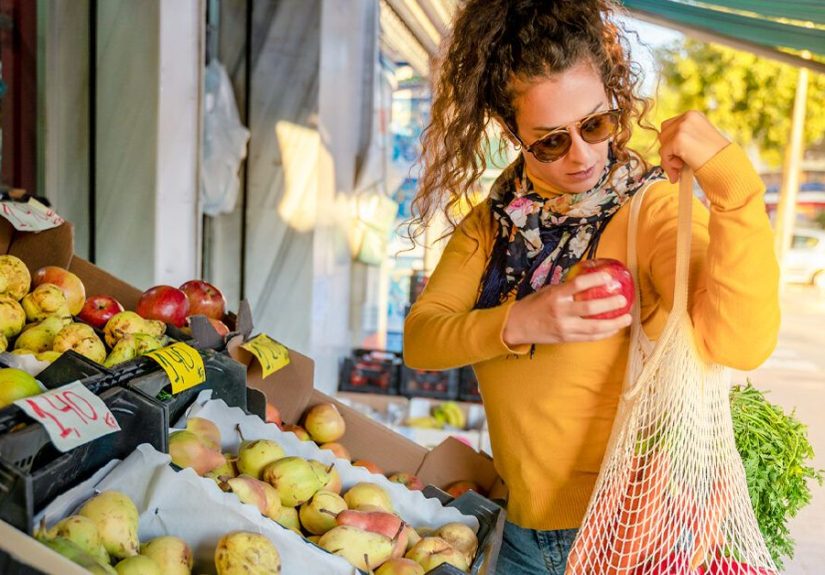
Pears are excellent when constipation relief meets everyday practicality. They’re rich in fiber, especially if you eat the skin, and they also contain sorbitol. That double-action effect makes them a smart, easy fruit to keep in regular rotation.
Pears work well fresh, sliced over oatmeal, or paired with nut butter for a snack. If you peel them, you lose some of the fiber benefit, so whenever your stomach tolerates it, keep the skin on.
4. Apples With the Skin On
An apple a day may not solve all your life problems, but it can absolutely help your bathroom schedule. Apples provide fiber, and much of that fiber lives in the skin. They’re also easy to eat consistently, which matters more than one heroic serving of lentils followed by three days of digestive regret.
Try apples chopped into overnight oats, eaten with peanut butter, or sliced into salads. Just don’t turn them into sugary apple dessert and call it digestive medicine. Nice try.
5. Berries
Raspberries, blackberries, strawberries, and blueberries are small but mighty. Berries are naturally high in fiber compared with many other fruits, and they’re easy to add to meals without much effort. They’re also loaded with nutrients, which means they help your health in ways that go beyond the bathroom.
Top your cereal or yogurt with berries, toss them into smoothies, or keep frozen berries on hand for convenience. Raspberries and blackberries are especially fiber-friendly choices.
6. Beans
Beans are one of the best foods for constipation because they deliver both soluble and insoluble fiber. Black beans, chickpeas, kidney beans, white beans, and navy beans all help add bulk and support movement through the digestive tract.
That said, beans can also cause gas, especially if you go from “barely any fiber” to “bean festival” in one weekend. Start with modest servings. Add them to soups, grain bowls, tacos, or salads. Your colon likes consistency more than chaos.
7. Lentils
Lentils deserve their own spotlight. They’re technically legumes, yes, but they’re so practical and affordable they merit a separate fan club. Lentils are packed with fiber and fit into everything from soups to curries to pasta sauces.
If you’re looking for a healthy food that helps you poop and also makes your lunch feel surprisingly responsible, lentils are a great place to start. They’re especially helpful for people trying to eat more plant-based meals without sacrificing satisfaction.
8. Chia Seeds
Chia seeds are tiny, but once mixed with liquid they swell and form a gel. That gel-like quality, plus their fiber content, can help add bulk and softness to stool. Think of chia as the quiet overachiever of the breakfast world.
Add chia seeds to oatmeal, smoothies, yogurt, or chia pudding. Start small rather than dumping half the bag into a mason jar like you’re trying to grout a bathroom floor. Fiber still needs an introduction.
9. Ground Flaxseed
Ground flaxseed is another digestive favorite. It provides fiber and mixes easily into foods you already eat. Ground flax tends to be more useful than whole flaxseed because your body can access it more easily.
Stir it into oatmeal, yogurt, pancakes, or smoothies. The taste is mild, the texture is manageable, and the payoff can be impressive when used consistently. It’s one of those ingredients that makes you feel like a person who has their life together, even if your sock drawer says otherwise.
10. Oatmeal
Oatmeal is comforting, affordable, and actually helpful for constipation. Oats contain soluble fiber, which helps hold water in the stool and support smoother passage. It’s also a gentle entry point for people who need to increase fiber without starting with a giant raw kale mountain.
Choose less processed oats when you can, and top them with fruit, chia, flax, or prunes for an even stronger gut-friendly breakfast. A bowl of oatmeal may not be glamorous, but it’s dependable, and that’s a beautiful quality in both breakfasts and bowel movements.
11. Bran Cereal or Whole-Grain Bran Foods
Bran is famous for bowel regularity for a reason. Wheat bran and bran cereals can supply a strong dose of insoluble fiber, which helps move food through the digestive tract. For some people, this is the nudge their system really needs.
Check labels and choose cereals with solid fiber content and less added sugar. If bran cereal feels too aggressively “health retreat gift shop,” sprinkle bran into yogurt or mix it into oatmeal instead.
12. Leafy Greens
Spinach, kale, collard greens, and other leafy vegetables bring fiber, water, and a range of nutrients to the table. They also support a healthier gut environment overall, which is a fancy way of saying your intestines appreciate vegetables even when your inner child does not.
Add greens to omelets, soups, grain bowls, wraps, or smoothies. Cooked greens may be easier to tolerate than massive raw salads if your stomach is sensitive.
13. Broccoli
Broccoli is another fiber-rich vegetable that can support regularity. It also has the advantage of being easy to add to meals you already make, from pasta and stir-fries to sheet-pan dinners.
If raw broccoli leaves you feeling like a balloon with opinions, try it cooked. Roasting or steaming can make it easier on the digestive system while still preserving its fiber benefits.
14. Sweet Potatoes
Sweet potatoes, especially with the skin on, offer fiber and a satisfying texture that makes them a smart side dish when constipation is the problem. They’re also easier to love than some “eat this for your gut” advice that sounds like punishment.
Bake one, mash one, or cube and roast one. Pair it with beans, greens, or yogurt-based sauces and you’ve built a meal that supports regularity without feeling like a medical intervention.
15. Yogurt or Kefir With Live Cultures
Not every helpful food for constipation is all about fiber. Yogurt and kefir can contribute beneficial live cultures that support gut health. They’re not magic, and they don’t help everyone equally, but some people notice better regularity when fermented dairy foods are part of the routine.
Choose options with live and active cultures, and go easy on versions loaded with added sugar. Pair yogurt with berries, kiwi, chia, or flax for a genuinely excellent constipation-friendly breakfast or snack.
How to Make These Foods Work Better
Eating one kiwi and expecting a dramatic overnight transformation is a little like doing one squat and expecting superhero legs. Helpful? Sure. Miraculous? Usually not. For the best results, combine these foods with a few smart habits:
- Increase fiber gradually. Give your gut time to adjust.
- Drink enough fluids. Fiber without fluid can make constipation worse.
- Move your body. Walking and regular activity can help bowel motility.
- Don’t ignore the urge to go. Your colon is not a fan of being ghosted.
- Build meals, not miracles. Regularity usually comes from a pattern, not a single superfood.
Foods That Help You Poop: A Simple One-Day Example
Need a practical picture? Here’s what a constipation-friendly day might look like:
- Breakfast: Oatmeal with chia seeds, ground flaxseed, berries, and sliced kiwi.
- Snack: A pear and a glass of water.
- Lunch: Lentil soup with a side salad of leafy greens and broccoli.
- Snack: Plain yogurt with prunes chopped in.
- Dinner: Black bean bowl with roasted sweet potato and sautéed spinach.
That’s not a cleanse. It’s not a detox. It’s just a sensible way to eat if your digestive system has been moving like it’s stuck in traffic.
When Food Might Not Be Enough
Food can help a lot with mild or occasional constipation, but it’s not the whole story for everyone. Chronic constipation can be linked to medications, pelvic floor issues, thyroid problems, irritable bowel syndrome, neurological conditions, dehydration, travel, inactivity, and more.
Get medical help if constipation is severe, keeps coming back, or shows up with red-flag symptoms such as rectal bleeding, blood in stool, ongoing abdominal pain, vomiting, fever, unintentional weight loss, or difficulty passing gas. That is not the moment to heroically eat another bran muffin and hope for the best.
Real-World Experiences: What People Often Notice When They Start Eating for Better Poops
One of the most common experiences people describe is surprise. Not because prunes suddenly become thrilling, but because the fix often turns out to be less dramatic than expected. Many people assume constipation requires a medication or some extreme health reboot, when in reality the first meaningful improvement often comes from doing a few boring things very consistently: more fiber-rich foods, more fluids, more movement, less “I’ll go later.” It is deeply unsexy advice, which is probably why it works.
A typical story starts with someone feeling sluggish, bloated, and vaguely betrayed by their own body. They may be eating “healthy” in a general sense but still skipping fiber most of the day. Breakfast is coffee. Lunch is something beige. Dinner includes one decorative vegetable that appears to be there mostly for color. Then constipation shows up, and suddenly they’re online at 11:47 p.m. searching for answers with the intensity of a detective in a crime show.
When people begin adding foods like oatmeal, kiwi, berries, beans, sweet potatoes, or yogurt with chia seeds, the first lesson is usually that consistency matters more than heroics. A giant fiber-packed meal once a week rarely saves the day. But smaller daily habits often do. For example, many people notice that a fiber-rich breakfast changes everything. Starting the day with oatmeal, fruit, and seeds is very different from starting with nothing but caffeine and ambition.
Another common experience is the awkward adjustment period. This is the part no one romanticizes. If someone jumps from very low fiber to very high fiber overnight, they may feel gassy, crampy, or bloated for a few days. That doesn’t necessarily mean the foods are “bad.” It often means the increase was too fast or fluid intake didn’t keep up. People who succeed long term usually learn to scale up gradually. Their digestive system appreciates being treated like a living organ and not a junk drawer.
There’s also the practical side. Real people tend to stick with foods that are easy. Beans from a can. Frozen berries. Microwaveable oatmeal. A pear tossed into a bag before work. Yogurt with flaxseed. Roasted sweet potatoes made in batches. The most effective constipation-friendly diet is not the most impressive one on social media. It is the one you will actually eat on a random Tuesday when you are tired and not interested in spiralizing anything.
Travel is another big theme. People often notice that regularity disappears the minute they leave home. Planes, hotel breakfasts, schedule changes, and dehydration can turn even a normally reliable digestive system into a confused intern. In those moments, familiar foods can help: oatmeal, fruit, water, yogurt, beans, and walking whenever possible. No one wants to spend a vacation discussing bowel habits, yet somehow adulthood keeps offering that opportunity.
Finally, many people describe a mental shift once they start eating for regularity. They stop seeing pooping as a weird emergency and start seeing it as feedback. If vegetables vanish, water intake drops, and meals become ultra-processed, the body often says, “Excuse me, absolutely not.” On the flip side, when meals include fiber-rich foods, enough liquids, and a little movement, the body often responds with blessed normalcy. And in the world of digestion, normal is not boring. Normal is luxury.
Conclusion
If you want to know what foods help you poop, the answer is less about one magical cure and more about building a gut-friendly pattern. Prunes, kiwi, pears, apples, berries, beans, lentils, chia seeds, flaxseed, oatmeal, bran, leafy greens, broccoli, sweet potatoes, and yogurt or kefir all bring something useful to the table. Some add bulk. Some soften stool. Some support the microbiome. Together, they make a strong lineup for healthier digestion.
The best approach is simple: eat more plant foods, increase fiber slowly, drink enough fluids, and keep moving. Your digestive system does not need perfection. It just wants a little consistency, a little hydration, and fewer meals built entirely from convenience and denial. Treat it well, and it may finally stop acting like a moody roommate.