Table of Contents >> Show >> Hide
- Before You Reuse Coffee Grounds: Quick Prep and Safety
- Garden and Compost: Where Coffee Grounds Shine (When You Use Them Smart)
- 1) Add Them to Compost as a “Green” Ingredient
- 2) Help Your Compost Pile Heat Up (and Work Faster)
- 3) Feed a Worm Bin (Vermicomposting Bonus)
- 4) Use Compost-Processed Grounds as a Soil Amendment
- 5) Make “Micro-Doses” for Garden Beds (Not a Thick Blanket)
- 6) Use Them as a Mulch Booster (Only in Thin Layers)
- 7) Try a Coffee-Based Slug DeterrentWith Realistic Expectations
- Cleaning and Deodorizing: Coffee Grounds = Tiny, Useful Scrubbers
- 8) Deodorize the Fridge or Freezer
- 9) Freshen a Stinky Trash Can
- 10) Deodorize Shoes or Gym Bags
- 11) Remove Garlic/Fish/Onion Smell from Hands
- 12) Scrub Pots, Pans, and Stovetops (Abrasive, Not ScratchyIf You’re Careful)
- 13) Clean Grill Grates or Baked-On Grease (The “Outdoor” Version of #12)
- 14) Lift Stains Inside Mugs and Coffee Cups
- DIY Beauty and Self-Care: A Little Spa Energy, Minus the Price Tag
- Bonus Crafty Moves (If You Want Coffee Grounds to Do Arts and Crafts Too)
- What It’s Like to Put Coffee Grounds to Work (Real-World Experience Notes)
- Conclusion
Your coffee already clocked in, did its job, and still has enough hustle left to earn a second paycheck. Used coffee grounds (aka “spent coffee grounds”) are gritty, absorbent, and surprisingly handyespecially if you’re trying to cut waste without turning your home into a crunchy science experiment. Below are 16 creative, genuinely useful ways to reuse coffee grounds in the garden, around the house, and in DIY projectsplus the real-world “what it’s actually like” section at the end so you can skip the rookie mistakes.
Before You Reuse Coffee Grounds: Quick Prep and Safety
- Dry them first for most indoor uses. Spread grounds on a baking sheet or plate and air-dry. Dry grounds are less likely to get funky and work better as deodorizers.
- Don’t send them down the drain. Coffee grounds are a classic clog-starter in sinks and garbage disposalstreat them like sand, not soap.
- Pet safety matters. Coffee/caffeine can be harmful to cats and dogs. If you’re deodorizing shoes or a trash can, keep grounds somewhere pets can’t access.
- Garden rule: moderation beats megadoses. Thick layers can crust over, limit airflow/water movement, and may temporarily tie up nitrogen as they break down.
- Skin rule: body & hands, yesface, be careful. Grounds can be too abrasive for facial skin, especially if you’re sensitive or acne-prone.
Garden and Compost: Where Coffee Grounds Shine (When You Use Them Smart)
1) Add Them to Compost as a “Green” Ingredient
Coffee grounds are a solid compost add-in because they contribute nitrogen and organic material that feeds the microbes doing the heavy lifting. The key is balance: pair grounds with “browns” like shredded leaves, cardboard, or paper so the pile doesn’t turn into a wet, smelly brick. If you’re stockpiling café grounds, mix them through the pile instead of dumping them in one dramatic mound.
2) Help Your Compost Pile Heat Up (and Work Faster)
A healthy, active compost pile warms up because microbes are partying hard. Grounds can support that “hot compost” momentum when mixed properly with browns. Translation: faster breakdown, fewer “mystery chunks,” and compost that looks more like rich soil and less like yesterday’s salad.
3) Feed a Worm Bin (Vermicomposting Bonus)
Worm bins can handle coffee grounds in modest amounts, and many worm composters like how grounds blend into the bedding. Start small (a thin sprinkle, not a latte avalanche), bury them under bedding, and watch the bin’s moisturegrounds can hold water and change the texture fast. If your bin starts smelling sour or gets extra soggy, pull back and add dry bedding.
4) Use Compost-Processed Grounds as a Soil Amendment
Here’s the honest truth: coffee grounds aren’t magical fertilizer dust. They’re best after composting, when the nutrients become more plant-available and the material turns into crumbly organic matter. That compost improves soil structure and can help with moisture managementespecially if your soil is sandy and drains like it’s late for an appointment.
5) Make “Micro-Doses” for Garden Beds (Not a Thick Blanket)
If you want to use grounds directly in the garden, think “seasoning,” not “main course.” Lightly work a small amount into the top couple inches of soil or sprinkle thinly and mix with other organic material. Avoid piling grounds around seedlings or seedbeds; a heavy application can interfere with germination and early growth.
6) Use Them as a Mulch Booster (Only in Thin Layers)
Grounds can function like a mulch additive when used sparinglymixed into leaf mulch or compost, not laid down like a dark carpet. A thin dusting is fine; a thick mat can compact, crust, and block water and airflow. If you see a solid layer forming, fluff it up or mix it into existing mulch.
7) Try a Coffee-Based Slug DeterrentWith Realistic Expectations
Slugs and snails hate a lot of things, including losing. Research-based guidance often points more toward diluted coffee (a caffeine solution) as a deterrent than simply sprinkling grounds, and even then you should test on a small area first to avoid plant stress. If you go this route, treat it like an experiment: spot-test, observe, and don’t assume it replaces proven pest strategies (hand-picking, barriers, habitat changes).
Cleaning and Deodorizing: Coffee Grounds = Tiny, Useful Scrubbers
8) Deodorize the Fridge or Freezer
Dry grounds can help absorb and neutralize odors in enclosed spaces. Put completely dry grounds in a shallow bowl (or a breathable sachet) and tuck it on a shelf. Swap them out every couple of weeks, or sooner if the fridge smell could qualify as a separate life form.
9) Freshen a Stinky Trash Can
Sprinkle a thin layer of dry grounds at the bottom of the can (under the liner) to help cut odor. This is especially helpful for “summer trash” situations. Just remember: moisture turns grounds into paste, so refresh them when you change the bag, and don’t let them sit wet for weeks.
10) Deodorize Shoes or Gym Bags
Coffee grounds can act like a DIY odor absorber. Put dry grounds into an old sock, tie it off, and place it in shoes or a gym bag overnight. It’s a low-effort trick that works best for “everyday funk,” not for shoes that have survived three rainy seasons and a questionable life choice.
11) Remove Garlic/Fish/Onion Smell from Hands
Ever chopped garlic and then wondered if you’ll smell like an Italian restaurant until graduation? Rub a pinch of used grounds (with soap and water) over your hands, then rinse well. Grounds provide gentle abrasion and can help neutralize lingering odors.
12) Scrub Pots, Pans, and Stovetops (Abrasive, Not ScratchyIf You’re Careful)
Grounds are gritty, so they can help lift stuck-on food. Add a small pinch to a soapy sponge and scrub. Avoid this on surfaces that scratch easily (some nonstick coatings, delicate glass cooktops) and always test a small area first. Think “stainless steel rescue,” not “polish your grandma’s heirloom pan.”
13) Clean Grill Grates or Baked-On Grease (The “Outdoor” Version of #12)
For grill grates with stubborn residue, grounds can add a little extra bite to your scrubbing power. Use a wet sponge with a small amount of grounds, scrub, then rinse thoroughly. If you soak grates, keep the grounds in the water minimal so cleanup doesn’t turn into “mud management.”
14) Lift Stains Inside Mugs and Coffee Cups
If tea/coffee tannins have painted the inside of your favorite mug a shade called “office breakroom beige,” grounds can help scrub those stains away. Add a teaspoon of damp grounds and a little water, scrub gently with a cloth or paper towel, then rinse. It’s oddly satisfyinglike pressure-washing, but for dishware.
DIY Beauty and Self-Care: A Little Spa Energy, Minus the Price Tag
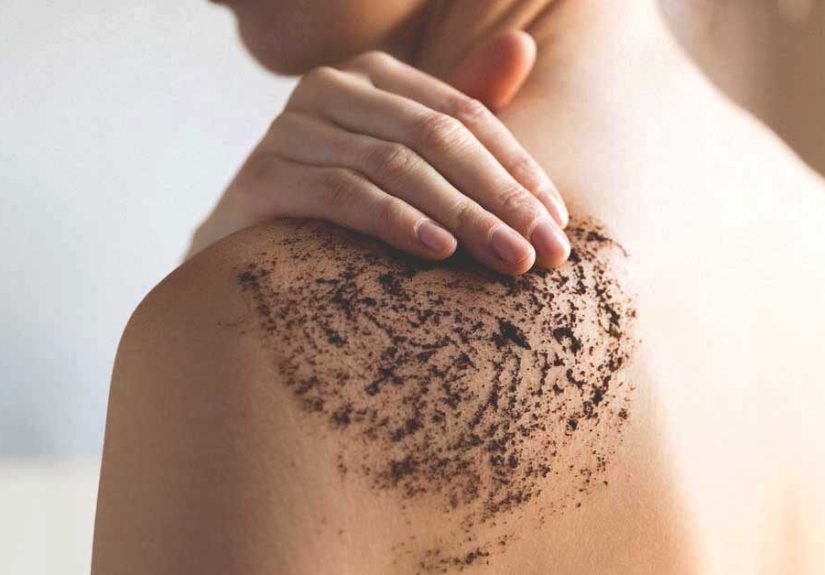
15) Make a Body Scrub (Best for Arms/LegsSkip the Face if You’re Sensitive)
Mix used grounds with a skin-friendly base like honey or coconut oil for a simple body scrub. Use gentle pressure, rinse well, and moisturize afterward. Avoid broken skin, and be cautious on your face: grounds can be too rough for facial skin and may irritate sensitive areas.
16) Add Texture to Homemade Soap
Coffee grounds in soap add exfoliating texture and a warm, speckled look. This is great for “mechanic hands,” gardening hands, or anyone who touched something sticky and now regrets every decision. Use a modest amount so the bar still holds together and doesn’t feel like sandpaper.
Bonus Crafty Moves (If You Want Coffee Grounds to Do Arts and Crafts Too)
Want even more ways to use used coffee grounds? Here are a few extra ideas you can rotate in seasonally or when your “grounds jar” starts multiplying:
- Natural dye for paper/fabric/Easter eggs: Brew grounds in hot water to create a sepia-toned dye bath. It’s great for vintage-looking crafts and school projects.
- Wood scratch camo (dark wood): Make a paste with grounds + a bit of water (or a tiny amount of oil), dab into scratches, wipe, and buffspot-test first.
- Fireplace ash dust control: If you have a fireplace, damp grounds sprinkled over cold ashes can help keep dust down while you sweep.
What It’s Like to Put Coffee Grounds to Work (Real-World Experience Notes)
Reusing coffee grounds sounds delightfully simpleuntil you realize you’ve accidentally grown a science fair project in a jar. Here’s what people typically notice when they actually try these ideas at home, plus the small adjustments that make the difference between “wow, that worked” and “why is my fridge smelling like damp café carpet?”
First, the drying step is the secret handshake. Fresh used grounds are wet and clumpy, which is perfect for compost but not great for deodorizing. If you put damp grounds in a bowl in the fridge, you may get a musty smell instead of a clean one. The fix is easy: spread them thin, let them air-dry, and store them in a jar with the lid slightly loose until they’re fully dry. Once dry, they behave more like baking sodajust with a coffee vibe.
In the garden, the most common “aha” moment is learning that coffee grounds aren’t a direct fertilizer shortcut. When someone dumps a thick ring of grounds around plants expecting instant growth, they’re often disappointedand sometimes the soil surface crusts up. The better experience comes from mixing grounds into compost or blending small amounts into mulch. The results feel gradual: the soil gets a little fluffier over time, and compost texture improves. If your compost pile tends to stall or smell weird, adding grounds helps only if you also add enough browns. Grounds without browns can turn into a dense, wet layer that’s tough for air to penetrate.
For deodorizing hands, coffee grounds are one of those “why didn’t I do this sooner?” tricksespecially after chopping garlic or handling fish. The experience is best when you use a small pinch, not a handful, and rinse thoroughly so you don’t smell like espresso soap. People usually report the odor reduction is noticeable, but not always total if the smell is intense. Pairing grounds with regular soap improves the result.
With scrubbing cookware, the difference is in restraint. A little goes a long way. If you dump grounds directly into a pan, you’ll spend extra time rinsing gritty residue. But if you add a pinch to a soapy sponge, it feels like a gentle “boost” that helps lift stuck-on bits. It’s especially satisfying on stainless steel and grill grates. The caution many learn quickly: some surfaces scratch. A quick spot-test saves regrets.
The DIY body scrub experience is usually: soft skin, messy shower. Grounds + oil can make the tub slippery, so most people find it works best when they keep the mixture thicker, use it near the end of a shower, and rinse the tub right after. And while the internet loves face scrubs, many discover their face does not love being exfoliated with grit. Keeping grounds to hands and body is the safer, more comfortable route for most.
The big takeaway: coffee grounds are amazing when you treat them like a supporting actor, not the main character. Small amounts, good drying, smart mixing, and a quick test run turn “used coffee waste” into a genuinely useful resource that saves money and keeps your trash a little lighter.
Conclusion
Used coffee grounds aren’t just yesterday’s caffeinethey’re a practical, low-cost material you can reuse for composting, odor control, gentle scrubbing, and DIY projects. The winning formula is simple: dry them for indoor uses, compost them for garden benefits, and use them in thin, sensible amounts. Do that, and your coffee gets a second life that’s honestly more productive than most group projects.