Table of Contents >> Show >> Hide
- What Does It Mean to Live off the Grid?
- 16 Practical Ways to Live off the Grid
- 1. Start With an Energy Audit
- 2. Choose Land Carefully
- 3. Build or Retrofit a Low-Energy Home
- 4. Install Solar Power
- 5. Add Battery Storage
- 6. Use Backup Power Wisely
- 7. Secure a Reliable Water Source
- 8. Store and Treat Water Properly
- 9. Harvest Rainwater Where Legal
- 10. Plan Wastewater and Sanitation
- 11. Grow a Productive Food Garden
- 12. Preserve Food for the Off-Season
- 13. Learn Off-Grid Heating and Cooling
- 14. Reduce, Repair, and Reuse
- 15. Build Communication and Emergency Plans
- 16. Create Income and Community
- Common Mistakes to Avoid When Going Off-Grid
- Real-Life Experience: What Off-Grid Living Teaches You
- Conclusion
Living off the grid sounds romantic: fresh air, starry nights, no utility bill glaring at you like a judgmental owl. But the real version is less about disappearing into the woods and more about designing a life that can function independently, responsibly, and legally. Off-grid living means producing some or all of your own power, managing water and waste, growing or storing food, reducing consumption, and learning the practical skills that modern convenience quietly outsourced for us.
The good news? You do not need to become a mountain hermit with a beard full of pine needles. Many people start small: solar panels, rain barrels, a garden, a backup water supply, or a more efficient home. Others go further with a homestead, private well, composting systems, batteries, livestock, and a lifestyle built around resilience. Whether your dream is a remote cabin, a tiny home, a suburban resilience plan, or a full homestead, these 16 ways to live off the grid will help you build a smarter, safer, and more sustainable path.
What Does It Mean to Live off the Grid?
To live off the grid means reducing or eliminating dependence on public utilities such as electricity, municipal water, sewer systems, and sometimes even grocery supply chains. A fully off-grid home may rely on solar power, battery storage, a well, septic or composting toilets, wood heat, preserved food, and independent communication tools. A partially off-grid lifestyle may simply mean generating backup power, harvesting rainwater for the garden, growing vegetables, or preparing for outages.
The best off-grid lifestyle is not the most extreme one. It is the one that fits your climate, land, budget, local laws, physical abilities, and tolerance for chores. Because yes, off-grid living has chores. The grid may be invisible, but it does a lot of work. When you leave it, you become the utility company, water department, waste manager, maintenance crew, gardener, and occasionally the person yelling at a frozen pipe at 6 a.m.
16 Practical Ways to Live off the Grid
1. Start With an Energy Audit
Before buying solar panels or batteries, reduce your energy demand. This is the least glamorous step, which is exactly why it works. Seal air leaks, add insulation, use efficient lighting, choose energy-efficient appliances, and unplug energy vampires. The smaller your daily electricity load, the smaller and more affordable your off-grid power system can be.
For example, replacing old bulbs with LEDs, using a high-efficiency refrigerator, and weatherstripping doors can reduce the size of the solar array and battery bank you need. Think of efficiency as the “measure twice, buy fewer batteries” rule.
2. Choose Land Carefully
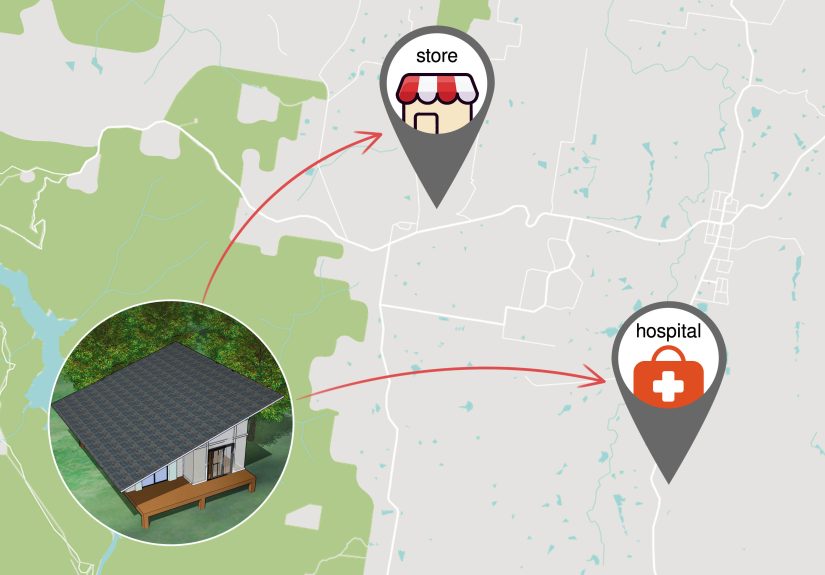
Off-grid success begins with location. Look at sun exposure, road access, soil quality, water availability, zoning rules, wildfire risk, flood risk, winter conditions, and distance from medical care. Cheap remote land can become expensive fast if you need to build a road, drill a deep well, haul materials, or fight mud every spring.
Before purchasing land, check county zoning, building codes, water rights, septic requirements, and restrictions on tiny homes, RV living, livestock, wells, and rainwater systems. The dream is freedom; the nightmare is buying land where you cannot legally do what you planned.
3. Build or Retrofit a Low-Energy Home
An off-grid home should be efficient before it is fancy. Passive solar design, proper insulation, airtight construction, shaded windows, durable roofing, and smart ventilation make a huge difference. A well-designed 900-square-foot cabin may be easier to power and heat than a drafty 2,500-square-foot house with more leaks than a gossip column.
If you already own a home, retrofit it gradually. Add insulation, improve windows and doors, seal ducts, upgrade appliances, and install ceiling fans. These improvements lower heating and cooling loads, which are often the biggest energy challenges in off-grid living.
4. Install Solar Power
Solar power is the backbone of many off-grid homes because it is scalable, quiet, and increasingly accessible. A basic off-grid solar system typically includes solar panels, charge controllers, batteries, an inverter, wiring, safety disconnects, and monitoring equipment. The system must be sized for your daily energy use, local sun conditions, seasonal changes, and backup needs.
Do not size a system based on wishful thinking. List every load: lights, refrigerator, well pump, internet, tools, cooking equipment, medical devices, fans, and winter needs. Then design for cloudy stretches, shorter winter days, and battery reserve. Solar is wonderful, but it is not magic. It will not run a mansion, three freezers, and a hot tub unless your budget also lives in a mansion.
5. Add Battery Storage
Batteries store solar power for nights, storms, and low-sun days. Without them, off-grid solar is like baking bread without an oven: technically related, but not very useful. Lithium batteries are popular because they are efficient and long-lasting, while lead-acid batteries are cheaper upfront but require more maintenance and usable capacity planning.
When choosing batteries, consider capacity, depth of discharge, temperature tolerance, cycle life, safety requirements, and replacement cost. Place batteries in a protected, ventilated, temperature-appropriate area. A good battery monitor is essential because guessing your battery level is like guessing how much gas is in a car while driving through the desert.
6. Use Backup Power Wisely
Even strong solar systems may need backup power during long storms, wildfire smoke, heavy snow, or unusual demand. Common options include propane generators, diesel generators, wind turbines, micro-hydro systems, and hybrid combinations. Generators should be used safely outdoors and away from windows, doors, and vents to prevent carbon monoxide poisoning.
A backup system should support critical loads first: refrigeration, water pumping, medical equipment, communication, and basic lighting. Design your system so you can live comfortably on less power when needed. Off-grid resilience is not about running everything all the time; it is about knowing what matters when the weather gets rude.
7. Secure a Reliable Water Source
Water is more important than power. You can read by lantern; you cannot drink good intentions. Off-grid homes often rely on private wells, springs, hauled water, rainwater collection, or a combination of sources. A private well can be excellent, but the owner is responsible for testing, treatment, and maintenance.
Test well water regularly for bacteria, nitrates, total dissolved solids, pH, and local contaminants of concern. If your water source is seasonal, shallow, or drought-sensitive, plan storage capacity and backup options. A beautiful property without dependable water is not a homestead; it is a campsite with paperwork.
8. Store and Treat Water Properly
Water storage gives you a buffer during droughts, pump failures, frozen pipes, contamination events, or equipment repairs. Use food-grade tanks, protect water from sunlight and heat, keep storage away from chemicals, and maintain a treatment plan. Filters, sediment screens, UV purification, boiling, chlorination, and reverse osmosis all serve different purposes depending on the water quality issue.
At minimum, keep emergency drinking water available. Many preparedness guidelines recommend at least one gallon per person per day for several days, with more for hot climates, illness, pets, or longer isolation. When living off-grid, “backup water” is not paranoia. It is Tuesday.
9. Harvest Rainwater Where Legal
Rain barrels and cisterns can collect roof runoff for gardens, orchards, livestock support, cleaning, or non-potable uses. Larger systems may include gutters, first-flush diverters, screens, storage tanks, pumps, and filters. Rainwater collection can reduce pressure on wells and help during dry spells.
However, rainwater laws vary by state and local jurisdiction. Some places allow simple barrels; others regulate storage volume or indoor use. Untreated roof runoff is not automatically safe to drink because it may contain bacteria, debris, bird droppings, or roofing contaminants. Use rainwater thoughtfully, legally, and with proper treatment if potable use is allowed.
10. Plan Wastewater and Sanitation
Off-grid sanitation must be safe, legal, and maintainable. Options may include a septic system, composting toilet, greywater system, outhouse, or permitted alternative wastewater system. Septic systems are common in rural areas, but they require correct placement, inspection, pumping, and protection from overload.
Keep septic systems away from wells according to local requirements, avoid flushing chemicals or grease, and inspect the system regularly. Composting toilets can reduce water use, but they require proper ventilation, temperature management, and responsible handling. Sanitation is not the place to “wing it.” Nature is forgiving about many things, but not about bad plumbing.
11. Grow a Productive Food Garden
A garden is one of the most satisfying ways to live off the grid, but it works best with planning. Start with soil testing, compost, mulch, crop rotation, pest management, and crops suited to your region. Raised beds can help with poor soil, while in-ground gardens may be better for larger production.
Grow calorie crops and kitchen staples, not just charming vegetables that look pretty in baskets. Potatoes, beans, winter squash, onions, garlic, greens, tomatoes, carrots, herbs, and fruit trees can make a real difference. A garden should feed you, not just impress Instagram for six minutes.
12. Preserve Food for the Off-Season
Food preservation turns a good harvest into year-round security. Freezing, dehydrating, fermenting, pickling, root cellaring, and canning all have a place. Use tested recipes and proper equipment, especially for pressure canning low-acid foods such as vegetables, meats, and soups.
Build a pantry around foods you actually eat: beans, rice, oats, pasta, flour, canned tomatoes, dried fruit, nut butters, shelf-stable milk, spices, oils, and comfort foods. A pantry full of mystery lentils and moral superiority will not help much if nobody in the house will eat them.
13. Learn Off-Grid Heating and Cooling
Heating and cooling can make or break off-grid comfort. Wood stoves, propane heaters, masonry heaters, passive solar design, mini-splits, solar thermal systems, ceiling fans, shade trees, thermal curtains, and earth-sheltered design can all help depending on climate.
Safety matters. Install smoke alarms and carbon monoxide detectors. Store firewood properly, clean chimneys, and use certified appliances. In hot climates, prioritize shade, ventilation, reflective roofing, insulation, and low-energy cooling strategies. The cheapest energy is the energy your home does not need.
14. Reduce, Repair, and Reuse
Off-grid living rewards people who can fix things. Learn basic carpentry, plumbing, electrical safety, sewing, tool maintenance, blade sharpening, small engine repair, and troubleshooting. Keep spare parts for pumps, filters, fuses, hoses, fittings, batteries, and critical tools.
Reducing consumption also lowers waste and supply runs. Buy durable goods, maintain equipment, repurpose materials, and avoid systems that require constant specialty parts. A simple, repairable setup often beats a fancy system that becomes useless when one proprietary widget fails.
15. Build Communication and Emergency Plans
Remote living requires reliable communication. Consider cell boosters, satellite internet, weather radios, two-way radios, backup chargers, and printed emergency contacts. Know evacuation routes, wildfire plans, storm shelters, first-aid basics, and how to reach neighbors or emergency services.
Keep an emergency kit with water, shelf-stable food, medications, flashlights, batteries, first-aid supplies, sanitation items, important documents, and backup heat or cooling plans. Off-grid living is not about pretending emergencies will not happen. It is about being less surprised when they do.
16. Create Income and Community
Money still matters off the grid. Property taxes, tools, parts, fuel, insurance, medical care, animal feed, internet, and repairs do not vanish because you own a compost bin. Build an income plan before moving far from town. Remote work, skilled trades, market gardening, crafts, repair services, teaching, consulting, and seasonal work can all support an off-grid lifestyle.
Community matters too. Neighbors can share tools, knowledge, labor, seeds, firewood leads, livestock help, and emergency support. The most resilient off-grid people are rarely lone wolves. They are more like practical squirrels with radios, good manners, and backup plans.
Common Mistakes to Avoid When Going Off-Grid
Trying to Do Everything at Once
Going off-grid is a system, not a shopping spree. Start with energy reduction, water security, legal research, and basic food storage. Add solar, gardens, livestock, and advanced systems in stages. This reduces expensive mistakes and gives you time to learn what actually works on your land.
Ignoring Local Laws
Building codes, zoning, septic permits, water rights, livestock rules, and fire regulations vary widely. Always check local requirements before installing systems or buying land. A legal off-grid setup may take more planning, but it protects your investment and your health.
Underestimating Maintenance
Solar panels need cleaning, batteries need monitoring, filters need changing, wells need testing, gardens need attention, and roads need upkeep. Off-grid systems are reliable only when maintained. The reward is independence; the price is responsibility.
Real-Life Experience: What Off-Grid Living Teaches You
The first lesson off-grid living teaches is that convenience has weight. In a city apartment, water arrives with a twist of the faucet, food waits in a glowing refrigerator, and electricity is so normal that people only notice it when the Wi-Fi sneezes. Off the grid, every comfort has a visible source. Lights come from panels, batteries, wires, and weather. Water comes from a well, pump, filter, tank, or barrel. Heat comes from wood you stacked, propane you budgeted, or insulation you wisely installed before winter decided to audition for a disaster movie.
That visibility changes behavior fast. You stop leaving lights on in empty rooms because you can almost hear the battery sigh. You think before opening the refrigerator during an outage. You learn that a five-minute shower can feel luxurious when water storage is limited. You begin to understand the difference between “need” and “that would be nice if the sun cooperates.” This is not deprivation; it is awareness. Oddly enough, awareness can feel like freedom.
The second lesson is that simple systems are beautiful. A gravity-fed water line, a well-organized pantry, a clean tool wall, a woodpile stacked before rain, a garden bed mulched deeply enough to survive hot weatherthese things become deeply satisfying. You may find yourself admiring a good compost pile with the same pride other people reserve for sports cars. No shame. Compost is basically a luxury vehicle for soil microbes.
The third lesson is humility. Weather wins arguments. Soil has opinions. Chickens ignore your plans. Batteries do not care that you wanted to run a power tool and a toaster at the same time. A cold snap will reveal every weak point in your plumbing, and a dry summer will expose every lazy assumption about water. Off-grid living is not about controlling nature. It is about cooperating with it, preparing for it, and occasionally apologizing to it after planting tomatoes too early.
The fourth lesson is that skills compound. The first time you repair a pump fitting, sharpen a chainsaw, pressure can green beans, start seedlings, patch a roof, or troubleshoot an inverter, it may feel intimidating. The fifth time, it becomes part of your rhythm. Every skill reduces panic. Every repair makes you less dependent on distant services. Every season teaches something that no online checklist can fully explain.
The final lesson is that off-grid living is not isolation unless you make it that way. The people who thrive often build strong local networks. They trade eggs for firewood, swap seeds, borrow tools, share weather warnings, and show up when someone’s truck is stuck in mud. Independence and community are not opposites. In many rural places, they are partners.
In the end, living off the grid is not just about leaving utility lines behind. It is about designing a life with intention. You use less, notice more, fix what breaks, plan ahead, and celebrate small victories: a full water tank, a bright battery monitor, a pantry shelf lined with jars, a warm house during a storm, and a quiet morning where the only notification is a rooster being dramatic. It is not always easy, but for many people, it is deeply rewarding.
Conclusion
Learning how to live off the grid is really learning how to build resilience. Start with efficiency, choose land wisely, secure water, design dependable power, manage waste safely, grow and preserve food, and keep emergency plans ready. You do not have to do all 16 steps in one heroic weekend. In fact, please do not. Start small, test your systems, improve them over time, and let experience guide your next investment.
Off-grid living works best when it is practical, legal, safe, and suited to your real life. Whether you want a fully independent homestead or a more self-reliant home, every step toward producing, conserving, repairing, and preparing gives you more control over your daily needs. And yes, the first time your lights stay on during an outage, you are allowed to smile like a genius.