Table of Contents >> Show >> Hide
- Why This Tiny Sports Photo Tradition Feels So Big
- The Secret Job of the Person in Front
- What Team Photos Really Capture
- Why the Front-Floor Pose Works So Well
- The Tradition Is Funny Because It Is True
- From Old Team Portraits to Modern Keepsakes
- What This Awesome Thing Says About People
- Why We Keep Loving This Image Years Later
- More Awesomeness: on the Experience Behind the Pose
- Conclusion
- SEO Tags
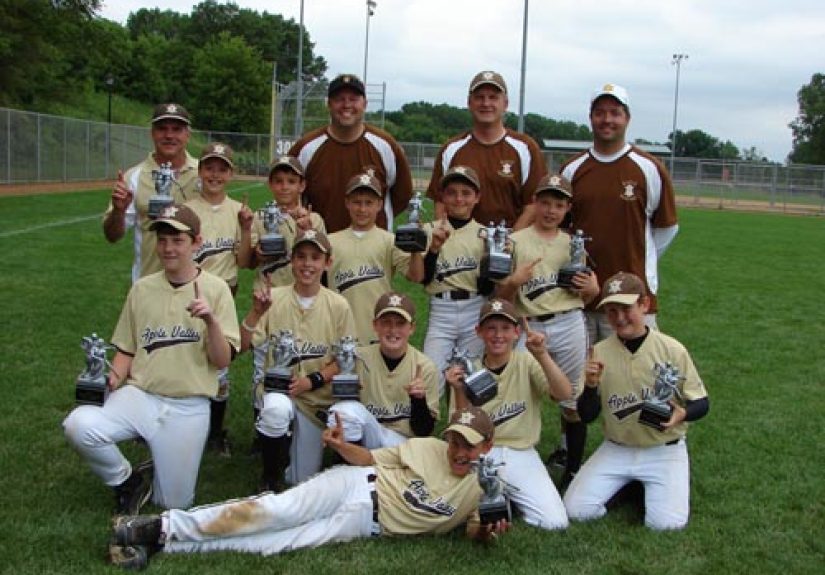
Every sports team photo has its own ecosystem. You have the serious coach standing in the middle like they were appointed by the Department of Posture. You have the tallest player in the back row trying not to blink. You have the kid in the second row whose smile says, “I was told there would be snacks.” And then, glorious as sunshine on a Friday afternoon, you have that one person lying down at the front.
You know the one. Elbow propped up. Chin resting in one hand. Smile dialed up to “mildly ridiculous.” Sometimes they hold a volleyball like they’re posing for a sports romance novel. Sometimes they stretch out like they’ve just conquered a mountain instead of surviving three weeks of bus rides, orange slices, and a coach yelling “hustle” as if the word itself burns calories. It is a timeless move, a strange move, and honestly, an elite move.
That is exactly why this tiny, goofy tradition deserves its place among the awesome things in life. The person lying down at the front of the sports team photo is not just filling empty space. They are doing something far more important: they are turning a stiff group portrait into a memory with a pulse.
Why This Tiny Sports Photo Tradition Feels So Big
At first glance, the pose seems like pure nonsense. And yes, it is a little nonsense. But the best traditions usually are. Nobody sits down and writes a serious manifesto about why one teammate should recline in front like a Victorian noble who just won district finals. It simply happens. One season, one team, one photo day, somebody decides to go for it. The rest of the group laughs, the photographer shrugs, and suddenly a new chapter in human civilization is born.
That is the genius of the thing. Team photos are supposed to document achievement, participation, and belonging. But without one oddball flourish, they can look about as lively as a DMV waiting room. The person on the floor breaks the formality. They remind everyone that sports are not only about effort, rankings, and scoreboards. They are also about inside jokes, bus seat politics, nicknames nobody remembers inventing, and the weird chemistry that turns a collection of individuals into our people.
In other words, that pose does not ruin the photo. It saves it from becoming forgettable.
The Secret Job of the Person in Front
The reclining front-row legend usually is not random. It is often the teammate with fearless energy. The one who makes everybody loosen up. The one who can get a laugh out of the most serious goalie on the roster. They may not be the captain on paper, but they are often the emotional emcee of the group.
This matters more than it seems. Every team needs someone who cuts the tension at the right time. Sports can be intense, even at the most ordinary school level. There are tryouts, pressure, mistakes, pecking orders, and all the classic ingredients for teenage or young-adult awkwardness. Then photo day arrives, and everyone is suddenly expected to stand shoulder to shoulder and look like a unified band of champions. That is a lot to ask from people who spent yesterday arguing over who forgot the water cooler.
The person lying down at the front solves this in one dramatic swoop. By being a little ridiculous, they give everybody else permission to be human. Smiles get less forced. Shoulders drop. The team stops posing like a board of directors and starts looking like an actual group of people who know each other.
That is not a small contribution. That is social glue with knee pads.
What Team Photos Really Capture
A sports team photo is never just a sports team photo. It is a time capsule with shin guards. Years later, nobody looks at it and thinks only about wins and losses. They see haircuts that should have been illegal. They remember who was always late, who brought the loudest speaker on the bus, who could not keep a straight face for more than three seconds, and who somehow wore the uniform better than the catalog model.
The weirdest part is how quickly a normal picture turns sacred. At the time, you may roll your eyes through the whole process. Stand here. Scoot left. Chin up. No, your other left. But later, that photo becomes proof that a certain version of life was real. There really was a season when you ran suicides in the heat, complained together, improved together, and thought the future was a giant hallway with infinite doors.
Photos do this better than memory alone because they pin down the details. They hold the socks, the dirt on the cleats, the half-smirk of the assistant coach, the awkward spacing between teammates who later became best friends. A team picture turns an ordinary moment into something you can revisit over and over, each time noticing a new detail and unlocking another story.
And yes, you always notice the person lying in front first.
Why the Front-Floor Pose Works So Well
Let us give this pose the respect it deserves. Visually, it is brilliant. A group shot needs layers. Rows of standing faces are fine, but one horizontal body in front creates shape, depth, and a focal point. The reclining teammate says, “Welcome to the image. We are not merely standing here. We are performing teamness.”
Emotionally, it works even better. The pose sends a message that the team is confident enough to be playful. That matters because some of the strongest group memories are built from little rituals and repeated habits. Maybe your team always blasted the same pump-up song. Maybe everybody touched the same sign before taking the field. Maybe one teammate always told a terrible joke before the game started. These things are not side decorations. They are part of how groups become groups.
The lying-down pose belongs in that family. It is a mini ritual of identity. It says, “This is not just a list of names. This is a unit with a personality.”
The Tradition Is Funny Because It Is True
One reason the idea is so charming is that nearly everybody has seen some version of it. Maybe it was in your high school gym lobby. Maybe it was in a yearbook. Maybe it was a community softball team, a volleyball squad, a little league baseball team, or a travel soccer roster where one kid in front looked like they were auditioning for a shampoo commercial.
The details change, but the energy stays the same. Sports produce endless serious images: action shots, trophy shots, handshake lines, huddles, and championship tears. Those are great. But the team photo with one person stretched across the front gives us something rarer: permission to remember sports as joyful theater.
That is why the image sticks. It is not polished in the corporate sense. It is polished in the human sense. It tells you, in one glance, that these people existed together in a funny little arrangement called a season. They practiced, competed, argued, improved, and then, for one immortal second, one of them decided to lie on the floor like a sports-model icon from another dimension.
From Old Team Portraits to Modern Keepsakes
There is something delightfully old-school about this whole idea. Team photos have been part of sports culture forever because people want to preserve belonging. Long before everyone had a camera in their pocket, teams were already freezing themselves in formal portraits. The settings were different, the uniforms were stranger, and the mustaches were doing the absolute most, but the impulse was the same: we were here together.
Modern versions just add more personality. Schools save these images in yearbooks. Families frame them. Teams share them online. Some pro clubs build traditions around photo days and celebratory snapshots because a posed image becomes more than publicity. It becomes a keepsake. That is why even a silly pose matters. It helps the image cross the line from record to memory.
And memory loves a detail. A standard team picture says, “Here is the roster.” The front-row sprawler says, “Here is the roster, and also we were fun.” That second message is the one that lasts.
What This Awesome Thing Says About People
The deeper charm of #205 is that it reveals something generous about human nature. We are always turning formal structures into personal ones. Give us a rule, and we will slip a joke into it. Give us a lineup, and we will find a signature move. Give us a serious occasion, and somebody will eventually turn sideways, cross their eyes, or recline at the front like they own the stadium.
That is not disrespect. It is adaptation. It is how people make institutions feel warm enough to live inside. Sports can be demanding. Schools can be rigid. Group photos can be stiff. But one little act of playful rebellion can rescue the entire experience from blandness.
That person lying in front is basically an ambassador for the idea that memories should have texture. A little swagger. A little absurdity. A little “we know this is a photo, but we also know life is more fun when we do not take ourselves too seriously.”
And really, that is a lesson bigger than sports. Some of the best moments in life are not the grand, expensive, cinematic ones. They are the tiny acts that make ordinary rituals feel alive: the weird family pose at Thanksgiving, the friend who always photobombs vacation pictures, the coworker who turns a dull team lunch into an actual event. The front-row sports-photo hero belongs to that glorious category of people who make the standard version of life just a little better.
Why We Keep Loving This Image Years Later
Years after the season ends, the wins blur. The losses soften. The standings disappear into the foggy attic of your brain. But the photo remains, stubborn and bright. And in that photo, there they are, front and center, propped up on one elbow like the unofficial spirit animal of team chemistry.
You laugh because it looks ridiculous. You smile because it feels familiar. You linger because it opens a door to everything around it: the locker room smell, the squeak of shoes on the gym floor, the pep talks that ran too long, the postgame fast food, the friendships that somehow grew strongest while everybody pretended to care only about drills.
That is why #205 deserves the “awesome” label. Not because it is important in the dramatic, history-book sense. It is awesome because it makes a routine ritual feel unforgettable. It gives a team picture a wink. It gives memory a handle. It gives the future version of you one more reason to stop, stare, and grin.
Somebody had to lie down at the front of the sports team photo. Thankfully, every generation seems to produce a volunteer.
More Awesomeness: on the Experience Behind the Pose
If you have ever been part of a team photo, you already know the emotional weather of the moment. There is always a weird mix of boredom, pride, impatience, and low-grade chaos. People are adjusting jerseys, somebody is asking if this is the “good side,” and one person is absolutely blinking in every test shot like they made a personal vow against open eyes. Then comes the moment when the group starts to settle, and you can feel the danger creeping in: the picture is about to become too normal.
That is when the magic person steps forward. Or rather, steps forward and then dramatically lowers themselves to the floor.
Suddenly the whole group wakes up. The serious players crack. Somebody laughs too hard. The coach tries not to smile and fails. Even the photographer gets that look that says, “Well, this is silly, but also this is probably the one everybody will buy.” In that instant, the photo changes from administrative documentation to memory-making event.
What makes the experience so relatable is that it captures the real life of teams better than a perfectly composed portrait ever could. Most teams are not elegant machines. They are wonderful little messes. They are made of different personalities, skill levels, moods, and social circles. Some teammates are close immediately. Others warm up slowly. Some are loud. Some are quiet. Some are stars. Some barely play but still shape the culture in ways nobody notices until much later. The front-row pose somehow honors all of that by adding a note of humor right where formality would usually take over.
For many people, looking back at these pictures years later is surprisingly emotional. You might not even have loved photo day at the time. You may have thought the uniform was ugly and the socks criminal. But memory is sneaky like that. One day you see the picture again and realize it was never just about sports. It was about a chapter of life when your world was defined by schedules, teammates, improvement, and the comforting repetition of practice. The person lying in front becomes a symbol for the freedom and ridiculousness that made the pressure bearable.
There is also something deeply generous about the pose itself. The person in front is volunteering to be the joke, the centerpiece, and the conversation starter all at once. They are taking on the small social risk of looking extra while secretly doing everyone else a favor. They make the picture more relaxed, more human, and far more likely to survive the brutal test of time. Because nobody digs out an old team photo and says, “Wow, what a respectable arrangement of vertical bodies.” They say, “Look at Tyler. Why is Tyler posing like he just won an Oscar for Best Use of Elbow?”
And that is the whole point. The best experiences tied to this awesome thing are not about perfection. They are about personality preserved in one frozen second. A little swagger. A little comedy. A lot of heart. The person lying down at the front of the sports team photo is not just in the picture. They are the reason the picture keeps living.
Conclusion
#205 works because it celebrates something small, social, and instantly recognizable. The person lying down at the front of the sports team photo turns a standard group shot into a story. They add humor without ruining the pride, style without stealing the team, and personality without needing a speech. In a world full of polished images, that kind of goofy authenticity is rare. And that is exactly why it stays awesome.