Table of Contents >> Show >> Hide
- What to Consider Before Planting in Front of Your House
- 21 Best Shrubs and Plants for the Front of Your House
- 1. Boxwood (Buxus): The Classic Evergreen Backbone
- 2. Hydrangea: Big Blooms, Big Curb Appeal
- 3. Azalea and Rhododendron: Spring Fireworks
- 4. Inkberry Holly (Ilex glabra): A Boxwood Alternative
- 5. Dwarf Alberta Spruce: Perfect Little Cones
- 6. Lavender: Fragrance and Pollinator Magnet
- 7. Spirea: Colorful and Undemanding
- 8. Knock Out Roses: Continuous Color with Less Fuss
- 9. Catmint (Nepeta): Soft Mounds of Blue
- 10. Daylily (Hemerocallis): Reliable and Adaptable
- 11. Abelia (Including ‘Kaleidoscope’): Colorful Foliage + Flowers
- 12. Japanese Maple (Small Varieties): Elegant Accent
- 13. Arborvitae (Thuja): Tall, Narrow Privacy and Structure
- 14. Nandina (Heavenly Bamboo – Modern Cultivars)
- 15. Loropetalum: Deep Purple Drama
- 16. Viburnum: Flowers, Fragrance, and Winter Interest
- 17. Red-Twig Dogwood: Winter Color Pop
- 18. Ornamental Grasses (Carex, Japanese Forest Grass)
- 19. Fothergilla: Compact and Colorful
- 20. Small-Leaf Japanese Boxwood
- 21. Compact Foundation Perennials (Hostas, Coral Bells, Etc.)
- Design Ideas for a Welcoming Front Yard
- Real-Life Experiences and Lessons Learned
- Conclusion
If the front of your house feels a little bare, you’re not alone. Many homeowners nail the interior design,
then look outside and realize the yard is basically a big, green shrug. The good news? A few well-chosen
shrubs and plants can instantly boost curb appeal, frame your entryway, and make your home look more
“intentional Pinterest board” and less “oops, I forgot about landscaping.”
Landscape experts generally recommend combining evergreen structure with seasonal color: think tidy
boxwoods, lush hydrangeas, and flowering shrubs layered together so something looks good nearly every
month of the year. The key is picking front-yard plants that fit your
climate, sunlight, and house stylenot just buying whatever looks cute on the nursery cart.
Below, we’ll walk through what to consider before you start digging, then highlight 21 of the best shrubs
and plants for the front of your house, plus real-world tips and experience-based advice to help you
avoid common beginner mistakes.
What to Consider Before Planting in Front of Your House
Before you fall in love with a plant on Instagram, check a few basics. This is the boring part, but it’s also
the part that keeps you from ripping everything out in three years.
Know Your USDA Hardiness Zone
Most shrubs are labeled with hardiness zones that indicate where they will reliably survive winter. If a plant
isn’t hardy in your zone, it might look great… for one season. Then it becomes very expensive compost.
Sun, Shade, and Everything in Between
The front of many homes faces either full sun all day or deep shade from porches, eaves, and trees.
Hydrangeas, azaleas, and hostas tend to enjoy partial shade, while roses, lavender, and many grasses crave
at least six hours of direct sun.
Scale and Mature Size
That adorable one-gallon shrub at the garden center might eventually grow to eight feet tall and six feet wide.
Planting too close to the house is one of the biggest front-yard mistakes. Foundation-planting guidelines
generally suggest leaving at least one mature plant’s width between the plant and the wall for airflow and
maintenance.
Evergreens vs. Seasonal Color
For a polished look year-round, try a mix: about one-third to one-half evergreen shrubs, with the rest made up
of flowering shrubs, grasses, and perennials. That way, even in winter, your home doesn’t look like it’s
waiting for a renovation show to show up and fix things.
Maintenance Level
Be honest about how much time you want to spend pruning and deadheading. Low-maintenance stars like boxwood,
inkberry holly, spirea, and certain hydrangeas can give you big visual impact without becoming a part-time job.
21 Best Shrubs and Plants for the Front of Your House
These 21 shrubs and plants are favorites among landscape designers, gardening pros, and home gardeners for
front-of-house plantings. Mix and match according to your zone and style.
1. Boxwood (Buxus): The Classic Evergreen Backbone
Boxwood is the little black dress of foundation plantstimeless, versatile, and always appropriate. Compact
varieties form tidy mounds that frame front steps, walkways, and porches. They’re easy to shear into clean
lines or soft balls, depending on whether you’re going for “formal estate” or “relaxed cottage.”
- Best for: Year-round structure, low hedges, framing entryways
- Light: Sun to partial shade
- Pro tip: Use smaller varieties (like dwarf or “Baby Gem” types) right by the front door so they don’t overpower the entry.
2. Hydrangea: Big Blooms, Big Curb Appeal
Hydrangeas are all about drama. Whether you choose mophead, lacecap, or panicle varieties, the oversized
flower clusters look incredible along the front of the house or near a porch. Many bloom from summer into fall,
then fade into papery seed heads that still look pretty in winter.
- Best for: Foundation beds, corners of the house, mixed borders
- Light: Morning sun and afternoon shade are ideal in many climates
- Pro tip: Panicle hydrangeas (like ‘Limelight’) are often more sun- and cold-tolerant than bigleaf types.
3. Azalea and Rhododendron: Spring Fireworks
Azaleas and rhododendrons offer a spring color show that’s hard to beat, with blossoms ranging from soft pastels
to electric pink. Evergreen varieties also keep leaves year-round, which helps your front yard look full when
other plants are bare.
- Best for: Shadier front yards, under windows, foundation beds
- Light: Partial shade; protect from harsh afternoon sun
- Pro tip: Look for reblooming varieties that flower again later in the season.
4. Inkberry Holly (Ilex glabra): A Boxwood Alternative
Inkberry holly gives you the neat, rounded look of boxwood but with fewer pest and disease issues in some
regions. Its small, dark green leaves look great in foundation plantings, and female plants produce dark berries
that add winter interest.
- Best for: Low hedges, mass plantings, damp or acidic soils
- Light: Sun to partial shade
- Pro tip: If you want berries, plant a male variety nearby as a pollinator.
5. Dwarf Alberta Spruce: Perfect Little Cones
Dwarf Alberta spruce looks like a perfectly shaped miniature Christmas tree all year long. Planted on either
side of your front door or walkway, they add instant formality and vertical interest without taking over.
- Best for: Flanking entryways, container plantings by the porch
- Light: Full sun
- Pro tip: Great in cold climates where many broadleaf evergreens struggle.
6. Lavender: Fragrance and Pollinator Magnet
Lavender pulls double duty as a front-yard shrub and a mood booster. Its gray-green foliage and purple flowers
are gorgeous along paths and driveways, and the scent makes arriving home feel like a micro-vacation. It also
attracts bees and butterflies.
- Best for: Borders, along walkways, small front gardens
- Light: Full sun, well-drained soil
- Pro tip: Avoid heavy clay; lavender hates wet feet.
7. Spirea: Colorful and Undemanding
Spirea is one of those shrubs that quietly does its job beautifully. Compact varieties produce clouds of pink or
white flowers in spring or summer, and many have foliage that changes color through the seasons.
- Best for: Mid-height layer in foundation beds
- Light: Full sun to light shade
- Pro tip: Lightly shear after blooming to keep it compact and encourage fresh foliage.
8. Knock Out Roses: Continuous Color with Less Fuss
If you like the idea of roses but not the drama, Knock Out-type shrub roses are bred to be tough, disease-resistant,
and floriferous. They bloom from late spring until frost, bringing constant color to your front yard.
- Best for: Front-of-border color, mass plantings along walks
- Light: Full sun
- Pro tip: Skip overhead watering to reduce disease; water at the base instead.
9. Catmint (Nepeta): Soft Mounds of Blue
Catmint forms low, billowy mounds covered in blue-lavender flowers for weeks. It’s a great transition plant
between taller shrubs and the lawn, adding movement and softness to more structured designs.
- Best for: Edging, under taller shrubs, along walkways
- Light: Full sun
- Pro tip: Shear lightly after the first big bloom to encourage a second flush of flowers.
10. Daylily (Hemerocallis): Reliable and Adaptable
Daylilies might be the most “set it and forget it” flowering perennials you can plant. Each bloom lasts just a
day, but there are so many buds that the display rolls on for weeks. They come in almost every color and are
excellent for filling in gaps between shrubs.
11. Abelia (Including ‘Kaleidoscope’): Colorful Foliage + Flowers
Abelia offers multi-season interest: small trumpet-shaped flowers attract pollinators, while the foliage often
shifts colors from green to gold to red as the seasons change. Compact varieties like ‘Kaleidoscope’ stay
neat and don’t overwhelm small front yards.
12. Japanese Maple (Small Varieties): Elegant Accent
A dwarf Japanese maple near the front of your house can act as living sculpture. With lacy or bold leaves in
shades of green, red, or burgundy, these small trees (or large shrubs) bring height and drama without blocking
windows.
- Best for: Focal point near entries, corners of the house
- Light: Morning sun, afternoon shade in warmer climates
13. Arborvitae (Thuja): Tall, Narrow Privacy and Structure
Narrow arborvitae varieties fit beautifully between windows, at corners, or along property lines, adding
vertical structure and a lush green backdrop for flowering plants. Just don’t plant them too close to the
housethey need room to grow.
14. Nandina (Heavenly Bamboo – Modern Cultivars)
Newer, non-invasive nandina cultivars have become front-yard favorites for their feathery foliage, which shifts
from green to red or bronze, and their compact habits. They pair nicely with evergreens and add a pop of color
without relying on flowers alone.
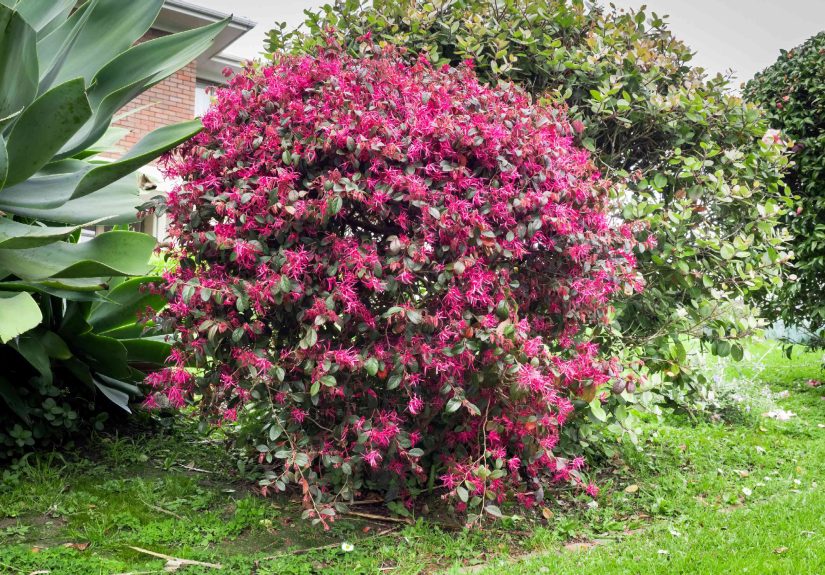
15. Loropetalum: Deep Purple Drama
Loropetalum is a standout in warmer regions, with deep burgundy foliage and fringe-like pink or white flowers.
Dwarf varieties work beautifully beneath windows or along front walks where you want color even when nothing
is in bloom.
16. Viburnum: Flowers, Fragrance, and Winter Interest
Viburnums are multi-taskers: many have fragrant spring flowers, showy berries, and excellent fall color.
They can be used as anchor shrubs at the ends of foundation beds or as informal hedges.
17. Red-Twig Dogwood: Winter Color Pop
In summer, red-twig dogwoods look like a nice, leafy shrub. In winter, the bare red stems glow against snow or
mulch, adding incredible off-season interest to the front yard. Dwarf varieties are perfect for smaller spaces.
18. Ornamental Grasses (Carex, Japanese Forest Grass)
Grasses like Carex and Japanese forest grass (Hakonechloa) soften hard edges and bring movement to the front of
your house. They’re especially effective spilling over retaining walls or along paths.
19. Fothergilla: Compact and Colorful
Fothergilla is a small shrub that produces bottlebrush-like white flowers in spring and fiery red, orange, and
yellow foliage in fall. It’s great for front yards that need a low shrub with big seasonal payoff.
20. Small-Leaf Japanese Boxwood
Japanese boxwood cultivars like ‘Green Gem’ or ‘Morris Midget’ stay compact and dense, making them ideal for
shorter hedges or neat, rounded accents below windows.
21. Compact Foundation Perennials (Hostas, Coral Bells, Etc.)
While not shrubs, low perennials like hostas, coral bells, and small ferns are essential in front-of-house
planting. They fill in at ground level, hide bare soil, and create layered depth beneath taller shrubs.
Design Ideas for a Welcoming Front Yard
Once you know which plants work in your climate and light conditions, focus on how to arrange them so your front
yard feels cohesive instead of random.
- Layer your plants: Tallest shrubs in back (near the house), medium shrubs in the middle, and low perennials or grasses at the front edge.
- Repeat key plants: Repeating the same shrub or color in several spots ties the design together.
- Frame focal points: Use vertical plants (like dwarf spruces or arborvitae) to frame the front door or a large window.
- Mind the walkway: Plant fragrant, soft-textured plants like lavender or catmint along paths so you brush past them as you walk.
- Think four seasons: Combine evergreens, spring bloomers, summer flowers, fall foliage, and winter-interest stems or berries.
Real-Life Experiences and Lessons Learned
It’s one thing to read about the best shrubs for the front of your house and another to live with them season
after season. Here are some experience-based observations that many homeowners and gardeners share once they’ve
gone through at least one full “plant, regret, replant” cycle.
1. Plant size on the tag is not a suggestion.
One of the most common front-yard regrets is underestimating how big shrubs will get. A boxwood that “only” grows
3 to 4 feet tall can feel enormous when it’s jammed under a low window. The lesson: trust the mature size on the
label and plan spacing for the plant you’ll have in five to ten years, not the one in the cute little nursery pot.
It often feels too far apart at first, but in a few seasons, you’ll be glad you left breathing room.
2. Sun and shade aren’t negotiable.
Many gardeners admit they tried to “cheat” the light requirements. Hydrangeas that really want morning sun and
afternoon shade get fried when they’re parked in full western exposure. Shade-loving hostas sulk and burn in the
front of a house that faces south with no trees. Over time, you learn it’s easier to choose plants that actually
fit your conditions instead of constantly nursing unhappy ones along.
3. Evergreens keep the house from disappearing in winter.
In spring and summer, everything looks lush and full. But once leaves drop and perennials die back, a front yard
with no evergreens can look oddly empty. Homeowners who mix in boxwood, inkberry, dwarf spruce, arborvitae, or
other evergreens often say their home feels more “finished” year-roundespecially around the holidays when lights
and winter décor go up.
4. Low-maintenance doesn’t mean “no” maintenance.
Even tough shrubs like Knock Out roses, spirea, and abelia appreciate a basic care routine. A quick pruning once
a year, a layer of mulch, and occasional watering during extreme heat can make the difference between “meh” and
“wow.” Many gardeners find that batching simple taskslike deadheading roses while you’re already out checking the
mailkeeps everything manageable without needing marathon yardwork days.
5. Repetition is more powerful than variety.
New gardeners often buy one of everything because it’s hard to choose. The result can feel busy and scattered.
Over time, people realize that repeating three or four key shrubssay, boxwood, hydrangea, and lavendercreates
a calmer, more intentional look. You can still play with color and texture using perennials and annuals, but
those repeated shrubs act like the “headline fonts” of your landscape.
6. Curbs (and neighbors) notice tidy edges.
Another common lesson: even modest front plantings look fantastic with clean lines. Fresh mulch, a defined edge
between lawn and beds, and a quick trim of any stray branches can completely change how the front of your house
reads from the street. Many homeowners are surprised how often neighbors comment right after they edge beds, even
if they didn’t add a single new plant.
7. Start small, but plant in groups.
Budget-conscious gardeners frequently buy smaller plants (one- or two-gallon sizes) and let them grow in. That’s
smartbut those smaller plants work best when arranged in groups of three or five rather than a long single file.
Massing three matching hydrangeas at one corner of the house or five lavender plants along the front walk gives
immediate visual impact, even if they’re not at full size yet.
8. Front yards evolve.
Finally, there’s the big-picture lesson: front-yard landscaping is not a one-and-done project. Shrubs mature,
trees cast more shade, your taste changes, or you might eventually paint the house a new color. The best approach
is to treat your plantings as a flexible framework. Evergreen structure plants (like boxwood, inkberry, dwarf
spruces, and arborvitae) can stay for decades, while flowering shrubs, perennials, and accents are easier to
swap out as you refine your style.
When you plan with growth, sunlight, and maintenance in mindand accept that you’ll tweak things over timeyou
end up with a front yard that not only looks beautiful from the street, but actually fits your life. The right
shrubs and plants don’t just decorate the front of your house; they quietly make coming home feel better every
single day.
Conclusion
Choosing the best shrubs and plants for the front of your house isn’t about copying a single photo onlineit’s
about combining structure, color, and practicality in a way that works for your climate and your lifestyle.
Evergreen anchors like boxwood, inkberry, and dwarf spruce provide year-round framework, while flowering shrubs,
grasses, and perennials layer in seasonal interest and personality.
Start with your zone and light, respect mature sizes, repeat your favorite plants for a pulled-together look,
and don’t be afraid to edit over time. With a thoughtful mix of these 21 shrubs and plants, your front yard can
become a welcoming, polished space that boosts curb appeal and makes your home feel finished from the very first
step onto the walkway.