Table of Contents >> Show >> Hide
- Why Use Leg Extension Alternatives?
- What Makes a Good Quad Exercise?
- 22 Best Leg Extension Alternatives for Bigger Quads
- 1. Heel-Elevated Goblet Squat
- 2. Front Squat
- 3. High-Bar Back Squat
- 4. Hack Squat
- 5. Leg Press
- 6. Bulgarian Split Squat
- 7. Dumbbell Split Squat
- 8. Front-Foot-Elevated Split Squat
- 9. Reverse Lunge
- 10. Forward Lunge
- 11. Walking Lunge
- 12. Step-Up
- 13. Peterson Step-Up
- 14. Sissy Squat
- 15. Reverse Nordic Curl
- 16. Spanish Squat
- 17. Wall Sit
- 18. Cyclist Squat
- 19. Smith Machine Squat
- 20. Belt Squat
- 21. Resistance Band Leg Extension
- 22. Backward Sled Drag
- How to Program Leg Extension Alternatives for Quad Growth
- Common Mistakes to Avoid
- Real-World Experience: What Actually Helps Quads Grow
- Conclusion
- SEO Tags
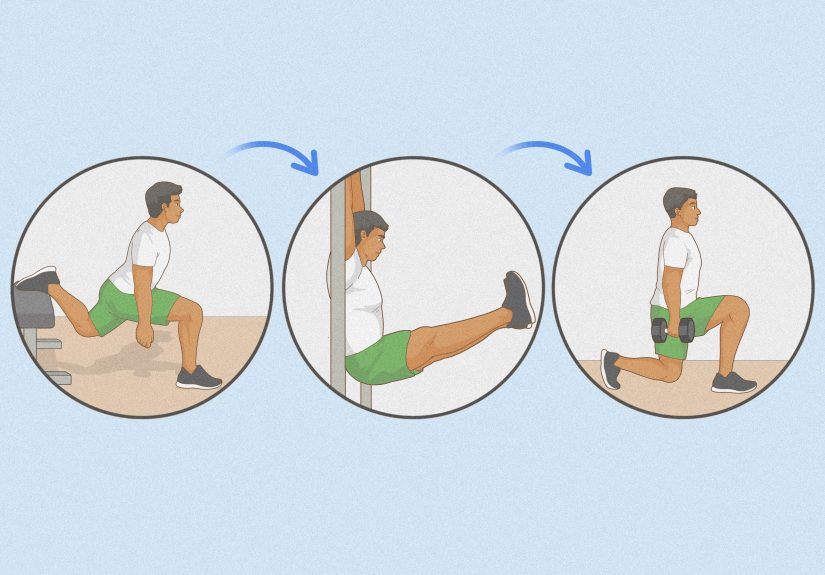
If the leg extension machine is taken, broken, or occupied by someone scrolling through 47 text messages between sets, don’t panic. Your quads are not doomed. The leg extension is useful because it isolates the quadriceps, but it is far from the only way to build strong, sleeve-stretching thighs. In fact, many leg extension alternatives train your quads while also improving balance, hip stability, athleticism, and real-world strength.
The quadriceps are the four muscles on the front of your thigh: rectus femoris, vastus lateralis, vastus medialis, and vastus intermedius. Their main job is knee extension, which means straightening the knee. They also help you squat, climb stairs, run, jump, stand up from a chair, and gracefully recover when you trip over your own gym bag.
This guide covers 22 leg extension alternatives to build bigger quads using dumbbells, barbells, machines, resistance bands, body weight, and a little old-fashioned suffering. You’ll also learn how to program them for hypertrophy, how to choose the right exercise for your knees, and how to make quad day productive without turning it into a dramatic documentary.
Why Use Leg Extension Alternatives?
Leg extensions are simple, beginner-friendly, and great for isolating the quads. But they are not perfect for everyone. Some people feel knee discomfort at the top of the movement. Others train at home without machines. And many lifters simply need more variety to keep making progress.
The best quad-building alternatives usually do one or more of the following: allow deep knee flexion, load the quads through a challenging range of motion, provide progressive overload, and let you train hard without joint irritation. Compound movements such as squats, lunges, step-ups, and leg presses also work the glutes, hamstrings, calves, and core, which makes them useful for both muscle growth and athletic performance.
What Makes a Good Quad Exercise?
A strong leg extension alternative should make your knees bend and straighten under control. More knee bend usually means more quad demand, especially when your torso stays upright and your knees travel forward in a safe, controlled path. That is why movements like front squats, cyclist squats, sissy squats, Spanish squats, and heel-elevated squats can light up your quads like a holiday display.
For muscle growth, most lifters do well with 2 to 4 working sets per exercise, 6 to 15 reps for loaded movements, and 20 to 60 seconds for isometric holds like wall sits. Train close to failure, but leave enough form in the tank that your knees, hips, and lower back do not file a complaint with management.
22 Best Leg Extension Alternatives for Bigger Quads
1. Heel-Elevated Goblet Squat
The heel-elevated goblet squat is one of the easiest ways to make a squat more quad-focused. Place your heels on small plates or a wedge, hold a dumbbell at chest height, and squat down with an upright torso. The raised heels allow your knees to travel forward, increasing quad involvement.
Try it: 3 sets of 10 to 15 reps. Keep your ribs down, chest tall, and knees tracking in line with your toes.
2. Front Squat
The front squat shifts the load to the front of your body, forcing a more upright torso. That position usually places more emphasis on the quads compared with a low-bar back squat. It also builds upper back strength and core control.
Try it: 4 sets of 5 to 10 reps. Use a clean grip, cross-arm grip, or straps if wrist mobility is limited.
3. High-Bar Back Squat
A high-bar squat keeps the bar on the upper traps and encourages a more vertical torso. Compared with a hip-dominant squat style, this variation can be better for targeting the quadriceps while still letting you move heavy weight.
Try it: 3 to 5 sets of 6 to 10 reps. Control the descent and reach a depth that your mobility allows without your pelvis tucking aggressively.
4. Hack Squat
The hack squat machine is a quad-building classic. Because your body is supported, you can focus on pushing through the platform and driving your knees forward without worrying as much about balance.
Try it: 3 sets of 8 to 12 reps. Keep your feet slightly lower on the platform if your knees tolerate it well.
5. Leg Press
The leg press is not just for people who want to load every plate in the gym and grunt like a haunted refrigerator. Used properly, it is a powerful quad-builder. A lower and narrower foot position generally increases quad emphasis.
Try it: 3 to 4 sets of 10 to 15 reps. Do not let your lower back round off the pad at the bottom.
6. Bulgarian Split Squat
The Bulgarian split squat is brutally effective because each leg works independently. Elevating the back foot increases range of motion and challenges balance, coordination, and quad strength.
Try it: 3 sets of 8 to 12 reps per leg. Keep your torso upright and allow the front knee to move forward naturally.
7. Dumbbell Split Squat
If Bulgarian split squats feel like punishment invented by a medieval strength coach, start with the standard split squat. Your rear foot stays on the floor, making the exercise more stable while still hammering the front quad.
Try it: 3 sets of 10 to 12 reps per side. Pause briefly at the bottom for extra tension.
8. Front-Foot-Elevated Split Squat
Elevating the front foot increases range of motion and lets the knee travel forward, creating a deep stretch and strong quad stimulus. This is a sneaky exercise: it looks polite, then your legs start shaking like a folding table at a yard sale.
Try it: 2 to 4 sets of 8 to 12 reps per leg. Use a small platform at first.
9. Reverse Lunge
The reverse lunge is often easier on the knees than forward lunges because you step backward and control the front leg more smoothly. It still trains the quads, glutes, and hamstrings while improving single-leg stability.
Try it: 3 sets of 10 to 14 reps per leg. Push through the front foot to return to standing.
10. Forward Lunge
The forward lunge places a strong demand on the front leg as you decelerate your body. It can be more intense on the knees than reverse lunges, so start light and focus on control.
Try it: 2 to 3 sets of 8 to 12 reps per leg. Keep your steps long enough to stay balanced but not so long that the movement turns into a hip stretch contest.
11. Walking Lunge
Walking lunges add rhythm, coordination, and a serious quad burn. They are excellent for finishing a leg workout because they combine strength, endurance, and mental negotiations with your own thighs.
Try it: 2 to 4 rounds of 20 to 40 total steps. Hold dumbbells when body weight becomes too easy.
12. Step-Up
Step-ups train the quads in a practical pattern: climbing. A lower box is more beginner-friendly, while a higher box increases the demand on your quads and glutes. The key is to make the working leg do the work, not bounce off the trailing foot.
Try it: 3 sets of 8 to 12 reps per leg. Step down slowly to increase time under tension.
13. Peterson Step-Up
The Peterson step-up is a small-range step-up variation that emphasizes the vastus medialis, the teardrop-shaped quad muscle near the knee. It is often used as an accessory exercise for knee control and quad activation.
Try it: 2 to 3 sets of 12 to 20 reps per side. Use a low step and move with precision.
14. Sissy Squat
The sissy squat is a quad isolation monster. You keep your hips extended, bend your knees forward, and lean back slightly. It creates a huge stretch across the front of the thighs, so it should be approached with respect, not ego.
Try it: 2 to 3 sets of 8 to 15 reps. Use support from a rack or sissy squat machine until you master the movement.
15. Reverse Nordic Curl
The reverse Nordic curl is like a bodyweight leg extension with extra drama. Kneel on a pad, keep your hips extended, lean backward under control, then return upright. It challenges the quads at long muscle lengths and requires excellent control.
Try it: 2 to 3 sets of 5 to 10 reps. Limit the range of motion at first and progress slowly.
16. Spanish Squat
The Spanish squat uses a thick resistance band anchored behind your knees. The band lets you sit back while keeping your shins more vertical, creating a strong quad contraction with less forward knee stress for many lifters.
Try it: 3 sets of 12 to 20 reps or 30 to 45-second holds. Keep your torso upright and push your knees into the band.
17. Wall Sit
The wall sit is simple, humbling, and surprisingly effective. Slide your back down a wall until your knees are bent, then hold. Your quads will quickly start discussing their resignation.
Try it: 3 rounds of 30 to 60 seconds. Add a plate on your lap when you can hold a minute comfortably.
18. Cyclist Squat
The cyclist squat uses a narrow stance and elevated heels to keep constant pressure on the quads. It is especially useful for lifters who want a deep knee-bend movement without loading a heavy barbell.
Try it: 3 sets of 10 to 15 reps. Keep the movement smooth and avoid bouncing out of the bottom.
19. Smith Machine Squat
The Smith machine squat lets you stay upright and focus on quad tension. Because the bar path is fixed, you can experiment with foot position and tempo without worrying as much about balance.
Try it: 3 to 4 sets of 8 to 12 reps. Place your feet slightly forward if that feels better on your knees and hips.
20. Belt Squat
The belt squat loads your lower body without placing a bar on your spine. It is great for quad volume, especially when your back is tired from deadlifts, rows, or the emotional weight of Monday.
Try it: 3 sets of 10 to 15 reps. Use a controlled tempo and full comfortable depth.
21. Resistance Band Leg Extension
If you want an at-home alternative that feels close to a machine leg extension, use a resistance band. Anchor the band behind you, loop it around your ankle, and extend your knee against the band.
Try it: 2 to 4 sets of 15 to 25 reps. Squeeze hard at the top and lower slowly.
22. Backward Sled Drag
Backward sled drags are a quad-friendly conditioning and strength tool. Walk backward while pulling a sled, keeping your knees bent and steps controlled. The movement creates continuous quad tension without heavy eccentric loading.
Try it: 4 to 8 trips of 20 to 40 yards. Start light and focus on steady, powerful steps.
How to Program Leg Extension Alternatives for Quad Growth
You do not need all 22 exercises in one workout. That would be less of a training plan and more of a cry for help. Instead, choose 2 to 4 quad-focused movements per lower-body session. Combine one heavy compound exercise, one single-leg movement, and one high-rep finisher.
Sample Quad Workout Without Leg Extensions
- Front squat: 4 sets of 6 to 8 reps
- Bulgarian split squat: 3 sets of 8 to 10 reps per leg
- Heel-elevated goblet squat: 3 sets of 12 to 15 reps
- Wall sit: 3 sets of 45 seconds
Sample Home Quad Workout
- Reverse lunge: 3 sets of 12 reps per leg
- Cyclist squat: 3 sets of 15 reps
- Resistance band leg extension: 3 sets of 20 reps
- Reverse Nordic curl: 2 sets of 6 slow reps
For bigger quads, train them 2 times per week, progress gradually, and track your sets, reps, and load. When you can perform the top end of your rep range with solid form, add weight, add reps, slow the tempo, or increase range of motion. Your quads do not care whether the challenge comes from a shiny machine or a dumbbell that looks like it survived three gym ownership changes. They respond to tension, effort, consistency, and recovery.
Common Mistakes to Avoid
Turning Every Quad Exercise Into a Hip Exercise
If your goal is quad growth, avoid leaning too far forward on every squat and lunge. A slight forward lean is normal, but an upright torso and controlled knee travel usually increase quad emphasis.
Cutting the Range of Motion Too Short
Partial reps can have a place, but most lifters benefit from using a full, controlled range of motion that feels safe. If you always stop high, you may miss valuable tension in deeper knee angles.
Adding Weight Before Owning the Movement
Load matters, but form comes first. If your knees cave inward, your heels pop up unintentionally, or your lower back rounds hard, reduce the weight and rebuild the pattern.
Ignoring Knee Feedback
Muscle burn is normal. Sharp pain is not. If an exercise irritates your knees, adjust your stance, reduce depth, use a different variation, or speak with a qualified medical or fitness professional.
Real-World Experience: What Actually Helps Quads Grow
The biggest lesson from real-world quad training is that the “best” leg extension alternative is the one you can perform hard, consistently, and pain-free. Some lifters swear by front squats. Others grow better from leg presses and Bulgarian split squats because they can focus on the target muscle without worrying about their lower back. The exercise matters, but the execution matters more.
For many people, heel elevation is a game changer. Raising the heels during goblet squats or cyclist squats often makes it easier to stay upright, reach deeper knee flexion, and feel the quads working instead of the hips taking over. This does not mean everyone needs weightlifting shoes or fancy wedges, but a small heel lift can turn a “meh” squat into a quad-building masterpiece.
Single-leg exercises also teach humility in the best way. A lifter may leg press hundreds of pounds, then grab two modest dumbbells for Bulgarian split squats and suddenly begin questioning every life choice. That is not weakness; that is specificity. Single-leg work exposes balance gaps, side-to-side strength differences, and stability issues that machines can hide. Over time, split squats, lunges, and step-ups can make the legs look better and move better.
Another practical insight: high-rep quad finishers are underrated. After the heavy work is done, adding band leg extensions, wall sits, Spanish squats, or backward sled drags can create a strong pump without needing huge loads. These exercises are useful when your joints feel tired but your quads still need extra volume. They are also great for home workouts because they require minimal equipment.
Tempo makes a difference, too. Many lifters rush through quad exercises like the floor is lava. Slowing the lowering phase, pausing near the bottom, and driving up with control can increase tension immediately. A 40-pound goblet squat performed slowly may challenge your quads more than a sloppy 90-pound version performed like you are trying to win a grocery-store checkout race.
Finally, quad growth rewards patience. You do not need a new workout every week. Pick a few movements, track them, and improve gradually over 8 to 12 weeks. Add a rep here, a few pounds there, a slightly deeper range of motion when available. Bigger quads are built through repeated quality work, not random exercise chaos. The leg extension machine is helpful, but it is not the gatekeeper of great thighs.
Conclusion
Leg extensions can be useful, but they are not mandatory for building bigger quads. Squats, split squats, lunges, step-ups, sled drags, wall sits, Spanish squats, reverse Nordic curls, and band extensions can all help you train the quadriceps effectively. The key is choosing exercises that match your equipment, knees, goals, and training level.
Start with movements you can control, use enough range of motion to challenge the quads, and progress over time. Whether you train in a commercial gym, garage gym, hotel room, or suspiciously carpeted apartment corner, your quads have options. Lots of them. Twenty-two, in fact.
Note: This article is for general fitness education. If you have knee pain, a recent injury, or a medical condition, consult a qualified healthcare professional before changing your exercise routine.