Table of Contents >> Show >> Hide
- Why 2019 Was Such a Big Year for VR
- The 25 Best VR Games of 2019
- 1. Beat Saber
- 2. Asgard’s Wrath
- 3. Blood & Truth
- 4. Stormland
- 5. Pistol Whip
- 6. Boneworks
- 7. Vader Immortal: Episode I–III
- 8. No Man’s Sky VR
- 9. Astro Bot Rescue Mission
- 10. Moss
- 11. Trover Saves the Universe
- 12. Five Nights at Freddy’s: Help Wanted
- 13. Tetris Effect
- 14. Superhot VR
- 15. Vacation Simulator
- 16. A Fisherman’s Tale
- 17. Ghost Giant
- 18. Audica
- 19. The Curious Tale of the Stolen Pets
- 20. Journey of the Gods
- 21. Budget Cuts 2: Mission Insolvency
- 22. Espire 1: VR Operative
- 23. Falcon Age
- 24. Arizona Sunshine
- 25. Fujii
- What Made the Best 2019 VR Games Stand Out
- The VR Experience in 2019: What It Actually Felt Like
- Final Thoughts
- SEO Tags
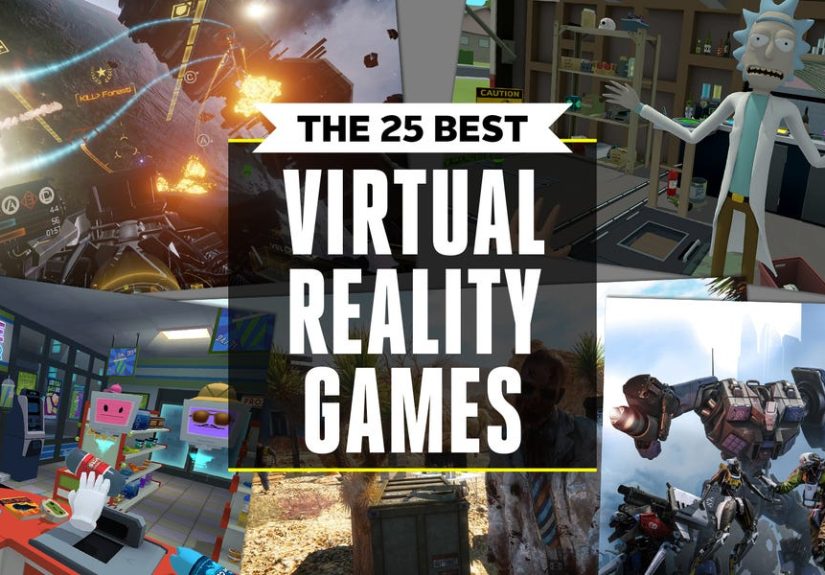
If 2019 proved anything, it was this: virtual reality finally stopped feeling like a fancy tech demo and started acting like a real gaming platform. This was the year VR got bolder, weirder, more polished, and far more confident. You had blockbuster-style exclusives, inventive indie experiments, rhythm games that made your arms question your life choices, and story-driven adventures that made flat-screen gaming feel a little too… flat.
The best VR games of 2019 were not all brand-new releases. Some were older titles that still dominated headset time because they remained the gold standard for immersion, comfort, and pure fun. Others arrived in 2019 and instantly made players say, “Okay, now this is why I bought the headset.” So this list ranks the top VR games that defined 2019, whether they launched that year or simply owned it.
Why 2019 Was Such a Big Year for VR
In many ways, 2019 was a turning point for virtual reality. Headsets became easier to use, libraries grew more diverse, and developers stopped treating VR like a novelty. Instead of short proof-of-concept experiences, players got real campaigns, polished combat systems, memorable characters, and games with enough depth to justify more than one weekend of excitement.
That meant the best VR games in 2019 had to do more than look cool. They needed strong design, intuitive controls, and enough personality to survive the brutal test of all entertainment: “Would I boot this up again after showing it to my friends once?” The titles below passed that test with style.
The 25 Best VR Games of 2019
1. Beat Saber
Beat Saber was still the king of VR in 2019, and honestly, it earned the crown. The concept is beautifully simple: slice incoming blocks to the beat of the music. The execution, however, feels magical. It is part rhythm game, part lightsaber fantasy, part cardio session disguised as fun. If you wanted one title that instantly explained the appeal of VR to a skeptical friend, this was the one.
2. Asgard’s Wrath
Asgard’s Wrath showed that VR could support a truly big-budget action RPG. With a long campaign, satisfying melee combat, scale-shifting puzzles, and a mythological setting that actually felt grand, it was one of the most ambitious VR games of the year. This was not a tiny appetizer. It was a full feast served with a horned helmet.
3. Blood & Truth
For PSVR players, Blood & Truth delivered a loud, cinematic thrill ride. It threw you into a London gangster story packed with firefights, action-movie pacing, and over-the-top set pieces. The shooting felt tactile, the spectacle was constant, and the whole thing understood that sometimes players simply want to feel cool in slow motion.
4. Stormland
Stormland stood out because it made movement feel liberating instead of awkward. You could glide, climb, shoot, and explore with a sense of freedom many VR games struggled to achieve. Its robotic world was colorful, expansive, and inviting, and the co-op support made it even easier to recommend. Few 2019 VR games felt this fluid.
5. Pistol Whip
If Beat Saber made you feel like a rhythm ninja, Pistol Whip made you feel like a dance-trained action hero in a very stylish fever dream. It blended shooting and music with a slick visual identity that turned each level into a playable gun-fu fantasy. The game rewarded rhythm, precision, and a willingness to squat like your knees owed it money.
6. Boneworks
Boneworks was one of the most talked-about VR games of late 2019 because of its physics-heavy approach. Every object felt interactive, every weapon had weight, and every encounter seemed built to test how far VR systems could be pushed. It was messy at times, but deliberately so. For players hungry for next-gen immersion, it felt momentous.
7. Vader Immortal: Episode I–III
The Vader Immortal series was not just a smart use of the Star Wars license. It was also a polished gateway into VR storytelling. The campaign offered memorable cinematic moments, but the real long-term hook was the Lightsaber Dojo, where players could slash, deflect, and force-push their way into feeling dramatically more important than they probably were.
8. No Man’s Sky VR
No Man’s Sky in VR was one of 2019’s most fascinating upgrades. The game’s scale, exploration, and sense of wonder became even more powerful inside a headset. Flying a ship, walking across alien terrain, and staring into a weird sky full of impossible colors gave the universe a new kind of intimacy. It was not flawless, but it was unforgettable.
9. Astro Bot Rescue Mission
Originally released before 2019, Astro Bot Rescue Mission still belonged on any serious best-VR-games-2019 list. It remains one of the smartest examples of third-person VR design ever made. Looking around levels, leaning to spot secrets, and guiding the tiny hero through inventive platforming stages felt joyful from start to finish.
10. Moss
Moss proved that VR did not need to be first-person to feel intimate. You guided Quill, an irresistibly charming mouse hero, through a miniature fantasy world that looked like a living storybook. The combination of light puzzle-solving, action, and emotional warmth made it one of the medium’s most approachable and elegant adventures.
11. Trover Saves the Universe
Trover Saves the Universe brought absurd comedy into VR without feeling like a one-joke novelty. The writing was intentionally ridiculous, the world was delightfully gross in places, and the game design cleverly balanced seated comfort with active interaction. It was weird, loud, and very aware of how silly video games can be, which was half the charm.
12. Five Nights at Freddy’s: Help Wanted
If you enjoy fear, panic, and the sensation of your soul trying to leave your body, Five Nights at Freddy’s: Help Wanted was an easy recommendation in 2019. Translating the series’ jump-scare tension into VR made it dramatically more intense. Watching those animatronics creep closer in a headset was not merely spooky. It was character-building.
13. Tetris Effect
Tetris Effect took one of the most familiar games ever made and somehow made it feel transcendent. In VR, the audiovisual presentation became deeply absorbing, almost meditative. Every rotation, drop, and line clear synced with music and visual effects in a way that transformed a puzzle classic into a sensory experience you felt more than played.
14. Superhot VR
Superhot VR remained essential in 2019 because its core idea still felt brilliant: time moves only when you do. That simple rule turned every shootout into a puzzle-box action scene. You ducked bullets, grabbed bottles, threw objects, and improvised solutions in ways flat-screen shooters simply could not replicate. Stylish, smart, and endlessly replayable.
15. Vacation Simulator
Vacation Simulator was pure comedic comfort food. It expanded on the silly logic of Job Simulator and gave players larger spaces, more interactions, and plenty of jokes to poke at. This was not the game for high drama or tactical realism. It was the game for tossing things, exploring nonsense, and smiling like an idiot in a fake tropical setting.
16. A Fisherman’s Tale
A Fisherman’s Tale delivered one of the cleverest puzzle concepts in VR. By playing with scale, perspective, and recursive spaces, it made players rethink how rooms and objects connected. The storybook tone gave it warmth, while the puzzle design made it memorable. Short? Yes. Smart? Absolutely.
17. Ghost Giant
Ghost Giant was gentle, touching, and emotionally grounded in a way many VR titles never attempt. You played as a giant helper in a handcrafted world, assisting a small cat named Louis while uncovering a deeper emotional story. It balanced whimsy with sincerity and showed that VR could handle tenderness just as well as spectacle.
18. Audica
Audica took the rhythm-shooter idea and polished it into something sleek and skill-based. Created by the studio behind rhythm legends like Rock Band, it demanded timing, accuracy, and musical awareness. While it did not dominate mainstream conversations the way Beat Saber did, it absolutely earned respect from players who wanted a sharper competitive edge.
19. The Curious Tale of the Stolen Pets
The Curious Tale of the Stolen Pets offered the kind of cozy, miniature-world charm that VR handles beautifully. You peered into tiny diorama-like spaces, rotated environments, solved light puzzles, and uncovered hidden animals. It was approachable, family-friendly, and proof that not every standout VR title needed explosions or laser swords.
20. Journey of the Gods
Journey of the Gods aimed to deliver a larger-scale action-adventure feel for VR, and in many moments it succeeded. Its colorful fantasy environments, bow-and-sword combat, and godlike transformation mechanics gave it a confident sense of adventure. It felt like a deliberate step toward fuller VR campaigns rather than bite-sized demos.
21. Budget Cuts 2: Mission Insolvency
Budget Cuts 2 leaned into stealth, physical interaction, and playful tension. Sneaking through office-themed danger zones, using inventive tools, and carefully planning each move gave it a distinct identity. It retained the original game’s personality while expanding the action and making its comedic corporate nightmare even more satisfying to survive.
22. Espire 1: VR Operative
Espire 1: VR Operative chased the dream of a true VR stealth game, and that ambition alone made it interesting in 2019. With gadgets, climbing, sneaking, and a spy-thriller tone, it gave headset owners something closer to a tactical infiltration fantasy. It was not perfect, but it was bold, and VR benefits when developers swing big.
23. Falcon Age
Falcon Age blended adventure, combat, and companionship into a breezy, distinctive package. The star, naturally, was your falcon companion, who could be trained, customized, and sent into action. The game’s charm came from that bond as much as its world design, making it one of the more memorable personality-driven VR titles of the year.
24. Arizona Sunshine
By 2019, Arizona Sunshine was no longer new, but it still held its place as one of VR’s most reliable zombie shooters. The manual reloading, co-op possibilities, and approachable action kept it relevant. If you wanted to test your aim while undead chaos shuffled toward your face, this remained an easy pick.
25. Fujii
Fujii closed out the list because it captured another side of VR’s magic: calm, beauty, and tactile wonder. The game focused on exploration, music, and gardening in a dreamy world full of color and softness. It was not trying to overwhelm you. It was trying to charm you, and it succeeded.
What Made the Best 2019 VR Games Stand Out
Looking across this list, a few patterns become obvious. First, the best VR games of 2019 understood physicality. Whether you were slicing beats in Beat Saber, reloading under pressure in Blood & Truth, or ducking bullets in Superhot VR, your body was part of the interface. VR was not just showing you a world. It was asking you to inhabit it.
Second, variety mattered. The top VR games in 2019 were not all shooters. You had platformers, puzzle games, music-driven titles, adventure stories, horror experiences, and sandbox-style experiments. That range helped VR feel like a platform with a future instead of a niche reserved for one genre.
Third, comfort and clarity were huge. The games people kept returning to were often the ones with intuitive movement, readable interaction, and strong visual feedback. The best developers had figured out that immersion is not just about realism. It is also about making the player feel confident, capable, and rarely seasick.
The VR Experience in 2019: What It Actually Felt Like
Playing the best VR games in 2019 felt a bit like living in the middle of a technology growth spurt. One moment you were marveling at how natural it felt to reach out and grab something in a virtual world. The next, you were reminding yourself not to punch a real lamp while trying to hit a digital enemy. It was magical, slightly chaotic, and often hilarious in a very human way.
The first big sensation was presence. That word gets thrown around a lot in VR discussions, but in 2019 it finally stopped sounding like marketing fluff. Presence was the reason Moss felt so intimate. It was the reason Astro Bot Rescue Mission made players lean around corners like they were peeking into a toy universe. It was the reason Five Nights at Freddy’s: Help Wanted could make a grown adult freeze in place because a robot bear was standing a little too close for comfort.
There was also a special kind of joy in showing VR to someone for the first time. In 2019, a lot of people still had not spent meaningful time in a headset. Put them into Beat Saber, and suddenly they understood. Put them into Vader Immortal, and now they were grinning while swinging a lightsaber like they had trained for this moment since childhood. VR had become social in a funny way, even though the headset itself looked isolating from the outside. The room usually turned into part game night, part comedy show.
Another defining part of the 2019 VR experience was discovery. Players were learning what kinds of games worked best in the format. Some of the biggest surprises came from titles that did not chase realism at all. Tetris Effect became mesmerizing because it used VR to amplify emotion, music, and atmosphere. A Fisherman’s Tale used scale and perspective to create puzzles that felt impossible on a standard screen. Ghost Giant proved that emotional storytelling in VR did not need explosions to be powerful.
Physicality also changed the relationship between player and game. Traditional gaming asks for thumbs, patience, and maybe a healthy respect for the pause button. VR asked for balance, arm movement, spatial awareness, and sometimes the flexibility of a reluctant yoga student. By 2019, that physical element had become one of VR’s greatest advantages. You were not merely pressing buttons to perform actions. You were aiming, ducking, grabbing, tossing, and reacting in ways that felt immediate. Even short sessions could feel memorable because your whole body remembered them.
Then there was immersion as spectacle. Flying in No Man’s Sky VR, climbing and gliding through Stormland, or standing in the middle of a stylish firefight in Pistol Whip could create those rare gaming moments that felt genuinely new. Not better in every single way than traditional games, but unmistakably different. That difference was the hook.
Of course, 2019 VR still had rough edges. Some games were clunky. Some movement systems asked a lot of your inner ear. Setup quality varied depending on your headset. And yes, sometimes the most difficult boss fight in the room was your own cable. But even with those frustrations, the best VR games of 2019 made a convincing case that virtual reality was growing up fast.
What made the year memorable was not just the software or the hardware alone. It was the feeling that the medium had found confidence. VR no longer felt like a promise waiting for a breakthrough. In 2019, it started delivering enough excellent games that players could build a real library instead of a novelty collection. That shift mattered. It turned curiosity into commitment.
And for many players, that is the real memory of 2019 VR: not just one favorite title, but the larger realization that this form of gaming had staying power. It could be funny, moving, intense, relaxing, creative, and occasionally terrifying enough to make you politely remove the headset and stare at the wall for a minute. In other words, it had range.
Final Thoughts
The best VR games of 2019 captured a medium in motion. Some titles chased scale, some chased style, and others chased pure immersion. Together, they showed that VR could support blockbuster adventures, clever indies, unforgettable rhythm games, and emotionally resonant stories. If you want to understand why 2019 still gets remembered as a standout year for virtual reality, start with this list. Just clear a little room before you do. Your furniture deserves better.