Table of Contents >> Show >> Hide
- Before You Start: Figure Out What Kind of Paint You’re Dealing With
- Way #1: Use Soap, Warm Water, and Patience
- Way #2: Loosen Stubborn Paint With Oil or Petroleum Jelly
- Way #3: Use a Gentle Exfoliation Method for Dried Paint
- How to Care for Skin After the Paint Is Gone
- When Paint on Skin Is More Than a Cleanup Issue
- Common Mistakes to Avoid
- Final Thoughts
- Extra Experiences: What Real Cleanup Moments Usually Feel Like
- SEO Tags
Getting paint on your skin is practically a rite of passage. If you have ever finished a quick touch-up job and realized your hands look like a modern art exhibit, welcome to the club. The good news is that most everyday paint smears on skin are more annoying than dramatic. The even better news is that you usually do not need to attack your arm like it is a garage floor.
The safest approach is simple: start gentle, match the cleanup method to the kind of paint, and avoid turning a little mess into a full-blown skin irritation situation. In other words, your goal is not just to remove paint from skin. Your goal is to remove it without leaving your hands feeling like sandpaper and regret.
In this guide, you will learn three practical ways to get paint off skin, when to use each one, what mistakes to avoid, and when a “paint problem” is actually a “call for help” problem. Whether the culprit is latex wall paint, acrylic craft paint, primer, stain, or something that smells like it belongs in a chemistry lab, this article will help you clean up smart.
Before You Start: Figure Out What Kind of Paint You’re Dealing With
Not all paint behaves the same way. Water-based paints, such as latex, acrylic craft paint, tempera, and many wall paints, are usually the easiest to remove. Oil-based paints, wood stains, varnishes, and solvent-heavy coatings tend to cling harder and irritate skin more easily.
That matters because the best method depends on the paint:
- Fresh water-based paint: Usually comes off with soap, warm water, and a little patience.
- Dried or stubborn paint: May need oil or petroleum jelly to loosen the residue before washing.
- Heavy, sticky, or layered paint: Often needs a gentle soak-and-lift approach with soft friction from a washcloth.
One rule applies across the board: if the paint caused burning, intense redness, swelling, blistering, or got into your eyes, stop reading “cute blog tips” and start rinsing thoroughly. At that point, the issue is exposure, not cosmetics.
Way #1: Use Soap, Warm Water, and Patience
If the paint is still fresh, this is your best first move. It is also the least dramatic, which is a shame for storytelling but great for your skin.
Best for
- Latex paint
- Acrylic craft paint
- Tempera and poster paint
- Fresh splatters that have not fully dried
What to do
- Remove any contaminated clothing, jewelry, or watch bands so paint is not pressed against your skin longer than necessary.
- Rinse the area with warm, not hot, water.
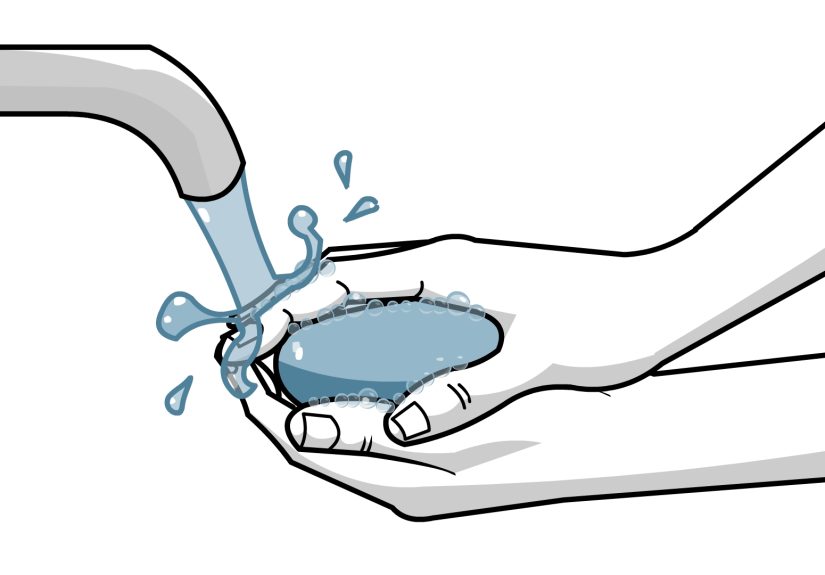
- Lather with a mild soap or gentle cleanser.
- Massage with your fingertips for 20 to 30 seconds.
- Rinse well and repeat if needed.
- Pat dry instead of scrubbing dry.
This method works because most household wall paints today are water-based. Fresh latex paint has not fully bonded to the texture lines in your skin yet, so the combination of water and soap can usually break it up before it settles in like an unwanted houseguest.
Why this method works
Soap helps lift paint particles, and warm water softens the residue enough to help it slide off. The key word is warm, not hot. Hot water may feel extra hardworking, but it can dry your skin out faster than a gossip blog dries up a celebrity friendship.
What people get wrong
The most common mistake is waiting too long. Fresh paint is cooperative. Dried paint is not. Another common mistake is going straight for the stiff nail brush, rough sponge, or mystery garage solvent. Those may remove the color, but they can also strip your skin barrier and leave you with redness, cracking, or a lovely case of “I cleaned too aggressively.”
Helpful example
Say you are painting a bedroom and notice a splash of pale blue latex paint on your forearm. Do not let it sit until the whole room is done and you have also reorganized your closet. Wash it right away with warm water and soap. Nine times out of ten, the paint will come off before it ever becomes a problem.
Way #2: Loosen Stubborn Paint With Oil or Petroleum Jelly
If soap and water got you halfway there but you still look like you lost an argument with a paint roller, try a skin-friendlier oil-based helper. Mineral oil, baby oil, or petroleum jelly can soften dried paint residue so it lifts more easily during the next wash.
Best for
- Dried latex paint residue
- Small patches of oil-based paint on intact skin
- Paint stuck around knuckles, cuticles, or fine arm hair
- People with skin that gets irritated easily from repeated washing
What to do
- Apply a small amount of mineral oil, baby oil, or petroleum jelly to the paint-stained area.
- Let it sit for 1 to 3 minutes so the paint residue can soften.
- Massage gently in circular motions with your fingertips.
- Wipe loosened paint away with a soft cloth or paper towel.
- Wash the area afterward with mild soap and warm water.
- Pat dry and moisturize.
This method is especially useful when paint has settled into dry hands, fingerprint lines, or rough cuticles. Oil helps loosen the grip of stubborn residue without the harshness of paint thinner. And that is important, because your skin is not a roller tray and should not be cleaned like one.
When this works best
Use this approach when paint is clinging in thin patches rather than sitting in a thick blob. It is perfect for those “why are my thumbs still green?” moments after craft painting, furniture touch-ups, or trim work.
What not to use
Skip paint thinner, turpentine, stripper, or random industrial solvents on your skin. Those products may be appropriate for tools or hard surfaces, but they can irritate, dry out, or injure skin. They can also make a minor cleanup issue feel like a chemistry experiment gone off the rails.
Helpful example
Imagine you were staining a small wooden stool and now your fingertips have brown residue that laughs in the face of soap. A dab of petroleum jelly or mineral oil can soften the sticky film. Once it loosens, a second gentle wash usually finishes the job without turning your hands into parchment.
Way #3: Use a Gentle Exfoliation Method for Dried Paint
Sometimes paint is mostly gone, but a stubborn haze still hangs on like the final guest at a party. That is when gentle exfoliation can help. The magic word is gentle. Not “sand the evidence off.” Not “scrub until your ancestors feel it.” Gentle.
Best for
- Thin, dried flakes of paint
- Paint caught in textured skin
- Final cleanup after using soap and water or oil
What to do
- Soak the area in warm water for a few minutes.
- Apply a little mild soap or cleanser.
- Use a soft washcloth to rub in small circles.
- Rinse and check your progress.
- Repeat once or twice if necessary, then stop.
- Apply a fragrance-free moisturizer while the skin is still slightly damp.
This works because soaking softens the dried paint, while the washcloth provides enough friction to lift the residue without the intensity of a rough scrub brush. The moisturizer at the end is not a decorative extra. It helps restore comfort after cleansing and reduces that tight, dry feeling that often follows repeated washing.
What to avoid
- Metal scrubbers
- Pumice on irritated or broken skin
- Harsh exfoliating acids
- Using the edge of your fingernails like a tiny shovel
If your skin is already red, cracked, or stinging, do not exfoliate. That is your cue to stop chasing the last ghost of paint and start protecting the skin instead.
How to Care for Skin After the Paint Is Gone
Removing the paint is only half the job. The other half is making sure your skin does not feel punished for participating.
Aftercare checklist
- Use a fragrance-free moisturizer or ointment after washing.
- Give the skin a break from repeated scrubbing.
- Avoid alcohol-heavy products on irritated areas.
- Wear gloves next time if you are doing extended painting.
If you paint often, prevention is smarter than cleanup. Nitrile or other protective gloves can save your hands a lot of trouble, especially if you are using primers, stains, or solvent-based products. If gloves are not practical for a quick craft project, washing splatters right away is the next best move.
When Paint on Skin Is More Than a Cleanup Issue
Most paint smears are minor. But some exposures need more than a sink and optimism.
Get medical advice or urgent help if:
- The skin is burning, blistering, or swelling.
- You have a painful rash or persistent redness.
- Paint got into your eyes.
- You feel dizzy, nauseated, short of breath, or headachy after using paint.
- The paint involved industrial chemicals, stripper, thinner, or an unknown solvent.
- The exposure involved a child, a large body area, or broken skin.
Also, if the paint job involved sanding or scraping old coatings, especially in an older home, the residue on your hands may not be the only concern. Dust from old paint can carry extra risks. In that case, careful washing, changing clothes, and cleaning up properly matter even more.
Common Mistakes to Avoid
Let’s save you from the classic cleanup errors:
- Waiting until later: Fresh paint is easier to remove than dried paint. Delayed cleanup is how a tiny speck becomes a personal challenge.
- Using harsh solvents on skin: Great for tools. Bad for your body.
- Scrubbing too hard: You can remove paint and your peace of mind at the same time.
- Skipping moisturizer: Repeated washing can dry out skin fast.
- Ignoring irritation: Redness and stinging are signs to stop, rinse, and reassess.
Final Thoughts
If you are wondering how to remove paint from skin without turning your hands into a cautionary tale, the answer is refreshingly low-tech. Start with soap and warm water. Move to oil or petroleum jelly for stubborn residue. Use a soft washcloth for the last bits of dried paint. Then moisturize like you mean it.
The real trick is not brute force. It is choosing the gentlest method that still works. Your skin is surprisingly patient, but it has limits. Respect those limits, and the paint will eventually lose. Usually before your dignity does.
Extra Experiences: What Real Cleanup Moments Usually Feel Like
Anyone who paints with any frequency eventually develops a very specific kind of confidence: “I can totally do this without getting paint on myself.” This confidence is usually followed, within 14 minutes, by a dot of paint on the wrist, a streak on the thumb, and one mysterious smudge on the cheek that nobody mentions until hours later.
One of the most common experiences happens during quick weekend room refreshes. You tape the baseboards, open the can, and promise yourself you will be careful. Then the roller spits one tiny fleck onto your forearm. You ignore it because it looks harmless. An hour later, it has dried into a stubborn little patch that now requires attention, negotiation, and maybe a pep talk. This is exactly why immediate cleanup wins. Tiny splatters are easy roommates if you evict them early.
Craft paint creates a different kind of mess. It shows up during school projects, holiday decorations, or one ambitious “fun family activity” that leaves the table looking like an art teacher blinked. Acrylic paint tends to dry faster than people expect, especially on fingers and around nails. The usual experience here is that the paint comes off the palms easily but hangs on around the cuticles like it has signed a lease. That is where a little oil and a soft cloth tend to feel almost magical.
Then there is the oil-based paint or wood stain situation, also known as the moment a person learns that “just washing harder” is not a strategy. People often describe the residue as greasy, clingy, and weirdly determined. Soap alone seems to smear it around instead of removing it. That is usually when panic enters the chat and someone starts eyeing the paint thinner. Bad idea. The better experience is slower but safer: loosen with oil or petroleum jelly, wipe, wash, moisturize, repeat if needed.
There is also the “I only got a little on me” experience that turns out to be a lie. A painter may notice one visible streak on the hand, scrub that off, and later discover freckles of dried paint near the elbow, behind the wristwatch, or somehow in arm hair. Paint has a remarkable ability to travel like gossip in a small town. This is why good lighting helps during cleanup. What looks clean in a dim bathroom often looks very different in daylight.
And finally, there is the universal lesson nearly everyone learns once: over-scrubbing feels productive right up until your skin starts to sting. At that point, the paint may be gone, but now your hand feels raw, tight, and annoyed. Most experienced DIYers eventually realize the same thing: a slower, gentler approach usually works better than trying to erase the evidence in one dramatic scrub session. In the great showdown between paint and skin, patience is often the real hero.