Table of Contents >> Show >> Hide
You do not need a reality-TV budget to make your home feel better, look sharper, and function like it finally has its life together. The secret is simple: focus on upgrades that change what you see and use every day. Walls, lighting, hardware, airflow, storage, and the front entry do a lot of heavy lifting. Small tweaks in those areas can make your house feel cleaner, brighter, newer, and more valuablewithout triggering a full-blown renovation spiral.
This guide rounds up 30 low-cost home improvement ideas that create outsized results. Some improve style instantly (hello, cabinet hardware and paint), some improve comfort and efficiency (goodbye drafts), and some quietly protect your home from expensive problems later (fresh caulk, better ventilation, smoke alarms that actually work). Think of this as the “smart upgrades” list: practical, doable, and very satisfying.
Why Low-Cost Updates Can Deliver Big Results
High-impact projects usually share three traits:
- They improve high-visibility surfaces like walls, floors, and light fixtures.
- They reduce daily friction with better storage, layout, and usability.
- They improve comfort or efficiency so your home feels better and costs less to run.
In other words, you’re not just decoratingyou’re improving how your home works. That’s why many modest upgrades feel so dramatic after they’re done. One weekend project can make a room feel “finished” in a way that a random expensive purchase never does.
30 High-Impact, Low-Cost Home Improvement Ideas
Paint, Walls, and Finish Upgrades
- Paint one room a fresh neutral. If you only do one thing, paint wins. A clean, modern color instantly makes a room feel brighter and more intentional. Bonus points if you patch nail holes and touch up trim first.
- Create a simple accent wall. Paint, peel-and-stick wallpaper, or a bold color behind a bed, sofa, or desk can add personality without committing your whole house to a dramatic mood.
- Refresh tired trim and baseboards. Crisp white or soft warm-white trim makes everything look cleaner. It’s the home version of putting on fresh sneakers.
- Upgrade your paint finish, not just your color. Using the right sheen matters. Eggshell and satin are often easier to clean than flat paint, and semi-gloss works well on trim and doors.
- Paint interior doors for contrast. A muted black, deep green, or warm gray door adds a custom look on a tiny budget. It’s one of those “Wait… did you renovate?” tricks.
- Install lightweight crown molding or trim details. Foam or PVC trim options can give a room architectural character without the cost of custom millwork. Even one room can change the vibe of the whole floor.
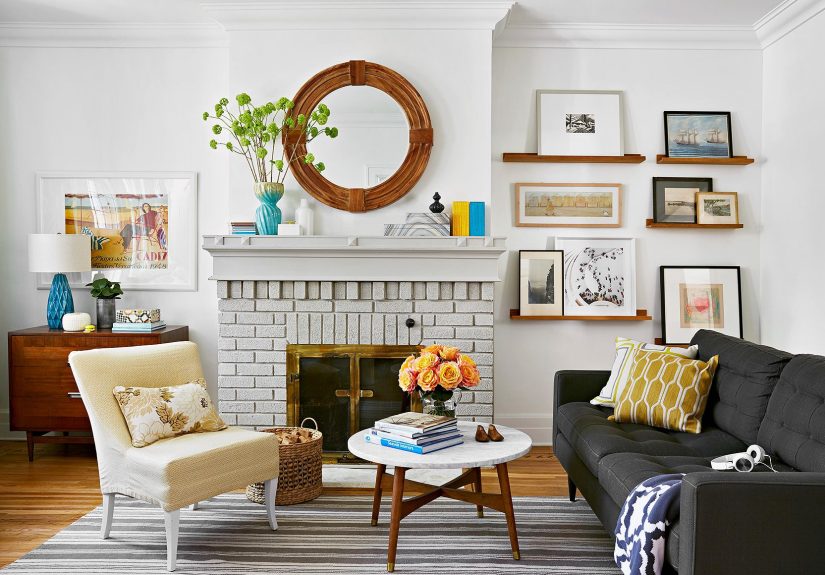
- Repaint or refresh a dated fireplace surround. A cleaned, primed, and properly painted fireplace can shift a living room from “1998 builder basic” to “intentional focal point.”
- Polish or refinish worn wood floors before replacing them. If your hardwood looks dull, a polish or refinish may bring it back to life for far less than replacement. This is often a strong visual and resale-minded move.
Kitchen and Bathroom Upgrades That Punch Above Their Weight
- Swap cabinet knobs and pulls. New hardware is one of the fastest kitchen and bathroom upgrades you can make. Matching finishes across drawers and doors instantly makes cabinets look more current.
- Use a hardware template for clean placement. This tiny step makes a huge difference. Consistent placement is what separates “quick refresh” from “why does that drawer pull look crooked?”
- Paint cabinets instead of replacing them. If the cabinet boxes and doors are solid, paint can dramatically upgrade the room. Prep matters more than heroics: clean, sand lightly, prime, then paint.
- Add open shelving in one strategic spot. A few shelves can boost accessible storage and style in kitchens, laundry rooms, or pantries. Use them for daily-use items, not your entire mug collection from 2012.
- Install a peel-and-stick or small tile backsplash. A backsplash adds color, texture, and a finished look. For budget projects, peel-and-stick options or a small backsplash area behind a range can stretch dollars.
- Replace the bathroom faucet or just the aerator. If a full faucet replacement isn’t needed, a new aerator is a tiny upgrade with real savings. It can also improve flow consistency and reduce splash.
- Upgrade to a WaterSense showerhead. This is a comfort-and-savings double win. Many newer models improve spray performance while using less water, and installation is usually beginner-friendly.
- Re-caulk the tub, shower, and sink. Fresh caulk is cheap, fast, and wildly effective. It makes a bathroom look cleaner and helps prevent water from sneaking into places where repairs get expensive.
- Replace towel bars, robe hooks, and toilet paper holders together. Matching bath accessories create a pulled-together look for very little money. It’s a “small detail” that reads like a bigger remodel.
- Add a framed mirror or upgrade mirror hardware. Builder-grade mirrors can look much better with a simple frame kit or updated clips. The bathroom suddenly looks styled instead of temporary.
Lighting, Comfort, and Energy-Smart Fixes
- Replace old bulbs with quality LED bulbs. This is one of the easiest upgrades in any home. Better color temperature and brighter output can make rooms feel cleaner, larger, and more expensive.
- Upgrade one “hero” light fixture per room. Focus on the fixture people actually notice: dining room, entry, kitchen island, or over the vanity. You don’t need to replace everything at once.
- Add under-cabinet lighting. Even affordable plug-in or battery options can improve task lighting and make kitchens feel more premium. It’s a favorite trick for a reason.
- Seal drafts with caulk and weatherstripping. Air sealing is one of the best budget upgrades for comfort. You’ll feel the difference quickly around doors and windowsespecially during hot or cold months.
- Install door sweeps on exterior doors. This is a tiny part with a surprisingly big impact on drafts, dust, and noise. It’s not glamorous, but your utility bill will notice.
- Reverse or install a ceiling fan for year-round comfort. Ceiling fans help rooms feel cooler in summer and can help circulate warm air in winter. They also make stuffy rooms feel less miserable.
- Use interior shutters or better window coverings. Light control, privacy, and a more finished lookall in one upgrade. Ready-made options can be far more affordable than custom treatments.
- Upgrade insulation in a problem area first. If a bedroom, attic area, or bonus room is always uncomfortable, targeted insulation can make a dramatic difference in comfort and efficiency.
Storage and Functionality Improvements
- Turn awkward corners into storage. Add shelves, hooks, or a small cabinet in underused spaces. Homes feel “bigger” when they work better, not just when they have more square footage.
- Use the space above doors. A shelf above a doorway is inexpensive and unexpectedly useful for display or storage in small rooms, bathrooms, or hallways.
- Create an entry drop zone. A bench, hooks, and a tray for keys can stop clutter at the door. It’s not flashy, but it can reduce chaos more than an expensive remodel ever will.
- Fake a built-in with stock bookcases and trim. Two budget bookcases plus trim and paint can create a custom built-in look around a desk, TV wall, or reading nook.
Curb Appeal and Exterior Wins
- Refresh your front door with paint or stain. Your front door is a focal point. A fresh finish and updated house numbers can make the whole exterior feel more cared for.
- Replace or clean up your house numbers and mailbox. These are tiny details that buyers and guests notice immediately. Go for clear, readable, and consistent finishes.
- Add mulch and edge your planting beds. Clean bed lines and fresh mulch are curb-appeal magic. It’s affordable, fast, and makes landscaping look intentionally maintained.
- Divide and replant existing perennials. If you already have mature plants, divide them to fill empty spots for free. Your yard looks fuller without another garden-center receipt.
- Add low-cost solar path lights. A few lights along a walkway improve nighttime safety and make the exterior look more polished after dark.
- Power-wash the front walk, porch, or siding. Dirt makes everything look older. A good cleaning often feels like a mini-makeover before you even buy materials.
Safety and Preventive Upgrades
- Test and update smoke alarms. This is a safety upgrade, not a décor onebut it’s high impact in the most important way. Make sure alarms are installed in the right places and working properly.
- Improve bathroom ventilation. A better fan (or actually using the one you have) helps reduce moisture and mold issues. It’s a comfort upgrade and a maintenance strategy.
- Use lead-safe practices in older homes. If your home was built before 1978, treat paint disturbance carefully. Even “small” DIY projects like sanding and scraping need safe setup and cleanup.
- Make a mini maintenance kit and keep it handy. Caulk, touch-up paint, spare filters, felt pads, and a screwdriver set can help you handle small issues before they become expensive ones.
How to Prioritize the Right Projects for Your Home
If you’re wondering where to start, use this order:
- Fix what can cause damage (leaks, bad caulk, moisture, safety issues).
- Improve comfort and efficiency (drafts, lighting, ventilation).
- Upgrade high-visibility finishes (paint, hardware, fixtures).
- Add style and convenience (storage, shelves, curb appeal).
This approach keeps your budget from disappearing into “pretty but pointless” changes while your bathroom fan sounds like a helicopter and your front door still sticks. Glamour is nice. Function first is smarter.
Common Budget Mistakes to Avoid
- Skipping prep work: Most DIY disappointments are prep problems, not product problems.
- Buying everything at once: Phase projects by room or category so you can adjust as you go.
- Mixing too many finishes: Keep metals and paint tones consistent within a room.
- Ignoring maintenance items: Fresh caulk and airflow aren’t flashy, but they save money later.
- Over-customizing before a sale: If resale matters, choose broadly appealing finishes and colors.
Real-World Experiences With Low-Cost Home Improvement Ideas
One of the most useful things homeowners learn is that “cheap” and “low quality” are not the same thing. The best low-cost improvements are usually simple, practical, and visible. A lot of people expect the biggest impact to come from a major remodel, but in real life, the projects people rave about later are often the ones that fixed daily annoyances.
For example, painting walls and trim is a classic budget upgrade because the payoff is immediate. A room that felt dark, cluttered, or tired can suddenly feel calm and clean just because the color is better and the edges are crisp. The same thing happens when homeowners replace old cabinet pulls or update one ugly light fixture. Nobody says, “Wow, amazing screw installation.” But they do say, “This kitchen looks so much better.” That’s the point.
Another common experience is discovering that comfort upgrades feel more luxurious than decorative ones. Sealing drafts, replacing a noisy bath fan, or installing a better showerhead doesn’t always look dramatic in photos, but it changes the way a home feels every single day. A bedroom that stays comfortable at night, a bathroom that doesn’t stay damp for hours, or a hallway that’s no longer freezing in winter can make a home feel “upgraded” in a deeper way than a trendy paint color ever could.
Homeowners also tend to underestimate how much curb appeal affects their own mood, not just resale value. Fresh mulch, a painted front door, clean house numbers, and a tidy entry path create a stronger first impression every time you come home. It sounds small, but it adds up psychologically. People often feel more motivated to keep up the rest of the house once the exterior starts looking cared for.
There’s also a pattern that shows up again and again: small wins create momentum. Someone starts by re-caulking a bathroom, then replaces the towel bar, then swaps the faucet, then paints the vanity. None of those projects alone is a “renovation,” but together they transform the space. That momentum matters because big home projects can feel overwhelming. A list of affordable, high-impact upgrades gives people a realistic way to make progress.
Finally, experienced DIYers will tell you the same thing: planning is what keeps low-cost projects low-cost. Measuring before buying, testing paint colors, using a hardware template, and doing prep work can prevent expensive do-overs. The most successful budget upgrades are rarely rushed. They’re simple projects done carefully.
So if you’re trying to improve your home without draining your savings, don’t wait for the “perfect” budget. Start with one visible, useful project this weekend. Then do the next one. A home that feels better is usually built one smart improvement at a timenot one giant remodel and a stress headache.
Conclusion
The smartest home upgrades are often the simplest ones. Paint, lighting, hardware, airflow, storage, and curb appeal can completely change how a home looks and feelswithout the cost of a full remodel. If you want the biggest return on effort, start with projects you’ll notice daily and that protect your home long-term. That’s how you get real impact on a real budget.