Table of Contents >> Show >> Hide
- Why Victorian Men Look So Good in Portraits
- A Quick, Non-Boring Guide to Victorian Photo Types
- The 45 “Pics” (Aka: 45 Victorian Gentleman Vibes You’ll Recognize Instantly)
- How to Find Real “Handsome Victorian Men” Photos Without Getting Tricked
- What These Portraits Tell Us About Style (Yes, You Can Steal the Vibe)
- Extra: of “Victorian Handsome” Experience (The Rabbit Hole Is Real)
- Conclusion
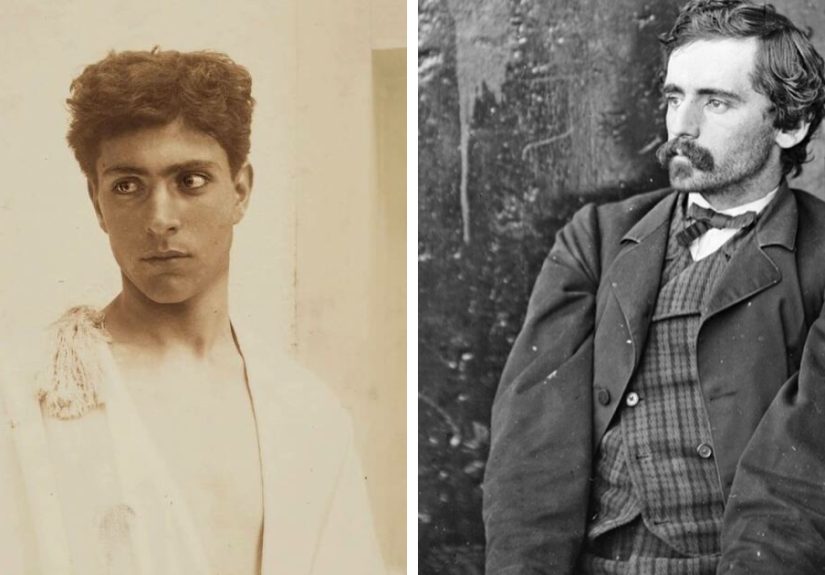
If you’ve ever stumbled across a crisp 19th-century portrait and thought, “Why does this man look like he’s about to
(1) solve a mystery, (2) write a tragic poem, and (3) steal my entire attention span?” welcome. Victorian-era portraits
have a weird superpower: they make ordinary men look iconic, elegant, and quietly unstoppable.
This isn’t just “old photos are neat.” It’s the whole package: razor-sharp tailoring, deliberate grooming, studio lighting,
and a camera process that basically demanded, “Sir, please hold your dignity perfectly still.” Add in a few legendary mustaches,
a frock coat that means business, and a gaze that says “I pay my debts and I know a guy who makes the best tea,” and you’ve got
the internet swooning across centuries.
Why Victorian Men Look So Good in Portraits
Let’s get one thing straight: Victorian photography was not the era of casual selfies. People dressed for portraits the way many
people dress for weddings today as if the photograph might be framed, passed down, and used as evidence that the family once
contained at least one person who could pull off a pocket watch.
1) Clothing was structured to flatter
Victorian menswear had strong lines: fitted coats, crisp collars, waistcoats that smoothed the silhouette, and neckwear that
basically said, “I am respectable, and I have opinions about proper penmanship.” A classic example is the frock coat, which
could be knee-length and tailored to create a long, clean shape part armor, part elegance.
2) Grooming was a whole identity
Beards, mustaches, and sideburns weren’t just facial hair they were personal branding. Think of them as the Victorian version
of “my aesthetic.” Some looks were full and heroic; others were sharply sculpted. Either way, the face was framed on purpose.
3) Early photography made “stillness” look powerful
Many 19th-century photographic processes rewarded patience. Subjects often had to hold a pose long enough for the camera to do
its work. The result? Portraits where people appear steady, composed, and almost stage-actor confident because they literally
had to be.
A Quick, Non-Boring Guide to Victorian Photo Types
When people say “Victorian portrait,” they’re often talking about a few popular formats that spread through studios and family
albums. Knowing the basics makes the images even more fun to recognize (and yes, it’s absolutely fine to become the person who
says, “That’s a cabinet card,” at parties).
Daguerreotypes: the shiny, early icons
Daguerreotypes were among the earliest widely used photographic portraits. They can look mirror-like, often protected in cases.
Early exposures could be long; improvements eventually made portraiture more practical.
Cartes de visite: the pocket-sized “calling card” portraits
These were small albumen prints mounted on card stock easy to trade, collect, and tuck into albums. Think: Victorian social
networking, but with less doomscrolling and more formal collars.
Cabinet cards: the bigger, bolder studio flex
Cabinet cards were larger than cartes de visite, with the same general idea: a photographic print mounted on a sturdy card.
Studios often stamped their names on the back or printed fancy branding, because even in the 1800s, marketing was undefeated.
The 45 “Pics” (Aka: 45 Victorian Gentleman Vibes You’ll Recognize Instantly)
Since the internet won’t let us time-travel into a Victorian studio for a fresh batch of portraits, we’re doing the next best
thing: a lovingly curated list of the most swoon-worthy portrait archetypes the looks, poses, and details that make these men
unforgettable. Picture each one as a tiny window into a life: a job, a city, a family, a personality… and a truly committed mustache.
- The “Respectable Bank Clerk” hair neatly parted, suit immaculate, expression calmly judging your interest rate.
- The Velvet-Collar Charmer rich textures, soft lapels, and the subtle confidence of a man who owns gloves on purpose.
- The Sideburn Strategist sideburns sculpted like architecture; cheekbones unexpectedly doing the heavy lifting.
- The Poet with a Pocket Watch distant gaze, tidy cravat, and the energy of someone who writes letters by candlelight.
- The “I Definitely Read Newspapers” Gentleman stern posture, steady eyes, and a vibe that screams “informed citizen.”
- The Soft-Curled Romantic slightly longer hair, gentle expression, looks like he could apologize sincerely.
- The Military Mustache Moment uniform details, a proud stance, and a mustache that arrived five minutes before he did.
- The Engineer Who Knows Things practical suit, calm face, hands positioned like he’s about to explain bridges.
- The “Sunday Best” Portrait polished shoes you can’t see, but you can feel the effort anyway.
- The Scholar in Spectacles glasses, composed smile, and a quiet “I own multiple dictionaries” aura.
- The Full-Beard Philosopher beard like a warm blanket; expression like a complicated thought is underway.
- The Baby-Faced Overachiever smooth cheeks, sharp suit, looks 19 going on “regional manager.”
- The Dramatic Three-Quarter Turn angled body, direct eyes, absolutely understood the power of posing.
- The Dark Waistcoat Icon waistcoat buttoned flawlessly, tie pinned neatly, zero time for nonsense.
- The “I Own a Horse” Guy confident posture, outdoorsy energy, even indoors somehow.
- The Gentle Smile Surprise rare, warm, disarming; makes you forget everyone else was stoic on purpose.
- The Impossibly Crisp Collar collar so sharp it could slice bread; jawline matching the commitment level.
- The Hair Pomade Professional shine, structure, and not a strand out of place in any century.
- The Unbothered Artist slightly rumpled elegance; looks like he knows a better café than you.
- The “Yes, That’s a Cane” Pose accessory game strong; cane held like a punctuation mark.
- The Bow Tie Rebel small detail, big statement; definitely the fun cousin at family events.
- The Buttoned-Up Stoic everything fastened, everything precise, emotion carefully filed away.
- The Charming Tilted Head subtle tilt, softer eyes, and the air of a man who can listen.
- The “Freshly Shaved & Dangerous” Look clean face, strong features, and a hint of mischief in the calm.
- The Curly Mustache Show-Off ends curled like punctuation; confidence levels cannot be contained.
- The Long-Coat Silhouette coat drape on point; looks like he enters rooms with theme music.
- The “I Have a Lecture Later” Gentleman smart, tidy, mildly tired, still photogenic.
- The Suspender Energy you can’t always see them, but the posture suggests suspenders are involved.
- The Watch Chain Flex chain catching the light; subtle “yes, I’m punctual” brag.
- The Handsome Farmer Portrait practical clothes, steady eyes, looks like he can fix anything.
- The “City Guy, Small Smile” faint smirk, confidence from being in a bustling place.
- The Serious Suit with Soft Eyes formal outside, kind inside; your heart has already made a decision.
- The Starched Cravat King neckwear immaculate; probably gave excellent advice unprompted.
- The “One Hand in Jacket” Pose classic, controlled, and somehow universally effective.
- The Dapper Teen Who Looks 35 tiny adult; dressed like he has taxes and feelings about them.
- The “I’m Here for Business” Face direct stare; posture straight; definitely arrived early.
- The Gentle Giant broad shoulders, soft expression, feels like safety in a suit.
- The Romantic Scribbler slightly dreamy eyes; looks like he writes in the margins of books.
- The “New Hat, New Me” Portrait hat perfectly placed; confidence boosted 30% instantly.
- The Patterned Waistcoat Surprise subtle pattern; taste level high; still understated.
- The “I Know a Secret” Smile tiny grin; eyes bright; you want the gossip immediately.
- The Quietly Elegant Older Gentleman wrinkles with dignity; style with intention; charm with history.
- The “Photographer’s Favorite” posture flawless; lighting loves him; the camera simply understands.
- The Final Boss Mustache mustache at maximum power; you can only admire from a safe distance.
How to Find Real “Handsome Victorian Men” Photos Without Getting Tricked
If you want the real deal (not modern “Victorian-inspired” cosplay, and not a random photo mislabeled for clicks), here are a few
smart ways to hunt:
- Search digital collections from major libraries and museums. Public institutions often provide dates, formats, and provenance.
- Learn the format clues. Card size, studio branding, and print style can hint at whether it’s a carte de visite or cabinet card.
- Read the back if you can. Studios often stamped names and locations, which can help you place the portrait in time and region.
- Use keywords like “cabinet card,” “carte de visite,” “albumen print,” and “daguerreotype.” You’ll surface better cataloged results.
Also: a gentle reminder that “Victorian” gets used loosely online. The Victorian era is typically 1837–1901 (Queen Victoria’s reign),
but similar portrait styles can overlap into the early 1900s. If the photo looks a little more “modern” softer collars, different hair
it might be from the Edwardian transition years.
What These Portraits Tell Us About Style (Yes, You Can Steal the Vibe)
You don’t need a time machine or a tailor named Edmund to borrow Victorian portrait energy. A few takeaways translate surprisingly well:
Dress with intentional lines
Victorian menswear favored structure. Modern version: a well-fitted jacket, a clean shirt collar, and pants that actually fit your body (wild, I know).
The point is silhouette and confidence, not costume.
Grooming is communication
Whether it was a full beard or a tidy mustache, facial hair often looked deliberate. Modern version: whatever you choose, make it look chosen.
Even a simple haircut can feel “Victorian portrait approved” if it’s neat and consistent.
Posture is a cheat code
Many Victorian portraits have one shared secret: posture. Straight shoulders, relaxed face, steady gaze. You can look 20% more confident in photos
just by standing like you mean it (and breathing like a human).
Extra: of “Victorian Handsome” Experience (The Rabbit Hole Is Real)
A very common experience with Victorian portraits goes like this: you mean to look at one image just one and then somehow it’s an hour later,
you’ve saved seventeen favorites, and you’re personally invested in a man named “J. H. Whitaker” because his mustache is impeccable and his studio
backdrop includes a suspiciously dramatic curtain.
The first stage is curiosity. You notice the clothing: a waistcoat that fits like it was built into the man, a tie pin catching the light, a collar
sitting perfectly against the neck. Then the face hits you not in a “modern influencer” way, but in a “quiet confidence” way. There’s a steadiness
in the eyes that feels almost contemporary, like the subject is both distant and incredibly present.
Stage two is detail addiction. You start zooming in (respectfully) on the small choices: the part in the hair, the texture of a beard, the precise
angle of a head tilt. You realize Victorian portraits are full of micro-decisions. People didn’t just show up; they prepared. The photo was a statement:
“This is how I want to be remembered.” And that intention can feel surprisingly moving even when the subject looks like he would absolutely scold you
for stepping on the carpet with muddy boots.
Stage three is imagination. You begin inventing stories. Was he a shopkeeper? A teacher? A soldier? Did he save up for this portrait? Was this sent to
family far away? You might notice studio branding or a handwritten note and suddenly the image becomes a breadcrumb trail a clue to a place, a time,
a community. The handsomeness becomes less about “perfect features” and more about humanity: the sense that a real person stood there and decided to be
seen.
Then comes the social phase. You show a friend. You text a sibling. You post, “Tell me this man wouldn’t absolutely destroy the modern dating app scene,”
and the replies roll in. Someone recognizes the format. Someone knows the era by the collar. Someone else simply screams in all caps about the mustache.
Victorian portrait appreciation becomes a tiny group hobby part fashion study, part history lesson, part wholesome thirst-trap archaeology.
And finally, you develop standards. You start noticing what makes a portrait “hit”: the lighting, the clarity, the calm expression, the way a frock coat
frames the body. You appreciate that the photograph isn’t just a face it’s technology, culture, style, and personal pride in one small rectangle.
At that point, yes: the handsome Victorian men are living rent-free in your heart, and frankly, they’re excellent tenants.
Conclusion
Victorian portraits don’t charm us because the past was magically better they charm us because they’re intentional. They capture people who chose
how to show up: in their best clothes, with their grooming on purpose, standing still long enough to be recorded by a new technology that felt like
a miracle. The result is a gallery of faces that still feel oddly familiar dignified, stylish, and sometimes surprisingly tender.
So the next time you find yourself staring at a cabinet card gentleman thinking, “Sir, how dare you be this photogenic in 1872,” just remember:
you’re not alone. The Victorian handsome renaissance is real, and it’s delightful.