Table of Contents >> Show >> Hide
- Why Cartilage Is a Different Beast Than Earlobes
- The “Do This, Not That” Shopping List (Without Turning Your Bathroom into a Lab)
- 15 Steps to Get a Cartilage Piercing Safely (Without DIY Regret)
- Step 1: Decide whether you actually want a cartilage piercingor just the aesthetic fantasy
- Step 2: Pick the location based on your life, not just your Pinterest board
- Step 3: Check your “risk factors” before you book
- Step 4: Choose a professional piercer like you’re hiring someone for a tiny, stylish medical procedure
- Step 5: Ask the unsexy questions (they’re the most important ones)
- Step 6: Avoid piercing guns for cartilagefull stop
- Step 7: Choose starter jewelry that’s built for healing
- Step 8: Schedule your piercing around real life
- Step 9: Prepare your body like you’re doing something mildly athletic
- Step 10: Arrive clean, and skip anything that increases bleeding
- Step 11: Let the piercer mark placementand be picky (politely)
- Step 12: Follow aftercare that supports healing, not “internet dares”
- Step 13: Don’t twist, spin, or “check it” every five minutes
- Step 14: Protect it from friction, pressure, and surprise attacks
- Step 15: Know what’s normal… and what means “get help now”
- Aftercare Cheat Sheet (Cartilage Edition)
- If You Already Tried to Pierce Your Own Cartilage
- FAQs
- Real Experiences: What People Say After Attempting DIY Cartilage Piercing (About )
- Conclusion
Quick reality check: “Piercing your own cartilage” sounds like a bold, budget-friendly adventure. In practice, it’s one of those DIY projects that belongs in the same category as “cutting your own bangs the night before picture day.” Cartilage piercings have a higher risk of infection and complications than earlobes, and if something goes wrong, it can go really wrong (pain, swelling, scarring, and in worst cases, deformity).
So here’s the deal: I’m not going to walk you through “how to shove a needle through your ear at home.” Instead, this article gives you the safest, smartest path to the look you wantwhile still honoring the spirit of the title. Think of these as the 15 steps to getting a cartilage piercing safely (even if you’re currently flirting with the DIY idea).
If you already attempted it, don’t panicthere’s a section below on what to do next and when to get medical help.
Why Cartilage Is a Different Beast Than Earlobes
Your earlobe is soft tissue with decent blood flow. Your cartilage is tougher, has less blood supply, and heals more slowly. Translation: it’s less forgiving. That’s why irritation bumps, delayed healing, and infections are more common with helix/upper-ear piercings than with standard lobe piercings.
Also: cartilage doesn’t appreciate blunt force. That’s why reputable studios use single-use sterile needles instead of piercing gunsguns can cause more trauma to tissue and increase complication risk.
The “Do This, Not That” Shopping List (Without Turning Your Bathroom into a Lab)
If you’re getting pierced by a pro (the recommended route), you don’t need to buy a bunch of equipment. You do want to be informed about:
- Jewelry material: look for implant-grade options (commonly implant-grade titanium) or other body-safe metals.
- Aftercare: sterile saline wound wash is a common go-to; harsh cleaners can irritate healing skin.
- Lifestyle adjustments: sleeping position, headphones, hair products, helmets, and swimming plans matter more than people expect.
15 Steps to Get a Cartilage Piercing Safely (Without DIY Regret)
-
Step 1: Decide whether you actually want a cartilage piercingor just the aesthetic fantasy
Cartilage piercings are cute. They’re also a commitment. Healing can take months, and they don’t love being bumped, slept on, or “tested” by twist-happy fingers. If you want something low-maintenance, consider a second lobe or a curated ear stack using high-quality cuffs.
-
Step 2: Pick the location based on your life, not just your Pinterest board
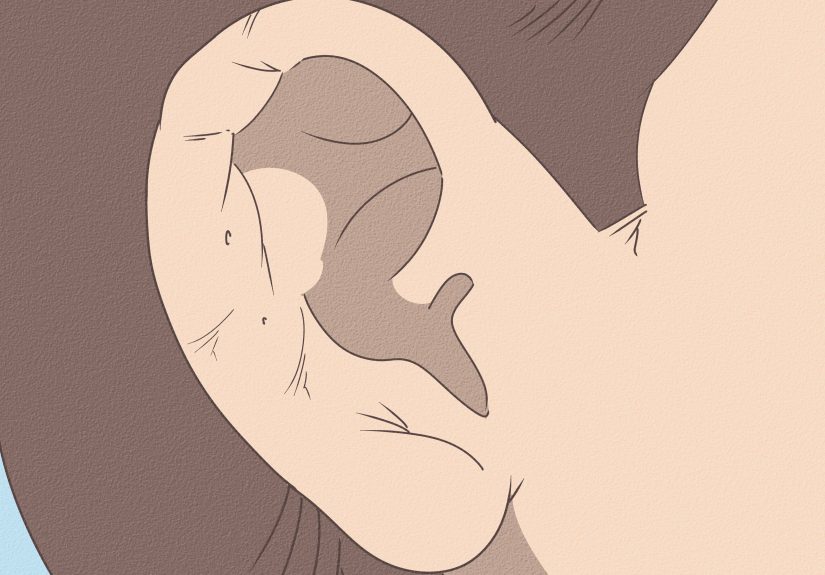
Helix, forward helix, conch, traguseach has a different “annoyance profile.” Wear a motorcycle helmet? Over-ear headphones daily? Sleep on one side? Those details can make the difference between “healed and happy” and “why is my ear mad at me six months later?”
-
Step 3: Check your “risk factors” before you book
If you have a history of keloids, severe skin reactions, immune issues, diabetes, or you take blood thinners, talk to a clinician first. This isn’t about gatekeeping; it’s about reducing the odds of complications that are expensive, painful, and wildly un-fun.
-
Step 4: Choose a professional piercer like you’re hiring someone for a tiny, stylish medical procedure
Look for a licensed/reputable studio with strong hygiene practices and a piercer who answers questions without acting offended that you care about safety. Bonus points if they emphasize sterile technique and evidence-based aftercare.
-
Step 5: Ask the unsexy questions (they’re the most important ones)
Ask how they sterilize tools (autoclave), whether needles are single-use, and what their jewelry standards are. A good piercer won’t dodge thesethey’ll be proud to explain.
-
Step 6: Avoid piercing guns for cartilagefull stop
If a place offers cartilage piercings with a gun, that’s your cue to moonwalk out. Cartilage generally needs a needle-based approach to reduce trauma and lower the risk of nasty complications.
-
Step 7: Choose starter jewelry that’s built for healing
For many cartilage piercings, a properly sized stud or flat-back style is often easier to heal than a hoopbecause it moves less and gets snagged less. Also, choose body-safe metal (implant-grade materials are common recommendations) to reduce irritation and allergic reactions.
-
Step 8: Schedule your piercing around real life
Got a beach vacation next week? Swim team practice? A week of wearing tight headsets? Delay the piercing. Fresh cartilage piercings + water exposure + friction = a drama triangle you don’t want starring in your ear.
-
Step 9: Prepare your body like you’re doing something mildly athletic
Eat beforehand. Hydrate. Sleep. Avoid showing up hungover, dehydrated, or having lived on iced coffee and vibes. Your body heals better when it’s not running on empty.
-
Step 10: Arrive clean, and skip anything that increases bleeding
Shower, wash your hair, and avoid alcohol right before your appointment. If you’re unsure about medications or supplements that affect bleeding, ask a clinician. The goal is a calmer piercing experience and smoother healing.
-
Step 11: Let the piercer mark placementand be picky (politely)
Cartilage placement is about anatomy, not just symmetry. Ask to see the mark in a mirror from multiple angles. If it feels off, speak up. This is your ear, not a temporary sticker.
-
Step 12: Follow aftercare that supports healing, not “internet dares”
Good aftercare tends to be boringand that’s a compliment. In many professional aftercare guides, the basics include washing hands before touching the area, gently rinsing/cleaning as instructed, using sterile saline wound wash, and patting dry with clean disposable materials. Avoid over-cleaning and avoid harsh products that can irritate healing tissue.
-
Step 13: Don’t twist, spin, or “check it” every five minutes
New piercings don’t need constant handling. Touching introduces bacteria and creates irritation. If you’re a fidgeter, redirect that energy to something saferlike clicking a pen, not rotating jewelry like you’re cracking a safe.
-
Step 14: Protect it from friction, pressure, and surprise attacks
The biggest enemies of cartilage healing are: sleeping on it, snagging it on hair/hoodies, over-ear headphones, helmets, and toddlers with the grip strength of a bear. Consider a travel pillow for side sleepers and be mindful with masks, hats, and hairbrushes.
-
Step 15: Know what’s normal… and what means “get help now”
Some redness, tenderness, and mild swelling early on can be normal. What’s not normal: rapidly worsening pain, hot skin, thick yellow/green discharge, fever, severe swelling, or the ear looking increasingly red/purple/dark. Cartilage infections can become seriousdon’t “wait it out” if things are escalating.
Aftercare Cheat Sheet (Cartilage Edition)
- Hands off: touch only for cleaning, and only with clean hands.
- Keep it simple: sterile saline wound wash is commonly recommended; avoid harsh irritants.
- Dry gently: use clean disposable materials; avoid reusing towels that can snag or harbor bacteria.
- Limit trauma: reduce pressure from sleeping, headphones, helmets, and hair pulling.
- Be patient: cartilage often takes longer than lobesthink months, not days.
If You Already Tried to Pierce Your Own Cartilage
If you’ve already attempted a DIY cartilage piercing, your priority is reducing harm:
- Don’t “experiment” further (no re-piercing, widening, or swapping jewelry constantly).
- Watch for infection signs like worsening redness, heat, swelling, pus, fever, or severe pain.
- Get medical help promptly if symptoms involve cartilage or rapidly worsen. Cartilage infections may need prescription treatment.
- Consider seeing a reputable piercer for assessment of jewelry fit and placement (without them “fixing” it by re-piercing on the spot).
FAQs
Is it safe to pierce your own cartilage at home?
It’s significantly riskier than getting pierced by a trained professional using sterile technique and proper jewelry. Cartilage complications can be more severe than lobe issues, and infections can escalate fast.
How long does cartilage take to heal?
Healing varies by person and placement. Many people feel “surface healing” earlier, but cartilage can take many months to fully settle. Plan for a long-term aftercare mindset.
What’s the biggest mistake people make?
Over-cleaning, touching/twisting, sleeping on it, and changing jewelry too soon. In other words: doing too much. Healing likes consistency and calm.
Real Experiences: What People Say After Attempting DIY Cartilage Piercing (About )
Ask around (or spend five minutes in any piercing forum) and you’ll notice a pattern: most “I pierced my own cartilage” stories don’t start with, “And then everything went perfectly.” They start with confidence, end with regret, and include at least one frantic sentence involving the words “swollen,” “throbbing,” or “why is it hot?”
Experience #1: The “It Was Fine… Until It Wasn’t” arc. One common story is someone who DIY’d a helix piercing and felt triumphant for about 48 hours. Then the swelling kicked in, the area turned angry-red, and sleeping became a nightly negotiation. The piercing didn’t necessarily get infectedsometimes it was “just” irritation from trauma, bad angle, or constant touching. But irritation can last for weeks, and it can look scary enough to ruin your peace.
Experience #2: The headphone heartbreak. People forget how often they press things against their ears. Over-ear headphones, helmets, phone calls, hair tucked behind the eartiny pressure repeated a hundred times a day is like gentle sandpaper to a fresh cartilage piercing. A lot of DIY attempts fail not because of one huge mistake, but because of a thousand small bumps, snags, and sleeps-on-it “oops” moments.
Experience #3: The “I cleaned it TOO MUCH” surprise. Some folks go full disinfectant mode: alcohol, peroxide, strong soaps, multiple times a day. The logic is understandable“kill germs!”but the result can be irritated, dried-out skin that feels worse and heals slower. Several dermatology and professional piercing aftercare resources emphasize avoiding harsh products and sticking with gentle, appropriate cleaning.
Experience #4: The jewelry lesson. Another frequent regret is using mystery metal jewelry. Nickel sensitivity and low-quality finishes can turn a healing piercing into a constant itch-and-redness situation that looks like infection but behaves like allergy. People often report improvement after switching (with professional help) to body-safe, implant-grade materials and correctly sized jewelry that isn’t too tight.
Experience #5: The “I wish I’d paid the pro fee” conclusion. The most common ending is also the simplest: “I should’ve gone to a professional piercer.” Not because DIY people are reckless villainsusually they’re trying to save money or avoid a trip. But cartilage doesn’t reward shortcuts. Many who tried DIY eventually paid more: for a professional consult, new jewelry, and sometimes medical care if infection set in.
The takeaway: If you want a cartilage piercing that heals well and looks great long-term, your best “hack” is boring: pick a reputable studio, get pierced with sterile technique and proper jewelry, and then leave it alone like it’s a moody houseplant that thrives on being ignored.
Conclusion
If you came here hoping for a home piercing playbook, consider this your friendly intervention. Cartilage piercings are absolutely doablebut they’re not a great DIY project. The safest route is a professional piercer, sterile technique, body-safe jewelry, and calm, consistent aftercare. Your future self (and your ear) will thank you.