Table of Contents >> Show >> Hide
- Why Internal Links Still Matter More Than Many Sites Realize
- Tactic #1: Build Internal Links for Engagement, Not Just for Search Engines
- Tactic #2: Favor Extreme Topical Relevance Over Random Link Quantity
- Tactic #3: Add Context With Better Anchor Text and Better Placement
- Tactic #4: Make Sure Every Important URL Earns Internal Links
- Tactic #5: Audit Regularly for Orphan Pages, Weak Pages, and Missed Opportunities
- Common Internal Linking Mistakes That Quietly Hurt SEO
- A Simple Internal Linking Framework You Can Actually Use
- Conclusion
- Experience From the Field: What Happens When You Actually Fix Internal Links
- SEO Tags
Backlinks usually get the confetti cannon, but internal links are the quietly competent coworker who keeps the whole office from catching fire. They help search engines discover pages, understand relationships between topics, and figure out which URLs matter most. Even better, they help real humans do what humans love most on the web: click the next useful thing without feeling lost.
If your site has dozens, hundreds, or thousands of pages, internal linking is not a decorative flourish. It is site architecture, content strategy, user experience, and SEO leverage all dressed up in one humble hyperlink. Done well, internal linking can strengthen topical authority, surface buried pages, support conversions, and keep visitors moving through your content like they are following a trail of smart breadcrumbs instead of wandering around a digital corn maze.
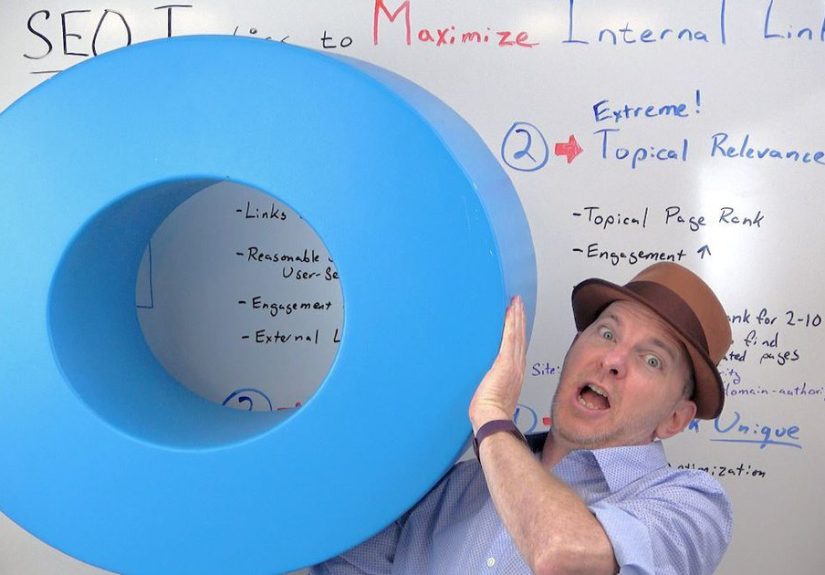
This article breaks down five practical internal linking tactics inspired by the ideas behind Moz’s Whiteboard Friday approach to the topic. The goal is simple: build an internal linking strategy that is useful, scalable, and strong enough to help both Google and your readers connect the dots.
Why Internal Links Still Matter More Than Many Sites Realize
Internal links do more than connect Page A to Page B. They create pathways. Those pathways tell search engines how your website is organized, which pages belong together, and which destinations deserve more visibility. They also influence how authority flows across your domain. In plain English, internal links help your best pages lend some muscle to pages that need a boost.
They also improve the reading experience. A good internal link answers the reader’s next question before they have to ask it. A weak internal link does the opposite. It throws in a random “read more” and hopes for the best, which is sort of like being a tour guide who points vaguely at the horizon and says, “Adventure is over there somewhere.”
When internal linking is strategic, it supports crawlability, strengthens content clusters, reduces orphan pages, and helps important commercial or informational pages earn more visibility. That is why the smartest SEO teams do not treat internal links as an afterthought tacked on during publishing. They treat them as a built-in part of content design.
Tactic #1: Build Internal Links for Engagement, Not Just for Search Engines
The first mistake many websites make is linking for robots while forgetting readers. Yes, internal links help crawlers. But the best internal links also keep people engaged. That means the ideal link is not merely present. It is useful, timely, and placed exactly where the next click makes sense.
What this looks like in practice
Imagine you publish a guide called How to Start a Vegetable Garden. Somewhere in that article, readers will naturally want more detail on raised beds, compost, watering schedules, and beginner-friendly crops. Those are perfect opportunities for internal links because they match the reader’s current intent. The click feels helpful, not forced.
How to do it well
- Link to the next logical step in the user journey.
- Prioritize links that extend the topic rather than interrupt it.
- Use in-content links where curiosity naturally peaks.
- Think like an editor, not a machine.
A strong internal link says, “Here is the next thing you actually need.” A weak internal link says, “I was told to add five links, so now everyone suffers.” Keep the first one. Fire the second one into the sun.
Tactic #2: Favor Extreme Topical Relevance Over Random Link Quantity
More internal links are not automatically better. Relevance beats volume. If a page about email marketing links to a page about patio umbrellas for no good reason, you are not creating a smart site structure. You are creating confusion with ambition.
The most effective internal links connect tightly related pages. Search engines use those patterns to better understand topical relationships. Readers use them to keep learning without losing context. That is why topic clusters, content hubs, and strong category structures continue to work so well. They group related ideas together and support them with meaningful internal pathways.
Think in clusters, not loose articles
A site with one pillar page and several supporting articles can use internal links to reinforce subject depth. For example, a pillar page on Technical SEO can link to subpages on crawl depth, XML sitemaps, canonical tags, site speed, and internal linking audits. Those subpages should also link back to the pillar and, where appropriate, to each other.
Questions to ask before adding a link
- Is the target page truly the best next resource?
- Does this link help the reader accomplish something?
- Does the relationship between the pages make semantic sense?
- Would I still add this link if search engines did not exist?
If the answer is yes, you are probably onto something useful. If the answer is “well, technically both pages contain words,” maybe keep looking.
Tactic #3: Add Context With Better Anchor Text and Better Placement
Anchor text is the tiny label on the door. If the label says “click here,” nobody knows what is behind it. If the label says “internal linking audit checklist,” both the reader and the search engine get a much clearer idea of the destination.
Descriptive anchor text helps users scan content and understand what they will get after clicking. It also gives search engines contextual signals about the linked page. That does not mean you should spam exact-match keywords into every sentence like a maniac with a thesaurus and a caffeine problem. It means you should write naturally, specifically, and with intent.
Weak anchor text examples
- Click here
- Read more
- This article
- Learn more
Stronger anchor text examples
- internal linking audit template
- topic cluster strategy for B2B blogs
- how to find orphan pages in a site crawl
- SEO content brief examples
Placement matters too. Internal links buried in boilerplate sidebars or repetitive navigation are often less valuable than context-rich links inside the main body copy. A link placed near a relevant paragraph carries more meaning because it is surrounded by supporting language and clear user intent.
Good anchor text plus good placement is where internal linking starts to feel less like a checkbox and more like smart publishing.
Tactic #4: Make Sure Every Important URL Earns Internal Links
Every site has priority pages. These may be service pages, product categories, cornerstone guides, lead-generation landing pages, or high-value articles that support major keywords. If those pages are difficult to reach, weakly linked, or practically invisible in the architecture, the site is working against itself.
This is where a lot of content-heavy websites quietly lose SEO value. They publish good pages, then leave them stranded. No supporting links. No contextual mentions. No path from older articles. No breadcrumbs. Just a lonely URL sitting in the sitemap wondering whether anybody remembers it exists.
Pages that usually deserve extra internal links
- Core service and product pages
- Pillar content and definitive guides
- Revenue-driving category pages
- New strategic content that needs visibility fast
- Pages ranking on page two that need a push
How to strengthen priority pages
Start with your strongest existing assets: high-traffic articles, authoritative pages, and well-linked category hubs. From there, add contextual internal links pointing toward your priority URLs. This helps distribute value across the site while also signaling that these destinations matter.
You do not need every page to link to every other page. You need the right pages linking to the right destinations for the right reasons. Internal linking is less like confetti and more like plumbing. Random pipes are not a strategy.
Tactic #5: Audit Regularly for Orphan Pages, Weak Pages, and Missed Opportunities
Internal linking is not a one-time cleanup project. It is ongoing maintenance. As websites grow, pages get buried, old posts stop pulling their weight, and new content launches without enough support. That is why regular internal link audits are essential.
What to look for in an audit
- Orphan pages with no internal links pointing to them
- Important URLs that have too few inlinks
- Pages that sit too deep in the site structure
- Generic anchor text repeated everywhere
- Older posts that could link to newer strategic content
- Broken internal links or redirected internal links
Useful workflow for internal link audits
First, identify your most important business and SEO pages. Next, crawl the site and review internal link counts, crawl depth, anchor text, and orphaned URLs. Then, look for relevant mentions within older content where new internal links could be added naturally. Finally, update the pages with the strongest authority so they can support weaker but valuable destinations.
This process is especially important for blogs and resource centers. Content teams often focus on publishing new pages while forgetting that old content can become a powerful distribution channel for internal links. A simple refresh of older articles can uncover dozens of smart opportunities to improve navigation, rankings, and conversions.
Common Internal Linking Mistakes That Quietly Hurt SEO
Even experienced teams get sloppy here. A few small mistakes can turn a promising internal linking strategy into a cluttered mess.
1. Overusing generic anchors
If every link says “read more,” you are giving away context for free. That is not generosity. That is waste.
2. Linking for quota instead of usefulness
Stuffing links into every paragraph makes content harder to read and less trustworthy. Link where it helps, not where it fits physically.
3. Ignoring old content
Your archive is not a museum. It is an asset. Older pages can pass value to newer pages when updated thoughtfully.
4. Relying only on navigation links
Menus matter, but contextual links in body content often provide stronger relevance and richer signals.
5. Leaving revenue pages under-linked
If your money pages are hard to reach, do not be shocked when they underperform.
A Simple Internal Linking Framework You Can Actually Use
- List your top-priority URLs.
- Group related content into hubs, categories, or clusters.
- Add contextual links from relevant pages with descriptive anchors.
- Review old articles for quick-win opportunities.
- Audit link depth, orphan pages, and anchor text monthly or quarterly.
This framework works for blogs, ecommerce sites, SaaS websites, publishers, and service businesses. The exact structure may vary, but the principle remains the same: connect content in ways that are useful, logical, and aligned with user intent.
Conclusion
Internal linking is one of the rare SEO tactics that improves discoverability, usability, and strategy all at once. It helps search engines crawl your site, understand your topic relationships, and identify important pages. It helps readers explore naturally, find better answers, and stay engaged longer. That is a lot of mileage from a humble blue piece of underlined text.
The best internal linking strategy is not about cramming more links onto a page. It is about building stronger relationships between pages. Focus on engagement. Prioritize extreme topical relevance. Use descriptive anchor text. Support every important URL. Audit your structure like you mean it. Do that consistently, and your site becomes easier to navigate, easier to understand, and much harder for search engines to ignore.
Experience From the Field: What Happens When You Actually Fix Internal Links
Here is the part many SEO articles skip: internal linking changes rarely feel glamorous when you are doing the work. Nobody throws a parade because you updated 47 old blog posts with better contextual links to a category page. There is no trophy for cleaning up vague anchor text or rescuing six forgotten landing pages from crawl obscurity. And yet, in real-world SEO, these are often the changes that quietly produce the most satisfying results.
One common pattern appears on content-heavy websites. The team publishes dozens of strong articles over time, but each new post arrives like a guest at a party who knows no one. It gets indexed, maybe ranks a little, then slowly drifts. Once someone audits the archive and adds relevant links from older, authoritative pages, the newer content suddenly has context, pathways, and support. It stops feeling isolated. Rankings often become more stable, user journeys improve, and pages that once looked “fine but flat” start behaving like genuine assets.
Another experience shows up on service sites. The blog gets all the love because it is easier to update, while the money pages sit in the corner like unpaid interns. When internal links are reworked so that useful articles point naturally toward service pages, those business-critical URLs often become easier to discover and easier to trust. Readers move from learning mode into action mode with less friction. That is the sweet spot.
There is also a psychological benefit for content teams. Once internal linking becomes part of the editorial process, publishing gets smarter. Writers start asking better questions: What is the next page this reader needs? Which existing guide supports this section? Which high-value URL deserves another relevant mention? That mindset upgrades the whole site.
And yes, there are humbling moments. Sometimes an audit reveals that your most important page has fewer internal links than a three-year-old blog post about office snacks. That is when internal linking stops being theory and starts being a very specific kind of character development.
The long-term lesson is simple: internal links are cumulative. Small improvements compound. One better anchor, one rescued orphan page, one updated article, one stronger content hub. Over time, those decisions shape how both people and search engines experience the site. That is why internal linking remains one of the most practical SEO wins available. It is not flashy. It is just effective, which, in SEO, is usually the better personality trait anyway.