Table of Contents >> Show >> Hide
- What Makes Kiwi So Impressive?
- 1. Kiwi Gives You a Serious Vitamin C Boost
- 2. Kiwi Helps Support Healthy Digestion
- 3. Kiwi Can Be a Heart-Friendly Choice
- 4. Kiwi May Help You Sleep Better
- 5. Kiwi Supports Skin Health from the Inside Out
- 6. Kiwi Offers Nutrients That Support Eye Health
- 7. Kiwi Is a Smart Daily Food for Weight and Blood Sugar Balance
- So, Should You Eat Kiwi Every Day?
- Who Should Be a Little Careful?
- How to Add Kiwi to Your Routine Without Getting Bored
- The Bottom Line
- Everyday Experiences People Often Describe After Adding Kiwi Daily
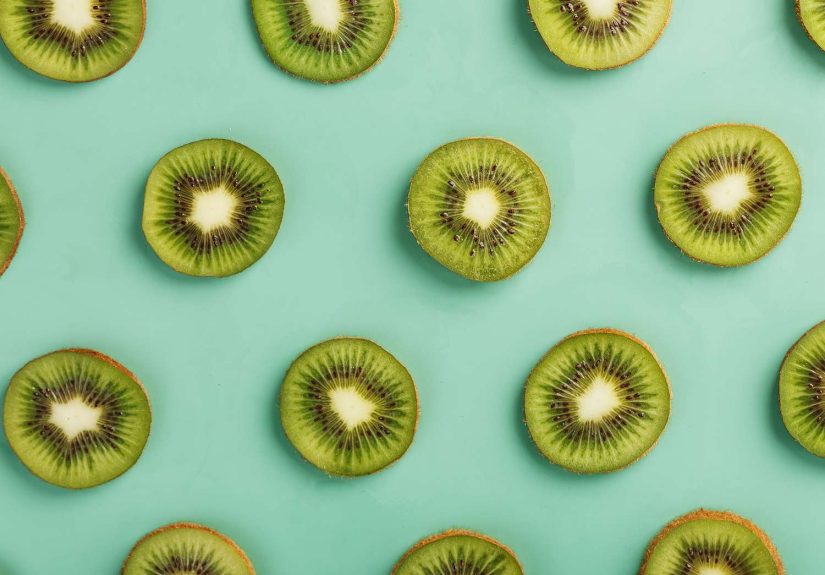
Kiwi may be small, but this fuzzy little fruit shows up like it has something to prove. Slice one open and you get bright green flesh, a ring of tiny black seeds, and a flavor that can’t decide whether it wants to be tropical, citrusy, or just plain dramatic. Nutritionally, though, kiwi is no diva. It quietly delivers fiber, vitamin C, potassium, and other helpful compounds in a compact package that fits in one hand and doesn’t require a blender, a coupon code, or a wellness influencer to explain it.
That is exactly why kiwi deserves a spot in your daily routine. It is convenient, naturally sweet, and backed by real nutrition science. While “superfood” is more marketing nickname than medical term, kiwi absolutely earns points for punching above its weight. From digestion and heart health to sleep and skin support, this fruit offers benefits that go way beyond looking cute in a fruit bowl.
Here are seven solid reasons to eat kiwi more often, plus a practical look at how to make it part of everyday life without turning breakfast into a full-time job.
What Makes Kiwi So Impressive?
Before we get to the benefits, let’s talk basics. Kiwi is rich in vitamin C and also provides fiber, potassium, vitamin E, folate, and plant compounds with antioxidant activity. Green kiwi is especially known for its fiber and the natural enzyme actinidin, which may help with protein digestion. Gold kiwi tends to be sweeter and often contains even more vitamin C.
In other words, kiwi is not just “fruit.” It is the overachiever of the produce drawer. One minute it is helping your immune system, the next it is quietly supporting your gut like a tiny green therapist.
1. Kiwi Gives You a Serious Vitamin C Boost
If you think oranges own the vitamin C spotlight, kiwi would like a polite word. Kiwi is exceptionally rich in vitamin C, which matters because vitamin C helps support immune function, protects cells from oxidative stress, supports wound healing, and is required for collagen production.
That last part is a big deal. Collagen is the structural protein that helps support skin, blood vessels, cartilage, and connective tissues. Your body cannot make collagen properly without enough vitamin C. So when you eat kiwi regularly, you are not just checking off a fruit serving. You are helping your body handle everyday repair and maintenance with a little more efficiency.
Daily kiwi intake can be especially helpful during stressful seasons, travel-heavy weeks, or those times when everyone around you seems to be coughing like it is a group project. Kiwi is not a magic shield, but it is a smart food choice that supports a healthy immune system year-round.
2. Kiwi Helps Support Healthy Digestion
Kiwi’s biggest claim to everyday fame may be its digestive benefits. It contains dietary fiber, which helps add bulk to stool and supports regular bowel movements. It also contains actinidin, a natural enzyme found in green kiwi that may help break down protein and support digestion after meals.
If your stomach sometimes reacts to heavy meals like it is processing wet cement, kiwi may be worth a closer look. Some research on kiwifruit has found improvements in bowel regularity and digestive comfort, especially in people with constipation or sluggish digestion. That does not mean kiwi replaces medical care, but it does suggest this fruit can be a practical, food-first way to support your gut.
The fiber in kiwi is also useful because most adults do not get enough fiber in the first place. That makes kiwi one of those rare healthy foods that is both helpful and easy to eat. No soaking. No stirring. No suspicious powder in a giant plastic tub.
3. Kiwi Can Be a Heart-Friendly Choice
Your heart tends to appreciate foods that bring fiber, potassium, and antioxidant compounds to the table, and kiwi shows up with all three. A diet rich in fruits and vegetables is linked with better cardiovascular health, and kiwi fits beautifully into that pattern.
Potassium helps support healthy blood pressure by balancing sodium’s effects in the body. Fiber also plays an important role in heart health by supporting healthier cholesterol levels and improving overall diet quality. Add in the fact that kiwi is naturally low in sodium and relatively modest in calories, and it becomes an easy heart-smart snack.
No single fruit can “heart-health” its way around a diet full of fried mystery foods and daily stress-snacking, but kiwi absolutely belongs in a routine built around more plants, more fiber, and fewer ultra-processed extras.
4. Kiwi May Help You Sleep Better
Now for one of kiwi’s most interesting benefits: sleep support. Some small studies have found that eating kiwi regularly, especially in the evening, may improve sleep quality and duration in adults with sleep difficulties.
Why might that happen? Researchers are still sorting out the exact reasons, but kiwi contains antioxidants and serotonin-related compounds that may play a role. It is also a light, easy-to-digest evening snack, which does not hurt. Compared with inhaling a giant slice of cake at 10:30 p.m. and then wondering why sleep feels chaotic, kiwi is a much calmer life choice.
This does not mean kiwi is a treatment for chronic insomnia. But if your sleep routine could use a gentle nutritional assist, eating kiwi as part of a consistent bedtime habit may be worth trying.
5. Kiwi Supports Skin Health from the Inside Out
Skin care gets a lot of attention, and much of it arrives in expensive jars with fonts that whisper luxury. Kiwi, meanwhile, is sitting in the fridge being useful for a fraction of the cost. Thanks to its vitamin C content, kiwi supports collagen production, which helps maintain skin structure and resilience.
Kiwi also provides antioxidants that help protect cells from oxidative stress. That matters because everyday exposures such as sunlight, pollution, and normal metabolism can create free radicals that contribute to cellular damage over time. Food alone is not a replacement for sunscreen, sleep, or a sensible skin-care routine, but nutrition absolutely plays a supporting role.
Think of kiwi as part of the “boring but effective” club: hydration, sleep, vegetables, fruit, and not pretending coffee is a moisturizer.
6. Kiwi Offers Nutrients That Support Eye Health
Kiwi contains carotenoids such as lutein and zeaxanthin, along with vitamin C and other antioxidants. These nutrients are associated with eye health and help protect tissues from oxidative stress. Lutein and zeaxanthin are especially interesting because they accumulate in the retina.
That does not mean kiwi is an eye-health miracle all by itself. It does mean kiwi can be part of an eating pattern that supports long-term visual wellness, especially when paired with other colorful fruits and vegetables. Basically, your eyes appreciate variety, and kiwi brings something worthwhile to the party.
7. Kiwi Is a Smart Daily Food for Weight and Blood Sugar Balance
Kiwi is naturally sweet, but it also contains fiber and plenty of water, which makes it satisfying without being heavy. That combination can help with appetite control and make snacks feel more balanced. Instead of reaching for something ultra-processed that disappears in three bites and leaves you raiding the pantry again 20 minutes later, kiwi offers sweetness with substance.
Whole fruit intake is generally associated with better long-term health outcomes than sugary snack foods, and kiwi is an easy upgrade. It can fit into breakfast, lunch, dessert, or a post-workout bite without much effort. If you eat the skin on certain kiwi varieties, you can boost the fiber content even more, though you should wash it well first and, naturally, prepare yourself emotionally for the fuzz.
So, Should You Eat Kiwi Every Day?
For many people, yes. Eating kiwi daily is a simple, realistic habit with genuine nutritional upside. One or two kiwis a day can fit nicely into a balanced diet, and that amount lines up with the portions used in some digestion and sleep studies.
Daily kiwi makes sense because the benefits come from consistency, not heroics. You do not need a kiwi cleanse, a kiwi challenge, or a kiwi-based personality. You just need a repeatable habit. Add sliced kiwi to yogurt, oatmeal, cottage cheese, chia pudding, fruit salad, or smoothies. Or just cut one in half and scoop it out with a spoon like nature’s own dessert cup.
Who Should Be a Little Careful?
Kiwi is healthy for many people, but it is not for everyone. Some people are allergic to kiwi, and kiwi can also be linked to latex-fruit syndrome in people with latex allergies. If kiwi makes your mouth itch, your lips swell, or your throat feel strange, stop eating it and get medical advice.
Also, if you have a medical condition that requires potassium restrictions or a very specific diet, it is smart to check with a healthcare professional before making any food a daily habit. Healthy food is still food, which means context matters.
How to Add Kiwi to Your Routine Without Getting Bored
At breakfast
Slice kiwi over Greek yogurt or oatmeal for a bright, tangy contrast. It also works beautifully with strawberries, blueberries, and bananas.
As a snack
Eat one chilled kiwi in the afternoon when you want something sweet but not sleepy. It feels refreshing instead of heavy.
At night
If you are curious about the sleep angle, try kiwi as part of a calming evening routine. Two kiwis about an hour before bed is the setup most often studied.
In savory meals
Kiwi salsa with lime, cilantro, and a little jalapeño works surprisingly well on grilled chicken, shrimp, or fish. Yes, kiwi can leave the fruit salad and have a social life.
The Bottom Line
Kiwi is one of those rare foods that manages to be tasty, practical, and legitimately nutritious all at once. It supports immune function, digestion, heart health, sleep, skin, eye wellness, and everyday diet quality without demanding much in return. No prep marathon. No blender debt. No obscure subscription box.
If you are looking for a simple daily habit that can make your diet better, kiwi is an easy win. It may be small, but in the nutrition world, kiwi absolutely has main-character energy.
Everyday Experiences People Often Describe After Adding Kiwi Daily
One of the most relatable things about eating kiwi daily is that the change usually feels small at first. Nobody bites into a kiwi on Monday and wakes up on Tuesday as a transformed wellness legend with perfect posture and glowing cheekbones. What people often notice instead is a series of quiet improvements that feel practical rather than dramatic.
For many, the first difference is convenience. Kiwi is easy. It does not need peeling if you slice and scoop it, and it feels more interesting than grabbing the same apple for the tenth time in a week. People who struggle to eat enough fruit often say kiwi feels like a “treat fruit,” which makes them more likely to keep the habit going. And honestly, that matters. The healthiest food is often the one you will actually keep buying and eating.
Another common experience is better meal balance. Adding kiwi to breakfast can make the whole meal feel fresher and less heavy. Oatmeal tastes brighter. Yogurt becomes more satisfying. A plain bowl of cottage cheese suddenly looks like someone made an effort. That little bit of color and acidity can change how a meal feels, which makes healthier eating less like punishment and more like something you chose on purpose.
Some people also describe a noticeable difference in digestive regularity after a week or two of eating kiwi consistently. Not in a glamorous way, because digestion is rarely glamorous, but in a “my stomach feels less grumpy and my routine feels more normal” kind of way. That alone can make a daily kiwi habit feel worth keeping.
There is also the sleep angle, which many people find surprisingly appealing. A light evening snack can feel better than heavier desserts, and kiwi often fits that role well. Even for people who are not tracking sleep data or optimizing their circadian rhythm like a part-time scientist, having a simple bedtime food ritual can feel calming. Wash kiwi. Slice kiwi. Eat kiwi. No baking. No late-night regret.
Then there is the psychological part. Eating kiwi daily can create a useful “I’m taking care of myself” signal. It is small, but small routines can anchor bigger ones. A person who starts with kiwi at breakfast may be more likely to drink water, pack lunch, or choose another piece of fruit later in the day. Healthy habits like company.
Of course, not everyone falls in love immediately. Some people think the texture is weird at first. Others are suspicious of the fuzz. A few will always prefer berries or citrus. That is normal. But many people who stick with kiwi say it grows on them fast, especially once they find their favorite way to eat it. Chilled gold kiwi for sweetness. Green kiwi for tang. Sliced on yogurt for breakfast. Two before bed for a nighttime ritual. Tiny fruit, surprisingly flexible life assistant.
In the end, the daily kiwi experience is less about one magical health moment and more about a pattern: easier fruit intake, a more balanced plate, and a simple habit that feels good enough to repeat. That is usually how real nutrition wins happen anyway.