Table of Contents >> Show >> Hide
- Why Redditors’ Advice Works So Well
- 1. Declutter More Aggressively Than Feels Comfortable
- 2. Keep Cleaning Supplies Where You Actually Use Them
- 3. Cut Dust at the Source Instead of Fighting It All Week
- 4. Invest in a Robot Vacuum for Maintenance, Not Miracles
- 5. Give Everything a Home
- 6. Keep Items Off the Floor Whenever Possible
- 7. Do a Short Daily Reset So Mess Never Becomes a Project
- The Real Secret: Build a Home That Supports Cleaning
- Experiences That Show These Tips Actually Work
- Conclusion
If cleaning your house feels like a part-time job with no benefits, Redditors have some thoughts. And honestly? Many of them are surprisingly smart. In home-cleaning threads, the most repeated advice is not “buy a miracle spray” or “scrub harder until your arms file a complaint.” It is much simpler than that: make your home less annoying to clean in the first place.
That means reducing clutter, setting up smarter storage, cutting down dust before it lands everywhere, and choosing habits and home features that stop mess from multiplying. Professional organizers and cleaning experts tend to agree with this approach too. A clean home is not always the one that gets the most effort. More often, it is the one that creates the fewest obstacles.
So if you want a house that feels easier to maintain, not just prettier in a before-and-after photo, these are the seven practical changes worth making. They are low-drama, high-impact, and refreshingly realistic for actual people with actual lives, not imaginary homeowners who somehow never spill coffee.
Why Redditors’ Advice Works So Well
Reddit cleaning advice tends to land because it comes from people who are not trying to impress anyone. They are talking about muddy entryways, dusty baseboards, pet hair tumbleweeds, and the mysterious kitchen counter clutter that reproduces overnight. In other words, real-world mess.
The biggest takeaway from these discussions is that cleaning gets easier when your home has less stuff, fewer floor obstacles, better storage, and simple maintenance routines. Instead of waiting for chaos to build into a Saturday-long punishment session, Redditors favor systems that shave a little friction off daily life. That matters, because friction is what turns “I’ll wipe that up now” into “I’ll deal with it in three business days.”
1. Declutter More Aggressively Than Feels Comfortable
The number one piece of Reddit advice is also the least glamorous: own less stuff. It is hard to overstate how much easier it is to clean a home when there are simply fewer things sitting on counters, crowding shelves, covering the tops of dressers, or living mysteriously on the stairs.
Every extra object becomes one more thing to dust around, pick up, move, wipe under, or find a place for later. That “later” is how clutter becomes decor. Decluttering does not just make your home look calmer. It shortens every cleaning task in the house.
Why this makes cleaning easier
When surfaces are mostly clear, you can wipe them in one pass. When cabinets are not jammed full, it is easier to put items away correctly. When closets, mudrooms, and bathroom cabinets are not bursting at the seams, cleaning supplies and everyday essentials stop getting lost in the shuffle. Even vacuuming gets faster when there are fewer baskets, stacks, stools, and random objects to move first.
How to do it without making yourself miserable
Start with the most obvious clutter magnets: kitchen counters, bathroom vanities, entry tables, and floors. Remove duplicates, expired products, decorative extras you do not love, and anything that has become “homeless.” If you never use it, never reach for it, or forgot you owned it until five seconds ago, that is useful information.
A smart rule is to leave breathing room in every storage zone. If every drawer and shelf is crammed to 100 percent capacity, tidying up will always feel like a wrestling match. A little empty space is not wasted space. It is maintenance space.
2. Keep Cleaning Supplies Where You Actually Use Them
Redditors love this one because it solves a very human problem: laziness mixed with inconvenience. If your bathroom cleaner lives in the basement, your all-purpose spray is under the kitchen sink, and your microfiber cloths are somewhere in the laundry room “probably,” then quick cleanups suddenly require a scavenger hunt. Most people will simply not bother.
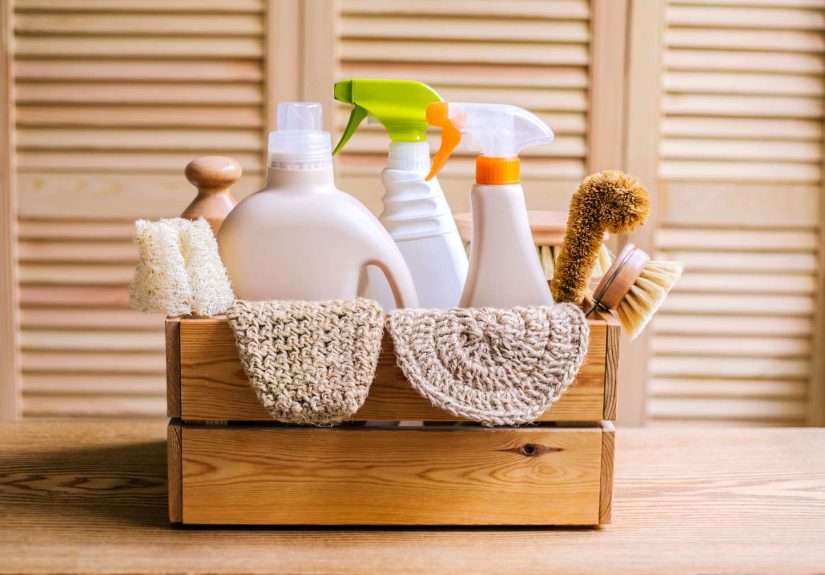
Instead, keep basic supplies close to the mess. A small bathroom caddy, a kitchen spray and cloth setup, and a compact floor-cleaning kit on each level of the house can make a huge difference. The goal is not to build a chemical warehouse in every room. It is to remove the excuse of inconvenience.
What to keep nearby
Think simple: microfiber cloths, a gentle all-purpose spray, a bathroom-specific cleaner, a scrub brush, spare trash bags, and maybe a handheld duster. In the bathroom, even a squeegee can pull its weight by cutting down on water spots and soap scum. In the kitchen, keeping wipes or a cloth within reach of the stove and counters encourages those little 30-second resets that stop grime from setting up permanent residency.
Best practice
Use small, contained caddies or bins so supplies stay tidy and easy to grab. The minute your cleaning tools become clutter themselves, they have betrayed the mission.
3. Cut Dust at the Source Instead of Fighting It All Week
If your home gets dusty five minutes after you dust it, Redditors will tell you to stop acting surprised and start addressing the source. Dust comes from outside debris, fabric fibers, pet dander, dead skin cells, and everyday household movement. That sounds gross because, well, it is.
The practical fix is not daily dramatic dusting. It is reducing how much dust enters and circulates through your home. That can mean using an air purifier in high-traffic rooms, changing HVAC filters on schedule, grooming pets regularly, and choosing easier-to-maintain textiles.
Make your home a little less dusty by design
If you have a choice, opt for low-pile rugs instead of thick, shaggy ones that trap debris like it is their full-time job. Washable rugs are especially helpful in entryways, kitchens, and homes with pets or kids. They are not magic, but they are much less high-maintenance than delicate or plush floor coverings that demand special treatment every time someone walks in with muddy shoes or drops salsa.
Also, do not underestimate the humble doormat. A durable mat outside the door, plus another one inside, can catch a surprising amount of grit before it reaches your floors. It is not the sexiest upgrade in the world, but neither is sweeping sand out of your hallway every other day.
Bonus move
If dust really is your arch-nemesis, adopt a shoes-off habit indoors. That one change can reduce tracked-in dirt and cut down how often you need to sweep, mop, or vacuum.
4. Invest in a Robot Vacuum for Maintenance, Not Miracles
Few cleaning tools get as much love on Reddit as the robot vacuum. That is because it handles one of the most constant, morale-draining chores in the house: floor maintenance. It will not replace every deep clean, and it is not going to rescue a floor covered in socks, charger cords, and dog toys. But for day-to-day dust, crumbs, and pet hair? It can be a game changer.
Why Redditors swear by it
A robot vacuum turns floor cleaning from a full event into background maintenance. Instead of waiting until your floors look visibly grubby, you can let the machine chip away at the mess several times a week. This works especially well in homes with hardwood, tile, laminate, kids, pets, or all three.
How to make it worth the money
First, prep your floors. A robot vacuum is only as useful as the path you give it. That means keeping cords managed, shoes corralled, and random floor clutter out of the way. Second, think of it as a daily helper, not a substitute for a real vacuum, deep mopping, or baseboard detail work. The best results happen when it handles the maintenance layer so your regular cleaning sessions become shorter and less frequent.
In other words, do not expect your robot vacuum to become Cinderella. It is more like a reliable intern with decent navigation skills.
5. Give Everything a Home
This tip shows up again and again in organizing advice because it solves the root problem behind so much visible mess: items without designated storage. If something does not have a home, it ends up on the nearest flat surface. That is how counters disappear, chairs become clothing racks, and the dining table slowly transforms into a mail museum.
What “a home” really means
A home does not have to be fancy. It can be a labeled bin, a drawer divider, a hook, a tray, a basket, or one shelf in a cabinet. The point is simply that the item belongs somewhere specific and predictable. When every object has a place, tidying becomes less about decision-making and more about returning things to base.
Where this matters most
Entryways, bathrooms, kitchens, and laundry areas benefit the most. Shoe trays, hooks for bags and jackets, under-sink organizers, drawer dividers, and bins for cleaning tools can all prevent that low-grade chaos that makes a home feel harder to maintain than it really is. Group items by function too. If the tools for a task live together, the task becomes easier to start and easier to finish.
And if you truly cannot find a logical home for an item, that may be a sign the item does not need to live with you anymore.
6. Keep Items Off the Floor Whenever Possible
Redditors often point out that floors get dirty fast, but what makes them truly annoying to clean is not just the dirt. It is the obstacle course. Laundry baskets, decorative bins, stacks of books, backup paper towels, shoes, pet bowls in awkward spots, floor plants, charging cables, and that one chair that seems determined to hold everyone’s jacket forever.
The more things you keep on the floor, the more time you spend moving them just to vacuum or mop. That extra step is small, but it adds enough resistance that people delay the task. Then the mess builds. Then the cleaning session gets longer. Then nobody is having a good time.
Easy fixes that make a big difference
Use wall hooks instead of floor piles. Add a shoe rack or bench near the front door. Choose furniture with enough clearance for a vacuum or robot vacuum to pass underneath. Swap floppy floor baskets for shelf bins. Move pet supplies into a more intentional setup. If you love plants, put some on stands instead of clustering them all across the floor like a tiny indoor jungle with trust issues.
Smart design choices
Low-pile rugs, washable runners, floating vanities, open-leg furniture, and mounted storage all make floors easier to clean. These are not dramatic renovations. They are small, practical choices that reduce how much bending, shifting, and muttering you have to do on cleaning day.
7. Do a Short Daily Reset So Mess Never Becomes a Project
This might be the most realistic Reddit tip of all: stop waiting for the perfect moment to clean everything, and do a tiny reset every day instead. Not a deep clean. Not a full-house transformation scored by uplifting background music. Just a short, repeatable routine that keeps mess from hardening into a lifestyle.
What a daily reset looks like
Ten to fifteen minutes is enough for most homes. Load or run the dishwasher. Wipe the kitchen counters. Clear the coffee table. Put shoes back in place. Toss junk mail. Straighten the bathroom vanity. Do a quick sweep of the main living area. If your shower gets grimy fast, a 20-second squeegee routine after bathing can save you from future scrubbing marathons.
Why it works
Daily resets break the emotional cycle of overwhelm. Instead of waking up to yesterday’s mess plus today’s mess plus a side quest involving the laundry chair, you start from a cleaner baseline. That reduces stress and makes weekly cleaning much easier, because you are maintaining a home instead of rescuing one.
Think of it as the closing shift for your house. Restaurants do not wait until the kitchen becomes a crime scene. Your home should not either.
The Real Secret: Build a Home That Supports Cleaning
If there is one unifying theme in all of this, it is that cleaning gets easier when your home quietly helps you. A clutter-light kitchen, a shoe-friendly entryway, an accessible cleaning caddy, fewer things on the floor, washable textiles, and a nightly reset all create a space that is easier to maintain almost by default.
That is what Redditors understand so well. A clean home is not always about discipline. Often, it is about setup. When your environment reduces friction, good habits happen with less effort. And that matters, because most people do not need a perfect home. They need one they can keep under control without losing an entire weekend and half their sanity.
Experiences That Show These Tips Actually Work
In real life, the difference between a hard-to-clean home and an easy-to-clean one often comes down to a few surprisingly ordinary choices. One family might spend years wondering why their floors always look dirty, only to realize the real culprit is not the flooring at all. It is the entryway. Shoes come in, bags get dropped, junk mail lands on a console table, and suddenly dirt and clutter spread through the whole first floor. Add a shoe bench, two sturdy mats, and a small tray for keys and mail, and the same home can feel calmer within a week.
Another common experience happens in kitchens. People assume they need a major organizing overhaul, when what they actually need is less countertop clutter. Once the extra appliances, duplicate utensils, and decorative items are pared down, wiping the counters becomes a 30-second job instead of a 10-minute relocation program. That small change makes people more likely to clean as they go, which means fewer crusty surprises later.
Bathrooms tell the same story. Homes that feel impossible to keep clean are often homes where every product is stored awkwardly and every damp surface is left to fend for itself. A small caddy under the sink, a hook for each towel, and a quick post-shower squeegee habit can dramatically reduce buildup. Nothing about that setup is fancy, but it keeps grime from becoming a weekend project.
Pet owners notice these differences fast. In houses with dogs or cats, low-pile rugs, washable runners, and regular robot vacuum runs can transform the daily mess level. The pet hair does not disappear forever, because nature enjoys a challenge, but it stops collecting in dramatic corners and under furniture. Even homes with multiple kids and pets can feel manageable when the floors are clear and the maintenance happens in small, automatic bursts.
People who adopt a short nightly reset often report the biggest mindset shift of all. They stop feeling like cleaning is something that only “counts” if they spend hours doing it. A quick reset teaches the opposite lesson: small actions are what keep a house under control. Wiping the sink tonight means one less gross task tomorrow. Putting away shoes now means less grit later. Returning scissors, chargers, and random toys to their proper homes means fewer mystery piles by the weekend.
That is why these habits work so well in ordinary homes. They do not depend on motivation, perfection, or endless free time. They depend on setup, repetition, and making the next right step easier. Once people feel the difference between a home that fights them and a home that helps them, they rarely want to go back.
Conclusion
If you want to make your home easier to clean, do not start with the fanciest product aisle or a dramatic vow to deep clean every Sunday. Start with systems. Declutter. Store supplies where you use them. Reduce dust at the source. Let a robot vacuum handle maintenance. Give everything a home. Keep the floor as clear as possible. Finish the day with a short reset.
These seven changes are simple, but they work because they attack the real problem: not cleaning itself, but the friction that makes cleaning harder than it needs to be. The less resistance your home creates, the easier it becomes to keep it looking good. And that is the sweet spot most people are after: a home that feels lived in, not chaotic; clean, not exhausting; and functional enough that tidying up does not require a motivational speech and a snack break.