Table of Contents >> Show >> Hide
Heroes get the posters. Villains get the group chat. The memes. The Halloween costumes. The “I can’t believe you rooted for them”
arguments that turn a casual movie night into a full-on debate tournament.
And when a villain is truly greatdelightfully petty, frighteningly calm, or just plain ruthlessyou don’t merely remember the movie.
You remember how it felt to watch someone be that confidently awful.
What Makes a Villain Memorable (and Mean)
The best movie villains aren’t just “bad.” They’re specific. Their cruelty has a shape: control, chaos, vanity, envy,
obsession, or the cold satisfaction of winning. Film history’s most iconic villains tend to share a few traits:
- Clarity of desire: They want something simplepower, revenge, recognitionand they pursue it like it’s cardio.
- Style with consequences: A signature voice, look, or rhythm that makes scenes snap into focus the moment they appear.
- Pressure on the hero: They force tough choices, not just fistfights. (Nothing says “great antagonist” like moral panic.)
- Mythic aftertaste: Long after the credits, you’re still quoting their vibe, even if you’re not quoting their lines.
One more thing: a villain can be unforgettable without being “coded” as evil through lazy visual stereotypes. Modern criticism has pointed out
how often films equate scars or “unusual” features with badnessso let’s celebrate wicked writing and performances, not cheap shortcuts.
80 Memorable Movie Villains Who Excel at Being Mean
This isn’t a scientific ranking (film fans would riot). It’s a big, crowd-pleasing roster of classic villains, modern menaces,
horror icons, animated tyrants, and blockbuster supervillainseach remembered for being spectacularly, unmistakably mean.
Classic Legends
- Dr. Hannibal Lecter The Silence of the Lambs: cultured charm with predatory patience that freezes a room.
- Norman Bates Psycho: awkward politeness masking something profoundly wrong behind the eyes.
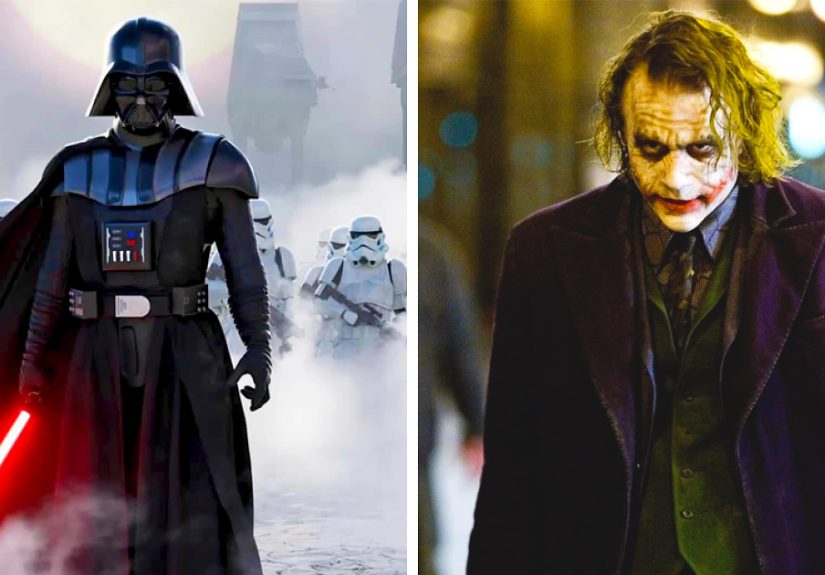
- Darth Vader The Empire Strikes Back: unstoppable authority, iconic menace, and a voice like a storm cloud.
- The Wicked Witch of the West The Wizard of Oz: theatrical fury and laser-focused revenge energy.
- Nurse Ratched One Flew Over the Cuckoo’s Nest: cruelty in a crisp uniform and a perfectly controlled smile.
- Mr. Potter It’s a Wonderful Life: greed as a lifestyle brand, with zero remorse points earned.
- Phyllis Dietrichson Double Indemnity: a masterclass in manipulation with a side of danger.
- Alex Forrest Fatal Attraction: obsession turned into a pressure cooker that never stops whistling.
- HAL 9000 2001: A Space Odyssey: polite, logical, and quietly terrifying when “efficiency” takes over.
- Noah Cross Chinatown: power that treats consequences like someone else’s problem.
- Hans Gruber Die Hard: refined villainy with impeccable timing and a deadly plan.
- The Joker (Heath Ledger) The Dark Knight: chaos with a grin, turning order into a bad joke.
- Amon Göth Schindler’s List: chilling brutality presented with casual entitlement.
- Annie Wilkes Misery: “biggest fan” turned nightmare, powered by obsession and control.
- Agent Smith The Matrix: relentless, mechanical certaintylike a rulebook that learned to hate.
- Keyser Söze The Usual Suspects: a legend built from fear, whispers, and the idea of inevitability.
- The Terminator (T-800) The Terminator: single-minded pursuit with zero empathy and infinite stamina.
- The T-1000 Terminator 2: Judgment Day: calm, shapeshifting perfection that feels impossible to stop.
- Commodus Gladiator: jealousy with a crown, weaponizing privilege like it’s a sport.
- Anton Chigurh No Country for Old Men: fate in human formquiet, methodical, and terrifyingly committed.
Modern Masterminds and Mean Humans
- Alonzo Harris Training Day: charisma as a weapon, turning authority into intimidation.
- Frank Booth Blue Velvet: volatile cruelty that makes every scene feel unsafe.
- John Doe Se7en: moral certainty twisted into cruelty, delivered with unnerving calm.
- Amy Dunne Gone Girl: weaponized perception, rewriting reality like it’s an editing project.
- Colonel Hans Landa Inglourious Basterds: charm plus menace, switching tones like flipping a switchblade.
- Calvin Candie Django Unchained: smiling cruelty, surrounded by luxury and total moral rot.
- Lord Voldemort Harry Potter films: fear as governance, power as obsession.
- Emperor Palpatine Star Wars saga: manipulation with grandpa voice energyuntil it isn’t.
- Sauron The Lord of the Rings: pure domination as a force, looming over every choice.
- Immortan Joe Mad Max: Fury Road: tyranny built from scarcity, worship, and brutality.
- Biff Tannen Back to the Future: petty cruelty perfectedbullying as a personal hobby.
- Catherine Tramell Basic Instinct: mystery and manipulation wrapped in cool confidence.
- Gordon Gekko Wall Street: greed with a microphone, selling corruption like it’s wisdom.
- Miranda Priestly The Devil Wears Prada: not “evil,” but terrifyingly mean in a designer way.
- Queen Ravenna Snow White and the Huntsman: vanity weaponized, ruling by fear and obsession.
- The White Witch The Chronicles of Narnia: cold enchantment and control, freezing more than weather.
- Dolores Umbridge Harry Potter and the Order of the Phoenix: rule-following cruelty at maximum smugness.
- Professor Moriarty Sherlock Holmes films: intellect turned predatory, treating people like chess pieces.
- Jean-Baptiste Emanuel Zorg The Fifth Element: corporate villainy with flamboyant menace.
- Regina George (mean-girl villain era) Mean Girls: social dominance as warfare, with perfect comedic bite.
Horror Icons and Nightmares
- Count Dracula Dracula: timeless charisma with a predatory edge that never goes out of style.
- Michael Myers Halloween: silent, relentless fearan unblinking force in a mask.
- Freddy Krueger A Nightmare on Elm Street: nightmare-maker with a wicked sense of humor.
- Jason Voorhees Friday the 13th: unstoppable slasher mythology walking on two feet.
- Pennywise It: a shape-shifting bully that feeds on fear (and knows it).
- Ghostface Scream: phone calls, paranoia, and the horror of “it could be anyone.”
- Jigsaw Saw: moral lectures twisted into terror, turning judgment into spectacle.
- Leatherface The Texas Chain Saw Massacre: chaotic dread and brutal persistence (no details needed).
- Chucky Child’s Play: small body, huge attitude, and a talent for causing panic.
- Pinhead Hellraiser: elegant menace from the “please don’t open that box” school of horror.
- Pazuzu (possession) The Exorcist: psychological terror that turns safety into uncertainty.
- Sadako/Samara The Ring: slow-burn dread that haunts your memory more than your eyes.
- The Babadook The Babadook: grief and fear made monstrous, impossible to ignore.
- Jack Torrance (Overlook influence) The Shining: a descent into menace that’s as unsettling as it is iconic.
- Carrie White (tragic villain arc) Carrie: pain turned catastrophic, blurring sympathy and fear.
- The Xenomorph Alien: primal terrorpure survival nightmare with zero negotiation.
- The Thing The Thing: paranoia personified, turning trust into a liability.
- The Shark (“Bruce”) Jaws: nature as villain, proving suspense can be mean without dialogue.
- Godzilla (as a cinematic threat) Godzilla: awe and destruction, the original “uh-oh” monster event.
- The Invisible Man The Invisible Man: power without accountabilitythe scariest kind of mean.
Animated, Fantasy, and Supervillain Royalty
- The Evil Queen Snow White and the Seven Dwarfs: vanity with venom, iconic fairytale cruelty.
- Maleficent Sleeping Beauty: elegant revenge, dramatic entrances, legendary villain energy.
- Cruella de Vil 101 Dalmatians: fashion-forward chaos with unapologetically awful intentions.
- Scar The Lion King: envy and ambition delivered with theatrical flair.
- Ursula The Little Mermaid: deals, manipulation, and villainy sung with confidence.
- Jafar Aladdin: power-hungry scheming with one of animation’s sharpest silhouettes.
- Gaston Beauty and the Beast: ego as a villain origin story, flexing its way into trouble.
- Yzma The Emperor’s New Groove: comedic evil with perfect timing and zero shame.
- Captain Hook Peter Pan: petty, dramatic, and eternally mad about a teenager.
- Judge Claude Frollo The Hunchback of Notre Dame: control and hypocrisy wrapped in authority.
- Lord Farquaad Shrek: insecurity with a crown, ruling through cruelty and convenience.
- Syndrome The Incredibles: resentment turned into a brandrevenge with a tech startup vibe.
- Lotso Toy Story 3: friendly voice, bitter heartmaking betrayal sting extra hard.
- Shere Khan The Jungle Book: smooth, frightening authoritythe kind you feel in your bones.
- Thanos Avengers: Infinity War: certainty as menace, treating lives like numbers.
- Loki (villain era) The Avengers: mischief with a knife-edge, charming until he isn’t.
- Green Goblin (Norman Osborn) Spider-Man (2002): manic cruelty plus a terrifying unpredictability.
- Magneto X-Men films: a villain with logic, proving ideology can be intimidating.
- Killmonger Black Panther: rage with purpose, forcing uncomfortable questions.
- Lady Tremaine Cinderella: quiet cruelty at homemeanness with manners.
How to Watch Villains Like a Film Nerd (Without Becoming One)
Want to level up your appreciation for great film villains? Try this:
- Track the “switch”: Notice when a villain stops pretendingand how the movie signals it.
- Listen for rhythm: Great villains often speak with a deliberate pace, like they control time itself.
- Watch how others react: A villain’s power is often measured by how characters shrink, freeze, or overcompensate.
- Spot the theme: Many villains embody the movie’s core fear: chaos, greed, obsession, conformity, or dehumanization.
The Audience Experience: Why We Love to Hate Them (Extra )
There’s a special kind of movie memory that doesn’t belong to the hero at all. It belongs to the villainbecause villains are the ones who
change the temperature in a room. You know the feeling: the soundtrack tightens, the camera lingers a beat longer, and suddenly you’re sitting
straighter like your couch just became a courtroom. Even if you’ve seen the film before, the villain’s entrance still lands. It’s not just suspense;
it’s the thrill of watching confidence collide with conscience.
A lot of fans meet their “first villain” early: a cartoon tyrant, a smug bully, a witch with a dramatic cackle. Those villains are training wheels
for bigger fears. Later, horror villains teach a different lesson: not everything can be reasoned with, and sometimes the scariest part is how the story
turns ordinary spaceshallways, bedrooms, campsitesinto places you don’t fully trust anymore. That’s why people laugh after a scary scene. It’s not
because it was “funny.” It’s because their nervous system just did a sprint.
Then you’ve got the villains who spark argumentsbecause they don’t just threaten the hero, they challenge the audience. Some feel like walking symbols:
greed in a suit, control in a uniform, chaos with a smile. Watching them can feel like staring at a pressure point in society. That’s also why certain
villains become shorthand in everyday life: somebody calls a boss “a real Miranda Priestly,” or labels a manipulator “total Amy Dunne energy,” and instantly
everyone in the chat understands the assignment.
The best shared experiences, though, are the ones that turn villains into community. Friends rank “most punchable villains” with the seriousness of a
sports bracket. Families quote the pettiest lines (without even remembering the movie). People bond over the moment a villain made them cover their eyes
and peek through their fingers. And if you’ve ever rewatched a film just to study an antagonist’s performancethe pauses, the glances, the sudden calmthat’s
your brain admitting a truth: villains are often the most performative characters on screen, and performance is what movies are made of.
Finally, there’s a sneaky benefit to villain-watching: it sharpens your taste. When you can tell the difference between a villain who is “mean because the
script says so” and a villain who is mean because the character is designedwith motive, voice, presence, and consequencesyou start noticing better
writing everywhere. You also start cheering for smarter heroes, because a great villain demands a great response. In the end, we don’t love villains because
they’re right. We love them because they’re unforgettable… and because watching them lose feels like restoring order to the universe, one glorious downfall
at a time.
Wrap-Up
Movie villains stick with us because they’re pressure tests for the storyand for us. They tempt, terrify, provoke, and occasionally make us laugh
at how audacious they are. Whether you prefer classic legends, modern masterminds, horror nightmares, or animated tyrants, one thing’s consistent:
the most memorable movie villains don’t just “act bad.” They excel at being meanand they do it with style.