Table of Contents >> Show >> Hide
- Why This Photograph Feels Bigger Than Its Subject
- The Cinematographer’s Eye Behind the Frame
- Pastoral Mood Without the Usual Sentimental Fog
- Composition, Light, and Texture: Why the Image Works
- Why the Lukasz Jogalla Sheep Photograph Works in a Home
- What the Photograph Suggests About Nature and Attention
- Why This Image Endures
- Final Thoughts
- Extended Experience: What It Feels Like to Spend Time With "Sheep"
- SEO Tags
Some photographs shout. They arrive with drama, noise, and the visual equivalent of a brass band marching through your living room. Lukasz Jogalla’s Sheep does the opposite. It lowers its voice, slows your breathing, and quietly dares you to pay attention. That restraint is exactly why the image lingers.
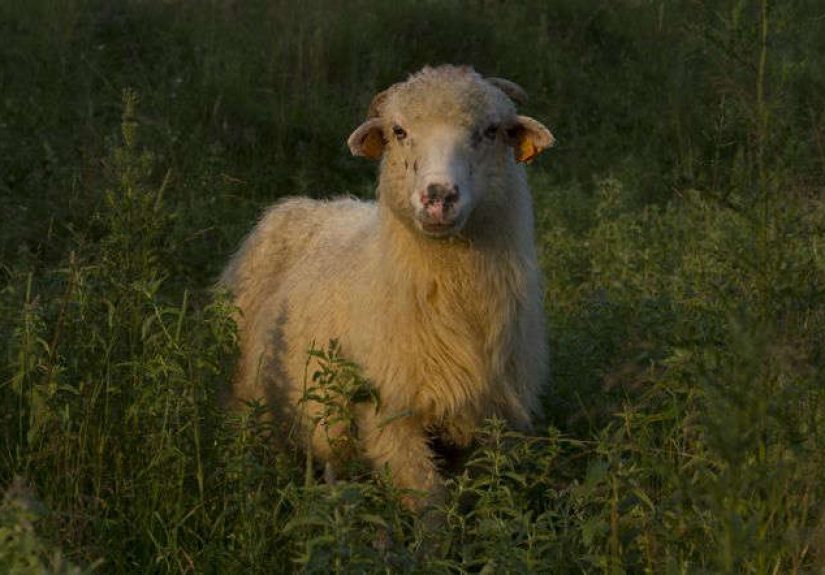
At first glance, the subject seems almost disarmingly simple: a sheep standing in tall grass, facing the camera, surrounded by dusky greens and soft shadow. But simplicity in art is often a trapdoor. The longer you look, the more the photograph reveals its intelligence. The grass is not just grass; it becomes atmosphere. The light is not merely dim; it behaves like memory. Even the animal’s stillness feels deliberate, as if the image were caught between documentary truth and a painting’s calm spell.
That tension is what makes the Lukasz Jogalla Sheep Photograph worth discussing as more than decorative wall art. Yes, it works beautifully as a fine art print. Yes, it has the kind of tonal softness interior designers love because it can bring depth to a room without turning the wall into a visual traffic jam. But it also succeeds on a deeper level. It turns an ordinary rural subject into something quietly ceremonial. It invites viewers to think about landscape photography, pastoral tradition, animal presence, and the cinematic power of stillnessall without being annoyingly obvious about it. Quite a trick for one sheep.
Why This Photograph Feels Bigger Than Its Subject
The genius of Sheep is that it understands scale emotionally rather than physically. The animal is not charging through a field, not posed with theatrical grandeur, and not surrounded by postcard sunshine. Instead, it stands in a thick patch of vegetation under a moody, low-key light that seems to wrap around its wool instead of blasting it flat. That decision changes everything.
In lesser hands, a sheep photograph can drift into greeting-card territory pretty fast. You know the type: aggressively adorable, suspiciously cheerful, and one step away from a mug that says “Live, Laugh, Lamb.” Jogalla avoids all of that. His image is tender without becoming cute, rural without becoming rustic cliché, and painterly without becoming fake. The sheep looks present, alert, and undeniably real. At the same time, the surrounding atmosphere lifts the image into something more meditative.
This is one reason the photograph resonates with viewers interested in fine art photography rather than just animal imagery. It does not ask you to smile at the subject. It asks you to sit with it. That shiftfrom reaction to contemplationis what gives the work weight.
The Cinematographer’s Eye Behind the Frame
Lukasz Jogalla is known as both a cinematographer and a photographer, and that background matters. A cinematographer spends a career learning how light behaves on surfaces, how bodies occupy space, and how mood can be shaped by what is shown and what is withheld. In moving images, those skills unfold over time. In a still photograph, they must all land at once.
Sheep feels like the work of someone who knows exactly how much visual information to give a viewer. The composition is controlled, but it does not feel stiff. The sheep is central enough to command attention, yet the field around it is allowed to breathe. That surrounding negative space is not empty. It is active, textured, and alive with quiet tension. It gives the subject a world to inhabit rather than a backdrop to stand against.
There is also a cinematic patience in the image. Many contemporary photographs push hard for instant impact because, frankly, the internet has turned everyone into a distracted squirrel. Jogalla’s photograph goes the other way. It trusts the viewer to stay. That confidence is rare, and it is often what separates a merely pleasant image from a lasting one.
Stillness as Drama
One of the smartest things about the photograph is that almost nothing appears to be happening. No storm is rolling in. No shepherd crosses the frame. The sheep is simply there. And yet the image has tension. Why? Because stillness is being used as drama.
The animal’s direct orientation gives the scene a quiet reciprocal energy. We are not just looking at the sheep; the sheep seems to be looking back. That small exchange creates presence. It turns the photograph from scenic observation into encounter.
Pastoral Mood Without the Usual Sentimental Fog
The description often associated with Sheep compares it to a Renaissance pastoral painting, and that idea is useful because it helps explain why the image feels so timeless. Pastoral art traditionally idealizes rural life, but its strongest examples do more than flatter the countryside. They create a zone of calm where nature, labor, animals, and atmosphere seem suspended in a more reflective order.
Jogalla’s photograph taps into that tradition without dressing it up in costume. There are no shepherdesses in silk. No overworked allegories. No “look how idyllic this is” billboard hanging over the field. Instead, the pastoral quality arrives through tone, light, and mood. The grass feels dense and immersive. The lighting softens edges. The sheep becomes less a farm detail and more a focal presence inside a living landscape.
That painterly quality is especially effective because it never overwhelms the photograph’s realism. The wool still looks tactile. The setting still feels naturally overgrown. The scene still seems discovered rather than manufactured. In other words, the image gives you the grace of painting and the credibility of photography, which is a very pleasant artistic double dip.
Composition, Light, and Texture: Why the Image Works
1. The Light Feels Earned
The subdued illumination in Sheep is one of its greatest strengths. Bright light would have turned the subject into something flatter and more descriptive. This lower, gentler light allows the sheep’s fleece to glow while the greens around it deepen into a rich, shadowed atmosphere. The contrast is soft rather than harsh, which keeps the picture from becoming graphic in a modern editorial sense. Instead, it feels organic and atmospheric.
This kind of light also slows the eye. Rather than skimming the image, viewers tend to move through it: first to the face, then to the body, then out into the grasses and surrounding darkness. Good photographs guide attention. Great ones do it without making the viewer feel guided. Jogalla manages that elegantly here.
2. Texture Carries the Emotion
The fleece is obviously important, but the vegetation is what keeps the photograph from becoming too neat. Tall grasses and stems partially veil the lower half of the sheep, making the subject feel embedded in its environment. That matters. If the animal were isolated on clean open ground, the image would lose much of its atmosphere.
Texture also gives the photograph its emotional density. The soft wool suggests vulnerability, warmth, and domestic familiarity. The wild grass introduces uncertainty, depth, and a hint of untamed space. Together they create a subtle push-pull between comfort and mystery.
3. The Palette Is Restrained
The color story is disciplined: muted greens, warm cream, a little earth, and no unnecessary fireworks. That restraint makes the image versatile and enduring. It also helps explain why the piece translates so well into interiors. Loud color can dominate a room. Restrained tone can transform one.
Why the Lukasz Jogalla Sheep Photograph Works in a Home
Let’s talk practical beauty for a second, because art does not live in a vacuum. It lives over sideboards, above fireplaces, near reading chairs, and occasionally next to a plant that is trying very hard not to die. The Lukasz Jogalla Sheep Photograph works in interior settings because it is atmospheric without being visually aggressive.
In a minimalist room, it adds warmth and narrative. In a traditional room, it contributes softness without becoming dusty or old-fashioned. In an eclectic room, it functions like a grounding notethe visual equivalent of a low cello line that keeps everything else from floating away.
The subject matter also helps. Animal art often succeeds when it treats the animal as presence rather than mascot. This image does exactly that. The sheep is not comic, not anthropomorphized, and not turned into a novelty. It retains dignity. That gives the print more staying power than trend-driven wall decor that feels clever for six months and exhausting forever after.
Where It Would Look Especially Strong
This photograph would feel at home in spaces with natural materials: limewashed walls, oak furniture, linen upholstery, aged brass, dark-painted millwork, or hand-thrown ceramics. But it could also work beautifully in a cleaner modern interior, where its softness would balance sharper architectural lines. The image does not demand a farmhouse setting just because it contains a sheep. Thankfully, the photograph has more range than that.
What the Photograph Suggests About Nature and Attention
Part of the photograph’s appeal is that it invites a slower relationship with nature. Not nature as adventure branding. Not nature as social media wallpaper. Nature as something encountered through stillness, modest scale, and attentive looking.
The sheep stands in a field, not on a stage. The image honors that fact. It does not force spectacle onto the scene. Instead, it finds wonder in concentration. That approach feels increasingly valuable in a culture that often mistakes bigger for better and louder for more meaningful.
There is also a gentle ethical quality to the image. The animal is not used as a prop for drama. It is allowed to remain itself. That simple respect creates trust between photograph and viewer. We sense that the scene has been observed carefully, not exploited for effect.
Why This Image Endures
What makes an image memorable is not always complexity. Sometimes it is claritythe sense that the photographer knew exactly what the picture was about and had the patience to let it arrive. Sheep feels like that kind of work. It is clear without being blunt, beautiful without being sugary, and atmospheric without dissolving into vagueness.
It also occupies a sweet spot between categories. It is animal photography, but it is not merely about the animal. It is landscape photography, but not only about place. It is painterly, but still grounded in the camera’s witness. That mixture gives it depth. You can enjoy it quickly, but you can also return to it and find new tonal decisions, new emotional textures, and new reasons it works.
In an era full of images that demand attention with all the subtlety of a leaf blower, Jogalla’s Sheep feels refreshingly confident. It knows that quiet can travel farther than noise. And honestly, the sheep seems aware of that too.
Final Thoughts
The Lukasz Jogalla Sheep Photograph succeeds because it transforms a familiar rural subject into a contemplative image with real visual gravity. Its low, lyrical light; restrained palette; immersive texture; and painterly calm all contribute to a photograph that feels intimate and expansive at the same time. It is not trying to impress with tricks. It is trying to hold a mood. That is harder, smarter, and more lasting.
For collectors, designers, and everyday viewers who care about pastoral art, landscape photography, and emotionally intelligent wall art, this piece offers something rare: softness with structure. It proves that a photograph can be gentle without becoming weak, quiet without becoming dull, and beautiful without becoming bland. That is a serious achievement for any artistand an especially satisfying one when the star of the frame is a sheep standing in grass, minding its business, accidentally becoming unforgettable.
Extended Experience: What It Feels Like to Spend Time With “Sheep”
One of the most rewarding things about this photograph is how differently it behaves over time. On first encounter, many viewers will notice the subject and think, “All right, lovely sheep, nice atmosphere, strong wall piece.” Fair enough. But that is only the lobby experience. Stay longer and the photograph starts opening extra rooms.
After a few minutes, the image begins to feel less like a picture of an animal and more like a record of attention. You notice how the face sits in the field of viewnot dramatically spotlighted, but gently gathered by the surrounding darkness. You notice how the grass is not merely background texture but part of the emotional weather of the image. You notice how the sheep’s fleece seems to catch the last useful portion of the day, the kind of light that makes ordinary things appear slightly more meaningful than they did an hour earlier.
That experience is especially powerful in a home. A photograph like this changes with the room and with the viewer’s mood. In the morning, it may read as calm and earthy. In the evening, it can become almost hushed and cinematic. On busy days, it feels like a pause button. On quiet days, it feels like company. That may sound dramatic for a sheep portrait, but good art often earns its keep through repeated low-key emotional usefulness rather than one giant fireworks show.
There is also something deeply appealing about the way the image resists urgency. It does not tell you what to think. It does not arrive with a giant conceptual instruction manual. Instead, it offers a space for projection. Some people will see tenderness. Others will see solitude. Others will connect it to memory, landscape, travel, or rural life. The photograph is specific enough to feel grounded and open enough to feel personal. That combination is one reason certain works stay with us while others, even technically polished ones, evaporate by lunchtime.
Another part of the experience is the strange dignity of the subject. The sheep is not performing innocence for the viewer. It is just present. That presence creates a subtle emotional reset. Many images of animals are built to trigger an immediate response: amusement, affection, surprise, pity. Jogalla’s image reaches for something slower and more durable. It asks for recognition instead of reaction. In return, the viewer often gives the work more time, and time is where the photograph really starts winning.
Living with a photograph like this can also sharpen a person’s taste. It quietly teaches the eye to value tonal nuance, restraint, and atmosphere. You start to appreciate how much can be accomplished without visual overstatement. You begin to notice the difference between an image that merely fills space and one that alters it. Sheep alters space. It can soften a hard room, deepen a neutral palette, and add an emotional register that is hard to get from trendier art that relies on graphic punch alone.
Most of all, the experience of this piece is one of return. It is the kind of work you glance at in passing and then, days later, stop in front of again for no obvious reason. Maybe it is the light. Maybe it is the stare. Maybe it is the way the sheep seems both fully part of the landscape and gently set apart from it. Whatever the reason, the image keeps asking for another look. And that, in the end, is one of the clearest signs that a photograph is doing more than decorating a wall. It is building a relationship.