Table of Contents >> Show >> Hide
- 1. Piles of “I’ll Deal With It Later” Paperwork
- 2. Duplicate Kitchen Gadgets With One Extremely Specific Job
- 3. Broken, Expired, or “Someday I’ll Fix It” Items
- 4. Decorative Clutter That Exists Only to Collect Dust
- 5. Overflowing Closets Full of “Maybe One Day” Clothes
- 6. Counters and Flat Surfaces Used as Permanent Storage
- 7. Huge Stashes of Freebies, Samples, and “Just in Case” Supplies
- 8. Sentimental Items With No Boundaries
- 9. Storage Bins Full of Unmade Decisions
- What Minimalists Have Instead
- My Experience With Minimalist Habits at Home
- Final Thoughts
Step inside a true minimalist’s home and one thing becomes obvious fast: the place doesn’t feel empty, cold, or suspiciously staged for an influencer photoshoot. It feels calm. Functional. Easy to live in. You can set your keys down without causing a small avalanche. You can open a cabinet without being attacked by a waterfall of reusable shopping bags. You can breathe.
That’s because minimalism at home is not about owning three forks, one chair, and a deeply complicated relationship with beige. It’s about intention. Minimalists tend to keep what they use, need, love, and can actually manage. Everything else has to audition for its place in the house. And many items? They don’t make the cut.
If you’ve ever wondered why some homes feel peaceful while others feel like a yard sale lost a bar fight, the answer usually comes down to what’s allowed to stay. Below are nine things you’ll almost never find in a minimalist’s home, plus why these items create visual noise, daily stress, and the kind of clutter that multiplies when nobody is looking.
1. Piles of “I’ll Deal With It Later” Paperwork
Minimalists do not let paper breed on countertops. You won’t find teetering stacks of unopened mail, mystery coupons from six months ago, appliance manuals for appliances that died in 2021, or school forms living permanently on the dining table like unpaid rent.
Paper clutter is sneaky because it looks temporary. One receipt becomes five. One sticky note becomes a stack. Before long, your entryway says “small business tax audit” even if all you did was forget to recycle a credit card offer.
Why minimalists avoid it
Paper creates instant visual clutter and rarely serves a purpose once it has been handled. Minimalists usually sort mail quickly, digitize what they can, and keep only important physical documents such as legal records, tax paperwork, warranties worth saving, or sentimental letters that truly matter.
Real-life example
A minimalist homeowner might keep one slim file box for essential records and a small inbox tray for items that require action this week. That’s very different from the kitchen counter archive system known as “don’t touch that, I’m keeping it.”
2. Duplicate Kitchen Gadgets With One Extremely Specific Job
Minimalist kitchens usually skip the one-purpose gadget circus. You are not likely to find three bottle openers, two avocado slicers, a banana keeper, a quesadilla maker, or a drawer packed with tools that each perform one oddly dramatic trick.
Minimalists prefer versatile items: a good chef’s knife, a sturdy cutting board, a quality pan, a mixing bowl set, and tools they reach for all the time. They know a cluttered kitchen doesn’t just look messy. It slows everything down. Cooking becomes a scavenger hunt, and every drawer opens like a game show challenge.
What they keep instead
They lean toward fewer, better tools that can do more than one job. A box grater replaces specialty shredders. A blender may replace several small appliances. Measuring cups that stack neatly beat random promotional cups from five different events.
The minimalist rule here is simple: if it only does one thing and you use it twice a year, it probably doesn’t deserve premium cabinet real estate.
3. Broken, Expired, or “Someday I’ll Fix It” Items
This is one of the biggest differences between cluttered homes and minimalist homes. Minimalists rarely store broken lamps, dead chargers, socks with no partner, expired sunscreen, dried-up markers, cracked storage bins, or furniture they keep meaning to repair “when life calms down.”
They understand something important: broken stuff is not neutral. It takes up space, creates guilt, and quietly becomes part of the background stress of a room. Every time you see it, your brain adds a tiny mental sticky note.
Questions minimalists ask
- Will I fix this soon?
- Is it worth fixing?
- Would I buy this again today?
If the answer is no, it goes. Minimalists don’t like running a free storage facility for objects that have retired without filing the paperwork.
4. Decorative Clutter That Exists Only to Collect Dust
Minimalist homes can absolutely be beautiful, but they usually aren’t crowded with filler decor. You won’t find fifteen tiny figurines on every shelf, generic signs that shout “LIVE LAUGH LOVE” at breakfast, or enough tabletop objects to make dusting feel like archaeological work.
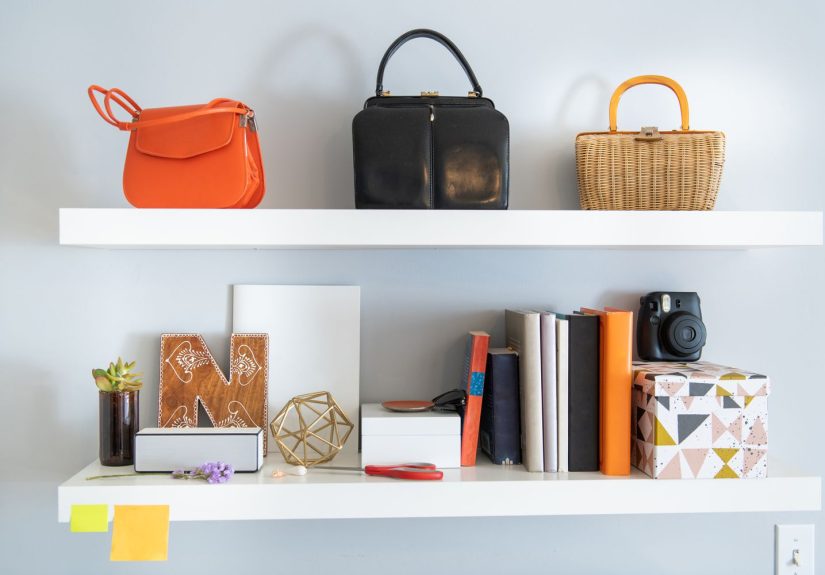
Minimalists tend to decorate with restraint. That may mean one striking vase, one framed piece of art they genuinely love, a sculptural lamp, or a plant that has managed to survive despite human error. The goal is not to remove personality. It’s to make sure personality can actually be seen.
Less decor, more impact
When every surface is crowded, nothing stands out. When a room has breathing space, the objects that remain feel intentional and meaningful. A carefully chosen item looks elevated. Twenty random items look like a clearance shelf with good lighting.
5. Overflowing Closets Full of “Maybe One Day” Clothes
Minimalists usually do not keep bloated wardrobes full of impulse buys, uncomfortable shoes, backup black sweaters, or jeans from three personalities ago. Their closets are edited, wearable, and honest.
That does not mean they own ten identical white T-shirts and sleep on a folded linen square. It means their clothing earns its place. Pieces fit well, suit real life, and get worn. Minimalists know that a closet packed with “someday” clothes creates daily decision fatigue and often comes with a side of guilt.
Things you won’t see
- Items that still have tags after years
- Clothes kept only out of guilt because they were expensive
- Duplicates bought because they were on sale
- Fantasy outfits for a lifestyle that does not exist
A minimalist closet makes mornings easier because everything inside has already passed a simple test: do I wear this, and does it deserve space?
6. Counters and Flat Surfaces Used as Permanent Storage
In a minimalist’s home, the coffee table is not a mail center, the bathroom counter is not a skincare warehouse, and the dining table is not an emotional support dumping ground for bags, cords, receipts, and one lonely battery.
Minimalists guard flat surfaces because visible clutter spreads fast. One item invites three more. Before long, your entry console is carrying half your life story and a random screw nobody can identify.
Why surfaces matter so much
Clear counters make a home feel instantly calmer, cleaner, and more spacious. They also make daily maintenance easier. Wiping down a bathroom counter takes seconds when only soap and a toothbrush cup live there. It becomes a major event when the counter hosts twelve products, loose hair ties, cotton pads, and a candle you forgot you owned.
Minimalists usually give objects a real home so surfaces can remain functional, not chaotic.
7. Huge Stashes of Freebies, Samples, and “Just in Case” Supplies
Minimalists are suspicious of things that enter the home without purpose. Free tote bags, hotel toiletries, conference pens, duplicate notebooks, takeaway condiment packets, and promotional water bottles often get filtered out quickly.
Why? Because free is not the same as useful. In fact, free clutter can be the most expensive kind because it steals space and attention without adding value.
The “just in case” trap
Many homes are filled with backup items for highly unlikely emergencies. Minimalists try to avoid storing for imaginary future scenarios at the expense of current peace. Yes, keep practical backups you truly use, like toilet paper, basic medicine, and light bulbs. No, you probably do not need eighteen tiny lotion bottles from hotels you barely remember.
The minimalist mindset is less about deprivation and more about realism. If you have never once reached for that drawer of random freebies, your house has already given its opinion.
8. Sentimental Items With No Boundaries
Minimalists are not robots. They keep meaningful things. What they usually do not do is let sentimental items expand endlessly into every closet, drawer, and storage bin in the home.
A minimalist may keep a box of letters, a few childhood photos, a favorite inherited bowl, or one special concert ticket. They’re less likely to keep every birthday card ever received, every school project from third grade through college, or a full attic of objects they feel too guilty to sort through.
How they handle sentimental clutter
They choose the best, not all. They preserve the memory without preserving every single object attached to it. Sometimes that means taking photos of items before letting them go. Sometimes it means setting a physical boundary, such as one memory box per family member.
This approach keeps sentimental items meaningful instead of burying them in quantity. When everything is precious, nothing gets the attention it deserves.
9. Storage Bins Full of Unmade Decisions
Here is the uncomfortable truth: more storage does not automatically mean less clutter. In many homes, bins, baskets, drawers, and ottomans are just elegant hiding places for delayed decisions. Minimalists know this, which is why they usually avoid stuffing containers with mixed, unlabeled, mysterious contents.
If you open a bin and find old chargers, gift wrap, travel-size shampoo, a single glove, birthday candles, puzzle pieces, and receipts from a restaurant that no longer exists, congratulations: you do not have storage. You have a tiny museum of avoidance.
What minimalist storage looks like
Minimalist storage is purposeful. Items are grouped logically, edited regularly, and easy to access. Storage supports daily life instead of disguising excess. A basket for current throws? Great. Six unlabeled bins of “miscellaneous” in the hallway closet? That’s clutter wearing a neat outfit.
What Minimalists Have Instead
After reading this list, you might imagine a minimalist home as stark or boring. In reality, minimalist homes usually contain something much more valuable than piles of stuff: ease. They have room to move, room to think, room to clean, and room to enjoy what’s actually there.
Instead of clutter, minimalists tend to prioritize:
- Useful, high-quality essentials
- Decor with personal meaning
- Clear surfaces and easy routines
- Storage with purpose
- Enough empty space for a room to feel restful
That empty space is not wasted space. It is visual breathing room. It is the difference between a home that constantly demands attention and one that quietly supports the people living in it.
My Experience With Minimalist Habits at Home
I used to think minimalism was mostly a design trend created by people with expensive sofas and suspiciously photogenic kitchens. Then I tried applying a few minimalist habits to everyday life, and the biggest surprise was not how the house looked. It was how the house felt.
The first thing I changed was paper clutter. I stopped letting mail land wherever gravity felt inspired, and I gave it a routine instead. Junk mail got recycled immediately. Bills were handled the same day. Important documents went into one clearly labeled file box. It sounds small, but that single change made the kitchen counter feel like part of a home again instead of a customer service desk for unfinished tasks.
The second shift came in the kitchen. I had accumulated duplicates with Olympic-level skill: extra spatulas, random mugs, containers without lids, lids without containers, and a drawer full of gadgets I apparently bought during a phase when I believed every vegetable needed its own tool. Once I pared the kitchen down to the items I actually used each week, cooking got easier. I wasn’t digging through clutter to make a basic meal. I could see what I had, find what I needed, and clean up faster afterward.
Closets were harder because clothes come with stories, guilt, and ambition. I had pieces that fit a fantasy version of my life better than my actual calendar. Letting go of those clothes was weirdly freeing. My mornings became less dramatic when I stopped asking a packed closet to somehow produce better decisions. Fewer options turned out to be more useful options.
The biggest lesson, though, was about visible surfaces. Once I got used to keeping the dining table, nightstand, and bathroom counter mostly clear, clutter started to feel louder. Not in a judgmental way, just in an honest way. A pile of random stuff now looked like what it really was: postponed decisions competing for attention. When the surfaces stayed open, the whole room felt easier to reset at the end of the day.
I also learned that minimalism is not about winning some purity contest. It is not about throwing out everything fun, sentimental, or colorful until your house resembles a luxury waiting room. The point is to make space for what matters. I still keep meaningful objects, favorite books, and practical backups. The difference is that they now have limits. They fit the home instead of overtaking it.
What surprised me most was how minimalism reduced friction. Cleaning took less time. Finding things took less time. Decision-making took less time. Even relaxing felt different because the room was not visually asking me to manage it. That, to me, is the real appeal. A minimalist home is not about having less for the sake of less. It is about removing what distracts from living.
Final Thoughts
If you want a home that feels calmer, you do not need to throw out everything you own and begin speaking only in neutral paint colors. Start smaller. Remove what is broken. Edit what is duplicated. Clear one flat surface. Question the “just in case” stash. Keep the items that serve your life now, not the life you vaguely promised yourself in a burst of online shopping optimism.
The things you’ll never find in a minimalist’s home are not banned because minimalists hate comfort or personality. They are gone because they add friction without adding value. And once you notice how much easier a room feels without those items, it becomes very hard to go back.
Minimalism, at its best, is not about less joy. It is about less noise. And honestly, your junk drawer may be the first to object.