Table of Contents >> Show >> Hide
- What Counts as a Vegan Meat Substitute?
- The Best Vegan Meat Substitutes, Ranked by Usefulness
- 1. Tofu: The Flexible Overachiever
- 2. Tempeh: The Nutty, Chewy Power Move
- 3. Seitan: The Texture Champion
- 4. Beans and Lentils: The Budget-Friendly MVPs
- 5. TVP and Soy Crumbles: The Weeknight Shortcut
- 6. Mushrooms and Jackfruit: Texture Specialists
- 7. Packaged Plant-Based Meats: Convenient, Not Automatically Better
- How to Choose the Healthiest Vegan Meat Substitutes
- How to Cook Vegan Meat Substitutes So They Actually Taste Great
- Best Uses for Different Vegan Meat Substitutes
- Who Should Be Careful?
- Conclusion
- Experiences and Real-Life Lessons With Vegan Meat Substitutes
- SEO Tags
Once upon a dinner plate, “vegan meat substitutes” meant one lonely soy patty with the texture of a library eraser. Thankfully, those dark ages are over. Today, plant-based eaters have a full lineup: tofu, tempeh, seitan, beans, lentils, mushrooms, jackfruit, textured vegetable protein, and a small army of store-bought burgers, sausages, nuggets, and crumbles. Some are whole-food heroes. Some are clever convenience foods. Some are delicious but deserve a quick side-eye at the nutrition label.
This guide breaks down the best vegan meat substitutes, how they compare, how to cook them, and how to choose options that actually support your health instead of just dressing up like it. Whether you are fully vegan, plant-curious, or simply trying to give your grocery cart a little less moo and a little more bean, this is your no-nonsense, flavor-friendly roadmap.
The short version? The best vegan meat substitutes are the ones that fit your goal. Want protein? Tofu, tempeh, seitan, beans, lentils, and edamame are strong picks. Want a pulled-pork vibe for tacos? Jackfruit is the dramatic actor in the cast. Want a fast weeknight burger? Packaged plant-based meats can work, but they are not all nutritionally equal. Your smartest move is to build most meals around minimally processed plant proteins and use heavily processed options as occasional conveniences rather than the entire plot.
What Counts as a Vegan Meat Substitute?
A vegan meat substitute is any plant-based food used in place of meat for texture, protein, flavor, or all three. That can mean traditional staples such as tofu and lentils, or newer products engineered to imitate beef, chicken, sausage, and seafood. Both categories belong in the conversation, but they do not play the same role.
Whole and minimally processed substitutes usually bring more fiber, fewer additives, and a nutrition profile that looks more like food and less like a chemistry final. Think tofu cubes in a stir-fry, lentils in a bolognese, or tempeh tucked into a grain bowl. More processed substitutes can still be useful, especially for convenience and for helping new plant-based eaters make familiar meals. The catch is that some of them can be high in sodium, saturated fat, or both. In other words, just because a burger is made from peas instead of cows does not automatically mean it earns a halo.
The Best Vegan Meat Substitutes, Ranked by Usefulness
1. Tofu: The Flexible Overachiever
Tofu is made from soybeans, and it earns its popularity honestly. It is rich in protein, widely available, and adaptable enough to swing from crispy stir-fry star to creamy smoothie sidekick without breaking a sweat. Firm and extra-firm tofu work best for savory meals like tacos, kebabs, sheet-pan dinners, and sandwiches. Silken tofu is great in sauces, soups, dips, puddings, and desserts.
The magic of tofu is not that it tastes like meat on its own. It doesn’t. Tofu tastes like possibility. Press it, marinate it, season it boldly, and suddenly it is the friend who shows up to every party dressed correctly. It can go smoky, spicy, garlicky, sweet, sesame-glazed, buffalo-coated, or barbecue-brushed. For people worried about soy, tofu remains one of the most researched plant proteins and is generally considered a solid part of a healthy diet.
2. Tempeh: The Nutty, Chewy Power Move
Tempeh is also made from soy, but it is fermented and has a firmer, denser texture than tofu. If tofu is the blank canvas, tempeh is the pre-sketched masterpiece. It has a savory, nutty flavor and a pleasantly chewy bite that makes it especially satisfying in sandwiches, bowls, lettuce wraps, tacos, and stir-fries.
Because tempeh is hearty and structured, it works beautifully as a replacement for diced or sliced meat. Steam it first if you want to soften any bitter edge, then marinate and pan-sear it. Tempeh is a favorite among plant-based eaters who want a less processed option that still feels substantial. It is one of the easiest vegan meat substitutes for people who miss texture more than flavor.
3. Seitan: The Texture Champion
If your top priority is chew, seitan deserves a standing ovation. Made from wheat gluten, seitan has a dense, meaty texture that can mimic chicken strips, steak bites, or deli slices surprisingly well. It browns nicely, holds marinades well, and behaves beautifully in skillets, sandwiches, wraps, and kebabs.
Seitan is especially useful for high-protein vegan meals, but it is not for everyone. Anyone with celiac disease or gluten sensitivity should skip it completely. It also works best when paired with nutrient-rich foods like beans, vegetables, and whole grains, since no one wants a dinner plate built entirely around chewy beige confidence.
4. Beans and Lentils: The Budget-Friendly MVPs
Beans and lentils are not trying to cosplay as meat. They simply show up, do the job, and cost less than most coffee orders. Black beans, chickpeas, kidney beans, cannellini beans, split peas, and lentils are among the most practical vegan meat substitutes because they bring protein, fiber, and satisfaction all at once.
Use lentils for tacos, shepherd’s pie, pasta sauce, sloppy joes, meatballs, and chili. Use chickpeas for salads, curries, patties, and wraps. Use black beans in burgers, burritos, enchiladas, and grain bowls. If you want the easiest plant-based upgrade imaginable, replace half the meat in a familiar recipe with lentils or beans first. It is less dramatic than a full pantry makeover, but far more sustainable in real life.
5. TVP and Soy Crumbles: The Weeknight Shortcut
Textured vegetable protein, often called TVP, is a practical option when you want the shape and function of ground meat. Rehydrated TVP works well in chili, pasta sauce, tacos, stuffed peppers, casseroles, and skillet meals. It is fast, shelf-stable, and surprisingly effective at soaking up flavor.
Store-bought soy crumbles play a similar role. They are ideal for cooks who want the comfort of familiar recipes without an elaborate reinvention. Just remember that seasonings make the difference. Plain TVP without spices tastes exactly as exciting as damp cardboard sounds.
6. Mushrooms and Jackfruit: Texture Specialists
Mushrooms are excellent when you want savory depth. Their umami flavor makes them perfect for burgers, ragus, tacos, fajitas, stroganoff, and meatless meatballs. Finely chopped mushrooms can also bulk up lentil mixtures and veggie burgers, improving texture without shouting for attention.
Jackfruit is the theatrical understudy for shredded meat. When cooked with smoky spices and sauce, it can mimic pulled pork-style fillings impressively well. The catch is that jackfruit is more of a texture tool than a protein anchor. It shines in sandwiches, tacos, and rice bowls, but it should be paired with beans, tofu, or another protein source if you want a nutritionally balanced meal.
7. Packaged Plant-Based Meats: Convenient, Not Automatically Better
Plant-based burgers, sausages, nuggets, meatballs, and deli slices can absolutely have a place in a vegan diet. They are convenient, familiar, and often helpful for people transitioning away from meat. They also make backyard cookouts less awkward, which is not a trivial public service.
Still, these products vary wildly. Some offer solid protein with reasonable saturated fat and sodium. Others are basically salty science projects in a flattering package. When shopping, compare labels and choose options with a shorter ingredient list when possible, meaningful protein, moderate sodium, and lower saturated fat. Think of these products as convenience foods, not your only protein strategy.
How to Choose the Healthiest Vegan Meat Substitutes
Prioritize Protein Quality
If you are using a meat substitute as the main protein in a meal, make sure it actually brings protein to the table. Tofu, tempeh, edamame, seitan, lentils, beans, and soy-based crumbles are reliable choices. Jackfruit and mushrooms are excellent foods, but they do not replace meat nutritionally on protein alone.
Do Not Ignore Fiber
One major advantage of many plant-based proteins is fiber, something animal meat does not provide. Fiber supports fullness, digestive health, and overall diet quality. This is one reason beans, lentils, chickpeas, and minimally processed soy foods are such smart anchors for vegan meals. They do more than imitate meat. They bring nutritional extras.
Watch Sodium and Saturated Fat
This matters most with packaged meat alternatives. Some vegan burgers and sausages can be higher in sodium or saturated fat than you might expect. Coconut oil often shows up in these products to create a juicy, meat-like bite, but it can also push saturated fat upward. That does not mean you have to banish these foods forever. It means the nutrition label deserves the same attention you would give any packaged convenience food.
Plan for Iron and Vitamin B12
Anyone eating mostly or fully vegan should think ahead about key nutrients, especially vitamin B12 and iron. B12 is not naturally found in plant foods, so fortified foods or supplements are often important. Iron is available in plant foods like beans, lentils, tofu, and fortified cereals, but absorption can be lower than with animal sources. Pairing plant-based iron foods with vitamin C-rich foods like bell peppers, tomatoes, broccoli, citrus, or strawberries is a smart move.
Remember Omega-3s and Calcium Too
Good vegan eating is not just about replacing meat. It is about building a balanced plate. Include foods like flaxseed, chia seeds, walnuts, soy foods, leafy greens, and fortified plant milks to help cover healthy fats and other important nutrients. A vegan burger on a white bun with fries is technically plant-based, but it is not exactly the lifestyle poster child.
How to Cook Vegan Meat Substitutes So They Actually Taste Great
The biggest mistake people make with vegan meat substitutes is under-seasoning them. Meat often brings its own richness and savoriness. Plant proteins need seasoning, marinades, acid, heat, texture, and sometimes a little patience.
- Press tofu before cooking so it crisps better and absorbs marinades more effectively.
- Marinate boldly with soy sauce, tamari, garlic, ginger, vinegar, lemon, smoked paprika, cumin, mustard, or chili paste.
- Brown your proteins in a skillet or oven for better texture and deeper flavor.
- Use umami boosters like mushrooms, tomato paste, miso, nutritional yeast, soy sauce, or caramelized onions.
- Build contrast with crunchy toppings, fresh herbs, pickled vegetables, sauces, and grains.
In other words, do not just toss plain tofu into a pan, whisper “good luck,” and hope for the best. Vegan cooking rewards a little intention.
Best Uses for Different Vegan Meat Substitutes
For Burgers and Sandwiches
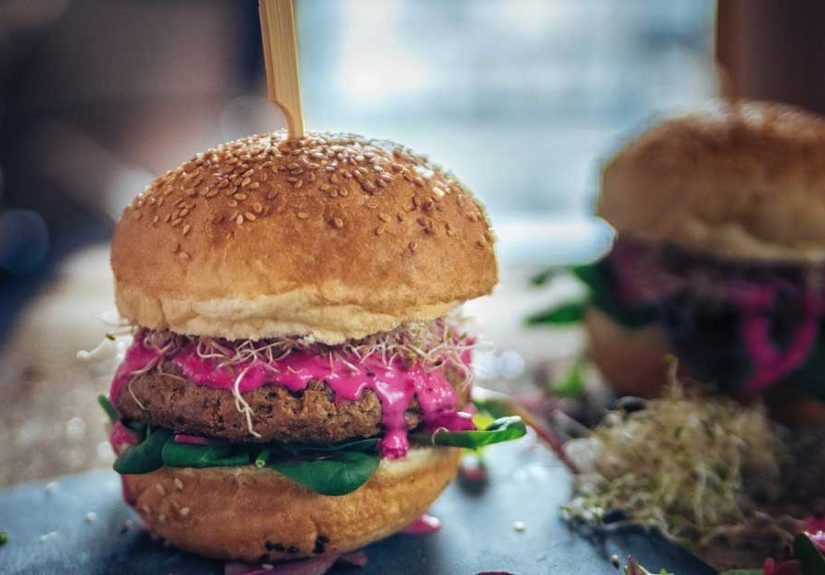
Tempeh, seitan, black bean patties, lentil burgers, and selected packaged burgers work especially well.
For Tacos, Chili, and Pasta Sauce
Lentils, TVP, soy crumbles, chopped mushrooms, and black beans are reliable stars.
For Stir-Fries and Bowls
Tofu, tempeh, edamame, and seitan are strong choices because they hold shape and absorb sauce.
For Pulled or Shredded Textures
Jackfruit works beautifully, especially when combined with beans or tofu for better protein balance.
For Budget Meal Prep
Lentils, beans, chickpeas, split peas, tofu, and frozen edamame offer the best value without sacrificing nutrition.
Who Should Be Careful?
Vegan meat substitutes can fit many healthy eating patterns, but personal needs still matter. People with soy allergies should avoid tofu and tempeh. Those with celiac disease must avoid seitan and any gluten-based substitute. People with kidney disease, digestive conditions, or other medical nutrition needs may need individualized guidance on protein sources, mineral intake, or fiber levels.
The best diet is not the most dramatic one online. It is the one that works for your body, your budget, and your actual Tuesday night energy level.
Conclusion
Vegan meat substitutes are not one thing. They are a toolbox. Tofu and tempeh offer versatility and strong nutrition. Beans and lentils bring fiber, protein, and unbeatable value. Seitan wins on texture. Mushrooms and jackfruit add savory magic and familiar bite. Packaged plant-based meats can be useful, but they should be chosen thoughtfully rather than blindly crowned as health food royalty.
If you want the smartest approach, build most meals around minimally processed plant proteins, season them like you mean it, and use packaged meat alternatives as backups, shortcuts, or occasional cravings. That way, your plate gets the convenience of modern food innovation without forgetting the nutritional common sense that keeps the whole show running.
Experiences and Real-Life Lessons With Vegan Meat Substitutes
One of the most common experiences people have when switching to vegan meat substitutes is realizing that the first few meals can feel oddly familiar and completely new at the same time. A lentil taco looks like taco night, but the texture is softer, the flavor depends more on seasoning, and the satisfaction comes from a different place. Many people begin with packaged burgers because they are easy and recognizable, then slowly move toward tofu, tempeh, beans, and lentils once they get more comfortable cooking plant-based meals. That progression makes sense. Familiar foods lower the learning curve.
Another common lesson is that texture matters almost as much as taste. Someone may say they do not like tofu when what they really mean is they do not like pale, watery tofu that was tossed into a pan with no preparation. Once they try pressed tofu that has been marinated, roasted until golden, and tucked into a rice bowl with spicy sauce and crunchy vegetables, their opinion often changes quickly. The same goes for tempeh. At first bite, it can seem firm and earthy. But when steamed, marinated, and crisped in a skillet, it becomes deeply savory and satisfying.
People also learn that not all meat substitutes solve the same problem. Jackfruit can scratch the itch for pulled barbecue sandwiches, but it will not carry a high-protein lunch the way tofu or beans can. Mushrooms make pasta sauce taste richer and meatier, but they work best as part of a bigger mix rather than the sole source of substance. Seitan is often the opposite experience: wonderfully chewy and protein-rich, but not appropriate for anyone who needs to avoid gluten. Real success usually comes from understanding each substitute’s strength instead of expecting one ingredient to do every job.
There is also a practical budget lesson that shows up fast. Relying only on premium packaged plant-based meats can get expensive. Many people discover that the most sustainable routine combines convenience foods with cheaper staples. For example, a week might include one store-bought burger night, one tofu stir-fry, one lentil soup, one chickpea curry, and one tempeh sandwich lunch prep. That mix keeps meals interesting without turning dinner into a financial event.
Finally, the experience that surprises many people most is how much flavor improves once they stop chasing a perfect copy of meat. Vegan meat substitutes often work best when treated as their own delicious category. Tofu does not need to become chicken’s identical twin to be excellent. Tempeh does not need an apology. Lentils do not need to impersonate beef under witness protection. Once cooks lean into texture, seasoning, and balance, plant-based meals start feeling less like compromise and more like a genuinely satisfying way to eat.