Table of Contents >> Show >> Hide
- Why Tinned Fish Deserves a Spot in Your Pantry
- What Counts as Tinned Fish?
- How to Buy Tinned Fish Like You Know What You’re Doing
- How to Store Tinned Fish Safely
- How to Actually Enjoy Tinned Fish
- Common Beginner Mistakes to Avoid
- A Practical Beginner Shopping List
- Final Thoughts
- Personal Experience: What Beginners Usually Discover After a Few Tins
Tinned fish used to live in the “emergency lunch” corner of the pantry, right next to the lonely crackers and the pasta you bought during a dramatic life phase. Not anymore. These days, sardines, tuna, salmon, mackerel, trout, anchovies, and other canned seafood have earned a glow-up. They are practical, flavorful, protein-rich, and surprisingly versatile. Best of all, they can turn a bleak “there is nothing to eat” evening into a very respectable dinner with almost no effort and only minor dishwashing.
If you are new to the world of tinned fish, the grocery shelf can look oddly intense. There are oils, sauces, smoked varieties, boneless options, skin-on fillets, tiny tins that cost less than a coffee, and fancy imported cans that behave like they deserve their own velvet rope. This guide walks you through how to buy tinned fish wisely, store it safely, and actually enjoy eating it, whether you are starting with humble canned tuna or flirting with a tin of sardines like it is a personal challenge.
Why Tinned Fish Deserves a Spot in Your Pantry
Tinned fish checks a lot of boxes at once. It is shelf-stable, easy to portion, rich in protein, and often provides omega-3 fatty acids. Depending on the species, it may also deliver vitamin D, vitamin B12, and calcium, especially when the soft bones are included and edible, as they often are in sardines and some canned salmon. That means tinned fish is not just convenient food. It is useful food.
It is also a smart way to keep seafood on hand without worrying that it will go bad before Tuesday. Fresh fish is wonderful, but it can be a high-maintenance houseguest. Tinned fish, on the other hand, waits patiently in the pantry until you are ready. It does not judge your schedule. It does not wilt. It does not silently become a science project in the back of the refrigerator.
For many shoppers, cost is another big advantage. A simple tin of sardines, mackerel, or tuna can stretch into lunch, a snack board, a pasta, or a rice bowl. Premium tins absolutely exist, but beginners do not need to start there. The tinned fish aisle has room for both budget-minded weeknight cooks and people who say things like “this smoked trout has excellent structure.”
What Counts as Tinned Fish?
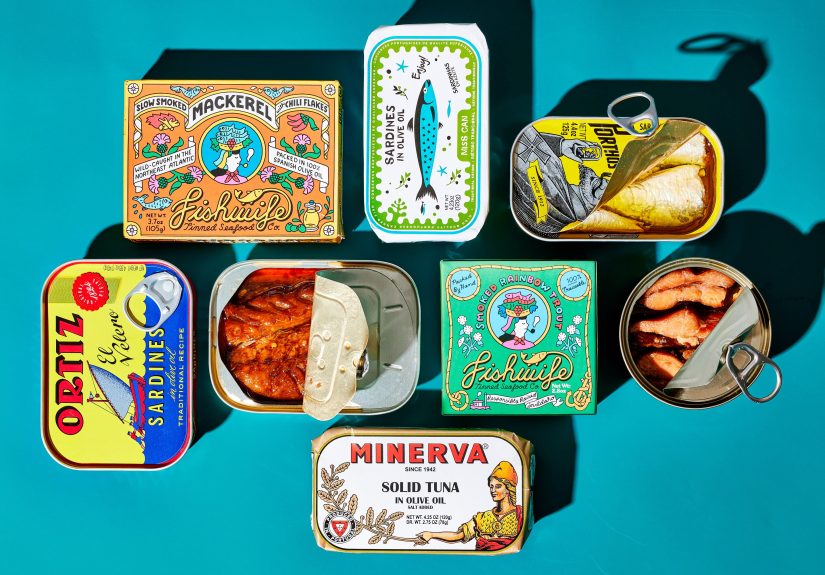
The phrase “tinned fish” usually includes more than just fish in literal tins. It can refer to canned or jarred seafood packed in oil, water, brine, sauce, or seasonings. Some of the most common beginner-friendly choices include:
Tuna
A classic for good reason. Canned tuna is mild, familiar, and easy to use in sandwiches, salads, melts, rice bowls, and pasta. Albacore is usually firmer and milder, while skipjack tends to have a deeper flavor and darker color. If you are new to tinned fish and slightly nervous, tuna is the easiest handshake.
Sardines
Small, rich, and full of personality. Sardines can be packed in olive oil, water, mustard, tomato sauce, or spicy sauces. They are one of the best entry points for people who want a nutrient-dense option with omega-3s and, when eaten with the bones, extra calcium.
Salmon
Canned salmon is flaky, hearty, and ideal for patties, salads, grain bowls, and spreads. It can taste more substantial than tuna and works especially well when paired with lemon, dill, yogurt, mustard, or potatoes.
Mackerel
Mackerel is rich, buttery, and often underrated. For beginners who want something flavorful but not as salty or punchy as anchovies, mackerel can be a happy middle ground.
Anchovies
These are tiny flavor grenades. Anchovies are usually saltier and more intense than other options, so they are less of a “eat straight from the can” fish for beginners and more of a secret weapon in dressings, sauces, toasts, and pasta. A couple fillets can make a dish taste deeper and more savory without screaming, “Hello, I am fish!”
Smoked Trout and Other Specialty Tins
Smoked trout, mussels, oysters, clams, and specialty conservas can be delicious once you are ready to branch out. They are great for snack boards, appetizers, or low-effort entertaining that looks suspiciously elegant.
How to Buy Tinned Fish Like You Know What You’re Doing
Buying tinned fish gets easier once you stop judging the package by its vintage seagull artwork and start reading the label. Here is what matters most.
1. Start with the Species
Choose a fish that matches your comfort level. If you already like tuna salad, begin with tuna. If you enjoy smoked salmon or richer seafood, try sardines, mackerel, or trout. If you are anchovy-curious, start by cooking them into sauces rather than eating them alone on day one like a dare.
2. Check the Packing Liquid
Oil-packed fish usually tastes richer, feels more tender, and works beautifully on toast, with pasta, or in salads. Water-packed fish is lighter and milder, which many people prefer for tuna salad or recipes where you want more control over the final flavor. Neither is automatically “better.” They are just suited to different moods. Oil-packed says dinner. Water-packed says lunch meeting.
3. Read the Ingredient List
The best tins are often simple: fish, olive oil or water, salt, maybe spices or lemon. If the label sounds like it was written by a chemistry set, put it back unless you enjoy eating mysteries. Also note whether the fish is skin-on, boneless, smoked, wild-caught, lightly salted, or packed with sauce. These details affect both flavor and texture.
4. Think About Mercury and Variety
If you are shopping for children, are pregnant, or simply want to be thoughtful about seafood choices, variety matters. In general, smaller fish such as sardines and anchovies tend to be lower in mercury. Canned light tuna is often considered a better regular option than albacore for people paying close attention to mercury guidance. Rotating among tuna, salmon, sardines, trout, and mackerel is a practical move anyway because it keeps meals interesting.
5. Look for Sustainability Cues
Many shoppers also care about how the seafood was caught or farmed. Smaller schooling fish like sardines, anchovies, and herring often show up in sustainability conversations, but no single fish gets a gold star in every situation. Check for trusted sourcing information, recognizable certifications, or sustainability guidance when possible. The fish should not be doing all the heavy lifting while the label tells you absolutely nothing.
6. Don’t Buy a Sad Can
This is the unglamorous but important part. Skip cans that are bulging, leaking, badly rusted, or deeply dented, especially near the seams. A damaged can is not quirky. It is a food safety concern.
How to Store Tinned Fish Safely
Unopened tinned fish is one of the easiest pantry items to store. Keep it in a cool, clean, dry place away from heat and moisture. A normal pantry or kitchen cabinet works well. You do not need a special fish vault or a temperature-controlled maritime bunker.
What to Do After Opening
Once opened, tinned fish is no longer shelf-stable. If you are not using it all, refrigerate leftovers promptly. A good rule is to get perishable foods into the refrigerator within two hours, or within one hour if the environment is very hot.
Rather than leaving leftovers in the opened can, transfer them to an airtight container. Glass works especially well, and stainless steel is also a good option. Then refrigerate and use the leftovers within three to four days. That window is not a suggestion from your most dramatic friend. It is a sensible food safety guideline.
Signs It’s Time to Toss It
If the fish smells sour rather than pleasantly briny, looks dry and discolored in a suspicious way, or has been forgotten in the refrigerator long enough to develop a backstory, do not eat it. Also toss any unopened can that is swollen, leaking, badly rusted, or heavily damaged.
How to Actually Enjoy Tinned Fish
The easiest way to enjoy tinned fish is to stop overthinking it. You do not need a curated “seacuterie” board with twelve pickles, three imported crackers, and a candle named North Atlantic Breeze. A fork, good bread, acid, and something crunchy will get you very far.
Easy Beginner Pairings
These combinations work because they balance richness, saltiness, and texture:
- Tuna with mayonnaise, mustard, celery, pickles, or red onion for sandwiches and wraps
- Sardines on toast with lemon, cracked pepper, and herbs
- Salmon mixed with yogurt or mayo, dill, and capers for crackers or lettuce cups
- Mackerel with warm potatoes, parsley, and a sharp vinaigrette
- Anchovies melted into olive oil with garlic for pasta or vegetables
- Smoked trout with cream cheese, cucumbers, and rye crackers
Five Low-Effort Meals That Make Tinned Fish Shine
1. Toast and Tin Dinner: Pile oil-packed sardines or mackerel onto toasted sourdough with lemon, herbs, pickled onions, or sliced tomatoes.
2. Pantry Pasta: Toss hot pasta with olive oil, garlic, chili flakes, lemon zest, parsley, and tuna or anchovies. Suddenly you are “rustic.”
3. Rice Bowl Rescue: Add salmon or tuna to warm rice with cucumbers, avocado, soy sauce, sesame seeds, and scallions.
4. Bean Salad Lunch: Stir tinned fish into white beans with olive oil, vinegar, herbs, and crunchy vegetables.
5. Snack Plate: Pair smoked trout or sardines with crackers, olives, sliced radishes, pickles, mustard, and a boiled egg. It looks fancy, but mostly it is just assembly.
Common Beginner Mistakes to Avoid
Buying the Most Intense Tin First
If you are unsure about tinned fish, do not begin with the saltiest anchovies or the most aggressively smoky sardines in hot sauce. Start with mild tuna, salmon, or smoked trout, then work your way up.
Ignoring Sodium
Some tins can be salty, especially anchovies and heavily seasoned products. If you are watching sodium, compare labels and look for lower-sodium choices when available.
Assuming All Tins Taste the Same
They do not. Species, packing liquid, origin, seasoning, and brand all matter. One disappointing can does not mean the category failed you. It may just mean that particular tin was the seafood equivalent of a bad haircut.
Forgetting Acid and Crunch
Tinned fish loves contrast. Lemon juice, vinegar, capers, pickles, fresh herbs, cucumbers, toast, crackers, and raw vegetables all help balance richness and make the fish taste brighter.
A Practical Beginner Shopping List
If you want to build confidence without blowing your budget, start with a small lineup:
- 1 can of water-packed or oil-packed tuna
- 1 tin of sardines in olive oil
- 1 can of salmon
- 1 tin of smoked trout or mackerel
- Crackers or crusty bread
- Lemon
- Mustard or mayo
- Pickles or capers
- Fresh herbs or scallions
- A can of white beans or a bag of rice
With that lineup, you can make sandwiches, toast, pasta, rice bowls, salads, and snack plates without much planning. You are not just buying fish. You are buying future laziness with better flavor.
Final Thoughts
Tinned fish is one of the easiest ways to eat more seafood without turning every weeknight into a culinary production. It can be affordable, nutritious, pantry-friendly, and genuinely delicious when you buy wisely and keep the pairings simple. Start with a mild fish, pay attention to the label, store it safely, and add the things that make rich foods better: acid, crunch, herbs, and good bread.
You do not need to become a tinned fish evangelist overnight. You just need one good tin, one decent cracker, and the willingness to admit that dinner from a pantry shelf can still feel like a win. And sometimes, honestly, that is the most beautiful kind of meal.
Personal Experience: What Beginners Usually Discover After a Few Tins
My favorite thing about introducing people to tinned fish is watching the suspicion melt away in real time. At first, beginners often approach the can like it contains either treasure or a prank. There is rarely an in-between. The person who claims they are “not really a fish person” will usually accept tuna, hesitate around salmon, squint at sardines, and act like anchovies belong in a locked cabinet. Fair enough. Tinned fish has a reputation. But once people try a good beginner-friendly tin with the right pairing, the mood changes fast.
The first surprise is usually texture. Many people expect mush, but a solid tin of tuna or salmon can be flaky and satisfying, while good sardines can be tender rather than scary. Smoked trout is often the gateway favorite because it tastes familiar, rich, and almost luxurious on a cracker with cream cheese. Mackerel also wins people over more often than expected because it feels hearty and savory without the sharper salt punch of anchovies.
The second surprise is how little work is involved. Fresh fish sounds virtuous until you have to shop for it, cook it correctly, clean the pan, and pretend you always meant to spend that much on dinner. Tinned fish skips the drama. You open, season, assemble, and eat. That makes it perfect for students, busy families, apartment dwellers, and anyone who has ever stared into the refrigerator at 7:14 p.m. hoping a meal would materialize through sheer force of personality.
Another common beginner experience is learning that the supporting cast matters just as much as the fish. A plain forkful from the tin may be fine, but add lemon, mustard, parsley, chili flakes, pickles, toast, or warm potatoes, and the whole thing wakes up. That is when people realize tinned fish is less of a single ingredient and more of a meal shortcut. It is not trying to be the whole show. It just wants a few reliable co-stars.
Beginners also learn quickly that brand and style make a difference. One tin packed in olive oil can taste rich and balanced, while another may be too salty or too soft. That is why the best approach is to experiment without overcommitting. Buy one or two different kinds, keep notes in your head, and do not assume your first can represents the entire category. Tinned fish has range. It can be humble lunch, smart pantry staple, or the thing you unexpectedly serve to guests who then ask, “Wait, this came from a can?”
Most of all, people discover that tinned fish earns loyalty because it solves real-life problems. It is there when the grocery run did not happen, when the budget is tight, when the fresh ingredients are looking tragic, or when you need protein now and patience later. It may not be glamorous every time, but it is reliable, and that counts for a lot in any kitchen. Once beginners find their favorite tin and their favorite way to eat it, the pantry never looks quite the same again.