Table of Contents >> Show >> Hide
- What Is Withdrawal Bleeding?
- Is Withdrawal Bleeding the Same as a Period?
- Which Types of Birth Control Can Cause Withdrawal Bleeding?
- What Does Withdrawal Bleeding Look Like?
- Is It Normal to Have No Withdrawal Bleeding on Birth Control?
- Withdrawal Bleeding vs. Breakthrough Bleeding
- What Happens After You Stop Birth Control?
- How Long Does Withdrawal Bleeding Last?
- Can You Skip Withdrawal Bleeding on Purpose?
- When Is Bleeding a Sign Something Else Might Be Going On?
- Can Withdrawal Bleeding Mean You Are Not Pregnant?
- How to Manage Withdrawal Bleeding More Comfortably
- Common Questions About Withdrawal Bleeding
- Experiences Related to Withdrawal Bleeding: What People Often Notice in Real Life
- Conclusion
If you have ever looked down during your placebo week and thought, “Okay, so is this my period or my body just being theatrical again?” you are not alone. Withdrawal bleeding is one of those health terms that sounds dramatic, slightly mysterious, and a little too much like a plot twist in a medical TV show. But in real life, it is usually much less alarming.
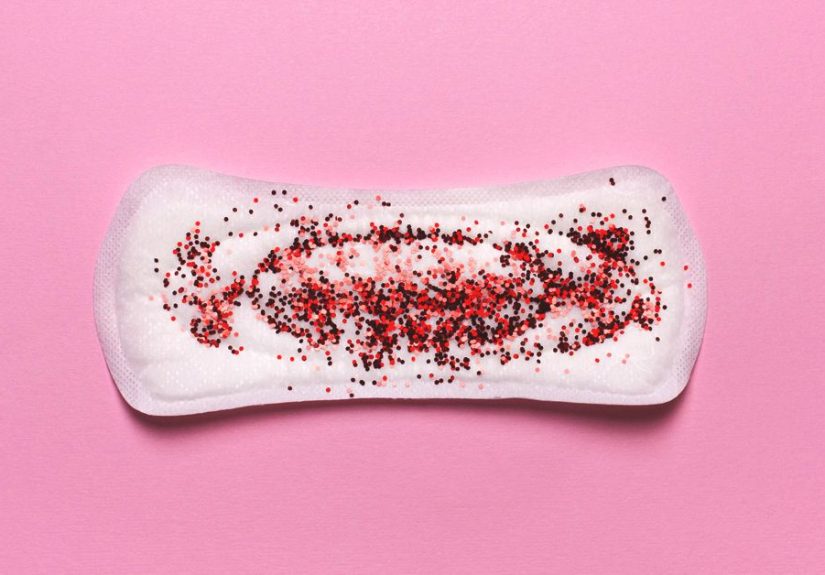
In simple terms, withdrawal bleeding is the bleeding that can happen when hormone levels drop after you pause or stop certain kinds of hormonal birth control. It often shows up during the week of inactive pills in a combined birth control pill pack, or during a scheduled break from the ring or patch. It can look like a period, feel like a period, and still not be exactly the same thing as a true menstrual period.
That distinction matters. Understanding withdrawal bleeding can help you know what is normal, what is annoying but common, and what deserves a call to your healthcare professional. It can also save you from falling into an internet rabbit hole at 1:17 a.m. with eleven tabs open and zero peace of mind.
What Is Withdrawal Bleeding?
Withdrawal bleeding is the shedding of the uterine lining that happens when the hormones from birth control are reduced or temporarily stopped. The most common example is the bleed you get during the placebo or hormone-free week of combination birth control pills. It can also happen with some schedules involving the birth control patch or vaginal ring.
The key reason it happens is the sudden drop in hormone exposure. When estrogen and progestin levels fall, your body reacts by shedding some of the lining of the uterus. That produces bleeding that may look similar to a period.
But here is the important twist: withdrawal bleeding is not the same as a standard menstrual period that happens after ovulation in a natural cycle. With many hormonal contraceptives, ovulation is suppressed. That means the monthly bleeding during your hormone-free interval is more like a hormone-response event than a classic period.
Is Withdrawal Bleeding the Same as a Period?
Not exactly. A regular menstrual period usually happens after ovulation if pregnancy does not occur. In a natural cycle, hormone levels rise and fall in a predictable pattern, the uterine lining builds up, and then the body sheds that lining.
Withdrawal bleeding is different because it is triggered by stopping or lowering the hormones you were getting from birth control. Since the lining often does not build up as much while using hormonal contraception, the bleeding may be lighter, shorter, or less dramatic than your usual period. For some people, that is welcome news. For others, it is still enough to remind them that white pants remain an act of courage.
So yes, it can feel period-like. No, it is not biologically identical to a natural menstrual period. Think “period-adjacent.”
Which Types of Birth Control Can Cause Withdrawal Bleeding?
Combination birth control pills
This is the classic setting. Many pill packs include 21 active pills followed by 7 inactive pills, or a similar setup. During the inactive-pill week, hormone levels drop and withdrawal bleeding often begins.
The patch and the vaginal ring
These methods may also include a scheduled hormone-free interval. If you remove the ring or stop the patch on schedule, you may have withdrawal bleeding during that break.
Extended-cycle or continuous regimens
Some people take birth control in a way that reduces or skips monthly bleeding. In those cases, withdrawal bleeding may happen less often. Spotting can still occur, especially in the first few months, but many people find that it improves over time.
What about progestin-only methods?
Progestin-only pills, the shot, the implant, and hormonal IUDs can affect bleeding too, but the pattern is often different. Instead of a neat scheduled withdrawal bleed, these methods are more likely to cause irregular spotting, lighter bleeding, or sometimes no bleeding at all. In other words, your uterus may become less of a calendar and more of a surprise guest.
What Does Withdrawal Bleeding Look Like?
There is a wide range of normal. Withdrawal bleeding may be:
- Lighter than your typical period
- Shorter than usual
- Brown, pink, or bright red
- Accompanied by mild cramps, bloating, or breast tenderness
- Absent altogether in some cycles
Many people expect their bleed to look exactly the same every month, but hormones do not always read the script. Stress, missed pills, illness, medication interactions, and normal body variation can all affect timing and flow.
Is It Normal to Have No Withdrawal Bleeding on Birth Control?
Sometimes, yes. Not getting a withdrawal bleed every cycle can happen, especially if your uterine lining has stayed very thin. This is more common with low-dose birth control, extended-cycle use, and some progestin-only methods.
That said, context matters. If you have taken your birth control exactly as directed and have no symptoms of pregnancy, an absent or very light bleed may not be a problem. But if you missed pills, started interacting medications, or have pregnancy symptoms such as nausea, breast changes, or unusual fatigue, taking a pregnancy test is a smart next step.
Withdrawal Bleeding vs. Breakthrough Bleeding
These terms get mixed up all the time, but they are not interchangeable.
Withdrawal bleeding happens during the hormone-free interval or after stopping hormones.
Breakthrough bleeding happens while you are still using hormonal birth control, usually during active hormone days. It may appear as spotting or unexpected bleeding between scheduled bleeds.
Breakthrough bleeding is common during the first few months after starting a method, switching brands, using extended-cycle contraception, or missing pills. It can also happen if vomiting or diarrhea affects absorption, or if another medicine interferes with the contraceptive.
If withdrawal bleeding is the scheduled cameo, breakthrough bleeding is the unscheduled plot interruption.
What Happens After You Stop Birth Control?
Once you stop hormonal birth control, your hormone levels shift again. You may have withdrawal bleeding soon after stopping, especially if you end a pack early or discontinue a method that has been regulating your cycle. After that, your body starts transitioning back to its own rhythm.
For some people, a natural period returns quickly. For others, it may take several weeks or even a few months for regular ovulation and cycle timing to settle in. This does not always mean something is wrong. Often, it simply means your body is adjusting and your pre-birth-control cycle pattern is reappearing.
This is also the moment when many people rediscover why they started birth control in the first place. Heavier periods, stronger cramps, acne flare-ups, PMS symptoms, or irregular cycles may return once the hormones are gone. It is a little like canceling a streaming subscription and realizing, oh right, the ads are back.
How Long Does Withdrawal Bleeding Last?
Withdrawal bleeding typically lasts a few days to about a week, though some variation is common. It is often lighter than a regular period, but some people still have a moderate flow and mild cramps.
Duration can depend on the type of birth control you use, how long you have been on it, your hormone dose, whether you missed pills, and your individual response to hormonal changes.
If bleeding is prolonged, very heavy, or starts to feel out of character for your usual pattern, it is worth checking in with a clinician.
Can You Skip Withdrawal Bleeding on Purpose?
In many cases, yes. Some people skip the inactive pills and move straight to a new pack of active pills, or use the patch or ring continuously under medical guidance. This can reduce how often withdrawal bleeding happens and is commonly used for convenience, travel, sports, migraines linked to hormone changes, endometriosis, or simply because monthly bleeding is not on anyone’s list of favorite hobbies.
Skipping withdrawal bleeding is generally considered safe for many users of combination hormonal contraception. You do not need to bleed every month for health reasons just because a pill pack was designed that way. In fact, the traditional placebo week was shaped partly by historical packaging choices, not because the body medically requires a monthly bleed while on the pill.
When Is Bleeding a Sign Something Else Might Be Going On?
Not every episode of bleeding is just a harmless hormone quirk. Sometimes, abnormal bleeding points to another issue, such as pregnancy, miscarriage, infection, uterine fibroids, polyps, thyroid problems, or another cause of abnormal uterine bleeding.
You should seek medical advice if you have:
- Bleeding that soaks through pads or tampons very quickly
- Bleeding that lasts longer than about a week and is getting worse
- Severe pelvic pain or cramping
- Dizziness, fainting, or signs of anemia
- Bleeding after sex that keeps happening
- Possible pregnancy or a positive pregnancy test
- No bleeding plus missed pills and pregnancy symptoms
- Repeated irregular bleeding that does not improve after the first few months on a new method
It is especially important not to self-diagnose heavy or persistent bleeding as “probably just birth control” if your gut says something feels off. Bodies can be quirky, but they are not usually trying to win mystery contests.
Can Withdrawal Bleeding Mean You Are Not Pregnant?
Not always. Having bleeding can be reassuring, but it is not a foolproof sign that pregnancy is impossible. Some people can have light bleeding and still be pregnant. Others may mistake spotting for a true withdrawal bleed.
If you missed pills, started a medication that could interfere with birth control, had vomiting or diarrhea, or have symptoms that make you suspect pregnancy, take a pregnancy test. It is better to get an answer than to spend three days running advanced detective work on your search history.
How to Manage Withdrawal Bleeding More Comfortably
Most of the time, withdrawal bleeding does not require treatment. But comfort counts.
- Use pads, tampons, period underwear, or another menstrual product that works well for your flow
- Stay hydrated if cramping or fatigue makes you feel run down
- Use a heating pad for mild cramps
- Keep track of bleeding patterns in an app or calendar
- Take your birth control exactly as directed to reduce unscheduled bleeding
- Ask your clinician whether a different formulation or dosing schedule might suit you better
If your current method turns every month into a guessing game, that is useful information. You are not failing birth control. Birth control may simply be a poor personality match for your body.
Common Questions About Withdrawal Bleeding
Is withdrawal bleeding healthy?
Yes, it is usually a normal response to changes in hormone levels on certain contraceptive methods.
Do you need withdrawal bleeding every month?
No. Many people safely use methods that reduce or eliminate monthly bleeding.
Why is my withdrawal bleeding so light?
Hormonal birth control often keeps the uterine lining thinner, so there may be less tissue to shed.
Why am I bleeding after stopping birth control?
Your body may be reacting to the drop in hormones. This can be a withdrawal bleed before your natural cycle restarts.
Can stress affect bleeding too?
Yes. Stress can influence hormones and cycle patterns, which may change how bleeding shows up.
Experiences Related to Withdrawal Bleeding: What People Often Notice in Real Life
One of the most interesting things about withdrawal bleeding is how ordinary and confusing it can feel at the same time. A lot of people expect birth control to create perfect predictability, like a monthly calendar alert with better manners. Then real life arrives. Maybe the bleeding starts on Thursday instead of Friday. Maybe it is super light one month and a little heavier the next. Maybe it is brown at first, then red, then almost nothing. That variation can make people wonder whether their body is “normal,” even when it absolutely is.
A very common experience is starting a new pill and feeling surprised by spotting before the placebo week ever begins. Many people assume the method is not working, but early irregular bleeding is one of the most reported adjustment effects with hormonal contraception. The body often needs time to adapt. Another common experience is the opposite: someone expects a bold, unmistakable period-like bleed during the inactive week and instead gets a tiny amount of staining that barely seems worth the effort of opening a pad. That can feel unsettling, but it often reflects a thinner uterine lining rather than a dangerous problem.
People who stop birth control also describe a wide range of experiences. Some get a bleed within days and then return to a fairly normal cycle soon after. Others have a weird in-between phase where their body seems to be holding a committee meeting before making any decisions. They may get light spotting, then nothing, then a period that feels unlike the ones they had on the pill. For some, old symptoms return with a dramatic flourish: stronger cramps, heavier bleeding, acne, mood changes, or the sudden realization that their “easy periods” had been a perk of hormonal contraception all along.
Another real-world experience involves anxiety over pregnancy. This is incredibly common. People often use withdrawal bleeding as a monthly reassurance marker, so when it changes, becomes lighter, or disappears, stress shoots up. Even when they have taken pills correctly, a missing bleed can feel emotionally loud. In those moments, a pregnancy test can provide clarity faster than hours of doom-scrolling.
Some people intentionally skip withdrawal bleeding and feel thrilled about it. Fewer cramps, less disruption, no packing emergency supplies for a beach trip or exam week. Others try continuous dosing and deal with off-and-on spotting for a while before things settle down. That does not mean they made the wrong choice; it just means bodies can be a little stubborn about change.
What ties these experiences together is that withdrawal bleeding is rarely just about blood. It is also about expectations, routine, reassurance, inconvenience, and comfort. The same bleeding pattern that one person shrugs off may make someone else anxious. That is why tracking your symptoms, knowing what your method typically does, and recognizing when something is clearly outside your normal pattern can be so helpful. In the end, the goal is not to have a textbook cycle that behaves like a robot. It is to understand your own body well enough that its surprises stop feeling quite so surprising.
Conclusion
Withdrawal bleeding is common, usually normal, and often misunderstood. It is the bleeding that can happen when hormones from certain forms of birth control drop during a placebo or hormone-free interval, or soon after stopping a method. Although it can resemble a period, it is not the same as a natural menstrual period that follows ovulation.
For many people, withdrawal bleeding is lighter, shorter, and easier to manage than their usual period. For others, it comes with enough unpredictability to be annoying, confusing, or mildly rude. Either way, understanding what it is can make birth control decisions feel a lot less mysterious.
If your bleeding pattern changes dramatically, becomes heavy, lasts too long, or comes with severe pain or possible pregnancy, it is time to check in with a healthcare professional. Otherwise, a little hormone-related unpredictability is often just your body doing what bodies do best: being biologically clever and occasionally inconvenient.