Table of Contents >> Show >> Hide
- Why the TikTok Lid Swap Trend Is a Bad Idea (At Least in Stores)
- The Better Option: Get an Official Owala Replacement Lid
- How to Choose the Right Replacement Lid (Without Guessing)
- Where to Buy a Replacement Lid (Safely)
- How to Swap Lids the Right Way (At Home, Like a Responsible Hydration Adult)
- Leakproof Isn’t Magic: What Actually Causes Leaks After a Swap
- Cleaning and Maintenance: The Secret to a Bottle That Doesn’t Get Weird
- Warranty and Support: When a Replacement Should Be Free
- Other Fun Ways to Customize Your Owala (No Lid Swapping Required)
- FAQ: Quick Answers for Owala Customizers
- Conclusion: Customize Smarter, Not Harder
- Experience Section: What Customizing an Owala Really Feels Like (and What People Learn the Hard Way)
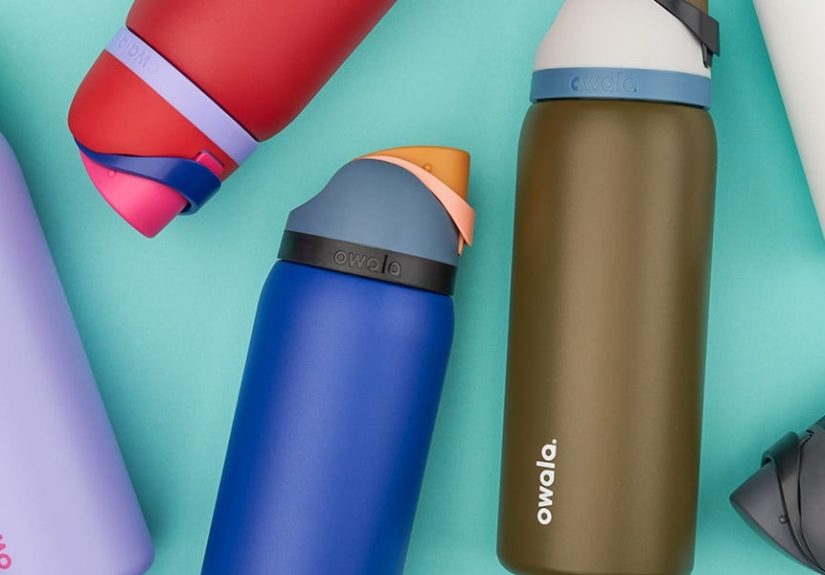
If you’ve spent any time on TikTok (or in a Target aisle where someone just discovered “aesthetic color theory”), you’ve probably seen the Owala lid swap trend: people mixing bottle and lid colors to build their own perfect combo.
Here’s the problem: the trend went from “cute idea” to “why does this shelf look like a water-bottle crime scene?” In some stores, customers have been swapping lids on bottles right on the shelf, leaving mismatched “Franken-bottles” behind for employees to sort out. It’s messy for retail, confusing for shoppers, and honestly… unnecessary.
The good news: you can still customize your Owala without turning a store display into a puzzle. The smartest move is to grab an official replacement lid (and other replacement parts if needed), then mix and match at homecleanly, legally, and without side-eye from employees. Let’s break down how to do it the right way.
Why the TikTok Lid Swap Trend Is a Bad Idea (At Least in Stores)
1) It creates chaos for employees and shoppers
When lids get swapped on the shelf, the bottle that’s supposed to be “that” colorway suddenly becomes “whatever this is now.” Then the next shopper can’t find the original combo, online orders don’t match what’s in stock, and employees are stuck playing detective instead of doing their actual job.
2) You might end up with a bottle that doesn’t seal properly
At home, swapping between the same bottle line can work fine. But the moment you introduce a different model, a worn gasket, or a lid that’s not designed for your bottle, leaks become a real possibilityespecially if the silicone seals aren’t sitting perfectly in their grooves.
3) It’s not actually the cheapest way to customize
If your goal is “I want a different lid color,” buying a whole second bottle just to steal its lid is like buying a second car because you want a different keychain. Replacement lids are typically far less expensive than a full bottle.
The Better Option: Get an Official Owala Replacement Lid
If you want a fresh look (or your current lid is scratched, funky, or missing a piece after a heroic fall down the bleachers), replacement parts are the clean solution. Official replacement lids are made to fit your bottle line and are meant to keep the same easy-open, leak-resistant experience you bought the bottle for in the first place.
What you can usually replace
- Replacement lids (the most popular “customization” move)
- Replacement straws (great if yours is stained, bent, or mysteriously vanished)
- Spout gaskets / seals (often the unsung hero of leak prevention)
This is also the easiest way to personalize your bottle without gambling on questionable third-party “compatible” lids. Some third-party accessories work fine, but fit and sealing performance can vary, and you won’t always know until your bag smells like lemon water forever.
How to Choose the Right Replacement Lid (Without Guessing)
Before you click “add to cart,” take 60 seconds to confirm what you’re replacing. This prevents the classic mistake: ordering the right color… for the wrong bottle.
Step 1: Identify your Owala bottle type
Owala has multiple bottle styles (like FreeSip variations, tumblers, twist lids, and more). Replacement parts are generally organized by product line. The “FreeSip” family is especially popular, but even within a family, components can differ.
Step 2: Check the lid condition (and the seals)
If your bottle leaks, the lid might not be the main culprit. A slightly twisted gasket, a missing seal, or residue in the threads can cause drips that look like “lid failure” but are really “seal needs attention.”
Step 3: Decide whether you’re customizing or repairing
- Customizing: You mainly care about color and fit.
- Repairing: You care about function firstespecially seals, latches, and the drinking mechanism.
Where to Buy a Replacement Lid (Safely)
The best option: Owala’s replacement parts
When you buy directly from the brand (or an authorized retailer), you’re most likely to get the right fit, correct materials, and a reliable seal. It’s also the cleanest way to avoid counterfeits and weird off-brand parts.
What about marketplaces?
Amazon, Walmart, and other marketplaces often carry listings for “replacement lids compatible with Owala.” Some may work fine. But here’s the tradeoff: compatibility claims aren’t always consistent, and quality control can vary from seller to seller. If your goal is dependable leak resistance and a smooth button-lock experience, official parts are the safer bet.
How to Swap Lids the Right Way (At Home, Like a Responsible Hydration Adult)
If you already own multiple Owala bottles and want to mix lids between your own bottles, do it at homeclean, easy, and without leaving your fingerprints all over a retail display.
Quick at-home swap checklist
- Wash both lids first. Yes, even the “clean one.” Especially the “clean one.”
- Inspect the gaskets. Make sure seals are present and seated properly.
- Thread gently. Cross-threading is the silent enemy of leakproof living.
- Do a sink test. Fill, close, tip, and gently shake over the sink before trusting it in a backpack.
Leakproof Isn’t Magic: What Actually Causes Leaks After a Swap
Misaligned or dirty gaskets
Silicone seals can shift during cleaning, swapping, or even just from normal use. If your bottle suddenly leaks after a lid change, remove the gasket, rinse it, and re-seat it carefully.
Residue in threads or the drinking mechanism
Sugary drinks, flavored water packets, and even coffee can leave residue in hard-to-reach grooves. That buildup can prevent a tight seal.
Mixing parts not designed for each other
Not every lid is designed to match every bottle style. “Looks like it fits” is not the same as “will stay sealed when upside down in your tote.”
Cleaning and Maintenance: The Secret to a Bottle That Doesn’t Get Weird
If you’re customizing your Owala, you’re probably handling lids, seals, and straws more oftenwhich makes cleaning even more important. The gross truth: lids, straws, and gaskets are where residue and moisture love to hang out.
Basic routine (easy, not dramatic)
- Rinse after each use (especially after anything other than plain water).
- Wash regularly with warm, soapy water and a bottle brush.
- Disassemble removable pieces (straws, gaskets) so you can clean the hidden areas.
- Air-dry fully before reassembling to reduce moisture that supports biofilm and mold.
Deep-clean tips for stains and odors
If your bottle starts smelling like “last week’s iced coffee era,” you’re not doomed. Baking soda, vinegar soaks, and thorough cleaning of seals and mechanisms can help eliminate lingering odors. Just don’t ignore the small partsthose are usually the source.
Warranty and Support: When a Replacement Should Be Free
If something breaks because of a defect (not because it got run over by a vehicle or went through an accidental “science experiment”), check the warranty. Many brandsincluding Owalaseparate normal wear and tear from defects in materials and workmanship. If you have proof of purchase and the issue qualifies, support may replace defective parts.
Other Fun Ways to Customize Your Owala (No Lid Swapping Required)
1) Go beyond the lid: boots, sleeves, and accessories
A bottle boot can protect the base and change the look instantly. It’s also a quiet win if you’re tired of that “clang” every time your bottle hits a table like it’s announcing your arrival.
2) Personalization and custom designs
If you want your bottle to look truly one-of-a-kind (and not “I swapped lids like everyone else”), consider customization options like engraving or printed designs. That gives you personalization without messing with the functional parts that keep your bottle leak-resistant.
3) Stickers, decals, and name labels
Simple, cheap, and effective. Plus, if you ever resell or gift your bottle, stickers are easier to remove than explaining why the lid color doesn’t match the name of the original colorway.
FAQ: Quick Answers for Owala Customizers
Is swapping lids between bottles I already own “bad”?
Not inherentlyif they’re designed for the same bottle line and you confirm the seal is solid. The bigger issue is swapping lids on store shelves, which creates inventory problems and frustration for other shoppers.
Do I need to replace the whole lid if my bottle leaks?
Not always. Check the gaskets and clean the threads first. A missing or misaligned seal can cause leaks that look like “the lid is broken” when it’s actually a quick fix.
How often should I deep-clean my bottle?
If it’s daily water only, a consistent wash routine goes a long way. If you use sugary drinks, coffee, or flavored mixes, clean more often especially the straw and mouthpiece areas.
Conclusion: Customize Smarter, Not Harder
If you want a personalized Owala, you don’t need to participate in the in-store lid-swap Olympics. The easiest, most responsible approach is: pick your bottle, order a replacement lid in the color you actually want, and swap it at home after a good wash and gasket check.
You’ll get the look you want, the leak resistance you paid for, and you’ll avoid turning a retail display into a hydration-themed escape room. Your future self (and your backpack) will thank you.
Experience Section: What Customizing an Owala Really Feels Like (and What People Learn the Hard Way)
Customizing an Owala bottle sounds like a tiny, harmless projectlike changing your phone wallpaper or picking a new coffee order. Then real life shows up with its little surprises, and suddenly you’re learning about gaskets, straw funk, and the laws of gravity. Here are the most common “experience moments” people run into when they try to personalize their bottle without thinking through the practical side.
First, there’s the color-combo excitement. You see a lid shade that would look perfect with your bottle body, and your brain immediately starts acting like a professional stylist: “This is giving coastal grandma,” or “This is totally my gym era,” or “This matches my sneakers, therefore it is destiny.” That part is genuinely fun. The trick is keeping that joy while avoiding the messy behavior that made the trend controversial in the first place. People who go the replacement-lid route describe it as the “best of both worlds”: you still get the customized look, but you also get to do it cleanly and intentionallylike a normal person with hobbies, not a raccoon rearranging a display.
Next comes the practical reality check: the lid is not just decoration. It’s the whole reason your bottle doesn’t leak in a bag, doesn’t spill on your car seat, and doesn’t turn your laptop sleeve into a damp tragedy. People who swap lids at home often learn that the smallest detail makes the biggest differenceespecially seals. A gasket that’s slightly twisted or not seated evenly can make a perfectly good bottle act like it’s auditioning for a water-feature installation. The fix is usually simple (clean, re-seat, test), but it teaches an important lesson: customization works best when you respect the engineering, even if you’re only here for the vibes.
Then there’s the “why does it smell like that?” phase. This happens most often when someone uses flavored drinks, iced coffee, or electrolyte mixes and forgets that lids and straws are basically tiny moisture traps. People report that the bottle body looks clean, but the straw or mouthpiece area can hold onto odor if it isn’t scrubbed and dried properly. The experienced customizers eventually build a rhythm: quick rinse daily, deeper clean every few days, and a full disassemble-and-scrub when the bottle has had anything other than water. It’s not glamorous, but it keeps your cute customized bottle from becoming “cute from far away only.”
Another real-world moment is the travel test. A bottle can behave perfectly on your desk, then betray you in a backpack when it’s rolling around at weird angles. People who are happy with their customization usually do a simple sink test before trusting a new lid setup: fill it, close it, tip it, shake it, and see if anything drips. That one minute of testing can save you from the infamous “mysterious damp hoodie” incident.
Finally, there’s the confidence boost that comes from making it yours. A customized bottle is easier to spot in a pile of identical water bottles at a gym, an office, or a school. It’s also less likely to be “accidentally adopted” by someone else when it has a distinctive look. People who personalize with a replacement lid, a boot, and maybe a name label often say their bottle becomes a daily companionsomething they actually remember to bringbecause it feels personal. The best experiences come from combining style with function: customize responsibly, keep it clean, and let your bottle be your bottle… without causing chaos for everyone else.