Table of Contents >> Show >> Hide
- Quick Verdict
- What It Is (And Why “Hose-On” Matters)
- How It Works (The Science Without the Snooze)
- Performance: What Results Look Like (And When)
- Ease of Use: The Good, the “Huh?”, and the Fix
- Grass-Type Compatibility: Read This Before You Spray
- When to Apply: Timing That Actually Matters
- Safety, Drift, and “Don’t Nuke the Hydrangeas”
- Pros and Cons (Honest Edition)
- Best Use Cases (Who Should Buy This?)
- Alternatives for U.S. Homeowners (If Yates Isn’t Easy to Find)
- FAQ
- Real-World Experiences: What Using a Hose-On “Weed and Feed” Feels Like (500+ Words)
- Final Thoughts
Every lawn has that moment: you step outside barefoot, expecting “soft green carpet,” and instead meet a surprise cast of
prickly intrudersdandelions, clover, thistlesthrowing a backyard coup. If your grass is basically hosting an unwanted weed
convention, a hose-on “weed and feed” product can feel like the ultimate two-birds-one-sprayer situation.
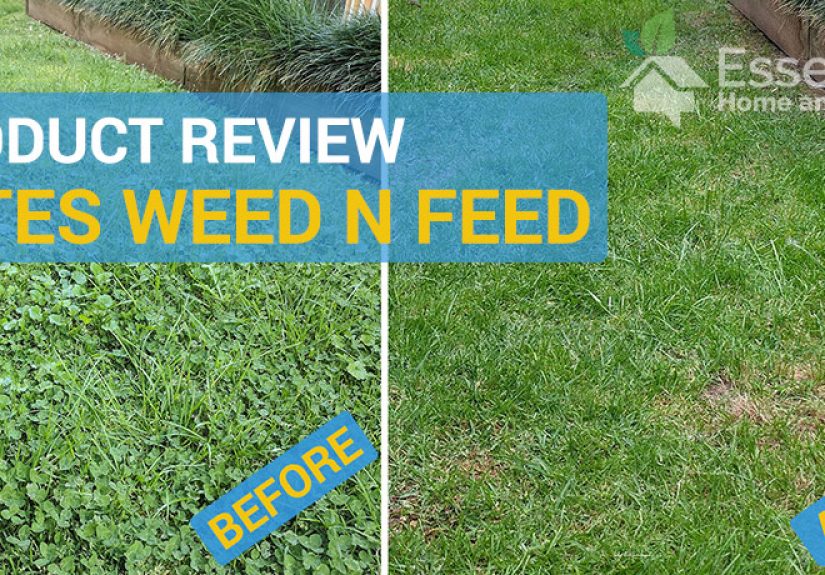
This review dives into Yates Weed ’n’ Feed Hose-Onwhat it is, how it works, what it’s good at, where it can go wrong,
and how to use it without accidentally giving your flowerbeds a chemical jump-scare. We’ll keep it practical, a little funny,
and very focused on results.
Quick Verdict
Yates Weed ’n’ Feed Hose-On is best described as: “A fast, low-effort lawn rescue tool that rewards decent timing.”
It’s a ready-to-use hose-end application that targets common broadleaf weeds while also feeding the turf for greener growth.
- Best for: Broadleaf weeds in established lawns where you want convenience and a quick green-up.
- Not ideal for: Lawns that shouldn’t be fertilized right now, heat-stressed turf, or sensitive grass types (more on that below).
- Results vibe: Weeds start looking offended pretty quickly; full knockout takes longer.
- Big caution: Drift/overspray can damage ornamentals. Treat it like a tool, not a toy.
What It Is (And Why “Hose-On” Matters)
Yates Weed ’n’ Feed Hose-On is a hose-end, ready-to-apply lawn product designed to do two jobs at once:
control broadleaf weeds and feed grass. The bottle connects to a garden hose, and water flow helps distribute
product across the lawnno measuring cups, no dedicated sprayer tank, and no “I spilled half of it on my shoes” energy.
What’s in the bottle?
The “weed” part is powered by selective herbicidescommonly described as “plant hormone” type herbicidesformulated to damage
broadleaf weeds more than turfgrasses when used correctly. The “feed” part typically includes nitrogen and iron for greener growth.
(Always verify the exact ingredients on your regional labelformulas can differ by market.)
What weeds does it target?
This style of product is built for common broadleaf lawn weedsthink dandelion, clover, and other leafy invaders.
It’s not meant to be a universal “kill everything” solution, and it’s usually not the right tool for grassy weeds (like crabgrass)
unless the label specifically says so.
How It Works (The Science Without the Snooze)
Selective broadleaf herbicides work because many lawns are grasses (monocots) and many nuisance weeds are broadleaf plants (dicots).
Certain herbicides mimic plant growth hormones in a way that causes broadleaf weeds to grow in chaotic, unhealthy patternscurling,
yellowing, and gradually dyingwhile the turfgrass tolerates the labeled dose.
Meanwhile, the fertilizer portion supplies nutrientsespecially nitrogenand often iron for color.
That’s why these products can make lawns look more vibrant even if the weed control is still mid-process. It’s the lawn equivalent of:
“We fixed the problem… and also gave your grass a latte.”
Performance: What Results Look Like (And When)
Here’s the most realistic timeline: you may see weeds start to look stressed fairly soon, but full control can take a few weeks.
That’s normal for systemic broadleaf herbicidesthe goal is not instant burn; it’s whole-plant shutdown, including roots.
Where it shines
- Young, actively growing weeds: Smaller weeds are easier to control than big, mature weeds that have life experience and a plan.
- Even coverage: Hose-on products work best when you apply consistently and avoid skipping or double-soaking areas.
- Moderate weather: Mild temperatures and calm wind improve uptake and reduce the “oops, my shrubs” risk.
Where it struggles
- Old, tough weeds: Perennials and mature broadleaf weeds may require follow-up or spot treatment.
- Bad timing: If weeds aren’t actively growing, they don’t absorb as well, and results are weaker.
- Stressful conditions: Heat, drought, or recently scalped lawns can make turf more sensitive and weeds less cooperative.
Ease of Use: The Good, the “Huh?”, and the Fix
The main appeal here is convenience. Hose-on products are the “weekend warrior” option: connect, spray, walk your lawn like you’re
painting it with invisible stripes, and you’re done. But convenience can hide one big issue: coverage control.
Common hose-on pitfalls
- Uneven application: Walking speed changes dosage. Fast walker = weak application. Slow wanderer = overdose zone.
- Overlapping passes: Overlap too much and you can stress the turf or waste product.
- Water pressure variability: If your pressure is low (or your hose is long and narrow), coverage can be inconsistent.
How to apply more evenly (without becoming a lawn scientist)
- Measure your lawn area: Even a rough estimate helps you match coverage claims to reality.
- Spray in lanes: Pick a pattern (up/down or side/side). Commit. Lawns respect confidence.
- Keep a steady pace: Aim for “brisk stroll,” not “mall browsing.”
- Mind the edges: Don’t spray toward flowerbeds, veggies, or trees with low branches. Drift happens.
Grass-Type Compatibility: Read This Before You Spray
Some turfgrasses are more sensitive to certain broadleaf herbicides, especially under stress or high temperatures.
And some products specifically warn against use on certain grass types. In Australia/NZ labeling, you’ll often see warnings
about “Buffalo” lawns (which corresponds to St. Augustinegrass in the U.S. context).
The safe move is simple: check your product label and match it to your grass type. If you’re not sure what grass you have,
identify it firstbecause guessing and spraying is how lawns become cautionary tales.
When to Apply: Timing That Actually Matters
“Weed and feed” sounds like a perfect combo, but it comes with a real-world dilemma:
the best time to control weeds isn’t always the best time to fertilize.
Many extension sources point out that cool-season lawns often benefit most from fertilization later in the growing season,
while spring is when many people reach for combo products.
Rule-of-thumb timing
- For weed control: Apply when weeds are actively growing and not stressed.
- For fertilization: Align feeding with your turf type (cool-season vs warm-season) and local recommendations.
- Avoid extremes: Skip windy days, skip hot afternoons, and avoid spraying right before heavy rain.
Safety, Drift, and “Don’t Nuke the Hydrangeas”
Broadleaf herbicides can injure or kill desirable broadleaf plantsflowers, vegetables, shrubs, treesif they drift or if you track
spray onto them. That’s why temperature, wind, nozzle direction, and careful edging matter.
- Wind: If it’s breezy enough to flap your shirt, it’s breezy enough to move droplets.
- Heat: High temperatures can increase stress and raise the risk of plant injury.
- Cleanup: Rinse shoes and avoid letting kids/pets onto treated areas until the spray has dried.
Lawn-care truth: The fastest way to turn a “weed control day” into a “relationship test” is to spray toward your partner’s favorite roses.
Pros and Cons (Honest Edition)
Pros
- Convenient application: No mixing tank or dedicated sprayer required.
- Dual action: Targets broadleaf weeds while feeding grass for improved color and growth.
- Good for maintenance: Helps keep a mostly-healthy lawn from sliding into weed domination.
Cons
- Less precise than a sprayer: Walking speed and pressure affect the rate.
- Combo timing conflict: You may not want to fertilize when you want to kill weeds (or vice versa).
- Drift risk: More exposure potential near landscaping beds compared to granular-only approaches.
- Not universal: Not designed for every weed type or every lawn grass species.
Best Use Cases (Who Should Buy This?)
If you want the simplest answer: this product fits best when you have light-to-moderate broadleaf weeds and your lawn
would also benefit from a nutrient boostespecially nitrogen and a little iron for color. It’s also a good match if you value
speed and convenience over maximum precision.
It’s a strong “yes” if:
- You have a fairly established lawn with broadleaf weeds popping up in patches.
- You want an easy hose-on solution instead of measuring concentrates.
- You can apply in calm, moderate weather and keep spray off landscaping.
It’s a “maybe” if:
- Your weeds are severe or mixed with grassy weeds (you may need targeted products).
- You’re trying to follow an optimized fertilization schedule (you may prefer separating weed control from feeding).
It’s a “nope” if:
- Your grass type is listed as sensitive or not recommended on the label.
- Your lawn is newly seeded, drought-stressed, or heat-stressed.
- You’re surrounded by gardens where drift would be a frequent risk.
Alternatives for U.S. Homeowners (If Yates Isn’t Easy to Find)
Depending on where you live, Yates may be harder to source locally. In many U.S. lawns, the most practical strategy is often
to separate weed control and fertilization so each job happens at the best time.
- Spot-spray selective herbicide: Treat weeds directly instead of broadcasting across the whole lawn.
- Fertilize based on turf needs: Apply nutrients when your grass type benefits most, not when weeds happen to appear.
- Integrated approach: Improve mowing height, watering depth, and overseeding to crowd out weeds over time.
FAQ
Does hose-on weed and feed work as well as a pump sprayer?
It can work very well for broad, general coverage, but it’s usually less precise than a calibrated pump sprayer.
Precision matters when you’re targeting certain weeds, avoiding sensitive turf, or protecting nearby ornamentals.
How long until I see results?
Some weeds may start to look twisted or unhappy relatively soon, but full control can take a few weeks.
That’s typical of systemic broadleaf herbicides.
Can I use it near vegetable gardens?
Be extremely cautious. Broadleaf herbicides can damage vegetables and ornamentals. If you’re close to a garden,
consider spot treatments and physical barriers, or treat at a time when wind is near zero.
Real-World Experiences: What Using a Hose-On “Weed and Feed” Feels Like (500+ Words)
Let’s talk about the part most reviews skip: the human experience. Not the label. Not the marketing.
The actual “me, my hose, and my slightly chaotic weekend schedule” reality.
Homeowners who try hose-on products like Yates Weed ’n’ Feed often report the same first impression:
it’s refreshingly simple. No math, no measuring, no sprayer cleanup that smells like regret.
You click it onto the hose, flip the switch, and suddenly you’re walking your yard like you’re painting a masterpiece
except the paint is invisible and the canvas is trying to grow clover.
Then comes the second impression: “Wait… how do I know I’m applying the right amount?” This is the hose-on paradox.
Convenience removes setup friction, but it also removes the “calibration moment” that forces you to slow down and be precise.
People commonly find themselves second-guessing their pace. Too fast? Too slow? Did that corner get enough? Did I double-hit the
strip where I got distracted by the neighbor’s dog doing parkour?
A practical trick many DIY lawn folks adopt is to break the yard into zones. Front lawn first, side yard next, backyard last.
Some even use small landmarkstrees, fence posts, patio edgesto create “spray lanes,” keeping overlap consistent.
When you do this, the application feels less like random wandering and more like a plan. Lawns love a plan.
Another common real-world note is water pressure drama. If you have a long hose run, a narrow hose, or a spigot that’s more
“gentle trickle” than “confident stream,” coverage can feel uneven. Some users describe finishing a section and thinking,
“That couldn’t have been enough product… right?” In Q&A threads about hose-on weed-and-feed products, one recurring complaint is
that the container doesn’t always seem to empty the way people expect. The usual suspects: pressure, a partially clogged connector,
or a pace that doesn’t match the intended coverage rate.
Then the waiting game begins. The first day after application is basically lawn-care suspense theater.
People stare at weeds like they’re waiting for a villain’s monologue: “Any minute now… you’ll start curling… any minute.”
Typically, the grass perks up firstnitrogen and iron can deepen green colorwhile weeds take longer to fully collapse.
This leads to a funny emotional arc: excitement (“My lawn looks greener!”), impatience (“Why is the clover still smiling?”),
and then eventual satisfaction when broadleaf patches finally look twisted, yellow, and ready for removal or mowing.
The most valuable lesson many users share is about edges and drift. The temptation is to spray right up to flowerbeds
for a “clean line,” but that’s where the risk lives. People who’ve had the best outcomes treat the perimeter like a danger zone:
they angle the spray inward, avoid windy moments, and sometimes leave a small buffer to protect ornamentals.
In other words: they apply like they’re holding a glitter cannonfun, effective, and absolutely capable of ruining your day if it goes sideways.
Bottom line from real-world use patterns: hose-on weed and feed is a high-convenience tool that rewards
a little structure. If you plan your lanes, keep your pace steady, and protect nearby plants, it’s one of the easiest ways
to make a lawn look better fastwhile gradually pushing broadleaf weeds out of the VIP section.
Final Thoughts
Yates Weed ’n’ Feed Hose-On is a solid option when your lawn needs a practical reset: broadleaf weeds are creeping in,
and the grass could use a nutrient boost. The hose-on format makes it approachableespecially for homeowners who don’t
want to store sprayers or mix concentrates.
The key is using it like a tool with rules: apply in the right conditions, keep coverage even, and protect non-target plants.
Do that, and “Weeds Be Gone!” stops sounding like a slogan and starts looking like your actual yard.