Table of Contents >> Show >> Hide
- Why Paper Is Coming Back (Even Though We All Own Phones)
- Prague Makes Sense as a Paper City
- The New Icons of Prague’s Paper Revival
- What “Revival” Looks Like on the Ground
- A Practical Mini-Guide: How to Shop the Paper Scene in Prague
- Why This Matters Beyond Shopping
- Conclusion: Prague’s Paper Revival Feels Like a Small, Useful Rebellion
- Experiences: A Paper Lover’s Afternoon in Prague (About )
Prague has a talent for making old things feel new again. Gothic spires become selfie backdrops. Baroque halls host contemporary concerts. And lately, in the spaces between espresso bars and tram stops, paper goods are staging a comeback that’s equal parts practical, playful, and quietly rebellious.
This isn’t a nostalgia trap where everything smells like dust and regret. It’s a modern paper renaissance: notebooks that feel like design objects, postcards you actually mail, gift wrap that’s too pretty to tear, and workshops where people learn how to bind books instead of doomscrolling through someone else’s “morning routine.”
Call it a paper goods revival in Praguepowered by digital fatigue, sustainability concerns, and a growing desire for tactile, slower rituals. And yes: it’s also powered by the simple fact that a really good pencil still feels like magic.
Why Paper Is Coming Back (Even Though We All Own Phones)
If you’ve ever opened your laptop to “quickly” write something down and then resurfaced 47 minutes later watching a stranger build a cabin out of shipping pallets, congratulationsyou’ve met the problem paper is solving.
Across the U.S., cultural and business coverage has pointed to a renewed appetite for analog tools: stationery as lifestyle, not just supplies. Social platforms turned planners, washi tape, fountain pens, and “desk setups” into a mini-genre. Some people call it stationerycore. Whatever the name, the underlying motivation is consistent: paper creates boundaries. A notebook doesn’t ping you. A letter doesn’t demand a password reset.
There’s also a brain-based reason people keep returning to pen and paper. Research and education reporting in the U.S. has repeatedly found that writing by hand can support deeper processing and recall compared with typing, especially when people have to synthesize rather than transcribe. In plain English: handwriting makes you think, not just record.
Now mix that broader revival with Prague’s strengthscraft tradition, design culture, and a tourist economy that’s slowly shifting from “buy a magnet” to “take home something you’ll actually use.” That’s how you get a city where paper goods are no longer just souvenirs. They’re part of the creative ecosystem.
Paper’s secret advantage: it’s sensory
Screens flatten everything into the same glossy rectangle. Paper doesn’t. You can feel the tooth of a sketchbook page, hear the soft scratch of a pencil, and see ink sink into fibers in a way pixels can’t imitate. The best paper goods brands lean into that sensory realityweight, texture, color, even the sound of turning a page.
Prague Makes Sense as a Paper City
Prague is often marketed as a fairytale cityand fairytales, historically, are printed. The Czech lands have long traditions in publishing, illustration, printmaking, and applied arts. Even if you visit for castles and dumplings, you’ll notice the city’s visual literacy: posters, book covers, gallery announcements, and shop windows that treat typography like a serious hobby.
Today, that legacy shows up in a paper scene that’s less about “old-world quills” and more about contemporary design: clean lines, playful graphics, sturdy materials, and an emphasis on local production.
Design culture feeds paper culture
Prague’s design community doesn’t live in a bubble. It spills into concept stores, museum shops, small studios, and seasonal markets. When a city supports local makers, paper goods thrive because they’re a perfect intersection of art, function, and price. A hand-bound notebook is accessible luxury: it looks and feels special without requiring a second mortgage.
The New Icons of Prague’s Paper Revival
A revival needs flagship examplesplaces and brands that embody what’s changing. In Prague, a few names come up again and again among design lovers and paper nerds.
Papelote: when stationery becomes a destination
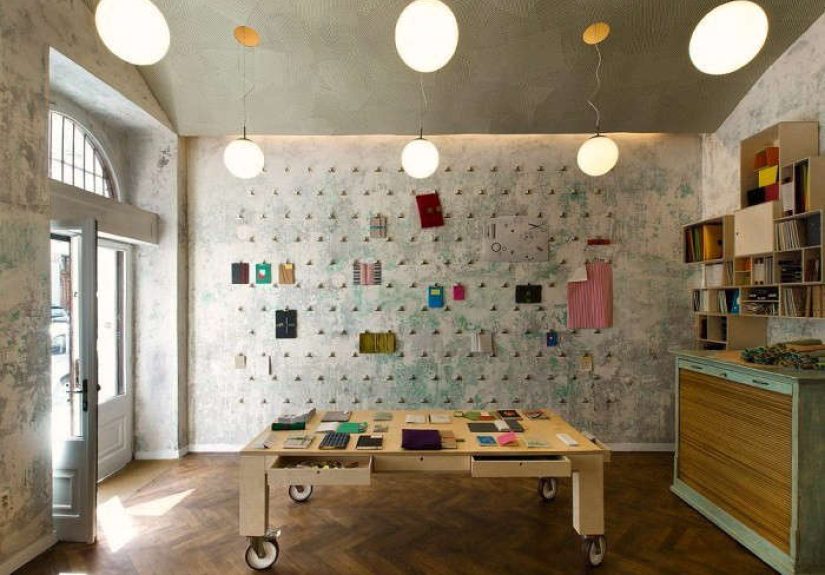
Papelote is one of the most commonly cited examples of Prague’s modern stationery movement. It’s not just a shop; it operates like a paper lab: thoughtfully designed notebooks, pads, wrap, and desk tools that treat paper as a material with personality. The brand’s vibe is contemporary, but its philosophy is almost poeticpaper as something you experience, not merely use.
What makes Papelote representative of the revival isn’t only product designit’s the idea that stationery belongs in your daily life. Not for “special occasions” or “back-to-school,” but for planning, thinking, sketching, and actually finishing the to-do list you keep rewriting.
Reformát: bookbinding energy, community workshop spirit
Another powerful thread in Prague’s paper-goods comeback is the rise of hands-on making. Reformát is known for combining stationery with a bookbinding workshop modelan approach that feels tailor-made for 2026: learn a skill, make something durable, repair and reuse instead of replacing.
This matters because “paper goods revival” isn’t only about buying prettier notebooks. It’s about reconnecting with the processes behind them: binding, embossing, folding, and the quiet satisfaction of turning raw materials into something that will sit on your shelf for years.
KOH-I-NOOR: the pencil brand that never really left
A paper revival also needs tools, and Prague sits in a country known for beloved writing and art supplies. KOH-I-NOOR is an iconic Czech brand with deep roots and a product range that covers everything from pencils to art materials. For travelers, stepping into a store full of colored pencils and drawing tools can feel like time travelin the best way. Suddenly you’re eight years old again, except now you have adult money and questionable self-control.
The bigger point: Prague’s paper scene isn’t only about stationery aesthetics. It’s supported by a broader ecosystem of making, drawing, design, and educationwhere paper remains a daily tool.
What “Revival” Looks Like on the Ground
If you want proof this isn’t just a niche hobby, watch what people actually do in Prague:
1) Postcards are backbecause they’re small, cheap, and emotionally loud
A postcard is basically a tiny flex. You’re saying, “I traveled,” but also, “I remembered you,” and also, “I can still locate a mailbox.” Prague’s museum shops, design stores, and stationery spots stock illustrated cards that look like mini art prints. People buy them even if they never mail themwhich is fine. A postcard can be both a message and a collectible.
2) Notebooks are becoming “daily carry” objects
In a city that’s extremely walkable, a good notebook fits naturally into the day: café notes, quick sketches, museum reflections, language practice, travel logs. Travelers who wouldn’t normally journal often start because Prague practically begs you to write something down.
3) Workshops are turning tourists into participants
The difference between “I bought a notebook” and “I bound a notebook” is the difference between a souvenir and a story. Prague’s paper scene is increasingly experience-oriented: bookbinding, printmaking, and other craft sessions that make visitors feel like temporary locals rather than passing consumers.
4) Sustainability is part of the appeal, not just a label
Many contemporary stationery brands emphasize responsible materialsrecycled content, durable construction, and packaging that doesn’t look like a plastic crime scene. In a paper revival, sustainability matters because paper can be both beautiful and wasteful. The modern movement tries to keep the beauty while minimizing the waste.
A Practical Mini-Guide: How to Shop the Paper Scene in Prague
You don’t need a PhD in paper weights to enjoy this. But a few smart choices can turn “cute purchase” into “I use this every day.”
Choose the right paper for the job
- For journaling: slightly thicker paper that won’t ghost or bleed when you write.
- For sketching: paper with a bit of tooth (texture) so graphite and charcoal grip.
- For planning: layouts you’ll actually followundated planners are great for people who skip weeks without guilt.
Pick a tool you enjoy using
If you hate your pen, you won’t write. This is not a moral failing; it’s physics. Test a few options: a smooth gel pen, a pencil with a soft lead, orif you’re feeling bravea fountain pen. The tool should make you want to write, not make you want to file a complaint.
Buy one “everyday” piece and one “wow” piece
An everyday notebook is for grocery lists, meeting notes, and scribbles. A wow notebook is for travel journaling, art, or letters you keep. When you separate the roles, you’re less likely to “save” the pretty one forever and never use it.
Mail something home
Here’s a fun challenge: buy a postcard, write it immediately in a café, and send it before you leave the neighborhood. It’s the analog version of posting a storyexcept it lands in someone’s hands, not in a feed.
Why This Matters Beyond Shopping
A paper goods revival isn’t just retail therapy with better typography. It’s also cultural. Paper asks for attention, and attention is the rarest currency of modern life.
In Prague, paper connects visitors to the city in a surprisingly intimate way. When you sketch a façade, you notice details you’d otherwise walk past. When you write a letter, you translate your experience into languageand that act of translation helps you remember it. When you carry a small notebook, the city becomes not just something you see, but something you process.
Paper as a counterweight to speed
Prague will always have crowds on the Charles Bridge and queues for the Astronomical Clock. But paper offers a slower, quieter parallel Prague: a café table, a notebook page, a moment that doesn’t need Wi-Fi. In a world that rewards constant output, paper gives you permission to be unfinished, exploratory, and offline.
Conclusion: Prague’s Paper Revival Feels Like a Small, Useful Rebellion
The charm of a paper goods revival in Prague is that it’s not pretending technology will disappear. It’s simply restoring balance. Screens are great for maps, tickets, and restaurant bookings. Paper is great for thinking, making, remembering, and connecting.
In a city built on layers of history, it makes sense that the newest creative wave would involve something old-school and tactilepaper that you can fold, write on, bind, mail, frame, and keep. And if you leave Prague with a notebook instead of another fridge magnet, you won’t just be taking home an object. You’ll be taking home a habit.
Experiences: A Paper Lover’s Afternoon in Prague (About )
If you want to feel Prague’s paper revival rather than just read about it, plan one afternoon around the simple goal of making and mailing something. Think of it as a miniature questlike a side mission in a video game, except the reward is a notebook and a slightly better mood.
Start by choosing a neighborhood where you can walk without rushing. Prague is excellent at “accidental beauty,” meaning you’ll turn a corner to find a view that looks staged. Pop into a cafénothing fancy requiredand do the first analog act: write a short list. Not your entire life plan. Just three things you want to notice today. For example: a color, a pattern, and a sound. (If you’re feeling extra, add “one tiny absurdity,” because Prague always provides at least one.)
Next, head to a stationery shop and give yourself a constraint: you can only buy what you’ll use within a week. This is how you avoid becoming a collector of untouched “special notebooks” that live in a drawer like museum artifacts. Pick one practical iteman everyday notebook or a set of postcardsand one joy itemwrap paper, stickers, a pencil that feels suspiciously perfect in your hand.
Then comes the best part: transform the purchase into a small experience. Sit somewhere calm (a second café, a bench, a quiet corner of a museum atrium) and actually use what you bought. Write a postcard to someone who would be genuinely surprised to receive mail. The message can be tiny: one detail you saw, one food you loved, one line that made you laugh. The point isn’t literary greatness. The point is presence.
If you can find a workshop or demonstrationbookbinding, marbling, printmakingconsider joining even if you’re “not crafty.” Paper crafts are unusually forgiving. A slightly crooked fold becomes “handmade character.” A smudged ink corner becomes “artistic intent.” Plus, you’ll walk out with something tangible that doesn’t need charging.
Finish your afternoon by mailing the postcard before you change your mind. This is crucial. The moment you postpone it, your postcard will begin a long and comfortable life at the bottom of your bag, alongside receipts, a random button, and existential dread. Find a post box, send the card, and enjoy the tiny thrill of having completed a human-scale task in a world optimized for infinite scrolling.
That’s the core of Prague’s paper revival: not just buying pretty things, but using them to slow down, pay attention, and leave a trail of meaning that’s more durable than a notification.