Table of Contents >> Show >> Hide
- Why Pruning Matters in Every Season
- The Golden Rules Before You Cut Anything
- Winter: The Season for Structure
- Spring: The Season of Restraint and Timing
- Summer: The Season for Shaping, Deadheading, and Damage Control
- Fall: The Season to Clean Up, Not Overdo It
- How to Prune Common Garden Plants All Year
- Common Pruning Mistakes to Avoid
- A Simple Year-Round Pruning Calendar
- What a Full Year of Pruning Taught Me
- Conclusion
- SEO Tags
Note: Pruning dates vary by climate, USDA hardiness zone, and bloom habit. Use this guide as a smart seasonal framework, then fine-tune it for your local weather and the exact plant varieties in your yard.
Pruning has a reputation problem. For some gardeners, it feels like plant surgery. For others, it is a yearly tradition involving one pair of sticky hand pruners, three bad guesses, and a shrub that never quite forgives them. The good news is that pruning is not mysterious, magical, or reserved for people who wear straw hats with suspicious confidence. It is simply the practice of removing the right growth at the right time for the right reason.
If you remember only one thing, make it this: do not prune everything on the same weekend. That is how spring-flowering shrubs lose their blooms, roses become dramatic, and hydrangeas start rumors about you. A better approach is to think in seasons. Different plants respond best at different times of year, depending on whether they flower on old wood or new wood, whether they are fruiting, and whether you are shaping, rejuvenating, or just cleaning up storm damage.
This year-round pruning guide walks through what to cut, when to cut it, and what absolutely deserves to be left alone until the proper season. Whether you grow roses, hydrangeas, fruit trees, flowering shrubs, perennials, vines, or evergreen hedges, here is how to keep your garden healthier, tidier, and more productive without turning it into a botanical crime scene.
Why Pruning Matters in Every Season
Good pruning is not just about looks, though a nicely shaped shrub does make a yard look as if somebody has their life together. Pruning can improve airflow, reduce disease pressure, remove dead or damaged wood, encourage stronger flowering, maintain size, and direct energy into better structure or fruit production. In young trees, it helps create a strong framework. In older shrubs, it can bring a tired plant back to life. In fruit trees, it often makes the difference between a manageable harvest and a ladder-based regret.
The key is knowing why you are pruning. Are you removing dead wood? Thinning crowded stems? Controlling height? Encouraging blooms? Rejuvenating an overgrown shrub? Your goal determines the method. Two of the most common cuts are heading cuts, which shorten a stem back to a bud, and thinning cuts, which remove a branch at its point of origin. Heading stimulates dense new growth. Thinning opens the plant and usually looks more natural. Use the wrong one too often, and your shrub may start resembling a startled mop.
The Golden Rules Before You Cut Anything
1. Remove the obvious problems first
Dead, damaged, diseased, and crossing branches are almost always fair game. This basic cleanup can be done whenever needed and is the safest kind of pruning for most plants.
2. Know whether your plant blooms on old wood or new wood
This is the rule that saves the most flowers. Plants that bloom on old wood form flower buds on last year’s growth. If you prune them too hard in late winter or early spring, you remove the show before it starts. Plants that bloom on new wood flower on fresh growth made during the current season, so they are usually pruned before spring growth begins.
3. Avoid topping trees and shearing everything into boxes
Topping creates weak regrowth, poor structure, and a tree that looks personally offended. Constant shearing can also lead to a dense outer shell with a bare interior, especially in shrubs and evergreens. Translation: green outside, crispy disappointment inside.
4. Do not remove too much at once
For many landscape plants, removing no more than about one-quarter of live growth at one time is a reasonable guideline. If a shrub is badly overgrown, renovation pruning may need to happen in stages.
5. Use clean, sharp tools
Sharp pruners make cleaner cuts, and clean tools help reduce the spread of disease. Bypass pruners are your go-to for living stems, loppers help with thicker branches, and a pruning saw is worth its weight in gold when you finally meet that one limb that laughs at hand pruners.
Winter: The Season for Structure
Late winter is prime time for pruning many deciduous trees and shrubs because the branch structure is easy to see and plants are still dormant. This is the season for thoughtful, strategic cuts rather than random snipping fueled by coffee and confidence.
What to prune in winter
- Shade trees and deciduous trees: Remove crossing limbs, weak branch angles, and damaged wood.
- Summer-flowering shrubs: Plants like potentilla and many spirea types bloom on new wood, so late winter or very early spring pruning works well.
- Panicle and smooth hydrangeas: These bloom on new wood and can be cut back before growth starts.
- Roses: In many regions, late winter to early spring is the classic time for major pruning.
- Fruit trees: Apples, pears, and many other temperate fruit trees are often pruned in late winter to early spring for structure and production.
Winter pruning tips by plant type
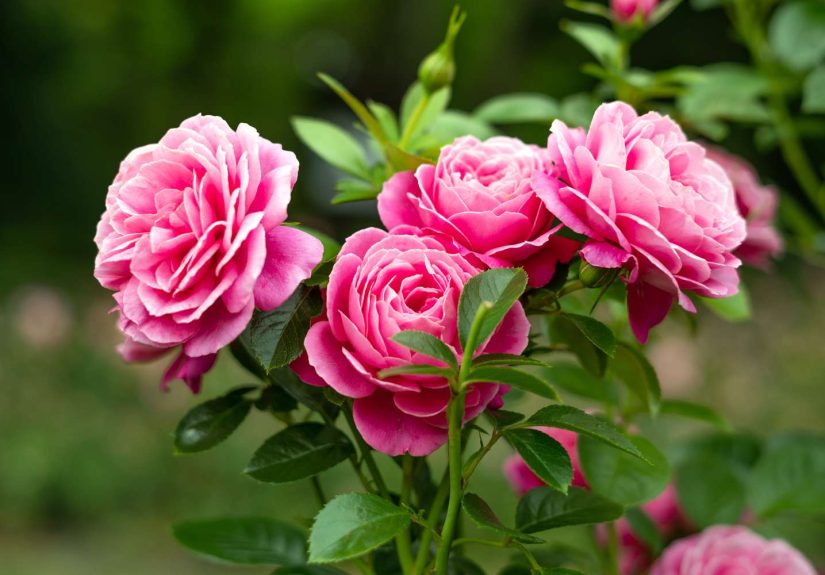
Roses: Start by removing dead, blackened, or spindly canes. Then open the center of the plant to improve airflow. Hybrid teas and floribundas usually benefit from harder annual pruning, while climbers and shrub roses often need a lighter hand. Repeat-blooming roses also appreciate deadheading during the growing season.
Fruit trees: Focus on structure first. Remove inward-growing shoots, water sprouts, and crowded branches. Young fruit trees should be pruned lightly to avoid delaying fruiting. Mature trees can take more correction, but the goal is still balance, light penetration, and manageable size. If your apple tree looks like a chandelier wrestling a porcupine, you are overdue.
Hydrangeas: This is where gardeners get into trouble. Panicle hydrangeas and smooth hydrangeas bloom on new wood and can be pruned in late winter or early spring. Bigleaf, mountain, and many oakleaf hydrangeas bloom mostly on old wood, so heavy spring pruning can remove flower buds.
Spring: The Season of Restraint and Timing
Spring is when everything wakes up, starts growing, and reveals whether your winter pruning was wise or ambitious in the wrong direction. It is also the season when pruning mistakes become visible in real time, which is both educational and humbling.
What to prune in spring
- Spring-flowering shrubs, but only after bloom: Lilac, forsythia, azalea, rhododendron, and mock orange should be pruned soon after flowering.
- Clematis, depending on type: Some need only light pruning after bloom, while summer-blooming types can be cut back harder.
- Perennials: Cut back leftover winter stems once new growth is clear.
- Needled evergreens: Light corrective pruning is often best in late winter to early spring before new growth pushes.
Pruning flowering shrubs without sacrificing blooms
If a shrub blooms in spring, assume it likely set those buds last year. That means the best time to prune is right after flowering. This keeps the floral display intact while giving the plant the rest of the growing season to make next year’s flower buds.
Common spring bloomers that usually want post-bloom pruning include lilac, quince, viburnum, deutzia, weigela, and many old-fashioned spirea. If they have become woody and sparse, renewal pruning works well: remove some of the oldest stems at ground level each year rather than hacking the entire shrub into a sad green cube.
Hydrangea sanity check
Bigleaf hydrangeas are the plant equivalent of “handle with care.” If you are not sure what type you have, avoid heavy spring pruning. Remove only dead stems and wait until after flowering to shape old-wood types. When in doubt, cut less. Hydrangeas remember everything.
Summer: The Season for Shaping, Deadheading, and Damage Control
Summer pruning is more about finesse than reinvention. At this point, you are deadheading, lightly shaping, controlling vigorous shoots, and correcting damage. Summer is also the right moment for certain plants that have already finished flowering.
What to prune in summer
- Spring-blooming shrubs: Shape them after flowering, while there is still time to set buds for next year.
- Repeat-blooming roses: Deadhead spent flowers to encourage more blooms.
- Wisteria and vigorous vines: Summer trimming helps control chaos.
- Fruit trees: Light summer pruning can help manage vigor and improve light, but avoid severe cuts.
- Perennials: Deadhead and trim back spent stems to encourage tidiness and sometimes rebloom.
Summer pruning for control
Summer is excellent for taming fast growers that try to annex the fence, shed, or neighboring mailbox. Wisteria, trumpet vine, and some rambling roses benefit from careful summer cuts. Just remember that summer pruning is usually about moderation. If you go too hard in high heat, plants can become stressed.
This is also a smart time to cut back floppy perennials after bloom. Catmint, salvia, and some hardy geraniums often respond with fresh growth and another round of flowers. Ornamental shrubs can be lightly thinned for shape, but avoid heavy pruning late in the season if it may stimulate tender growth before cold weather.
Fall: The Season to Clean Up, Not Overdo It
Fall makes gardeners itchy to cut everything down and call it closure. Resist the urge. Some plants appreciate fall cleanup, but many are better left mostly alone until late winter or spring. Heavy fall pruning can encourage new growth that does not harden off before cold weather, especially in regions with real winters.
What to do in fall
- Remove dead, broken, or diseased wood: Always worthwhile.
- Cut back messy perennials if desired: Especially those prone to disease.
- Leave seed heads on some plants: They provide winter interest and food for birds.
- Delay major pruning on most shrubs and trees: Save structural cuts for dormancy.
Fall exceptions and caution flags
Panicle and smooth hydrangeas can sometimes be cut in fall, but many gardeners still prefer late winter for a cleaner view of what survived and what needs shaping. Roses are often only lightly tidied in fall, with the main pruning saved for late winter or early spring. Evergreens generally need little pruning at all, and old wood on arborvitae or juniper often does not regrow well if cut back too deeply.
How to Prune Common Garden Plants All Year
Flowering Shrubs
Prune spring bloomers after flowering. Prune summer bloomers in late winter or very early spring. Use renewal pruning for older shrubs by removing the oldest canes at the base over several seasons. This keeps the plant youthful without destroying its natural shape.
Roses
Do major pruning in late winter to early spring. Deadhead during the growing season. Remove weak, crossing, and inward-growing canes. Keep the center open. If you have climbers, train the canes horizontally where possible to encourage more flowering shoots.
Hydrangeas
Learn your type before you cut. New-wood bloomers like panicle and smooth hydrangea are pruned before spring growth. Old-wood bloomers like bigleaf and many oakleaf hydrangeas get only light shaping after flowering. This one detail can save an entire summer of disappointment.
Fruit Trees
Prune annually for structure, airflow, and fruiting wood. Late winter is the main season. Summer pruning can help reduce excess vigor and improve light in the canopy, but keep it modest. Always remove broken or diseased branches promptly.
Evergreens and Conifers
Prune lightly and selectively. Most needled evergreens require far less pruning than people think. Do not cut deep into old, leafless wood on arborvitae or juniper and expect a miracle. Spoiler: the miracle is not scheduled.
Perennials and Ornamental Grasses
Deadhead during bloom, cut back spent stems as needed, and leave some seed heads standing for winter texture. Many ornamental grasses are best cut back in late winter or early spring before new blades emerge. Fall cleanup is optional, not mandatory, and sometimes less helpful than leaving the plant standing.
Clematis and Garden Vines
Clematis pruning depends on the bloom group. Spring-flowering types usually need only light post-bloom pruning. Summer-blooming types on new wood can be pruned harder in late winter or early spring. For other vines, prune according to flowering habit and your tolerance for drama along the trellis.
Common Pruning Mistakes to Avoid
- Pruning spring bloomers in late winter and then wondering where the flowers went.
- Cutting shrubs into tight geometric meatballs regardless of species.
- Removing too much at once and shocking the plant.
- Ignoring plant type, especially hydrangeas and clematis.
- Making stub cuts instead of clean cuts back to a bud or branch collar.
- Using dull or dirty tools.
- Topping trees instead of pruning for structure.
A Simple Year-Round Pruning Calendar
Late Winter: Deciduous trees, roses, fruit trees, new-wood hydrangeas, summer-flowering shrubs, ornamental grasses.
Spring: Post-bloom pruning for lilac, azalea, forsythia, quince, and other spring-flowering shrubs; light work on clematis depending on type.
Summer: Deadhead roses and perennials, shape spring bloomers after flowering, manage vines, perform light fruit-tree pruning if needed.
Fall: Sanitation pruning, remove broken or diseased stems, light tidying only; avoid major shaping of most shrubs and trees.
What a Full Year of Pruning Taught Me
The biggest lesson I learned from pruning through all four seasons is that timing matters more than enthusiasm. I used to think pruning was mostly about courage. You see a branch, you make a bold cut, and then you stand back like you have just improved nature. Sometimes that works. Sometimes it creates a blooming disaster that quietly mocks you until August.
One year, I pruned a lilac in early spring because it looked shaggy and I felt productive. The result was a beautifully shaped shrub with almost no flowers. It was neat, disciplined, and completely missing the only reason I had planted it. That was the moment I finally understood the old wood versus new wood rule in a way no label had ever managed to teach me.
Hydrangeas gave me a different kind of education. I had two plants that looked similar enough to my untrained eye, so I treated them the same. One rewarded me with giant summer blooms. The other responded with leaves, silence, and what felt like judgment. Once I learned that one bloomed on new wood and the other on old wood, the whole mystery unraveled. It turned out the plant was not difficult. I was just confidently incorrect.
Roses, on the other hand, taught me that pruning is not always about being gentle. My first instinct was to tiptoe around them, trimming here and there as if I might hurt their feelings. But once I learned to remove weak canes, open the center, and deadhead properly, the plants actually looked healthier and bloomed more consistently. Roses are less fragile than they seem. They are a little dramatic, yes, but also surprisingly forgiving.
Fruit trees taught me patience. Every winter, I wanted to fix everything in one session. But the more I learned, the more I realized that good fruit-tree pruning is about setting structure over time. You are building a framework, not performing a magic trick. A careful cut today affects light, airflow, and fruiting years down the road. That kind of long view changes how you garden.
Even the plants I barely noticed before, like ornamental grasses and old evergreen shrubs, taught me something useful. Not every plant needs heavy intervention. Some just need cleanup at the right moment. Some need almost nothing. And a few need to be replaced because no amount of heroic pruning can turn the wrong plant in the wrong place into a success story.
After a full year of paying attention, pruning stopped feeling like guesswork and started feeling like observation. I began looking at buds, bloom times, branch angles, and growth habits instead of just shape. That shift made the garden better, but it also made the work more enjoyable. Pruning became less about controlling plants and more about understanding them. Which is a very poetic way of saying I now cut fewer things at the wrong time.
These days, I keep a simple seasonal note for each plant: bloom time, pruning window, and whether it flowers on old or new wood. It is not fancy, but it saves me from repeat mistakes. And in gardening, avoiding the same mistake twice feels suspiciously close to wisdom.
Conclusion
A healthy garden is not built by pruning everything hard every spring. It is built by understanding what each plant needs, then working with its natural cycle. Late winter is great for structure. Spring is for post-bloom timing. Summer is for shaping and deadheading. Fall is mostly for cleanup and restraint. Once you match the plant to the season, pruning becomes simpler, smarter, and far less risky.
So before you make the first cut, pause and ask one question: What kind of plant is this, and when does it bloom? That single habit will save flowers, reduce stress, and turn you into the kind of gardener who prunes with purpose instead of panic.