Table of Contents >> Show >> Hide
- What Makes the Mango Balls So Appealing?
- Why Mango Wood Works So Well in Home Decor
- The Finish Options Matter More Than You Think
- How to Style Mango Balls Without Making Them Look Random
- Where Mango Ball Accessories Work Best
- How to Care for Mango Wood Accessories
- Why This Accessory Still Feels Current
- Final Thoughts
- Extended Experience Section: What It Feels Like to Live With Mango Wood Accessories
Some home accessories shout for attention. Others clear their throat politely, straighten the throw pillows, and somehow become the most interesting thing in the room. The Mango Balls from Terra Furnishings belong to the second camp. They are small, sculptural, quietly tactile, and surprisingly versatileexactly the kind of decorative object that makes guests lean in and ask, “Wait, what are those?”
That is the charm of a good accessory. It does not need to sing, dance, or come with a dramatic origin story narrated by a fog machine. It just needs to give a room texture, warmth, and a little personality. In the case of Terra Furnishings’ Mango Balls, the appeal starts with the material itself: mango wood. Known for its rich variation, warm undertones, and natural grain, mango wood has become a favorite in American interiors because it feels organic without looking unfinished, polished without becoming precious, and artisanal without trying too hard.
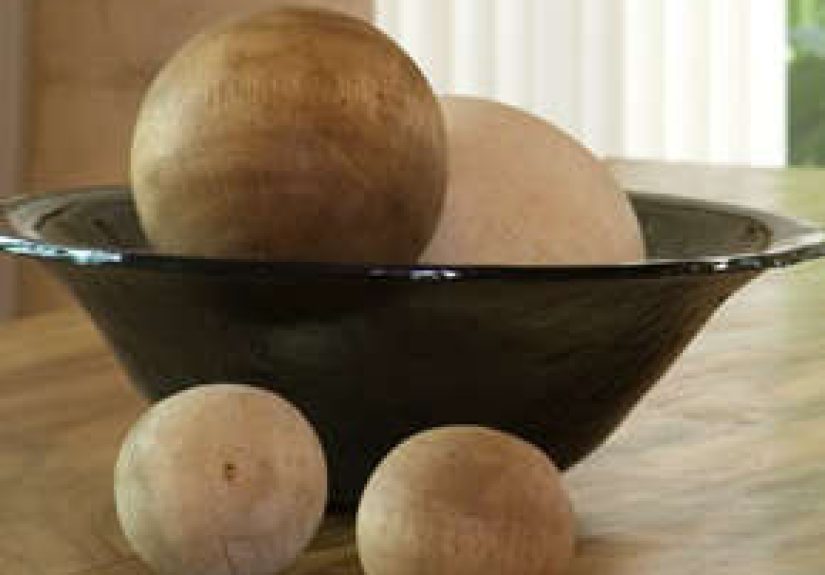
The original Mango Balls were presented as a set of four hand-carved wooden spheres from Thailand, offered in finishes such as natural wax, tung oil, and whitewash. That short description tells you almost everything you need to know about why these accessories work. They combine handcraft, natural material, and finish options that allow them to shift from rustic to coastal to modern organic depending on how they are styled.
In other words, they are the kind of decor that earns its shelf space.
What Makes the Mango Balls So Appealing?
At first glance, decorative wood balls sound almost comically simple. They are round. They are wood. They sit there. But that simplicity is exactly what makes them useful. The best decorative accessories are often basic forms done well: bowls, trays, candlesticks, vases, and objects with enough shape to catch the eye but enough restraint to play nicely with everything else in the room.
Mango Balls from Terra Furnishings fit that formula beautifully. A sphere is one of the friendliest shapes in home decor. It softens sharp corners, breaks up boxy furniture, and adds movement to flat surfaces. Put a few carved wooden spheres in a shallow bowl, on a stack of books, or beside a ceramic vase, and suddenly a tabletop stops looking like a waiting room and starts looking intentionally styled.
Because these pieces were hand-carved, they also likely carried the tiny irregularities that make handcrafted decor worth buying in the first place. Machine-perfect objects can feel sterile. Hand-finished pieces tend to feel warmer, more lived-in, and more human. That difference may be subtle, but in decorating, subtle usually wins. Loud trends date quickly. Good texture hangs around.
Why Mango Wood Works So Well in Home Decor
It brings warmth without heaviness
Mango wood has a naturally inviting look. Its color range can move from honey and golden brown to deeper caramel tones, often with visible grain patterns and tonal variation. That variation matters. It gives even a small accessory visual depth, which is more than can be said for many trendy decor pieces that look great online and vaguely disappointed in person.
In a home, mango wood helps bridge styles. It can soften industrial elements, ground airy coastal rooms, add authenticity to farmhouse spaces, and bring warmth to minimalist interiors that might otherwise feel a little too “showroom opens in five minutes.”
It looks artisanal, not fussy
There is a reason so many American retailers use mango wood for furniture and decorative accents. It offers a handcrafted look with visible grain and natural variation, making each piece feel individual. That quality matters especially for small accents, where character is everything. If an accessory is going to sit on a console table doing absolutely no practical labor, it should at least have some visual charisma.
It suits the modern organic trend
Modern organic decor continues to resonate because people want homes that feel calm, textured, and grounded. Mango wood accessories fit neatly into that movement. Pair them with linen, stone, woven baskets, ceramic vessels, or aged brass and the room immediately feels more layered. They are decorative, yes, but they also act as visual punctuation marks. They finish a sentence your room has been trying to write.
The Finish Options Matter More Than You Think
One of the smartest details about the Terra Furnishings Mango Balls was the finish selection. Natural wax, tung oil, and whitewash each create a different mood.
Natural wax
A natural wax finish tends to highlight the wood’s grain while keeping the overall look soft and understated. This is the best choice for people who want warmth without shine. In a neutral room, waxed mango wood reads timeless and unfussy.
Tung oil
Tung oil tends to deepen the wood tone and enrich the grain. It gives decorative wood a slightly more saturated, hand-rubbed look. If your room leans traditional, earthy, or collected over time, this finish would feel especially at home.
Whitewash
Whitewash shifts the accessory into a lighter, airier direction. It is great for coastal, Scandinavian-inspired, or modern farmhouse interiors because it keeps the texture of wood while toning down some of the visual weight. Whitewashed wood can brighten a shelf without making it feel sterile.
That trio of finish options is part of why this product idea still feels relevant. It was not locked into one style lane. It could travel.
How to Style Mango Balls Without Making Them Look Random
Use them in a decorative bowl
This is the most obvious styling move, but it is obvious for a reason: it works. Decorative bowls are one of the easiest ways to add a layered centerpiece without committing to florals. A bowl filled with mango wood spheres brings shape, texture, and a grounded natural element to dining tables, coffee tables, consoles, and kitchen islands.
To keep the look intentional, choose a bowl that contrasts with the wood. A matte ceramic bowl, a shallow stone vessel, or a dark metal tray will help the rounded forms stand out. Avoid crowding the arrangement with too many extras. The balls themselves are the point.
Scatter them on shelves
Bookshelves can easily become overcrowded little museums of indecision. Mango wood accessories help because they add shape without adding visual clutter. Place one sphere beside a stack of books, two in front of a framed photo, or three beside a vase to create a gentle rhythm across a shelf.
Rule of thumb: if the shelf looks like you panic-decorated it in under 14 seconds, remove something. Decorative spheres work best when they have a little breathing room.
Use them in seasonal decor
These accessories also shine as seasonal floaters. In fall, they pair naturally with dried leaves, acorns, or a wooden bowl on a dining table. In winter, they look elegant with evergreens, pinecones, or candles. In spring and summer, whitewashed finishes can sit beautifully with shells, light ceramics, or greenery. They do not scream any one holiday, which is honestly refreshing in a world where some decor pieces seem emotionally attached to a very specific month.
Try them on a tray vignette
Tray styling is one of the easiest ways to create order on a coffee table or console. A small stack of books, a candle, a bowl, and one or two mango wood balls can create a complete vignette that feels curated instead of chaotic. Spheres are especially helpful when a tray arrangement feels too angular. They soften the layout and give the eye a place to land.
Where Mango Ball Accessories Work Best
Living rooms
On coffee tables, media consoles, shelves, and mantels, mango balls add warmth and a collected feel. They are especially effective in rooms filled with upholstered furniture, where a bit of wood texture keeps the space from feeling too soft around the edges.
Dining rooms
A bowl of carved wooden spheres makes an easy everyday centerpiece. Unlike flowers, it does not require maintenance. Unlike giant holiday decor, it does not dominate the table. It just sits there looking competent, which is more than can be said for many centerpiece ideas.
Entryways
An entry console is a perfect place for accessories like these. They signal intention right away. Paired with a mirror, lamp, and catchall tray, they help create that “yes, a grown-up definitely lives here” look.
Bedrooms
Bedrooms benefit from tactile, quiet decor, and mango wood accessories do that beautifully. A small bowl of wood spheres on a dresser or nightstand adds warmth without making the room feel busy. It is a small move, but good rooms are usually built from small moves.
How to Care for Mango Wood Accessories
One reason wood accessories remain popular is that they are relatively easy to maintain. In general, mango wood decor does best with simple care: dust with a soft cloth, wipe gently when needed, avoid harsh cleaners, and do not leave wet messes sitting around like they pay rent. A soft, dry cloth is usually enough for routine cleaning. For spot cleaning, a barely damp cloth followed by immediate drying is the safest route.
Because wood is a natural material, it is smart to keep decorative pieces away from prolonged moisture, direct blazing sun, and harsh abrasives. If the finish begins to look dry over time, a wood-friendly polish or conditioning product may help, depending on the finish. The goal is not to make the accessory glossy like a bowling alley. The goal is to preserve its natural texture and color.
Why This Accessory Still Feels Current
Design trends come and go, but tactile, natural materials keep returning because people respond to them on a human level. Wood, stone, linen, clay, and metal all bring something physical and reassuring to a room. Mango Balls from Terra Furnishings fit this timeless category. They are not digital-age clutter. They are not novelty objects. They do not rely on irony. They simply add shape, craft, and warmth.
That is probably why the idea still holds up. The original product may have appeared years ago, but the decorating logic behind it remains strong. Modern interiors still benefit from rounded forms. Shelves still need natural texture. Tabletops still need accessories that do not hog the spotlight. And homeowners still appreciate decor that can move from one room to another without demanding a complete aesthetic personality transplant.
In fact, that may be the strongest argument for the Mango Balls concept: flexibility. A well-made set of carved wooden spheres can look equally at home in a contemporary loft, a cozy farmhouse, a beachy cottage, or a transitional suburban home. Not many accessories pull that off. Some decor pieces are one-hit wonders. These are session musicians. They work with everybody.
Final Thoughts
The Mango Balls from Terra Furnishings prove that great design does not have to be complicated. Sometimes a set of carved wooden spheres can do what a dozen louder accessories cannot: add warmth, shape, and authenticity without crowding the room. They are sculptural but approachable, polished but organic, simple but never dull.
If you are drawn to natural materials, artisan details, and accessories that quietly improve a space instead of yelling over it, this kind of decor still makes a strong case for itself. Whether displayed in a bowl, layered into a centerpiece, or tucked onto a shelf, mango wood balls offer a kind of easy elegance that feels both collected and current.
And honestly, any accessory that makes a room look better while asking for almost nothing in return deserves at least a little applause.
Extended Experience Section: What It Feels Like to Live With Mango Wood Accessories
Living with accessories like the Mango Balls from Terra Furnishings is less about dramatic transformation and more about that satisfying sense that a room has finally clicked into place. They are the kind of objects you may not notice every second of the day, but you absolutely notice when they are missing. A coffee table without them can look flat. A console table can seem unfinished. A bookshelf may feel like it has books and frames but no heartbeat. Add a few rounded wood forms, and suddenly the arrangement feels grounded.
One of the nicest experiences with mango wood decor is how tactile it feels in a room full of smoother, colder materials. Glass tables, painted walls, metal lamps, and ceramic vessels all benefit from something with visible grain and a softer visual temperature. Even when you are not touching the pieces, your eye reads them as warm. That matters more than people think. A room that looks warm usually feels more welcoming.
There is also a seasonal pleasure to them. In fall, they look right at home next to dried branches, amber glass, or a bowl of pears. In winter, they can make a holiday table feel natural instead of overly themed. In spring, especially in a lighter finish, they pair well with greenery and airy textiles. In summer, they keep coastal or casual rooms from drifting into “beach rental brochure” territory. They are adaptable, and that flexibility is part of the everyday experience of enjoying them.
Another practical joy is that they do not demand much. Fresh flowers are beautiful but temporary. Candles burn down. Trendy seasonal decor can feel stale by next Tuesday. Mango wood accessories keep doing their job quietly year-round. Move them from a bowl to a tray, from a tray to a shelf, from a shelf to a bedroom dresser, and they still make sense. You do not have to invent a whole new room around them. They are easy roommates.
There is also something deeply satisfying about the way hand-carved wood catches light. Unlike shiny decor, which can sometimes scream for attention, mango wood tends to glow. Morning light pulls out the grain. Lamplight deepens the tone. In the evening, the shape reads as sculptural without becoming severe. It is a small sensory experience, but a good home is made up of dozens of those small experiences.
Perhaps the best part is emotional rather than practical. Accessories made from natural materials often make a home feel less disposable. They suggest patience, craft, and permanence. Even when they are simple, they do not feel generic. A set of mango wood balls may be small, but it carries the same appeal as many larger wood furnishings: visible material, subtle variation, and the reminder that not everything in a room needs to be slick, glossy, or trying to go viral.
That is why pieces like these tend to stay in a home for years. They are easy to style, easy to move, and easy to keep loving. They do not expire when a color trend changes. They just keep adding warmth, texture, and balancethree things almost every room needs, and very few accessories deliver so effortlessly.