Table of Contents >> Show >> Hide
- Quick Specs Snapshot (Lone Peak Hiker 3, 2025)
- What’s New in 2025 (And Why Hiker 3 Exists)
- Fit & Comfort: The Toe Box That Started a Fan Club
- Ride Feel: More “Trail Runner Energy” Than “Mountain Tank”
- Traction: When MaxTrac Shines (And When It’s Not Magic)
- Waterproofing & Weather: Know What You’re Buying
- Durability: The Honest Talk (Because Hype Doesn’t Fix Holes)
- Sizing Advice: How to Get the Fit Right (Without a Return Parade)
- Who Should Buy the Altra Lone Peak Hiker Boots in 2025?
- Top Alternatives (If You Like the Idea, But Not the Exact Flavor)
- Trail Experiences (About of “What It’s Like”)
- Conclusion
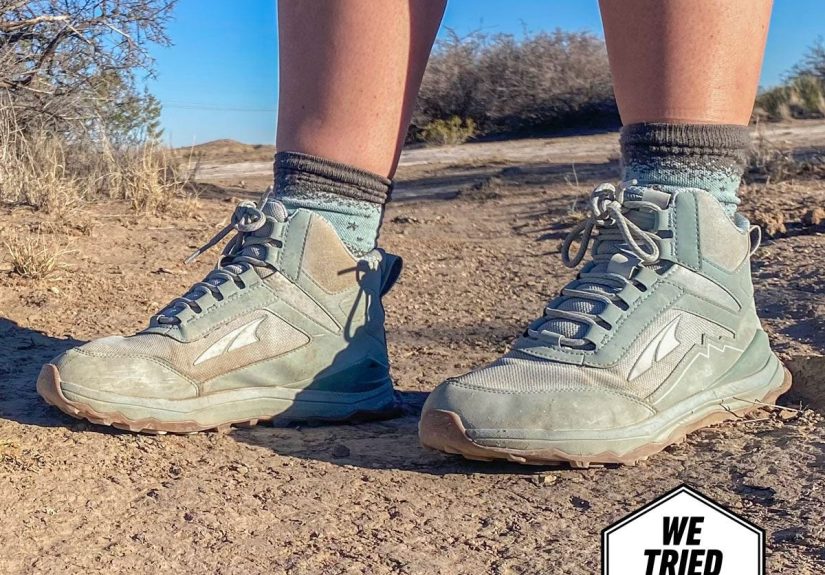
The Altra Lone Peak Hiker line sits in a very specific sweet spot: it’s the lovechild of a trail runner and a hiking boot,
raised by parents who insist your toes deserve personal space. If traditional boots feel like dress shoes for your feet (stiff, pointy, mildly judgmental),
the Lone Peak Hiker is more like showing up to the trail in a comfy hoodieexcept the hoodie has lugs and a toe cap.
In this Altra Lone Peak Hiker Boots 2025 review, we’re focusing on the Lone Peak Hiker 3 (the 2025 refresh most hikers are finding on shelves),
and we’ll also compare it to the Hiker 2 and the waterproof-leaning cousin, the Lone Peak ALL-WTHR Mid 2.
Expect honest pros/cons, who these boots are actually for, and a few gentle jokesbecause if your footwear can’t make you smile,
it should at least keep your feet from crying.
Quick Specs Snapshot (Lone Peak Hiker 3, 2025)
Let’s get the “numbers people” fed first. Specs vary by size, but here’s the general picture for the Altra Lone Peak Hiker 3:
- Heel-to-toe drop: 0 mm (true zero-drop design)
- Stack height: ~25 mm (balanced cushion without skyscraper foam)
- Midsole: Altra EGO foam (updated feel vs earlier versions)
- Outsole: MaxTrac rubber (trail-focused traction)
- Upper: mesh + suede overlays, with a more protective toe cap
- Waterproofing: not waterproof (there are waterproof alternatives in the broader Lone Peak family)
- Typical price range: around the mid-$100s (often discounted depending on color/season)
Translation: these are lightweight hiking boots built for natural foot movement and day-hike comfort, not for wading through bogs like a heroic marsh creature.
What’s New in 2025 (And Why Hiker 3 Exists)
The Lone Peak Hiker 3 is basically Altra saying: “Okay, you liked the ideanow let’s tighten the execution.” The 2025 update centers on
comfort tweaks and durability-minded details rather than a full personality transplant.
1) A more secure heel collar
One recurring theme with wide toe box hiking boots is that some people love the front-of-foot freedom… and then spend the rest of the hike negotiating
a peace treaty with heel slippage. The Hiker 3’s updated heel collar aims to improve security without turning the ankle area into a stiff brace.
2) More protection up front
A rubberized toe cap is a small thing until you kick a rock at mile 7 and suddenly become a philosopher about regret. The Hiker 3 adds protection where
it matters, while keeping the overall feel closer to a trail shoe than a traditional boot.
3) Updated midsole + outsole feel
The midsole uses Altra EGO foam, and the outsole uses MaxTrac. In plain English: the Hiker 3 is trying to stay cushy and lively
underfoot while improving confidence on typical dirt-and-gravel trails. It’s not marketed as a technical scrambling boot, and that honesty is… refreshing.
Fit & Comfort: The Toe Box That Started a Fan Club
If you’re shopping Altra, you probably already know the headline: FootShape fit. If you’re new here, welcomeplease remove your shoes
and let your toes breathe. (Kidding. Mostly.)
Roomy toe box = happier feet on long days
The Lone Peak Hiker concept is simple: let toes spread more naturally, especially on descents and long miles when feet swell. This is why you’ll see
Lone Peaks (especially the trail shoe versions) all over thru-hiking conversations. A roomy forefoot can reduce toe bang, hot spots, and that
“why do my socks suddenly hate me?” feeling after hours on trail.
Midfoot and heel: where the “fit story” gets personal
Here’s the tradeoff: when the forefoot is generous, hikers with narrow feet sometimes feel like they’re piloting a canoestable, but roomy.
The Hiker 3’s updated collar and overall shape aim to reduce that “floating” sensation, but this is still not a narrow boot. If you like a locked-in,
alpine-style fit, you may prefer a more traditional last.
Break-in is usually minimal (but zero-drop isn’t)
Materials like mesh and suede overlays tend to feel good quickly, so “break-in” isn’t the big drama. The bigger adjustment is the
zero-drop hiking boot geometry. If you’re coming from boots with a noticeable heel lift, your calves and Achilles may file a complaint.
The solution: ease in. Short hikes first, then longer efforts. Your future self will thank youprobably with less stretching.
Ride Feel: More “Trail Runner Energy” Than “Mountain Tank”
Cushioning: grounded, not mushy
The Lone Peak Hiker line tends to keep stack height moderate, which helps stability because you’re closer to the ground. That’s a big reason some hikers
feel confident in these on established trails. You’re not perched on a tall foam platform, and the wide base helps with surefooted landings.
Flexibility: great for walking, meh for heavy loads
If you want a boot that bends naturally with your foot, you’ll likely love the Lone Peak Hiker concept. But flexibility has consequences:
under a heavy backpacking load, a soft, flexible boot can feel less supportive, especially on uneven terrain where torsional stiffness matters.
Think “nimble day hiker” more than “I’m carrying a small refrigerator to basecamp.”
Traction: When MaxTrac Shines (And When It’s Not Magic)
Traction is where expectations need a quick calibration. The Hiker 3 is designed for typical hiking surfacesdirt, gravel, packed trails,
mild rock. It’s not aiming to dethrone mountaineering boots, and it doesn’t pretend to.
Where it works well
- Dry singletrack, forest paths, desert hardpack
- Mixed dirt-and-gravel trails where you want a light, quick stride
- Everyday wear (yes, people really do “trail to town” these)
Where you may want something burlier
- Steep, loose scree where edging matters
- Constant wet rock (especially if you’re prone to slipping)
- Deep mudno outsole loves it, but some boots hate it less
If your typical route involves wet granite slabs, root tangles, and slick boulders, look at boots with grippier rubber compounds or more aggressive lug design.
If your routes are well-traveled trails and moderate terrain, the Lone Peak Hiker’s traction profile can feel confidence-inspiring without feeling clunky.
Waterproofing & Weather: Know What You’re Buying
Lone Peak Hiker 3: not waterproof
The Hiker 3 is intentionally non-waterproof. That’s not a flawit’s a design choice. Non-waterproof boots can dry faster and breathe better,
and many hikers prefer them unless they’re regularly dealing with cold rain, snow, or frequent stream crossings.
What if you hike wet trails?
If you routinely hike through puddles, drizzle, or morning dew that never quits, consider a waterproof version within the broader Lone Peak family
(or something like the ALL-WTHR Mid 2). Just remember the classic truth: waterproof keeps water out… until it gets in,
and then it can keep it in like a bathtub with laces.
ALL-WTHR Mid 2: a lightweight waterproof-ish option
The Altra Lone Peak ALL-WTHR Mid 2 targets hikers who want a similar fit and feel but with a waterproof barrier and a mid-cut collar.
It’s still very lightweight for a boot and often recommended for fastpacking or thru-hiking stylesespecially if your feet crave toe room and you
want a bit more weather protection than a standard mesh boot.
Durability: The Honest Talk (Because Hype Doesn’t Fix Holes)
Lightweight hiking boots are a bit like sports cars: fun, fast, and not built to haul bricks forever. That doesn’t mean the Lone Peak Hiker line falls apart instantly,
but it does mean durability expectations should match the design.
Hiker 3 build quality: promising, with caveats
Reviews commonly describe solid build quality for the weight class, but ultralight materials can still wear faster if you bushwhack, scrape through sharp brush,
or treat your boots like they’re steel-toed work shoes. If your trails are mostly maintained, you’ll likely get a more satisfying lifespan than if you’re
side-hilling through thorny chaos every weekend.
Hiker 2 and older community patterns
The Hiker 2 (and earlier Lone Peak variants) earned love for comfort but also collected a reputation in some circles for quicker wearespecially in uppers and outsoles
when used hard. This doesn’t mean every pair dies early; it means the line has historically traded some long-haul toughness for comfort and flexibility.
In 2025, the Hiker 3 feels like Altra continuing to refine that balance.
Pro tip: treat them like trail shoes with ankle coverage
If you buy the Lone Peak Hiker expecting “traditional boot durability,” you may be disappointed. If you buy it expecting “trail runner comfort with extra protection,”
you’ll probably be delighted. Mindset matters almost as much as midsole foam.
Sizing Advice: How to Get the Fit Right (Without a Return Parade)
Here’s a practical approach that works for most hikers:
- Try them later in the day (when your feet are slightly swollen, like on real hikes).
- Wear your hiking socksdon’t test with thin “I’m just browsing” socks.
- Check downhill toe room: you want space in front of your toes, especially for descents.
- Lock in the heel: snug lacing at the midfoot can help reduce slip without crushing your forefoot.
If you’re new to Altra, don’t be shocked if the toe box feels almost comically roomy at first. That’s the point. Your toes aren’t supposed to live in a studio apartment.
Who Should Buy the Altra Lone Peak Hiker Boots in 2025?
Buy them if…
- You want lightweight hiking boots that feel agile and comfortable for day hikes.
- You love (or need) a wide toe box hiking boot for toe splay, swelling, or foot comfort.
- You’re into zero-drop footwear or you’re willing to transition gradually.
- Your hiking is mostly on established trails, moderate terrain, and you value flexibility.
Skip them if…
- You frequently carry heavy loads over technical terrain and want stiff, supportive structure.
- You hike in constant wet conditions and want waterproofing as your default (without switching models).
- You prefer a narrow, locked-in fit that feels “precision” rather than “relaxed.”
Top Alternatives (If You Like the Idea, But Not the Exact Flavor)
Not every foot wants the same personality. If the Lone Peak Hiker 3 is close-but-not-perfect, consider these categories:
More traditional support
If you want more stiffness, structure, and “boot-like confidence,” classic hiking models from brands known for supportive chassis designs can feel better under heavy loads.
You’ll usually trade weight and flexibility for stability and protection.
Similar comfort, different geometry
If you love roomy toe space but want a little heel-to-toe drop (less calf adaptation), some lightweight hiking boots from other comfort-focused brands
can feel more familiar out of the boxespecially if you’re coming from traditional boots.
Waterproof versions in the Lone Peak orbit
If you love the Lone Peak shape but need weather protection, look at waterproof mid options that maintain a similar general fit philosophy,
while acknowledging that waterproofing always changes breathability and drying speed.
Trail Experiences (About of “What It’s Like”)
The best way to understand the Altra Lone Peak Hiker Boots vibe is to imagine you’re hiking with a friend who refuses to be uncomfortable.
Not “princess and the pea” uncomfortablemore like “life is too short for cramped toes” uncomfortable. That friend shows up to the trailhead,
laces the Hiker 3, and immediately starts walking faster than you. Not because they’re showing off, but because their feet aren’t negotiating a contract
with every step.
On a typical dirt trail, the Hiker 3 feels quickalmost suspiciously quick for something with ankle coverage. The moderate stack height keeps you close enough
to the ground that foot placement feels intuitive, and the wide platform helps reduce that tippy sensation some high-cushion boots can create.
The tradeoff shows up when the trail turns chaotic: off-camber rocks, loose gravel, and steep, messy descents demand more attention because the boot isn’t doing
a ton of stiff “guardrail” work for you. It’s more like a supportive handshake than a bear hug.
The toe box experience is the headline act. On long hikesespecially warm daysfeet swell. In many boots, swelling equals pressure, pressure equals friction,
friction equals blisters, and blisters equal you Googling “foot amputation kit” in the parking lot. With the Lone Peak Hiker fit philosophy,
swelling is less dramatic. Toes can spread. Socks stay calmer. Your mood stays… noticeably less haunted.
But let’s talk about the zero-drop adjustment, because it’s real. If you’re coming from boots with a raised heel, the first few hikes can feel like your calves
are doing surprise overtime. The smart play is to start with shorter hikes, then build up. Some hikers treat it like training a puppy: consistent, gentle,
and with snacks (okay, the snacks are optional, but they help). Once adapted, many people find the stride feels more naturalespecially on flatter terrain.
In wet conditions, the “not waterproof” reality becomes obvious fast. A shallow puddle might be fine. A deeper one? Welcome to the squish soundtrack.
The upside is that non-waterproof boots often dry faster than waterproof boots once water gets inside, especially if you keep moving and conditions are warm.
The downside is that if you’re hiking in cold rain, that faster-drying advantage may not feel comforting in the moment. This is where the ALL-WTHR Mid 2-style
approach can make sense: keep water out longer, accept that breathability changes, and hope you don’t flood them from the top.
Finally, durability “feels” like what it is: lightweight gear. If you stay on trail, avoid shredding brush, and don’t kick every rock like you’re auditioning
for a martial arts movie, you’ll likely be happy. If you regularly bushwhack through abrasive terrain, you may burn through uppers and outsole life faster than
you’d expect from heavier boots. The Lone Peak Hiker 3 is best when you let it be what it is: an agile, comfortable hiking boot that prioritizes
movement and fitthen lets you bring your own strong ankles to the party.
Conclusion
The Altra Lone Peak Hiker Boots in 2025especially the Hiker 3are for hikers who value comfort, toe freedom,
and a natural stride over stiff, armored boot structure. If your hikes are mostly established trails, day trips, and fast-and-light adventures,
the Hiker 3 can feel like cheating in the best way: light on your feet, roomy where it matters, and supportive enough to keep things comfortable.
Just go in with clear expectations. These are not waterproof by default. They’re not designed to be heavy-pack “mountain tanks.”
They’re a modern, trail-runner-inspired hiking boot that shines when you let them do what they do best: keep you moving comfortably,
mile after mile, with toes that don’t feel like they’re trapped in a tiny elevator.