Table of Contents >> Show >> Hide
- What an Audio Brick Actually Means
- Why Smart Homes Need Better Audio
- What the Big Ecosystems Already Do Well
- Why the DIY Audio Brick Is Suddenly So Interesting
- Where an Audio Brick Fits in a Real Home
- The Trade-Offs Nobody Should Pretend Away
- The Matter Question: Will Smart Speakers Finally Play Nice?
- How to Think About Building One
- Conclusion
- Extended Experiences: What Living With an Audio Brick Really Feels Like
Smart homes have become very good at doing little tricks. They dim lights on command, lock doors from the couch, and tell you the weather with the confidence of a game show host. But when it comes to audio, a lot of “smart” homes still behave like confused college apartments: one speaker in the kitchen, another in the bedroom, both playing different songs at different volumes, while someone yells, “Who connected to Bluetooth this time?”
That chaos is exactly why the idea of an audio brick for your smart home is so appealing. Think of it as a compact, modular sound node that lives quietly in your system and does one job really well: getting audio where you want it, when you want it, with less ecosystem drama. In the commercial world, that role is usually filled by products from Sonos, Apple, Amazon, or Google. In the DIY and open-source world, though, a newer idea is taking shape: the smart-home audio endpoint that is compact, networked, automation-friendly, and built to be stacked like Lego for grown-ups.
That is what makes the “audio brick” concept interesting. It is not just another speaker. It is a practical building block for multi-room audio, voice control, home automation, and even custom announcements, alerts, or routines. In other words, it is the difference between having a speaker in your house and having your house actually know how to use sound.
What an Audio Brick Actually Means
Despite the name, an audio brick is not a literal brick that plays jazz. That would be funny, but hard on the floors. In smart-home terms, an audio brick is a small, self-contained audio device that combines networking, amplification, and software integration. It can act as a playback endpoint, a room speaker, a voice assistant companion, or a synchronized audio node in a bigger system.
The appeal is obvious. Instead of buying an expensive, closed speaker for every room, you use a compact audio module or speaker endpoint that can be mounted, hidden, stacked, or customized. Some newer DIY examples use ESP32-based hardware, built-in amplifiers, Ethernet or Wi-Fi, and software support for tools like Home Assistant, ESPHome, Snapcast, and Music Assistant. That combination turns a humble box into something surprisingly powerful.
In practice, an audio brick can live behind a bookshelf, on a DIN rail in a utility cabinet, inside a retro radio project, or next to ceiling speakers in a hallway. It becomes a permanent piece of the home rather than a gadget that sits on a counter begging to be admired. And honestly, that is part of the magic. The best smart-home tech disappears into the house and just works.
Why Smart Homes Need Better Audio
Most people first think about smart-home audio in terms of music. Fair enough. Nobody installs a speaker system because they dream of hearing, “The laundry cycle is complete,” in glorious stereo. But audio matters for far more than playlists.
A good smart-home audio system can wake you with a gentle news briefing, announce when someone is at the door, play a rain soundtrack in the bedroom, deliver a cooking timer in the kitchen, and switch to party mode when guests arrive. Audio is one of the most useful ambient interfaces in a house because it does not require you to look at a screen. The home can speak, alert, guide, or entertain without dragging you into another app.
This is where an audio brick makes more sense than a random Bluetooth speaker. Bluetooth is great until you walk out of range, a phone steals the connection, or the speaker decides that “pairing mode” should be announced at airport-runway volume. A smart-home audio endpoint connected over Wi-Fi or Ethernet is much better suited to automation, grouping, and room-based control.
What the Big Ecosystems Already Do Well
Before the DIY crowd starts soldering with heroic enthusiasm, it is worth admitting that the commercial players have solved several important problems very well.
Sonos: The Gold Standard for Simplicity
Sonos remains the model many whole-home audio projects are compared with, and for good reason. Grouping rooms is easy, stereo pairing is straightforward, and the software feels designed for actual human beings rather than people who enjoy debugging YAML at midnight. If you want reliable wireless multi-room speakers, Sonos still sets the tone.
Its biggest strength is not just sound quality. It is the room logic. You think in terms of “kitchen,” “office,” and “patio,” not IP addresses and firmware branches. That room-first design is exactly what an audio brick should copy.
Google, Amazon, and Apple: Good Audio Inside Their Own Walls
Google’s smart speaker ecosystem supports speaker groups and synchronous media playback across compatible devices, which makes Nest speakers useful for households already using Google Home. Amazon’s Alexa platform also supports multi-room music with named speaker groups, and Apple’s HomePod ecosystem handles stereo pairs and multi-room playback cleanly through AirPlay 2 and the Home app.
Each platform works best when you stay inside its walls. That is the catch. Google works beautifully with Google. HomePod is at its happiest in Apple land. Alexa plays nicest with Alexa-friendly hardware. This is fine until your house becomes a diplomatic summit between different brands, apps, and streaming services.
That is why so many hobbyists and advanced users start looking for alternatives. They do not necessarily hate commercial gear. They just hate being told that the speaker in Room A and the speaker in Room B belong to different kingdoms.
Why the DIY Audio Brick Is Suddenly So Interesting
The timing is perfect for open smart-home audio. Hardware is cheaper. Microcontrollers are more capable. Open-source home automation is far better than it was a few years ago. And users are increasingly tired of ecosystem lock-in.
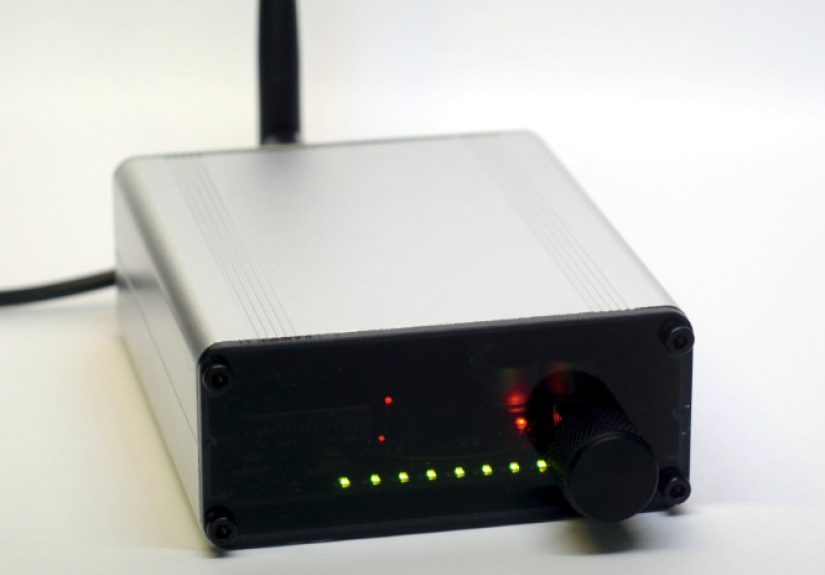
Projects built around an ESP32 and an I2S amplifier show how far this category has come. An example often cited in the DIY scene is the Esparagus Audio Brick, an open-source, ESP32-powered audio platform designed for smart-home builders. The concept is simple but smart: compact hardware, network connectivity, built-in amplification, room-friendly installation, and native integration with automation platforms.
That matters because open audio used to feel cobbled together. You took a development board, added an amplifier breakout, crossed your fingers, and hoped the jumper wires would not turn your living room into a science fair. Newer designs are more polished. They are meant to be installed permanently, updated over the air, and used as serious room endpoints rather than temporary experiments.
The Software Stack Is the Real Star
Hardware gets attention, but software is what makes an audio brick useful. Home Assistant brings automation logic. ESPHome makes it easier to configure and manage compatible devices. Music Assistant adds flexible media routing and playback across supported players. Snapcast handles synchronized multi-room audio, which is exactly what you want when you do not want the chorus arriving in the hallway two seconds after it hits the kitchen.
This is a big deal. Snapcast is specifically designed for time-synchronized playback, which is one of the hardest parts of whole-home audio. Music Assistant adds the convenience layer many smart homes need, including playback synchronization, announcements, and support for multiple kinds of players. ESPHome, meanwhile, has matured enough to let compatible speaker-based media players handle common formats and work more naturally with Home Assistant.
Put all of that together and the audio brick stops being a hobby board. It becomes infrastructure.
Where an Audio Brick Fits in a Real Home
The best use case for an audio brick is not a fancy demo. It is ordinary life.
In the kitchen, it can play morning radio, recipe audio, or timer alerts without depending on your phone. In a home office, it can handle focus playlists during the day and voice announcements after hours. In a hallway or utility room, it can act as a discreet alert speaker for doorbells, leak sensors, or security events. In a patio setup, it can drive passive speakers without forcing you into one premium ecosystem just because you want background music near the grill.
This modularity is the real strength. You do not need every room to be the same. One space might need a simple mono speaker for alerts. Another might need stereo music. Another might need a voice pipeline and better amplification. A brick-based approach lets the smart home grow room by room, like a sane renovation instead of a giant shopping spree.
The Trade-Offs Nobody Should Pretend Away
Let’s be honest: DIY audio is not all victory laps and perfectly synchronized jazz.
A custom smart-home speaker system takes planning. Network stability matters. Power delivery matters. Enclosures matter. Heat management matters. If you want great sound, speaker selection matters a lot more than many people expect. The most advanced software stack on Earth cannot make a tiny bargain-bin driver sound like a living-room hi-fi setup. Physics remains delightfully rude.
There is also the matter of polish. Commercial systems tend to win on first-day convenience. DIY systems tend to win on flexibility, repairability, and long-term control. That means an audio brick is ideal for people who want their home audio to be part of their automation strategy, not just a disposable accessory.
So the real question is not whether an audio brick is “better” than a Sonos or HomePod. The better question is whether you want your smart-home audio to be a product or a platform.
The Matter Question: Will Smart Speakers Finally Play Nice?
There is one more reason the audio brick idea feels timely: the smart-home industry is still figuring out how audio should fit into broader interoperability. Matter has already improved the conversation around connected devices, but audio remains a more complicated piece of the puzzle. For now, many major smart speakers act more like controllers in Matter ecosystems than fully interoperable speaker devices.
That may change. Work is underway on a dedicated streaming-speaker device type, which could eventually make smart-home audio more open across platforms. If that happens, the line between commercial speakers and open smart-home audio nodes could get much thinner. Until then, modular audio endpoints remain one of the most practical ways to avoid getting trapped in a single brand’s universe.
How to Think About Building One
If you are interested in the concept, start with the room and the purpose, not the parts list. Ask what the speaker is supposed to do. Music? Alerts? Voice assistant responses? TV overflow? Background audio on a schedule? Once you know the job, the hardware becomes easier to choose.
A good audio brick setup usually follows a simple formula: reliable network connection, compact amplifier or powered output stage, automation-friendly firmware, and clean integration with your chosen control layer. If you want synchronized sound across rooms, choose tools that are built for it instead of hoping separate Bluetooth speakers will magically cooperate out of friendship.
Also, be realistic. A hallway notification speaker does not need the same acoustic ambition as a listening room. Build the expensive sound where it matters and the practical sound where it works. Your budget will thank you, and your ceiling will remain blissfully free of unnecessary audiophile philosophy.
Conclusion
An audio brick for your smart home is a simple idea with surprisingly big implications. It turns audio from an isolated gadget into a modular service that your house can actually use. That means better music, smarter announcements, more flexible room control, and less dependence on whichever ecosystem currently believes it should run your life.
Commercial systems still have a huge advantage in convenience, and for many homes they are the right answer. But the rise of compact, networked, open audio endpoints shows that smart-home sound no longer has to be expensive, closed, or awkward to customize. For builders, tinkerers, and homeowners who want their automations to sound as good as they look, the audio brick may be one of the most practical ideas in the room.
At its best, it is not about making your home noisier. It is about making it more aware, more useful, and a lot more enjoyable to live in. And yes, it may finally end the great household debate over which speaker is currently connected to whose phone. That alone deserves applause.
Extended Experiences: What Living With an Audio Brick Really Feels Like
The most interesting thing about an audio brick is that the “wow” moment usually is not dramatic. It does not arrive with laser lights and a dramatic product keynote. It shows up quietly on an ordinary Tuesday when the kitchen speaker starts your morning station automatically, the hallway chime tells you the delivery is at the door, and your office speaker smoothly picks up the same playlist you were hearing downstairs. Suddenly the house feels coordinated instead of cluttered. That is the real experience people respond to.
In many homes, the kitchen becomes the first place where an audio brick proves its value. It handles timers, casual music, quick news playback, and voice responses without asking anyone to fish around for a phone with flour on their hands. Once that works reliably, the next room tends to follow. Then another. This is how whole-home audio often grows: not as a luxury project, but as a series of small conveniences that become oddly hard to give up.
Home offices are another sweet spot. A well-placed audio brick can provide low-key background music during work hours, a gentle spoken reminder before meetings, or an automation that reads out a calendar alert when you are deep in a task. It feels less distracting than another screen and more natural than yet another push notification. The sound comes from the room, not from a device you have to babysit.
There is also a subtle emotional benefit to having sound built into the house more thoughtfully. Different rooms can develop different personalities. The bedroom might stay calm and minimal. The kitchen might be energetic and practical. The garage might be the place for podcasts and game-day audio. A modular audio system supports that kind of room identity better than a one-size-fits-all speaker plan.
Of course, the experience is not perfect from day one. Anyone building or tuning an audio brick setup learns a few lessons quickly. Speaker placement matters more than expected. Wi-Fi dead zones become painfully obvious the moment audio starts stuttering. Cheap power supplies reveal their bad manners. And once you hear one room playing slightly out of sync with another, you develop a new and oddly passionate respect for synchronization technology.
Still, those rough edges are usually temporary. Once the network is stable, the automations are dialed in, and the room roles make sense, the system starts to feel less like a project and more like part of the home itself. That is the point where the audio brick concept really wins. It stops being a geeky experiment and starts being useful for everyone in the household, including the people who never want to hear the phrase “firmware update” again.
That is probably the best endorsement possible. When the techiest thing in the room becomes invisible, it has done its job. An audio brick succeeds when nobody talks about the brick anymore. They just notice that music follows the moment, announcements arrive where they should, and the smart home finally sounds as organized as it always claimed to be.