Table of Contents >> Show >> Hide
- Why a Family Photo Gallery Works as an Architectural Element
- Choosing the Best Location for a Family Photo Gallery
- Planning the Layout Before You Touch a Hammer
- Grid, Salon, or Organic: Choosing a Gallery Style
- Frame Choices That Make Family Photos Look Elevated
- Color or Black-and-White Family Photos?
- Spacing, Scale, and Hanging Height
- Mixing Family Photos with Art and Objects
- Lighting Your Family Photo Gallery
- Protecting and Preserving Family Photos
- Digital Photos, Printing, and Image Quality
- Family Photo Gallery Ideas by Room
- Common Mistakes to Avoid
- How to Make the Gallery Feel Personal Without Looking Cluttered
- Experience Notes: What Living with a Family Photo Gallery Really Teaches You
- Conclusion
- SEO Tags
A family photo gallery is not just a wall with frames on it. That would be like calling a Thanksgiving dinner “some poultry with side dishes.” A well-designed family photo gallery is an architectural element: it shapes how a room feels, how people move through a hallway, how guests understand the personality of a home, and how everyday memories become part of the interior design.
In a world where most photos live on phones, guarded by passwords and occasionally trapped behind the dreaded “storage full” notification, a family photo gallery brings the best moments back into real life. It turns a blank wall into a warm visual story. It makes a staircase feel intentional, a hallway feel alive, and a living room feel less like a furniture showroom and more like a place where actual humans laugh, spill coffee, celebrate birthdays, and own at least one slightly embarrassing vacation hat.
The secret is balance. A beautiful family photo wall should feel personal without becoming visual chaos. It should look designed, but not so perfect that it feels like a hotel lobby pretending to have cousins. With thoughtful framing, spacing, scale, lighting, and layout, family photos can become one of the most meaningful architectural details in your home.
Why a Family Photo Gallery Works as an Architectural Element
Architecture is not only about walls, windows, floors, and doors. It is also about rhythm, proportion, focal points, and the emotional experience of moving through a space. A family photo gallery checks all those boxes. It adds structure to a blank surface, creates a natural point of interest, and gives the eye a reason to pause.
Unlike generic wall art, framed family photos carry emotional weight. A black-and-white wedding portrait, a candid backyard snapshot, a baby photo, a graduation picture, or a beach-day disaster involving wind and snacks can all bring warmth into a room. When arranged with intention, these images become more than decoration. They become a visual archive of belonging.
Family photo galleries are especially effective in transitional spaces. Hallways, staircases, landings, entryways, breakfast nooks, and mudrooms often need character but may not have room for bulky furniture. A photo gallery solves that problem elegantly. It adds personality without stealing floor space, which is wonderful news for anyone who has ever tripped over a decorative bench that nobody was allowed to sit on.
Choosing the Best Location for a Family Photo Gallery
The best place for a family photo gallery depends on how you want the display to function. Do you want it to greet guests? Tell a story as people climb the stairs? Add charm to a dining area? Make a long hallway feel less like a bowling lane? Location sets the tone.
Hallways: The Classic Storytelling Route
A hallway is one of the most natural places for a family photo gallery. Because people pass through it often, the gallery becomes part of daily life. A long hallway can support a linear arrangement, a clean grid, or a salon-style composition with mixed frame sizes. For a polished look, keep the center of the arrangement around eye level and maintain consistent spacing between frames.
Staircases: Movement, Memory, and Drama
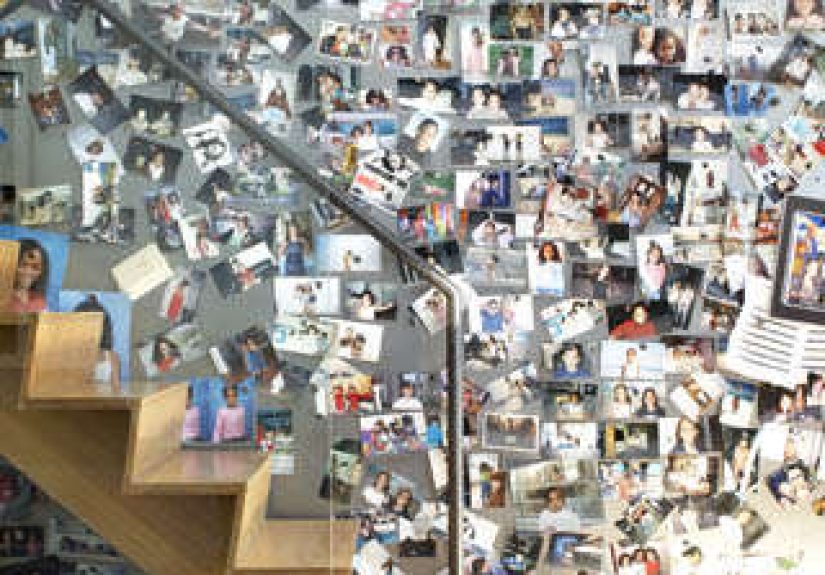
A staircase gallery has built-in drama because the display rises with the architecture. The key is to follow the angle of the stairs while keeping the overall composition visually connected. Instead of hanging photos randomly at every step, create an imaginary diagonal line that follows the stair slope. Arrange the frames around that line so the gallery feels like it is climbing gracefully, not scrambling uphill in dress shoes.
Living Rooms: A Personal Focal Point
In the living room, a family photo gallery can replace a large painting, anchor a sofa, or add intimacy around a fireplace. If the gallery sits above furniture, keep the arrangement visually connected to the piece below it. A display that floats too high can make the room feel awkward, as if the photos are trying to escape through the ceiling.
Entryways: A Warm First Impression
An entryway gallery says, “Real people live here, and yes, one of them may have worn a dinosaur costume in 2016.” It sets a welcoming mood from the moment someone walks in. For small entryways, choose a tight grid or a few oversized framed images instead of many tiny frames. The goal is charm, not a museum security challenge.
Planning the Layout Before You Touch a Hammer
Planning is the difference between a gallery wall and a wall that looks like it lost a fight with a nail gun. Before hanging anything, decide on the overall shape. Most family photo galleries work best when they fit into an invisible rectangle, square, vertical column, or diagonal path.
Lay the frames on the floor first. Move them around. Take a photo of the arrangement with your phone. Then adjust again, because your first layout will probably contain one frame that behaves like it arrived from another planet. This floor-planning step lets you test balance, spacing, and visual weight before making holes in the wall.
Another helpful method is to create paper templates. Trace each frame onto craft paper, cut out the shapes, and tape them to the wall. This lets you preview the gallery at full scale. It also gives you time to realize that the giant vacation portrait is slightly too giant, or that the smallest frame disappears from across the room like a shy postage stamp.
Grid, Salon, or Organic: Choosing a Gallery Style
There are three main approaches to family photo gallery design: grid, salon, and organic. Each creates a different feeling.
The Grid Gallery
A grid gallery uses matching frames arranged in clean rows and columns. This style feels modern, formal, and calm. It works beautifully with black-and-white family photos because the consistent framing lets the images become the main attraction. A grid is ideal for dining rooms, hallways, home offices, and above sofas.
The grid approach is also friendly to beginners. Equal frame sizes and equal spacing reduce decision fatigue. If decorating decisions make you stare at the wall for forty minutes while holding a measuring tape like a lost explorer, start with a grid.
The Salon-Style Gallery
A salon-style gallery mixes sizes, orientations, frames, and sometimes artwork or objects. It feels collected, layered, and creative. This style works well when your family photos include different eras: old portraits, school pictures, travel snapshots, candid images, and maybe one photo of a dog who clearly runs the household.
To keep a salon wall from looking messy, repeat at least one design element. That could be a shared color palette, similar matting, black frames, wood tones, or consistent spacing. Repetition is the quiet hero of gallery wall design.
The Organic Gallery
An organic gallery feels relaxed and flexible. It can grow over time as new memories are added. This is a great option for families who want the wall to evolve. Start with a central anchor photo, then build outward with smaller frames. Leave room at the edges so the gallery can expand naturally without looking like an afterthought.
Frame Choices That Make Family Photos Look Elevated
Frames are the architecture of a photo gallery. They give each image boundaries, weight, and style. The right frames can make casual snapshots look sophisticated. The wrong frames can make even a beautiful portrait look like it was printed at midnight during a craft emergency.
For a clean, timeless look, choose black, white, brass, or natural wood frames. Black frames add contrast and definition. White frames feel light and airy. Wood frames bring warmth and work especially well in farmhouse, coastal, Scandinavian, and transitional interiors. Brass or gold frames add a subtle classic touch without shouting, “I own a velvet fainting couch.”
Matting also matters. Wide mats give photos breathing room and make smaller images feel important. They create a gallery-like finish and help unify photos from different times and color tones. If you are mixing phone photos, professional portraits, and scanned vintage images, consistent mats can save the day.
Color or Black-and-White Family Photos?
Both color and black-and-white family photos can look beautiful, but they create different moods. Black-and-white photos are elegant, cohesive, and forgiving. They reduce visual noise and help images from different years feel connected. If your photo collection includes clashing outfits, neon birthday decorations, and one suspiciously orange restaurant wall, black-and-white printing can bring peace to the kingdom.
Color photos feel vibrant, emotional, and immediate. They are especially effective when the images share a similar palette. Beach photos with blues and whites, autumn portraits with warm tones, or holiday pictures with soft neutrals can create a rich and coordinated display.
A smart compromise is to use mostly black-and-white photos with a few color images as accents. Another option is to group color images by theme or season so the gallery feels intentional rather than random.
Spacing, Scale, and Hanging Height
Spacing is one of the small details that makes a big difference. Most gallery walls look best with consistent gaps between frames. Around two to three inches between frames often works well for medium-sized pieces, though larger frames may need slightly wider spacing. The goal is to make the collection read as one composition instead of separate islands drifting across drywall.
For hanging height, a common design guideline is to place the center of the artwork or overall arrangement around eye level, often near 57 to 60 inches from the floor. This keeps the gallery connected to the human experience of the room. Above furniture, leave enough breathing room between the furniture and the bottom of the frames so the display feels related but not crowded.
Scale also matters. A tiny gallery on a huge wall can look lonely. A massive gallery in a narrow hallway can feel overwhelming. Match the size of the display to the wall and the surrounding furniture. When in doubt, create a larger arrangement using mats and frames rather than enlarging every photo. Not every family snapshot needs to be the size of a movie poster. Uncle Dave’s barbecue face can remain tastefully contained.
Mixing Family Photos with Art and Objects
A family photo gallery does not have to include only photos. In fact, mixing in art, letters, small mirrors, sketches, children’s drawings, travel postcards, pressed botanicals, or meaningful objects can make the gallery feel richer and more personal.
For example, a hallway gallery might include wedding portraits, baby photos, a framed recipe card from a grandparent, a small landscape painting from a family trip, and a shadow box with a tiny keepsake. These additions add texture and prevent the gallery from becoming a lineup of formal faces staring politely at guests.
The trick is restraint. Choose objects that support the story, not every object that has ever made you emotional. A gallery should feel curated, not like the attic learned how to climb a wall.
Lighting Your Family Photo Gallery
Lighting turns a family photo gallery from “nice wall” into “architectural moment.” Natural light can be beautiful, but direct sunlight may fade photographs over time. If the wall receives strong sunlight, consider UV-filtering glass or acrylic, shades, or a different location.
Picture lights, track lighting, wall washers, or nearby lamps can highlight the display in the evening. Warm lighting usually flatters family photos and creates a cozy atmosphere. Avoid harsh glare on glass. If reflections are a problem, try non-glare acrylic or adjust the light angle.
Good lighting also improves the emotional power of the gallery. A softly lit staircase wall filled with family memories can make an ordinary walk upstairs feel like a tiny documentary about love, growth, and questionable haircut phases.
Protecting and Preserving Family Photos
Because family photos are both decorative and sentimental, preservation deserves attention. Avoid placing valuable original photographs in direct sunlight, damp bathrooms, hot attics, or humid basements. Temperature, moisture, and UV exposure can damage prints over time.
Use copies for display when possible, especially for older or irreplaceable photos. Store originals in archival-quality sleeves or boxes in a cool, dry place. For framed pieces, acid-free mats and backing boards help protect the image. UV-filtering glazing can reduce light damage, especially in bright rooms.
Labeling matters too. Future generations may not know who is in the photo, when it was taken, or why everyone is standing next to a station wagon with heroic confidence. Keep a record of names, dates, places, and stories. You can write information on archival sleeves, keep a digital catalog, or add discreet labels behind the frames.
Digital Photos, Printing, and Image Quality
Most modern family photo galleries begin with digital images. Before printing, check resolution and cropping. A photo that looks sharp on a phone may become blurry when enlarged. Choose images with good light, clear faces, and enough background space to crop cleanly.
Professional printing is worth considering for important images. High-quality paper, accurate color, and durable finishes help the gallery look polished. Matte or satin finishes often work better than glossy prints because they reduce glare and fingerprints. Glossy prints have their place, but they can also reflect every lamp, window, and passing family member like a tiny surveillance mirror.
For a cohesive gallery, edit photos with a similar tone. That does not mean making every image identical. It simply means adjusting brightness, contrast, warmth, or black-and-white treatment so the collection feels harmonious.
Family Photo Gallery Ideas by Room
For a Modern Living Room
Use large black frames with wide white mats. Print all photos in black and white. Arrange them in a symmetrical grid above the sofa. Keep the lines clean and the spacing consistent. The result feels refined but still deeply personal.
For a Cozy Hallway
Mix medium and small frames in warm wood tones. Include candid photos, old family portraits, and a few meaningful art pieces. Use a soft, organic arrangement that grows along the hallway. This creates a collected look that feels welcoming and lived-in.
For a Staircase
Choose frames in one finish, such as black or natural oak, and vary the sizes. Follow the slope of the stairs with the centerline of the display. Add larger anchor pieces at the bottom and top to give the composition structure.
For a Bedroom
Keep the gallery calm and intimate. Choose fewer images, softer tones, and simple frames. A small collection of meaningful family photos above a dresser can feel more peaceful than a large wall of energetic vacation shots.
For a Kids’ Space
Create a cheerful family gallery with colorful frames, growth photos, school portraits, drawings, and snapshots from everyday life. Use sturdy, lightweight frames and secure hardware. The display should feel joyful, not precious.
Common Mistakes to Avoid
The first mistake is hanging photos too high. Art that sits near the ceiling can make the room feel disconnected. Keep the gallery at a comfortable viewing height and relate it to nearby furniture.
The second mistake is using too many frame styles without a plan. Eclectic does not mean accidental. If frames vary, repeat a color, material, or mat style to create unity.
The third mistake is ignoring the wall size. A small display on a large wall can look timid. A crowded gallery on a tiny wall can feel stressful. Measure the space and plan the arrangement before hanging.
The fourth mistake is displaying every photo you love. A strong gallery needs editing. Choose images that tell a story, show emotion, or add beauty. The rest can live in albums, digital folders, or future rotations.
How to Make the Gallery Feel Personal Without Looking Cluttered
A family photo gallery should tell a story, but it does not need to tell every story at once. Think in chapters. One wall might focus on generations. Another might highlight travel. A staircase might show children growing up over time. A living room grid might celebrate milestone portraits.
Editing creates emotional impact. When every image is special, the viewer can actually notice each one. When every inch is packed, the gallery becomes visual soup. Delicious in theory, confusing on a wall.
Use negative space as part of the design. Empty wall around the frames helps the gallery breathe. It also makes the display feel intentional and architectural instead of crowded.
Experience Notes: What Living with a Family Photo Gallery Really Teaches You
Designing a family photo gallery sounds simple until you are standing in front of a wall holding twelve frames, a level, painter’s tape, and the sudden realization that walls are much larger than they look. The process teaches patience quickly. It also teaches that “just eyeballing it” is a charming phrase usually followed by regret.
One of the best experiences with a family photo gallery is watching how people interact with it. Guests slow down. Children point at older pictures and ask questions. Grandparents notice images from decades ago. Friends laugh at the candid shots. A well-placed gallery becomes a conversation starter without needing to wave its arms and yell, “Please admire my decor choices.”
The most successful galleries often include a mix of polished and imperfect photos. Formal portraits are beautiful, but candid images bring life. A child laughing with messy hair, a parent caught mid-dance, a family dog looking guilty near a demolished pillowthese images make the wall feel human. Perfection can be elegant, but imperfection is usually where the heart sneaks in.
Another lesson is that frames have more power than expected. The same photo can feel casual in a thin white frame, dramatic in black, warm in oak, or vintage in brass. Before printing everything, test a few frame styles. Place samples against the wall at different times of day. Morning light and evening lamplight can change how finishes appear.
It is also wise to build in flexibility. Families grow, styles change, and new memories deserve space. Instead of treating the gallery as finished forever, think of it as a living feature. Leave room to add one or two frames later. Use frames that are easy to open and update. Rotate seasonal photos if you enjoy refreshing the look. A family gallery should evolve, just like the people in it.
One surprisingly practical tip is to keep a small “gallery kit” in a drawer: extra hooks, picture wire, adhesive bumpers, a pencil, painter’s tape, and a mini level. Frames shift over time, especially in busy homes where doors slam, floors vibrate, and someone is always chasing someone else while yelling about socks. Adhesive bumpers on the back corners can keep frames straight and protect the wall.
Finally, the emotional experience matters more than the perfect layout. Yes, measure carefully. Yes, choose good frames. Yes, avoid direct sunlight and preserve originals safely. But the real success of a family photo gallery is how it makes the home feel. When you pass the wall and remember a trip, a milestone, a person, or a moment that might otherwise stay buried in a phone, the gallery has done its job.
A family photo gallery is architecture with a heartbeat. It frames memory, organizes emotion, and gives the home a personal rhythm. It proves that design does not have to be cold to be sophisticated. Sometimes the most powerful architectural element is not stone, steel, or glass. Sometimes it is a hallway full of faces, stories, and one unforgettable photo nobody is allowed to remove because it makes everyone laugh.
Conclusion
A family photo gallery can transform an ordinary wall into one of the most meaningful architectural elements in a home. With the right location, layout, frames, lighting, and preservation choices, family photos become more than decoration. They become a designed experience, a visual timeline, and a daily reminder of the people and moments that shape a household.
The best family photo gallery is not the most expensive or the most perfectly symmetrical. It is the one that feels connected to the home and the people who live there. Whether you choose a crisp grid, a layered salon wall, or a flexible organic arrangement, the goal is the same: create a wall that looks beautiful, tells a story, and makes the space feel unmistakably yours.