Table of Contents >> Show >> Hide
- Are Home Security Systems Worth It? The Short Answer
- 1. A Visible Security System Can Deter Burglars
- 2. Security Systems Provide Faster Alerts During Break-Ins
- 3. Cameras Can Capture Evidence and Clarify What Happened
- 4. Home Security Systems Protect More Than Valuables
- 5. Environmental Sensors Can Warn About Fire, Carbon Monoxide, and Water Leaks
- 6. Smart Home Integration Adds Convenience
- 7. A Security System May Lower Homeowners Insurance Costs
- 8. Home Security Systems Are More Flexible Than Ever
- How Much Does a Home Security System Cost?
- Security System Privacy and Cybersecurity Matter
- When a Home Security System May Not Be Worth It
- Experience-Based Insights: What It Feels Like to Actually Use a Home Security System
- Final Verdict: Are Home Security Systems Worth It?
Home security systems used to sound like something reserved for movie villains, vacation mansions, or that one neighbor who has a keypad, three cameras, and a porch light bright enough to signal aircraft. Today, they are much more ordinaryand much more useful. A modern home security system can include door and window sensors, motion detectors, cameras, smart locks, glass-break sensors, smoke alarms, carbon monoxide detectors, flood sensors, panic buttons, and professional monitoring. In other words, it is less “spy headquarters” and more “responsible adulting with push notifications.”
So, are home security systems worth it? For many homeowners and renters, yesespecially when the system is chosen carefully, installed properly, and used consistently. A good system does not make a home magically crime-proof. No alarm can physically wrestle a burglar into the shrubs. But security systems can reduce risk, alert residents faster, document suspicious activity, help emergency responders, and provide day-to-day peace of mind that is hard to price.
Below are eight crucial reasons to invest in a home security system, plus a practical experience-based section at the end for anyone still sitting on the fence, staring at a shopping cart full of sensors and wondering whether the front door is judging them.
Are Home Security Systems Worth It? The Short Answer
Yes, home security systems are worth it for households that want better protection, faster alerts, and more control over what happens at home while they are away. The strongest value comes from layered protection: strong locks, good lighting, visible cameras, door and window sensors, smoke and carbon monoxide alarms, and either professional monitoring or reliable self-monitoring.
The real question is not simply, “Should I buy a security system?” It is, “What kind of security problem am I trying to solve?” A renter in a second-floor apartment may need a video doorbell, entry sensors, and a compact alarm kit. A homeowner with a detached garage, basement windows, kids, pets, and frequent travel may need outdoor cameras, environmental sensors, smart locks, and professional monitoring. A system is worth it when it matches the home, the risk level, and the people living there.
1. A Visible Security System Can Deter Burglars
The first major benefit of a home security system is deterrence. Burglars generally prefer easy, quiet, low-risk targets. A house with visible cameras, alarm signage, motion lights, and doorbell video sends a different message: “This home may be more trouble than it is worth.” That message matters.
Security experts often talk about “target hardening,” which means making a property less attractive to criminals. You are not trying to build Fort Knox with throw pillows. You are trying to make your home look alert, occupied, and inconvenient. A camera near the front door, a sensor on the side entry, and a sign indicating alarm monitoring can shift the calculation for someone looking for a quick opportunity.
Deterrence Works Best When It Is Obvious
Hidden cameras can help capture evidence, but visible protection often does more to prevent a break-in from happening at all. Outdoor cameras should be placed near common entry points such as front doors, side doors, garage doors, and accessible back entrances. Motion-activated lights can remove the shadows burglars love. Window stickers and yard signs should be used honestlypreferably with a real system behind them, not just wishful thinking in sticker form.
A layered approach is best. Cameras alone may record a problem. Sensors alone may detect a problem. Together, they make the home feel watched, connected, and less convenient to target.
2. Security Systems Provide Faster Alerts During Break-Ins
When something goes wrong, speed matters. A traditional lock tells you nothing after it fails. A modern home security system can immediately send a notification when a door opens, a window sensor trips, glass breaks, or motion is detected in a protected area.
That fast alert can be useful in several everyday situations. Maybe you are at work and receive a notification that the back door opened. Maybe you are upstairs and hear the alarm before you hear footsteps. Maybe you are on vacation and your phone tells you the garage entry sensor was triggered. Instead of finding out hours later, you know in the moment.
Professional Monitoring vs. Self-Monitoring
With self-monitoring, alerts go to your phone, and you decide what to do. This can work well for people who are usually reachable, comfortable checking camera feeds, and able to contact emergency services when needed. Professional monitoring adds a call center that can respond when alarms trigger, contact you, and request dispatch when appropriate.
Professional monitoring is especially valuable if you travel often, sleep deeply, work in places where phones are off-limits, or want backup when you are unavailable. Self-monitoring may be enough for smaller homes, apartments, or budget-conscious households. The key is honesty: if your phone is usually buried under couch cushions on silent mode, professional monitoring may be worth considering.
3. Cameras Can Capture Evidence and Clarify What Happened
Security cameras are not just for dramatic porch-pirate videos with suspiciously athletic raccoons. They can provide useful evidence after break-ins, package theft, vandalism, car prowling, or suspicious activity around the property. Clear video can help residents understand what happened, when it happened, and whether police or insurance companies need documentation.
Video doorbells are especially popular because the front door is a busy zone. Visitors, deliveries, solicitors, neighbors, and the occasional mystery person who rings once and vanishes all pass through that area. A video doorbell can record package deliveries, show who approached the door, and let you speak to someone without opening the door.
Good Camera Placement Matters
A security camera pointed beautifully at the sky will capture stunning clouds and absolutely zero useful evidence. Place cameras where they can see faces, entry points, driveways, walkways, gates, and vulnerable areas. Avoid pointing cameras into neighbors’ windows or private spaces. Privacy matters, and so does not becoming “that camera house” on the block.
For best results, choose cameras with adequate resolution, night vision, motion detection zones, and reliable storage. Some homeowners prefer cloud storage for easy access, while others prefer local storage for privacy and fewer monthly fees. Both can work; the best choice depends on budget, comfort level, and how much footage you need to keep.
4. Home Security Systems Protect More Than Valuables
People often think of security systems as protection for jewelry, electronics, tools, and other valuables. That is important, but the emotional value of security goes beyond replacing a television. A burglary can leave people feeling violated in their own home. Even when no one is hurt, the sense of safety can take time to recover.
A good home security system can help protect the routines and comfort that make a house feel like home. It can reassure parents when teenagers arrive home from school. It can help older adults feel safer living independently. It can let a traveler check whether the house is quiet while they are several states away eating a hotel breakfast waffle shaped like Texas.
Peace of Mind Is a Practical Benefit
Peace of mind sounds soft, but it has practical value. When you can check whether the garage door is closed, confirm that a delivery arrived, or see that no one is near the side gate, you spend less time guessing. Less guessing means fewer unnecessary drives home, fewer “Did I lock the door?” spirals, and fewer texts to neighbors that begin with, “This may sound weird, but…”
For families, caregivers, pet owners, and frequent travelers, that everyday confidence can be one of the strongest reasons to invest in a security system.
5. Environmental Sensors Can Warn About Fire, Carbon Monoxide, and Water Leaks
The best home security systems are not only about crime. Many systems can connect with smoke detectors, carbon monoxide alarms, flood sensors, freeze sensors, and temperature alerts. These devices can warn about dangers that move much faster than a burglar and care much less about your deductible.
Smoke alarms are essential in every home, and monitored smoke detectors can add another layer by alerting a monitoring center when the alarm sounds. Carbon monoxide detectors are equally important because carbon monoxide is odorless and invisible. Water-leak sensors can catch problems near water heaters, washing machines, sinks, basements, and sump pumps before a small leak becomes indoor waterfront property.
Environmental Protection Can Save Money and Lives
Fire, carbon monoxide, and water damage can cause severe harm before anyone notices. Environmental sensors are especially helpful when residents are sleeping, away from home, or unable to hear a standalone alarm. A monitored or connected alert can create a faster response and reduce damage.
For homeowners with finished basements, older plumbing, vacation homes, or pets at home during the day, adding environmental sensors may be one of the smartest upgrades in the entire system. It is not glamorous, but neither is discovering a leaking water heater has been quietly auditioning for a disaster movie.
6. Smart Home Integration Adds Convenience
Modern security systems often work with smart locks, smart lights, thermostats, garage door controllers, voice assistants, and mobile apps. That integration can make daily life easier while improving safety.
For example, a smart lock can let you give temporary access to a dog walker, cleaner, family member, or contractor without hiding a key under a flowerpotthe security equivalent of leaving a treasure map for strangers. Smart lights can turn on automatically when motion is detected. A garage controller can notify you if the garage door was left open. A security app can arm the system at night with a tap.
Automation Should Support Real Habits
Smart features are only useful if they match how people actually live. A family with kids may want automatic reminders when the system is not armed after bedtime. A frequent traveler may want lights to turn on at random intervals. A homeowner with service providers may need temporary door codes. A renter may prefer wireless equipment that moves easily to the next apartment.
The best smart security setup is not the most complicated one. It is the one you will use every day without needing a technical support hotline, a magic wand, or a teenager to explain the app again.
7. A Security System May Lower Homeowners Insurance Costs
Some insurance companies offer discounts for qualifying safety and security devices, including burglar alarms, smoke detectors, fire alarms, deadbolts, and monitored systems. The exact discount depends on the insurer, the home, the equipment, and whether the system is professionally monitored.
This does not mean a security system pays for itself overnight. Monthly monitoring, equipment, installation, and add-ons can cost more than the insurance discount. However, the discount can reduce the long-term cost and make a system more affordable over time.
Ask Before You Buy
Before purchasing a system, call your insurance provider and ask what qualifies. Some companies require professional monitoring. Others may accept certain smoke, fire, or burglar alarm features. Ask whether documentation is needed and whether the discount changes by system type.
This step takes only a few minutes and can prevent disappointment later. Nothing ruins a proud new security setup like discovering your insurer says, “Nice cameras, but no discount for those.”
8. Home Security Systems Are More Flexible Than Ever
One of the biggest reasons home security systems are worth considering today is flexibility. Homeowners and renters can choose from DIY kits, professionally installed systems, self-monitoring plans, professional monitoring, wired cameras, wireless cameras, battery-powered sensors, smart locks, and modular packages that expand over time.
That flexibility makes security more accessible. You do not have to install a massive system on day one. You can start with the essentials: entry sensors, a keypad or hub, a motion detector, and a video doorbell or front-door camera. Later, you can add outdoor cameras, leak sensors, smoke and carbon monoxide integration, garage protection, or smart lighting.
DIY or Professional Installation?
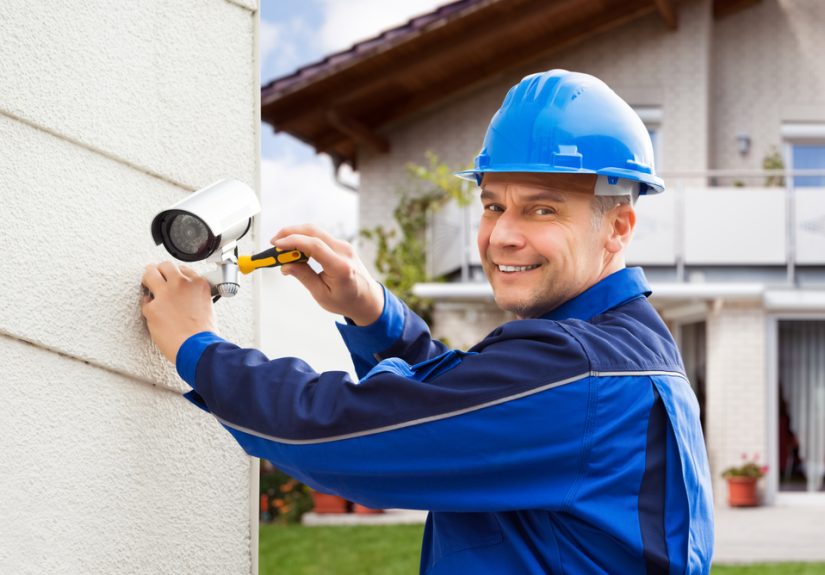
DIY systems are often best for renters, smaller homes, and people who like simple setup. Many wireless systems use peel-and-stick sensors and app-based installation. Professional installation can be better for large homes, hardwired systems, complex camera placement, or anyone who wants the system configured correctly without spending Saturday arguing with a ladder.
Both options can be worthwhile. The right choice depends on your comfort level, home layout, budget, and whether you want expert placement advice.
How Much Does a Home Security System Cost?
Home security system costs vary widely. A basic DIY kit may cost a few hundred dollars or less, while a larger professionally installed system with multiple cameras, smart locks, sensors, and monitoring can cost much more. Monthly professional monitoring commonly adds an ongoing fee, and video storage or premium app features may add subscription costs.
When comparing systems, look beyond the starter price. Consider equipment, installation, activation fees, monitoring, cloud storage, contract length, cancellation rules, replacement sensors, battery costs, and whether equipment is owned or leased. A cheap system with expensive long-term fees may not be cheap. A higher upfront cost with no contract may be better for some households.
Questions to Ask Before Buying
Before investing, ask these practical questions:
- How many exterior doors and accessible windows need sensors?
- Do I need professional monitoring, or will self-monitoring be enough?
- Will the system work during a power outage or internet outage?
- Does it include cellular backup?
- Can I add cameras, smart locks, or environmental sensors later?
- Are there contracts, cancellation fees, or equipment leases?
- Does the company have clear privacy and data-security policies?
A home security system should solve problems, not create new ones with surprise fees and confusing terms.
Security System Privacy and Cybersecurity Matter
Because many modern security systems connect to the internet, privacy and cybersecurity should be part of the buying decision. Cameras, apps, door locks, and sensors can be convenient, but they also need strong protection.
Use strong, unique passwords. Turn on two-factor authentication when available. Change default usernames and passwords immediately. Keep device software updated. Use a secure home Wi-Fi network with modern encryption. Review camera sharing settings. Delete old users who no longer need access. Choose reputable companies with clear update policies and privacy controls.
Security should not stop at the front door. A smart camera with a weak password is like installing a fancy lock and taping the key to it with a note that says, “Please don’t.”
When a Home Security System May Not Be Worth It
A security system may not be worth it if it is too expensive for your budget, too complicated to use, poorly installed, or filled with features you do not need. It also may not be worthwhile if you ignore alerts, forget to arm it, leave batteries dead, or never update the app.
Some households may be better served by lower-cost improvements first: better deadbolts, reinforced strike plates, window locks, outdoor lighting, trimmed landscaping, and a secure garage. These upgrades can work alongside a security system or provide a strong foundation before buying one.
The best investment is not always the biggest system. It is the right-sized system, used consistently, paired with basic physical security.
Experience-Based Insights: What It Feels Like to Actually Use a Home Security System
On paper, home security systems sound clean and simple: install sensors, arm the system, relax forever. In real life, the experience is more human. There are forgotten passcodes, pets who believe motion sensors are personal enemies, delivery drivers who appear on camera like surprise guests in a sitcom, and at least one moment when you accidentally set off your own alarm and move with the speed of an Olympic sprinter to silence it.
Still, after the learning curve, a well-chosen system becomes part of the household rhythm. The most valuable feature is often not the loud siren. It is awareness. You know when a door opens. You know when a package arrives. You know whether the garage was left open. You know when the dog walker came by, when the kids got home, or whether that nighttime noise was a raccoon, a branch, or your imagination doing cardio.
One of the most practical experiences is learning which alerts matter. At first, every notification feels urgent. A leaf moves: alert. A moth attacks the porch light: alert. A neighbor’s cat walks by with suspicious confidence: alert. Over time, you adjust motion zones, reduce sensitivity, and create smarter notifications. The system becomes less noisy and more useful.
Another real-world lesson is that placement beats quantity. Four well-placed sensors and two useful cameras can outperform a dozen poorly placed gadgets. The front door, back door, garage entry, first-floor windows, and main hallway are often more important than random corners. Outdoor cameras should be high enough to avoid tampering but low enough to capture faces. Motion lights should brighten pathways and entry points, not blind dinner guests through the window.
Professional monitoring can feel especially reassuring during travel. When you are away from home, small uncertainties grow large. Did the storm knock out power? Did the delivery sit on the porch all day? Did someone enter the side gate? A monitored system with camera access and environmental sensors can turn vague worry into specific information. That does not mean you will check the app every five minutes. Well, you might at first. But eventually, the system gives enough confidence that you check only when needed.
For families, the system can also support routines. A smart lock code can show that a child arrived home. A door sensor can alert caregivers if an older relative opens an exterior door late at night. A camera can help verify visitors before anyone opens the door. These small moments are not dramatic, but they make daily life feel more controlled.
The biggest surprise is that a home security system often changes behavior. People remember to lock doors more consistently. They close the garage. They improve lighting. They stop leaving spare keys in obvious places. The system becomes a reminder that security is not one device; it is a habit. And like most good habits, it works best when it is simple enough to maintain.
So, are home security systems worth it from an everyday experience perspective? Yes, when they reduce anxiety without creating constant annoyance. The ideal system should feel like a quiet assistant, not a bossy robot roommate. It should alert you when something matters, stay out of the way when nothing is wrong, and make the home feel more secure without making life feel complicated.
Final Verdict: Are Home Security Systems Worth It?
Home security systems are worth it for many households because they combine deterrence, detection, documentation, emergency alerts, convenience, and peace of mind. They can discourage burglars, notify residents faster, record useful evidence, support smart-home routines, warn about environmental hazards, and possibly qualify for insurance discounts.
The best approach is practical, not paranoid. Start with your home’s weak points. Protect obvious entry areas. Add environmental sensors where damage could be costly. Choose monitoring based on your lifestyle. Secure your smart devices with strong passwords and two-factor authentication. Read contracts carefully. Then use the system consistently.
A home security system cannot guarantee that nothing bad will ever happen. But it can make bad things less likely, less damaging, and less mysterious. That is a strong argument for investing in oneespecially if your current security plan is “hope, vibes, and a porch light.”