Table of Contents >> Show >> Hide
- Why Steam Hot Dog Buns?
- Tools You Can Use to Steam Hot Dog Buns
- Easy Ways to Steam a Hot Dog Bun: 9 Steps
- Step 1: Choose the Right Bun
- Step 2: Decide Which Steaming Method Fits Your Situation
- Step 3: Use the Microwave Method for the Fastest Bun
- Step 4: Use the Stovetop Method for Classic Steamed Buns
- Step 5: Try the Tongs-Over-Steam Method for One Bun
- Step 6: Steam Buns on the Grill Without Drying Them Out
- Step 7: Use the Hot Dog Heat Trick for Quick Softening
- Step 8: Avoid the Most Common Steaming Mistakes
- Step 9: Fill, Dress, and Serve Immediately
- Best Method for Different Situations
- How Long Should You Steam Hot Dog Buns?
- How to Keep Steamed Buns from Getting Soggy
- Can You Steam Frozen Hot Dog Buns?
- Can You Steam Gluten-Free or Whole Wheat Hot Dog Buns?
- Food Safety Tips for Hot Dogs and Buns
- Flavor Upgrades After Steaming
- Experience Notes: What Actually Works Best in a Real Kitchen
- Conclusion
A hot dog without a warm bun is like a summer cookout without someone asking, “Who brought the ice?” Technically possible, but emotionally incomplete. The bun may look like a background character, but it quietly controls the whole hot dog experience. Too dry, and it cracks like old sidewalk. Too wet, and it collapses before the mustard even makes its entrance. But steam it correctly, and suddenly you have a soft, flexible, pillowy bun that hugs the hot dog like it has been waiting all day for this job.
The good news? You do not need a professional hot dog cart, a stadium concession stand, or a secret handshake from a New York street vendor. You can steam hot dog buns at home with tools you probably already own: a microwave, a pot, a colander, a steamer basket, a grill, or even the heat from the hot dogs themselves. This guide walks you through nine easy steps to steam hot dog buns without turning them soggy, sticky, or sad.
Whether you are making classic backyard hot dogs, chili cheese dogs, Chicago-style hot dogs, veggie dogs, bratwurst, or a quick lunch that says “I tried” without requiring a culinary degree, these simple methods will help you serve buns that are warm, tender, and sturdy enough to handle toppings.
Why Steam Hot Dog Buns?
Steaming hot dog buns is all about moisture and flexibility. Store-bought buns often sit in plastic packaging for days, which keeps them soft but does not always make them taste fresh. A quick burst of steam wakes them up. The bread becomes warmer, more aromatic, and easier to open without tearing. The texture shifts from “straight from the bag” to “fresh from the stand,” which is a very important emotional upgrade.
Steaming also helps the bun hold its shape. A dry bun can split down the side the moment you tuck in a hot dog. A properly steamed bun bends instead of breaks. That matters if you are adding chili, onions, relish, sauerkraut, cheese, jalapeños, or enough mustard to concern your white shirt.
The trick is balance. Steam adds moisture, but too much steam creates mush. The best steamed hot dog bun should feel soft and warm, not wet. Think “fresh bakery cloud,” not “bread sponge.”
Tools You Can Use to Steam Hot Dog Buns
You have several options, and none of them require fancy equipment. A microwave is the fastest method and works well for one or two buns. A stovetop steamer or colander over a pot is better for several buns at once. A grill method is convenient when you are already cooking outside. You can also use a slow cooker or warming tray for parties, though you must watch moisture carefully so the buns do not become gummy.
Here are the most useful tools:
- Microwave-safe plate
- Clean damp paper towel or kitchen towel
- Small pot with lid
- Steamer basket, metal colander, or heat-safe strainer
- Tongs
- Cooling rack or plate
- Hot dog buns, preferably fresh and unsplit or gently split
Easy Ways to Steam a Hot Dog Bun: 9 Steps
Step 1: Choose the Right Bun
Start with a bun that suits your hot dog style. Standard side-split buns are common and easy to find. New England-style split-top buns are excellent because they stand upright and have flat sides that can be buttered or toasted if you want a crisp finish. Potato buns are soft and slightly sweet. Brioche buns add richness. Classic white buns are simple, nostalgic, and perfect when you want the hot dog to be the star.
Freshness matters. If the bun already feels dry and crumbly, steam can help, but it cannot perform bread resurrection miracles. Slightly stale buns can be refreshed with steam; rock-hard buns should probably retire with dignity.
Step 2: Decide Which Steaming Method Fits Your Situation
For one quick lunch, use the microwave. For a family dinner, use the stovetop. For a cookout, use a grill-friendly steaming trick. For a party, steam buns in small batches and keep them covered briefly, but do not trap them in moisture for too long.
The best method depends on speed, quantity, and texture. Microwave steaming is fast and convenient. Stovetop steaming gives more even warmth. Grill steaming is handy outdoors. The hot-dog-in-bag method can soften buns using the heat from freshly cooked hot dogs, but it works best for immediate serving, not long holding.
Step 3: Use the Microwave Method for the Fastest Bun
To steam a hot dog bun in the microwave, lightly dampen a paper towel. Wring it out so it is moist but not dripping. Wrap the bun gently in the towel, place it on a microwave-safe plate, and heat it for about 10 to 15 seconds for one bun. If the bun is large, dense, or slightly stale, try 20 seconds. For two buns, start around 20 to 30 seconds.
Do not overdo it. Microwave heat can move from soft to rubbery with shocking speed. The bun should come out warm and flexible. If it is too hot to touch or looks wrinkled and wet, it went too long. Your bun is not auditioning for a sauna commercial.
Step 4: Use the Stovetop Method for Classic Steamed Buns
Fill a pot with about one inch of water and bring it to a simmer. Place a steamer basket or metal colander over the pot, making sure the buns do not touch the water. Add the buns, cover with a lid, and steam for about 30 to 60 seconds. Check quickly. If they are warm and soft, remove them with tongs.
This method gives buns a classic hot dog stand texture. It is especially useful when serving several people because you can steam two to four buns at once, depending on the size of your steamer. Keep the water at a simmer, not a violent boil. Too much bubbling can splash water onto the buns, and wet buns are nobody’s dream dinner.
Step 5: Try the Tongs-Over-Steam Method for One Bun
If you do not have a steamer basket, you can still use steam. Bring a small pot of water to a simmer, then use tongs to hold the bun above the steam for 15 to 30 seconds. Rotate it so both sides warm evenly. This is quick, but use caution. Steam can burn, and dropping the bun into the pot is a tiny kitchen tragedy.
This method works best when you only need one bun and do not want to set up extra equipment. Keep your hands away from the steam and use sturdy tongs, not a fork. A fork can puncture the bun and make it tear.
Step 6: Steam Buns on the Grill Without Drying Them Out
Grills are great for hot dogs, but they can dry out buns if you place them directly over high heat for too long. To steam buns on the grill, wrap them loosely in foil with a very lightly damp paper towel inside the packet. Place the foil packet on the cooler side of the grill for about one to two minutes. The gentle heat creates steam inside the foil.
Do not put the packet over roaring flames. You want warm buns, not bread jerky. If you like a little texture, steam the buns first, then briefly toast the outside for a soft-inside, lightly crisp-outside finish.
Step 7: Use the Hot Dog Heat Trick for Quick Softening
Here is a practical cookout trick: place freshly cooked hot dogs into buns, then return the assembled hot dogs to the bun bag for a minute or two before adding toppings. The heat from the hot dogs and the trapped moisture soften the buns gently. This is not true stovetop steaming, but it creates a similar effect with very little effort.
This method is great when you are feeding a small group and want the buns to warm without juggling extra pans. However, do not leave hot dogs sitting in a closed plastic bag for a long time. Serve them promptly, and follow basic food-safety practices for cooked foods.
Step 8: Avoid the Most Common Steaming Mistakes
The biggest mistake is using too much moisture. A damp towel should be damp, not dripping. A steamer should use steam, not direct water contact. A foil packet should trap light moisture, not turn into a bread hot tub.
The second mistake is steaming too far ahead. Hot dog buns are best steamed right before serving. If they sit too long after steaming, condensation can make them sticky. If you must prepare buns for a group, steam in small batches and keep them lightly covered with a clean towel for only a short time.
The third mistake is overheating. Bread is delicate. A few seconds can make a big difference, especially in the microwave. Start with less time and add more only if needed.
Step 9: Fill, Dress, and Serve Immediately
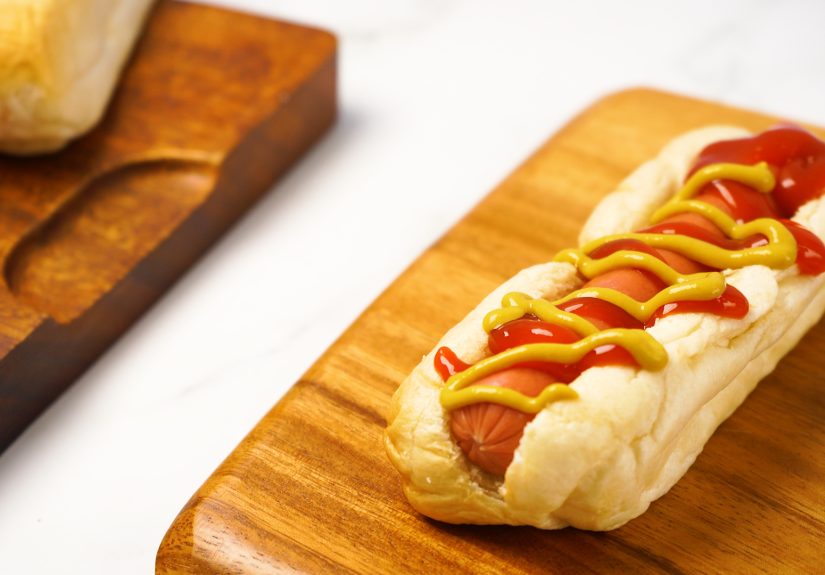
Once your bun is warm and flexible, add the hot dog right away. Then add toppings. A classic serving order is to place condiments on the hot dog rather than directly onto the bun. Wet condiments such as mustard, chili, or sauce usually go first, followed by chunky toppings like onions, relish, sauerkraut, or pickles. Cheese and spices can finish the masterpiece.
Serving immediately keeps the bun at its best. A hot dog bun has a short golden window: warm, soft, fragrant, and ready to support greatness. Miss that window, and it may cool, toughen, or absorb too much moisture from toppings.
Best Method for Different Situations
Best for One Hot Dog: Microwave
The microwave method is fast, clean, and nearly foolproof when you use a lightly damp towel. It is perfect for lunch, late-night snacks, or the noble “I do not want to wash a pot” meal.
Best for a Family Dinner: Stovetop Steamer
A pot with a steamer basket gives reliable results and lets you steam multiple buns evenly. It also keeps the buns from getting toasted or dry.
Best for a Backyard Cookout: Foil Packet on the Grill
If the grill is already hot, a foil packet is convenient. Use indirect heat and a light touch with moisture. This method keeps the cook outside, where the smoke, sunshine, and unsolicited grilling opinions belong.
Best for Hot Dog Stand Texture: Covered Steam Basket
For that soft, chewy, street-vendor-style bun, use a covered steamer basket over simmering water. Steam briefly and serve fast.
How Long Should You Steam Hot Dog Buns?
Most hot dog buns need less time than people think. In a microwave, start with 10 to 15 seconds for one bun. On the stovetop, 30 to 60 seconds is usually enough. On the grill in foil, one to two minutes is a good starting range. Dense buns, brioche buns, or slightly stale buns may need a little more time.
The real test is touch. The bun should feel warm, soft, and flexible. If it feels wet, sticky, or fragile, reduce the moisture or time next round. If it still feels cool or stiff, add a few more seconds.
How to Keep Steamed Buns from Getting Soggy
Soggy buns usually come from three things: too much water, too much time, or too much waiting. Use less moisture than you think you need. Keep the buns above the water, not in it. Steam right before serving. Also, be careful with watery toppings. Relish, sauerkraut, chopped tomatoes, and chili can all soak into the bun if they sit too long.
One smart trick is to put the hot dog in the bun first, then add toppings along the top of the hot dog. The hot dog acts as a barrier, slowing moisture from reaching the bread. It also makes the hot dog easier to eat, which is important unless your goal is to wear chili like a cardigan.
Can You Steam Frozen Hot Dog Buns?
Yes, but thawing first gives better results. Frozen buns can steam unevenly, with the outside becoming wet before the inside warms. For best texture, let frozen buns thaw at room temperature in their packaging, then steam them briefly. If you are in a hurry, microwave a frozen bun wrapped in a damp towel at short intervals, checking every 10 seconds.
Do not steam frozen buns directly over aggressive boiling water for too long. They may turn gummy before they become pleasantly warm. Gentle heat wins.
Can You Steam Gluten-Free or Whole Wheat Hot Dog Buns?
Yes, but they need extra care. Gluten-free buns can be more fragile and may become gummy if over-steamed. Use the microwave method with a barely damp towel and very short heating times. Whole wheat buns are often denser, so they may need slightly more time, but they can also dry out if overheated.
For specialty buns, start gently. You can always add more heat, but you cannot un-sog a bun once it has crossed the line.
Food Safety Tips for Hot Dogs and Buns
Hot dog buns themselves are generally low-risk compared with cooked meat, but the whole meal still needs safe handling. Keep cooked hot dogs hot if they are being held for serving, and refrigerate leftovers within two hours. If the weather is very hot, especially above 90°F, shorten that window to about one hour. Store leftover hot dogs separately from buns when possible so the bread does not absorb moisture in the refrigerator.
Also, avoid reusing towels or surfaces that touched raw meat or unwashed produce. Use clean tongs for buns. If you are serving a crowd, keep toppings chilled until serving time, especially dairy-based toppings or mayonnaise-style sauces.
Flavor Upgrades After Steaming
Steamed buns are delicious on their own, but you can take them further. Brush the outside with melted butter and lightly toast them for a richer flavor. Sprinkle poppy seeds on buttered buns for a Chicago-inspired touch. Rub the inside with a tiny bit of garlic butter for sausages or bratwurst. For spicy hot dogs, try a thin layer of chipotle mayo or jalapeño relish on top of the dog rather than directly on the bread.
If you love texture, steam first and toast second. Steaming softens the bun; toasting adds structure. This combination works especially well for loaded hot dogs because the bun stays tender but has enough strength to hold toppings.
Experience Notes: What Actually Works Best in a Real Kitchen
After testing different bun-steaming approaches in everyday cooking situations, the biggest lesson is that the simplest method is often the best. The microwave method wins for speed, especially when making one or two hot dogs. A damp paper towel, properly wrung out, creates enough steam to soften the bun without making it wet. The key is restraint. When the towel feels like it could drip, it is too wet. When the bun is wrapped tightly like a burrito, it may trap too much moisture. A loose wrap works better.
The stovetop method feels more classic and gives a slightly better texture when you are making several hot dogs. The buns warm evenly and develop that soft, flexible feel associated with hot dog carts. However, timing matters. Many people assume bread needs a minute or two over steam, but some soft supermarket buns need only 30 seconds. Longer steaming may be useful for thicker bakery buns, but standard buns can become sticky if left too long under the lid.
For cookouts, the foil packet method is surprisingly useful. It solves the common problem of grilled buns drying out. Direct grilling can be delicious, but it creates a crisp bun rather than a steamed one. That is fine for some sausages, but for a classic hot dog, a soft bun often feels more balanced. A lightly damp towel inside foil creates enough humidity to warm the buns while the hot dogs finish cooking. The packet should sit on indirect heat, not directly over flames. If the bottom of the bun gets hard or toasted too quickly, the grill is too hot.
The hot-dog-in-bag trick is convenient but best used carefully. It works when the hot dogs are freshly cooked and the buns are still in their original bag. The heat gently warms the bread, and the enclosed space traps just enough moisture. But the method is not ideal for long holding, and toppings should wait until after the buns have softened. Add chili, relish, or sauerkraut too early, and the bun may absorb liquid before anyone gets a bite.
Another experience-based tip: split the bun gently before steaming if it is stiff, but do not force it open all the way. A cold bun can tear. A steamed bun opens more easily, so it is better to let heat do some of the work. If using tongs, handle the bun from the sides rather than pinching the split. Bread is not a stress ball.
For loaded hot dogs, steaming the bun and then briefly toasting the outer sides gives the best structure. This works especially well with chili dogs or slaw dogs. The inside remains soft, while the outside gets a little strength. New England-style buns are excellent for this because their flat sides toast beautifully. Standard side-split buns can still work, but they need a gentler touch.
The final lesson is to serve quickly. A steamed bun is at its peak for only a few minutes. Make the hot dogs first, steam the buns last, assemble, dress, and serve. That order prevents the bread from cooling or getting soggy. In the hierarchy of hot dog happiness, timing is right up there with mustard, napkins, and not dropping the first one on the patio.
Conclusion
Learning how to steam a hot dog bun is one of those tiny kitchen skills that makes a surprisingly big difference. You are not changing the entire meal; you are improving the part that touches every bite. A warm, soft bun makes the hot dog taste fresher, holds toppings better, and gives the whole plate that cookout-stand charm.
For the fastest result, use a microwave and a damp towel. For the most classic texture, use a stovetop steamer. For outdoor cooking, use a foil packet on indirect grill heat. Whichever method you choose, remember the golden rule: steam briefly, avoid excess water, and serve immediately. Your hot dog bun should support the star of the show, not dissolve under pressure like it just got asked to explain cryptocurrency at a family picnic.
Note: This web-ready article is written in original standard American English and is based on practical cooking guidance, food-safety principles, and real hot dog bun preparation methods.