Table of Contents >> Show >> Hide
- Why Sideburns Matter When Growing Out Your Hair
- The Main Rule: Trim the Sideburns, Not the Dream
- Tools You Need to Trim Sideburns at Home
- Before You Trim: Prepare Your Hair and Face
- How to Choose the Right Sideburn Length
- Step-by-Step: How to Trim Sideburns When You're Growing Out Your Hair
- How Often Should You Trim Sideburns While Growing Hair Out?
- Sideburn Shapes That Work Best During the Grow-Out Stage
- Common Mistakes to Avoid
- How to Trim Sideburns with a Beard
- How to Trim Sideburns Without a Beard
- What to Ask Your Barber During the Grow-Out Process
- How to Make Growing-Out Hair Look Better Between Trims
- Personal Experience: Lessons from the Sideburn Grow-Out Battle
- Conclusion
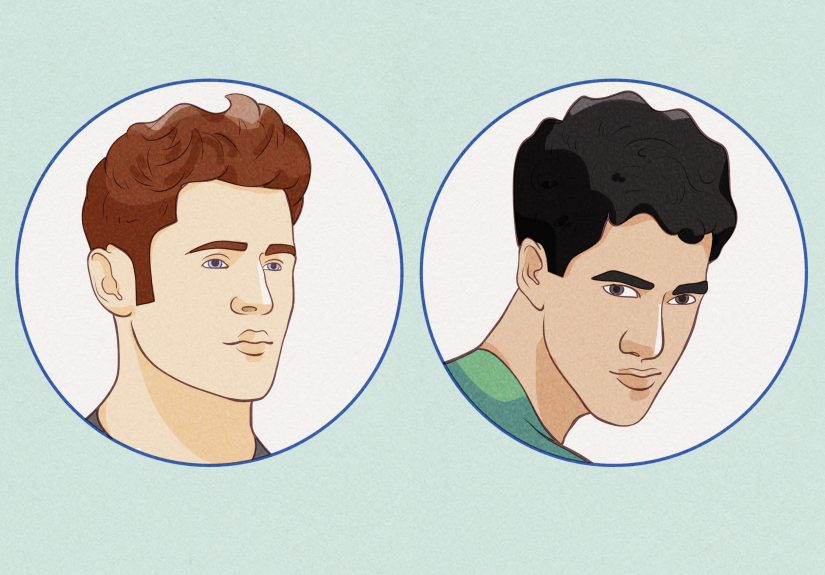
Growing out your hair sounds simple until your sideburns start behaving like two tiny hedges with personal ambitions. The hair on top may be flowing toward a glorious shoulder-length future, but the area around your ears often reaches “confused woodland creature” status much sooner. That is why learning how to trim sideburns when you’re growing out your hair is one of the most useful grooming skills you can master.
The goal is not to cut your hair short. The goal is to keep the edges clean while the rest of your hair gains length. Think of it as landscaping during a renovation. You are not demolishing the house; you are just making sure the front yard does not scare visitors.
Sideburns sit in a tricky middle zone between your haircut and facial hair. When they are neat, they help frame your face, balance your hairstyle, and make the growing-out stage look intentional. When they are ignored, they can make even healthy hair look messy, bulky, or unfinished. The good news? You do not need barber-level magic. With the right tools, a steady hand, and a little patience, you can trim your sideburns at home without ruining your long-hair journey.
Why Sideburns Matter When Growing Out Your Hair
When people grow out their hair, they often focus only on length. They measure the top, the back, and maybe the bangs. Sideburns, meanwhile, are left to do whatever they want. Unfortunately, they usually choose chaos.
As your hair grows, the sides near your ears can become bulky faster than the rest of your style. This is especially noticeable if you previously had a fade, undercut, taper, pixie cut, short crop, or any haircut with tight sides. The top may be growing in nicely, but the sideburns can puff outward, curl forward, or create an uneven shadow along your cheeks.
Clean sideburns help your haircut look maintained even when you are between major trims. They also prevent that awkward “I am growing my hair out, but I may also have given up on mirrors” look. A small touch-up around the ears and sideburn area can make the difference between stylish transition and accidental cave explorer.
The Main Rule: Trim the Sideburns, Not the Dream
The biggest mistake people make during the hair-growing process is overcorrecting. One day the sideburns look too bushy, and suddenly half the side hair is gone. That is not a trim; that is a plot twist.
When trimming sideburns while growing out hair, your goal is controlled maintenance. You are cleaning the outline, reducing bulk, and blending the sideburn into the rest of your hair. You are not creating a fresh fade unless that is part of your style. If you remove too much from the sides, the top and back may look disconnected, and the growing-out process can feel like it has gone backward.
Use the “less is better” approach. You can always take off more. You cannot glue sideburns back on, unless your beauty routine has entered a theatrical costume department.
Tools You Need to Trim Sideburns at Home
You do not need a professional barber station, but you do need tools that give you control. Dull scissors, kitchen shears, or a mystery trimmer from the back of a drawer can create uneven lines and regret. Use clean, sharp grooming tools designed for hair.
Essential tools
- A beard trimmer or hair clipper with guards: Guards help prevent cutting too short by accident.
- Small grooming scissors: Useful for snipping stray hairs and softening edges.
- A fine-tooth comb: Helps guide the hair and reveal uneven spots.
- A handheld mirror: Helpful for checking both sides and the area around the ears.
- Good lighting: Bathroom shadows are not your friend.
- A razor or detail trimmer: Optional, but useful for cleaning the lower edge.
If you are nervous, start with a longer guard than you think you need. For example, if you believe a number 2 guard is right, begin with a number 3 or 4. This gives you room to adjust without instantly creating a bald patch shaped like a punctuation mark.
Before You Trim: Prepare Your Hair and Face
Preparation is half the haircut. Before trimming, wash or dampen your sideburn area and comb the hair downward in its natural direction. Hair that is clean and lightly damp is easier to control, and combing reveals the true length.
Do not soak your hair completely unless you understand how much it shrinks when dry. Wet hair can appear longer and flatter, which may trick you into cutting too much. A light mist of water is usually enough.
Also, trim in front of a mirror at eye level. Looking down into a sink mirror or trimming in poor lighting can make your sideburns uneven. And yes, uneven sideburns are noticeable. Maybe not from space, but definitely from across a dinner table.
How to Choose the Right Sideburn Length
Sideburn length depends on your face shape, hairstyle, facial hair, and personal style. When you are growing out your hair, the safest choice is usually a natural sideburn that ends somewhere between the middle of the ear and the bottom of the earlobe.
Short sideburns
Short sideburns end around the middle of the ear. They look clean and modern, but they can appear too sharp if the rest of your hair is becoming longer and softer. Avoid cutting above the middle of the ear unless you are intentionally going for a very short, crisp style.
Medium sideburns
Medium sideburns end near the lower part of the ear or around the earlobe. This is the most balanced option for many people growing out their hair. It keeps the sides tidy without making them look detached from longer layers.
Long sideburns
Long sideburns extend below the earlobe toward the jaw. They can look stylish with longer hair, waves, curls, or beards, but they require more shaping. If they get too wide or dense, they may pull attention away from the haircut and toward the cheeks.
A simple rule: the longer and fuller your hairstyle becomes, the softer your sideburn transition should be. A harsh, squared-off sideburn can look great with a short haircut, but it may seem too severe next to growing hair with movement and texture.
Step-by-Step: How to Trim Sideburns When You’re Growing Out Your Hair
Step 1: Comb everything into place
Start by combing your sideburns downward. Then comb the hair around your temples and ears in the direction it naturally falls. This helps separate the sideburn hair from the longer hair you are trying to grow.
If some longer strands from the top are hanging over the sideburn area, clip them back or tuck them behind your ear. You want to trim only the sideburn zone, not the future mane you have been patiently cultivating.
Step 2: Decide where the sideburn should end
Look straight into the mirror with your head level. Choose an endpoint on one side, usually around the lower ear or earlobe. Then match the other side to that point. Do not use your ears as the only guide because many people have ears that sit slightly differently. Instead, compare the sideburns to each other and to your facial features.
A helpful trick is to place your index fingers at the bottom of each sideburn and check whether they appear level in the mirror. It may feel silly, but it works. Grooming often involves looking ridiculous for thirty seconds so you can look normal for the rest of the week.
Step 3: Trim the lower edge first
Use a trimmer without pressing hard into the skin. Create a soft horizontal or slightly angled lower edge at your chosen length. If you want a natural look, avoid making the line too sharp. If you prefer a polished style, use a detail trimmer or razor to define the edge more clearly.
For most people growing out their hair, a slightly softened edge looks better than a razor-sharp block. It blends more naturally with longer hair and avoids the “freshly stamped onto my face” effect.
Step 4: Reduce bulk with a longer guard
Attach a longer guard to your trimmer and lightly run it over the sideburn from bottom to top or in the direction that removes bulk evenly. Start longer than you think you need. The goal is to make the sideburn lie flatter, not disappear.
If your hair is thick, coarse, or curly, trim slowly and check the shape after each pass. Curly sideburns can spring back after trimming, so it is easy to take off too much. For curls and waves, scissors-over-comb may be safer than aggressive clipper work.
Step 5: Blend into the hair above the ear
This is the most important step for anyone growing out hair. The sideburn should not look like a separate island. Use a longer guard, comb, or scissors to soften the transition between the sideburn and the longer hair around the temple.
Do not cut deeply into the hair above the ear unless it is extremely bulky. Instead, remove only the fuzzy edges and heavy spots. Your goal is a smooth transition from facial hair area to hairstyle area.
Step 6: Clean around the ear carefully
Hair around the ear can make growing hair look messy even if the rest is healthy. Use grooming scissors or a detail trimmer to remove only the hairs that stick out awkwardly over the ear. Avoid cutting a high arch around the ear unless you are maintaining a shorter style.
For longer hair, a natural outline is usually better. You want the hair to grow past the ears eventually, so do not keep carving the area too tightly every week.
Step 7: Compare both sides before finishing
After trimming, step back from the mirror. Do not inspect your face from two inches away like a detective solving a sideburn crime. Stand at normal conversation distance and compare the overall shape. If one side looks heavier, make small adjustments.
Take your time. Most sideburn disasters happen when people rush the second side to match the first. Trim a little, check, then trim again if needed.
How Often Should You Trim Sideburns While Growing Hair Out?
Most people can clean up their sideburns every one to three weeks, depending on hair growth speed, texture, and style. If your sideburns grow quickly or become fluffy fast, a light weekly cleanup may help. If your hair grows slowly or you prefer a more relaxed look, every two or three weeks is enough.
The key is not to keep recutting the same growing sections. If you trim too much around the ears every few days, you may delay the moment when your hair finally grows past the awkward stage. Touch up the outline, but let the length develop.
Sideburn Shapes That Work Best During the Grow-Out Stage
The natural taper
A natural taper is ideal for people growing out short hair. It keeps the lower sideburn neat while allowing the upper area to blend into longer hair. This shape works well for straight, wavy, and moderately curly hair.
The soft square
A soft square gives a clean bottom edge without looking too severe. It is a good choice if you want a professional appearance while still growing your hair longer. The trick is to square the bottom but soften the corners slightly.
The blended sideburn
A blended sideburn gradually transitions from shorter facial hair into longer temple hair. This is especially useful if you have a beard, stubble, or thick hair. It looks intentional and reduces the bulky “triangle” that can appear near the ears.
The longer vintage sideburn
Longer sideburns can pair well with shaggy hair, layered cuts, and retro styles. However, they need shape. Keep them narrow enough to frame the face rather than taking over the entire cheek. Unless you are aiming for full rock-star energy, in which case, carry on proudly.
Common Mistakes to Avoid
Cutting too high
Cutting sideburns above the middle of the ear can look awkward, especially when the rest of your hair is getting longer. It may create a gap between your hairstyle and your face.
Making the lines too sharp
Sharp sideburns can look stylish with a fresh fade, but they may clash with longer, softer hair. When growing hair out, a slightly natural edge usually ages better between trims.
Ignoring your hair texture
Straight hair may show uneven lines quickly. Wavy hair may need soft blending. Curly hair can shrink after trimming. Coarse hair may require thinning rather than shortening. Treat your hair like its own personality, because frankly, it has one.
Trimming when tired or rushed
Sideburn trimming requires symmetry. Do it when you have a few quiet minutes, not three minutes before leaving for work. Panic grooming rarely leads to greatness.
Using no guard
A bare trimmer can remove hair very quickly. Unless you are only cleaning the lower edge, use a guard for bulk reduction. Guards are the seatbelts of home grooming.
How to Trim Sideburns with a Beard
If you have a beard, your sideburns should connect smoothly into it. Avoid creating a hard break unless that is your chosen style. Use a longer guard near the top of the sideburn and gradually go shorter as you move down into the beard, or match the density of your facial hair for a natural transition.
For stubble, keep the sideburns slightly longer than the cheek area so they still connect visually to the hair on your head. For a full beard, focus on shaping the outside edge and removing puffiness. The sideburn should act like a bridge between haircut and beard, not a toll booth.
How to Trim Sideburns Without a Beard
If you are clean-shaven, sideburns become more noticeable because there is no beard to absorb the transition. Keep the bottom edge clean but not overly dramatic. A medium sideburn ending near the earlobe usually works well.
When shaving around the sideburns, use shaving cream or gel and shave with the direction of hair growth to reduce irritation. Avoid stretching the skin too tightly, and rinse the blade often. If you are prone to razor bumps, an electric trimmer may be gentler than a very close razor shave.
What to Ask Your Barber During the Grow-Out Process
Even if you trim your sideburns at home, occasional barber visits can help guide your hair into a better shape. Tell your barber that you are growing your hair out and do not want to lose meaningful length. Be specific: ask for a cleanup around the sideburns, ears, neckline, and ends, not a full reshaping unless needed.
You can say, “I’m growing my hair out, so please keep the length, but clean up the sideburns and reduce bulk around the ears.” Bringing a reference photo helps. Barbers are talented, but they are not mind readers with clippers.
How to Make Growing-Out Hair Look Better Between Trims
Sideburns are only one part of the awkward-stage puzzle. Use lightweight styling products to control the sides without making hair greasy. A small amount of cream, paste, or leave-in conditioner can help longer pieces lie down. For wavy or curly hair, a curl cream or light gel can reduce frizz around the ears.
You can also use accessories strategically. Hats, headbands, clips, and tucked styles can help during the most stubborn stages. Just avoid wearing tight hats constantly if they irritate your scalp or flatten your hair in strange directions.
Most importantly, be patient. Hair growth is gradual, and the sideburn area often looks weird before it looks good. That does not mean you are failing. It means you are in the middle of the process.
Personal Experience: Lessons from the Sideburn Grow-Out Battle
Anyone who has grown out short hair knows there is a phase where your sideburns seem to grow faster than your hopes. The top of your hair is slowly working toward something stylish, but the sideburns wake up every morning ready to audition for a 1970s detective show. This is the stage where many people panic and cut too much.
One of the most useful lessons is that sideburn trimming should be boring. That may sound disappointing, but boring is good. Exciting sideburn trimming usually means something went wrong. A successful trim is small, controlled, and almost invisible. People should notice that you look cleaner, not that your sideburns have entered a new architectural era.
A practical routine that works well is the “Sunday mirror check.” Once a week, look at your sideburns in normal lighting after washing and drying your hair. Do not trim automatically. Just check. Are the lower edges uneven? Are hairs sticking out over the ears? Is one side puffier than the other? If the answer is yes, do a tiny cleanup. If the answer is no, leave them alone. Sometimes the best grooming move is putting the trimmer down like it is a dangerous kitchen gadget.
Another experience-based tip: never trim sideburns immediately after wearing a hat all day. Hat-flattened hair lies. It may make one side look shorter, flatter, or more controlled than it really is. Wash, dampen, or at least comb your hair into its natural position before making decisions. Your sideburns deserve a fair trial.
If your hair is thick, the issue may not be length but weight. In that case, cutting the bottom edge shorter will not fix the puffiness near the ear. Instead, you need gentle blending or a small reduction in bulk. This is where a longer trimmer guard or scissors-over-comb technique helps. Removing a little density can make the sideburn area sit closer to the face while preserving the grow-out progress.
If your hair is curly, patience matters even more. Curly sideburns may look long when pulled straight but spring up after drying. Trim curls in their natural shape whenever possible, and take off less than you think. Curly hair has a talent for dramatic plot twists, especially around the ears.
For people growing out from a fade, the sideburn area can be especially awkward because the old haircut shape grows unevenly. The lower side may become thick while the upper section still looks disconnected. In that case, focus on blending rather than shortening. A barber can help transition the old fade into a softer shape without sacrificing the hair you are trying to grow.
There is also a psychological side to growing out hair. During the awkward stage, every mirror becomes suspicious. You may start believing your sideburns are the only thing anyone sees. They are not. Most people notice the overall impression: clean, messy, intentional, or neglected. A neat sideburn trim gives the impression that your hairstyle is going somewhere on purpose, even when the journey includes a few strange exits.
The best long-term approach is to create a maintenance plan. Trim the bottom edge lightly every couple of weeks, control bulk only when necessary, and avoid cutting into the growing hair above the ear. Take photos every month so you can see progress. Hair growth can feel painfully slow day to day, but photos prove that change is happening.
Finally, remember that growing out your hair is not about looking perfect every day. It is about managing the transition well enough that you do not give up halfway. Sideburns are small, but they have a big impact on how polished you look. Keep them neat, keep them balanced, and let the rest of your hair continue its heroic march toward length.
Conclusion
Learning how to trim sideburns when you’re growing out your hair is all about balance. You want enough grooming to look clean, but not so much cutting that you delay your progress. Start with clean, combed hair. Choose a natural length. Use a guarded trimmer or grooming scissors. Blend softly into the hair around your ears. Most of all, trim conservatively.
Sideburns may seem like a small detail, but they can make the entire grow-out stage look more intentional. Keep them tidy, avoid harsh lines, and resist the temptation to perform emergency surgery with clippers. Your future longer hairstyle will thank you. Probably not out loud, but you will know.
Note: This article is written for general grooming education and web publishing. If shaving or trimming causes persistent irritation, razor bumps, infection, or unusual skin changes, consider speaking with a licensed barber, dermatologist, or healthcare professional.