Table of Contents >> Show >> Hide
- Why LEGO Movie Recreations Work So Well
- Meet Brick Panda, the Digital Creator Behind the Tiny Cinematic Universe
- From Jurassic Park to Star Wars: Why the Scenes Feel Instantly Familiar
- The Art Behind the Brick: Lighting, Scale, and Digital Editing
- What the 30 Pics Reveal About Pop Culture Nostalgia
- Why Fans Love LEGO Versions of Movies, TV Shows, and Games
- Specific Examples: What Makes These Recreated Worlds Stand Out
- What Creators Can Learn From Brick Panda’s LEGO Photography
- Experiences Related to Creating LEGO Movie, TV, and Game Scenes
- Conclusion
Note: This article is written as original, publication-ready web content based on verified public information about LEGO photography, toy art, and Brick Panda’s creative process. No source links are included in the article body by request.
Some artists need a warehouse full of lights, a crew with walkie-talkies, and a fog machine that sounds like a tired lawn mower. Brick Panda needs something much smaller: LEGO figures, a phone, Photoshop, desk lamps, a sharp eye, and the kind of imagination that looks at a tiny plastic pirate and says, “Yes, you are ready for your close-up.”
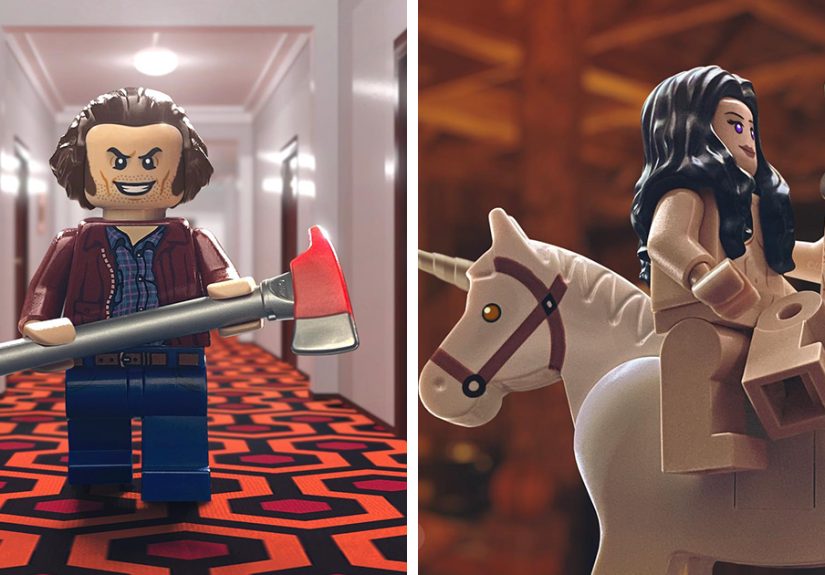
The result is a wildly charming collection of LEGO recreations inspired by popular movies, TV shows, and video games. These scenes do not simply copy famous moments. They remix them into miniature worlds where blocky hands hold dramatic weapons, tiny faces carry surprisingly big emotions, and pop culture becomes funny, nostalgic, and oddly cinematic all at once.
What makes the project so addictive is the contrast. LEGO minifigures are simple by design, but Brick Panda uses lighting, composition, digital editing, and clever posing to make them feel expressive. A Jurassic Park scene suddenly becomes both suspenseful and adorable. A Lord of the Rings moment still feels epic, even when the heroes are only a few centimeters tall. The Matrix, Star Wars, Pirates of the Caribbean, and other familiar universes become bite-sized cinematic jokes with serious artistic craft hiding underneath.
Why LEGO Movie Recreations Work So Well
LEGO has always been a storytelling tool. The modern LEGO minifigure was introduced in 1978, and its purpose was simple but powerful: give life and roleplay to brick-built worlds. That design choice changed everything. A castle became a kingdom. A spaceship became an adventure. A police station became a miniature drama with doors, hats, vehicles, and at least one figure who was definitely late for work.
That same storytelling DNA explains why LEGO recreations of movie, TV show, and game scenes are so instantly satisfying. The audience already knows the emotional blueprint of the scene. We recognize the dinosaur threat, the wizard quest, the sci-fi duel, the pirate swagger, the fantasy battlefield, or the video game boss energy. When the artist compresses that memory into LEGO form, our brains fill in the rest.
In other words, Brick Panda does not need to rebuild every frame with museum-level accuracy. He needs to capture the silhouette, the mood, the pose, the color, and the joke. A tilted hat, a glowing sword effect, a dramatic shadow, or a perfectly placed background can do the heavy lifting. The viewer sees a tiny figure and instantly thinks, “I know this scene.” That moment of recognition is the magic trick.
Meet Brick Panda, the Digital Creator Behind the Tiny Cinematic Universe
Brick Panda is a Budapest-based digital creator known for recreating recognizable pop culture scenes with LEGO figures. His process is refreshingly approachable. Instead of relying on professional studio gear, he has shared that he often uses his phone, simple lighting, LEGO minifigures, and Photoshop to build the final image. That detail matters because it makes the work feel both impressive and encouraging.
Many people assume creative photography requires expensive equipment. Brick Panda’s work gently kicks that idea into a pile of spare bricks. The images are polished, yes, but the foundation is creativity: choosing the right character parts, arranging the scene, finding the camera angle, shaping the light, and then using digital editing to add atmosphere. The gear helps, but the idea drives the bus.
A Phone, Desk Lamps, Photoshop, and Patience
According to the artist’s own comments in the original feature, one image can take around two to three hours to create. The process starts with a physical setup: selecting the minifigures, building or arranging the small environment, adjusting lights, and testing camera angles. Then comes post-production, where the final mood is sharpened through color correction, effects, background work, retouching, and sometimes even changes to facial expressions.
That workflow explains why the images feel more cinematic than a quick snapshot. A good LEGO recreation is not just “put figure on table, take picture, upload, become internet wizard.” It is closer to miniature filmmaking. The artist blocks the scene, lights the character, frames the drama, shoots the plate, and finishes the illusion in editing.
From Jurassic Park to Star Wars: Why the Scenes Feel Instantly Familiar
The original collection includes pop culture references such as Jurassic Park, The Lord of the Rings, Pirates of the Caribbean, The Matrix, and Star Wars. These choices are smart because they come with strong visual signatures. Jurassic Park has dinosaurs, danger, and jungle tension. The Lord of the Rings has cloaks, swords, mountains, and heroic exhaustion. Pirates of the Caribbean has swagger, ships, sand, and the energy of someone who has definitely lost a compass but refuses to admit it. The Matrix has sleek action and impossible motion. Star Wars has lightsabers, helmets, spaceships, and enough mythology to power a small moon.
These franchises also work because they are visual memory machines. People remember them in frames: a character running from danger, a hero standing against impossible odds, a villain emerging from smoke, a ship cutting through the horizon, or two figures facing off like the fate of the universe depends on one very dramatic pose. Brick Panda takes those memory frames and rebuilds them with plastic characters that somehow still carry the original energy.
The Humor of Serious Scenes Made Tiny
A major part of the appeal is humor. LEGO figures are adorable even when they are trying to be intense. Give a minifigure a sword, a serious hat, and a moody background, and it still looks like it might pause the battle to ask where its other hand went. This contrast creates a playful viewing experience. The scene is recognizable, but the material is funny. The drama is real, but the actors are tiny. The stakes are high, but everyone has a cylindrical head.
That humor never cheapens the art. In fact, it makes the images more shareable. Viewers enjoy the craft, but they also enjoy the wink. Brick Panda respects the original scenes while letting LEGO do what LEGO does best: turn imagination into something touchable, modular, and a little bit ridiculous in the best possible way.
The Art Behind the Brick: Lighting, Scale, and Digital Editing
Great toy photography depends on control. Full-size film sets are chaotic. Miniature sets are also chaotic, but the chaos is smaller and easier to lose under a couch. Every detail matters: the figure’s pose, the angle of the head, the surface texture, the direction of light, the background blur, and the color temperature.
Brick Panda’s work shows a strong understanding of scale. LEGO figures are small, so the camera must make them feel larger than life. Low angles help. Close framing helps. Backgrounds help. A desk lamp can become a sunset. A piece of paper can become a wall. A little smoke, blur, glow, or digital effect can turn a tabletop into a battlefield, spaceship corridor, jungle, castle, or supernatural portal.
Forced Perspective Makes Small Things Feel Big
Forced perspective is one of the oldest tricks in visual storytelling, and it works beautifully with LEGO photography. By placing a minifigure close to the camera and arranging the background at the right distance, an artist can make the toy appear to belong in a much larger world. The technique has been used in film, photography, and miniature art for decades. In LEGO scenes, it helps a figure feel heroic rather than toy-sized.
For example, a tiny character positioned close to the lens can appear to stand before a massive landscape. A real outdoor texture can become alien terrain. A small puddle can become an ocean. A strip of kitchen foil can become futuristic metal. This is the part of the creative process where ordinary household objects begin applying for acting credits.
Lighting Turns Plastic Into Cinema
Lighting is the difference between “toy on a table” and “movie poster in miniature.” Directional lighting creates shadows. Backlighting creates drama. Warm light can suggest fire, sunset, or torchlight. Cool light can suggest moonlight, technology, or danger. Because LEGO figures have glossy surfaces, light also creates tiny highlights that make them feel alive on camera.
Brick Panda’s use of everyday lighting is especially inspiring. It proves that mood does not always require a studio kit. A lamp, a phone flashlight, a small LED, or light bouncing off a white surface can produce strong results when used carefully. The secret is not owning every tool. The secret is understanding what the light is doing.
Photoshop Adds the Final Layer of Magic
Post-production is where the final illusion often comes together. Photoshop can enhance colors, remove unwanted supports, add backgrounds, create glow effects, sharpen details, alter facial expressions, and blend miniature elements into a more cinematic composition. Used well, editing does not replace the physical build; it completes it.
That balance is important. Brick Panda’s scenes work because they still feel grounded in real objects. The viewer can sense the LEGO figures, the bricks, the props, and the handmade setup. The digital work adds polish without destroying the tactile charm. It is not just computer magic. It is a collaboration between plastic, camera, light, and imagination.
What the 30 Pics Reveal About Pop Culture Nostalgia
A 30-picture gallery like this is more than a fun internet scroll. It is a small map of shared pop culture memory. The chosen scenes are popular because they have lived in viewers’ minds for years. Movies, TV shows, and games become cultural shortcuts. A single costume, pose, prop, or color palette can bring back an entire story.
That is why LEGO recreations are so effective. They reduce a scene to its most recognizable ingredients. If the image still works after being rebuilt with small plastic figures, then the original scene has a strong visual identity. In a strange way, LEGO becomes a test of icon status. If you can turn it into bricks and people still recognize it, the scene has officially entered pop culture legend.
Thirty Viewing Notes for a LEGO Scene Gallery
When looking through a gallery of LEGO movie, TV, and game recreations, pay attention to the small decisions. These are the details that usually separate a clever snapshot from a memorable miniature artwork:
- How the artist captures the main character’s pose.
- Whether the background suggests the original location.
- How lighting recreates the mood of the source scene.
- Whether color grading hints at the film or game’s atmosphere.
- How props are simplified without losing meaning.
- How much expression is created with a tiny printed face.
- Whether the scale feels believable.
- How shadows add drama.
- Whether the scene is funny, epic, or both.
- How the minifigure’s body language tells the story.
- Whether the image rewards fans who know the reference.
- How recognizable the scene remains without explanation.
- Whether the artist uses real textures as miniature environments.
- How digital effects support the physical setup.
- Whether the composition feels like a film still.
- How the camera angle makes the figure feel larger.
- Whether the image captures motion in a static frame.
- How the artist handles fantasy, sci-fi, or action elements.
- Whether the scene has a visual punchline.
- How the lighting separates the figure from the background.
- Whether the recreation feels affectionate rather than lazy.
- How the scene uses accessories like swords, hats, capes, or helmets.
- Whether the edit keeps the tactile LEGO charm intact.
- How the artist suggests danger without a full-size set.
- Whether the background blur feels cinematic.
- How well the image balances parody and tribute.
- Whether the viewer can identify the scene in one second.
- How the artist uses empty space.
- Whether the scene makes you want to rewatch the original.
- Whether it makes you want to grab a box of bricks and try your own version.
Why Fans Love LEGO Versions of Movies, TV Shows, and Games
Fans love this type of art because it feels participatory. A traditional movie still is something you watch. A LEGO recreation feels like something you could build, rearrange, photograph, remix, and share. It invites the viewer into the creative process.
That is also why LEGO has become such a strong medium for fan culture. LEGO Ideas allows fan creations to gather votes and potentially become official sets. Online communities such as BrickCentral help LEGO photographers share work, learn techniques, and participate in creative prompts. Across platforms, builders and photographers use bricks to celebrate everything from classic films to modern games.
There is also a nostalgia factor. Many adults grew up with LEGO. Many also grew up with the movies, shows, and games being referenced. Brick Panda’s work combines both memories. It is childhood play meeting adult fandom, with Photoshop politely holding the door open.
Specific Examples: What Makes These Recreated Worlds Stand Out
A Jurassic Park-inspired LEGO scene works because the contrast is irresistible. Dinosaurs are supposed to be terrifying. LEGO dinosaurs are terrifying only if you step on one barefoot at 2 a.m. Yet with the right angle and lighting, the danger returns. The toy becomes cinematic.
A Lord of the Rings-inspired scene benefits from scale and atmosphere. Fantasy depends on the feeling of a vast journey, but LEGO figures are tiny. That mismatch actually helps. When a small figure stands against a large background, the hero looks vulnerable, which fits the emotional tone of epic fantasy.
A Pirates of the Caribbean-inspired scene succeeds through costume and attitude. Pirate hats, coats, facial hair, bottles, treasure pieces, and sandy tones immediately signal the universe. Add a little comic timing, and the LEGO figure looks ready to negotiate, escape, betray, apologize, and steal the boat in the same afternoon.
The Matrix-inspired scenes are all about motion, color, and coolness. Recreating that with LEGO is hilarious because minifigures are not exactly famous for flexibility. Their arms swing. Their legs move. Their knees do not exist. And yet, with clever posing and effects, the scene can still evoke sleek action and digital-age style.
Star Wars-inspired images have perhaps the easiest path to recognition because the franchise is packed with iconic shapes: helmets, lightsabers, starships, robes, droids, and glowing weapons. But that also raises the challenge. Because fans know the visual language so well, the details have to feel right. Brick Panda’s approach shows how strong composition can make even a small setup feel galactic.
What Creators Can Learn From Brick Panda’s LEGO Photography
The biggest lesson is that constraints can be creative fuel. A LEGO figure cannot blink, bend naturally, or deliver a dramatic monologue. It has limited movement and a fixed expression. But those limitations force the artist to rely on composition, lighting, props, and editing. In many cases, the restriction makes the image stronger.
Another lesson is that recognizable art does not have to be overly complicated. A great recreation chooses the most important details and lets the audience complete the rest. That is smart visual communication. It respects the viewer’s memory.
Finally, Brick Panda’s work proves that playful art can still be serious craft. The images are fun, but they are not careless. The humor is supported by planning. The nostalgia is supported by technique. The tiny plastic actors may not demand dressing rooms, but they still need direction.
Experiences Related to Creating LEGO Movie, TV, and Game Scenes
Anyone who has tried to photograph LEGO figures knows the experience begins with confidence and quickly becomes a wrestling match against physics. At first, the plan seems simple: choose a scene, place a few minifigures, add a background, and take the picture. Then reality arrives wearing a tiny helmet. The figure falls over. The cape blocks the face. The sword refuses to point in the dramatic direction. A dust speck the size of a planet appears on the character’s forehead. Suddenly, the “simple” photo session becomes a full production.
That is part of the fun. LEGO photography slows you down. It forces you to think like a director, set designer, lighting technician, editor, and very patient parent of plastic actors. Recreating a famous movie or game scene teaches you to look closely at the original. What makes the scene recognizable? Is it the pose, the lighting, the costume, the color, the prop, or the angle? Once you identify the key ingredient, you can simplify everything else.
For example, if you were recreating a dramatic fantasy scene, you might not need a full mountain range. A rough stone, a smoky background, and a low camera angle could do the job. If you were recreating a space battle, you might not need an entire spaceship interior. A dark surface, a few glowing highlights, and a helmeted minifigure could suggest the universe. If you were recreating a video game scene, a recognizable color palette and one signature prop might be enough.
The most rewarding moment comes when the image finally clicks. The figure stands correctly. The light hits the face. The background falls into place. The tiny scene suddenly feels bigger than the table it was built on. That moment is addictive. It explains why so many creators keep returning to LEGO photography. Every brick is a possibility, every accessory is a clue, and every minifigure is waiting for its movie-star moment.
There is also a surprisingly social side to the experience. When people see a LEGO recreation, they do not just evaluate it technically. They react emotionally. They say, “I know that scene,” or “That was my favorite movie,” or “How did you make the lighting look like that?” The art becomes a conversation starter. It connects fans through shared references while also celebrating the joy of making something by hand.
And yes, there will be frustration. A tiny helmet will roll under the desk. A hand will pop off at the worst possible time. A carefully balanced prop will collapse seconds before the shot. But that is the charm of the process. LEGO photography is playful problem-solving. It rewards curiosity, patience, and a willingness to laugh when your epic battle scene is defeated by gravity.
Brick Panda’s work captures that spirit beautifully. It reminds us that creativity does not always begin with perfect tools. Sometimes it begins with a minifigure, a lamp, a phone, a favorite movie, and the irresistible question: “What if this scene were made of bricks?”
Conclusion
Brick Panda’s LEGO recreations prove that pop culture can be rebuilt at any scale. With a phone, simple lighting, clever editing, and a deep love for movies, TV shows, and games, the artist turns small plastic figures into scenes that feel funny, nostalgic, and cinematic. The project works because it respects both sides of the equation: the emotional power of the original scenes and the playful charm of LEGO.
For viewers, the gallery is pure fun. For creators, it is a reminder that imagination beats expensive gear more often than people think. A great image does not always need a giant studio. Sometimes it only needs a tiny actor, a dramatic shadow, and an artist who knows exactly where to place the brick.