Table of Contents >> Show >> Hide
- Who Is Karol Rybakowski?
- What Makes Realistic Tattoos So Impressive?
- The 55 Best Ones: What the Collection Shows
- Why Realistic Tattoos Are So Hard to Create
- How to Choose a Realistic Tattoo Artist
- What to Know Before Getting a Realistic Tattoo
- Why People Love Realistic Tattoos
- Experience: What Seeing Realistic Tattoos Up Close Teaches You
- Conclusion
- SEO Tags
Some tattoos whisper. Some tattoos shout. And then there are realistic tattoos so detailed they make your brain do a tiny software update: “Wait… is that ink, a photograph, or a portal?” That is the kind of reaction people often have when they see the work of Polish tattoo artist Karol Rybakowski, a realism specialist known for portraits, animals, cinematic scenes, and skin art that looks almost too crisp to be made by hand.
The title “Artist Makes Surprisingly Realistic Tattoos, And Here Are His 55 Best Ones” sounds like internet candy, but behind the scroll-stopping gallery is a serious craft. Realistic tattooing is not just about copying a photo onto skin. It requires drawing skill, knowledge of anatomy, color theory, contrast, machine control, patience, and the emotional stamina to stare at one cheekbone shadow for longer than most people stare at their tax forms.
Rybakowski’s work stands out because it brings together painterly technique and tattoo precision. His best pieces show why realistic tattoos have become one of the most admired styles in modern body art. They can turn a beloved pet into a lifelong memorial, transform a movie character into a dramatic sleeve, or capture a human face with the kind of depth that makes strangers stop mid-scroll and zoom in.
Who Is Karol Rybakowski?
Karol Rybakowski is a tattoo artist from Poland, associated with highly detailed realism and portrait tattooing. His work has been shared widely online because it delivers that rare “double take” effect: at first glance, many of his tattoos look like printed images placed on skin rather than ink built layer by layer.
He is especially known for portraits of people, animals, characters, and scenes that rely on dramatic lighting. Rather than leaning only on outlines, his tattoos use smooth gradients, careful highlights, and rich shadows. This is one reason the final result often feels three-dimensional. A dog’s nose looks wet. A face appears softly lit. A famous character seems to have wandered out of a movie poster and onto someone’s arm.
That kind of realism is difficult because skin is not paper. Skin moves, bends, heals, sweats, stretches, and ages. A great realistic tattoo artist must design for all of that. A face that looks perfect on a tablet can become strange if placed poorly on a curved shoulder or forearm. Rybakowski’s strongest tattoos show careful placement, smart contrast, and a painter’s understanding of how light creates emotion.
What Makes Realistic Tattoos So Impressive?
Realistic tattoos are designed to look true to life. Instead of bold cartoon lines or symbolic shapes, realism aims for depth, texture, and believable detail. The best realistic tattoos can resemble photographs, oil paintings, or high-resolution film stills. The goal is not always literal perfection, though. The goal is believability.
Think of a realistic portrait tattoo. The artist must understand the structure of the face: the curve of the nose, the weight of the eyelids, the softness around the mouth, and the way one tiny shadow can change an expression from “heroic” to “forgot where I parked.” Every millimeter matters. A slightly misplaced highlight in the eye can make a portrait feel less alive. A muddy shadow can flatten the whole piece.
Rybakowski’s tattoos often succeed because they create visual focus. The viewer’s eye knows where to look first. In portraits, that focal point is usually the eyes. In animal tattoos, it might be the shine on fur, the texture of a nose, or the alert expression that pet owners recognize immediately. In cinematic designs, it may be a dramatic contrast between light and dark, giving the piece a poster-like intensity.
The 55 Best Ones: What the Collection Shows
A gallery of 55 realistic tattoos is not just a collection of “cool ink.” It is a tour through what the realism style can do. The best pieces usually fall into a few memorable categories, and each one shows a different skill set.
1. Portrait Tattoos That Feel Alive
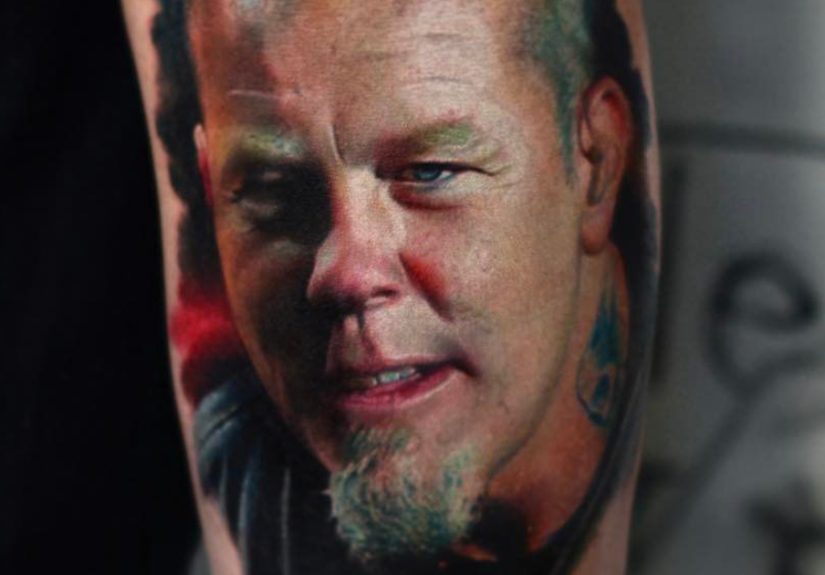
Portrait tattoos are the Olympic final of realism tattooing. They leave very little room for error. If the mouth is slightly off, the subject suddenly looks like their cousin. If the eyes lack depth, the entire tattoo can feel flat. Rybakowski’s portraits often use strong contrast, refined facial shading, and detailed eyes to create a sense of life.
Some of the most impressive portrait tattoos are not overly busy. They know when to let the skin breathe. A clean background, a sharply rendered face, and a few dramatic shadows can create more impact than a crowded design fighting for attention. In realism, restraint is not laziness. It is strategy wearing a very calm hat.
2. Pet Tattoos With Real Emotion
Pet tattoos are among the most meaningful realistic tattoos people request. A dog, cat, or other animal portrait is rarely “just a cute design.” It may represent loyalty, grief, joy, family, or the tiny creature that somehow owns the entire couch and everyone’s heart.
Realistic pet tattoos require texture control. Fur cannot look like a gray carpet. Eyes must have moisture and personality. A nose needs dimension. The artist must also capture expression, because pet owners know exactly how their animals look when they are happy, sleepy, suspicious, or plotting to steal chicken from the counter.
Rybakowski’s animal tattoos tend to work because they balance detail with softness. The fur looks touchable, the faces carry personality, and the final pieces feel personal rather than generic. That is the difference between “a dog tattoo” and “my dog is still with me.”
3. Movie-Inspired Tattoos With Cinematic Drama
Movie-inspired realistic tattoos are a perfect match for artists who understand light. Film stills already come with mood, contrast, and storytelling. A great tattoo artist can translate that drama onto skin without making the piece look like a blurry screenshot from a television that has seen better days.
In these tattoos, composition matters. A face may be paired with smoke, color effects, a symbolic object, or a sharp background element. The trick is to make the design feel complete without overcrowding it. Realistic tattoos often age better when the major shapes remain readable from a distance and the tiny details provide reward up close.
4. Color Realism That Pops Without Screaming
Color realism is especially challenging because skin tone affects how color appears. Pigments also heal differently depending on placement, aftercare, and the client’s skin. A bright color that looks electric on day one may settle more softly after healing. The artist must plan for the healed tattoo, not just the fresh photo.
Rybakowski’s color pieces often use contrast to keep the image vivid. Strong darks make bright areas brighter. Warm and cool tones help create depth. A face can look more dimensional when the artist understands not only “skin color,” but also reflected light, undertones, and shadow temperature.
5. Black-and-Gray Realism With Depth
Black-and-gray realism has its own magic. Without color, the artist relies on value: the range from light to dark. This style can feel timeless, elegant, and dramatic. It is also less forgiving than it looks. If the values are too close together, the tattoo may look flat. If the contrast is too harsh, soft features can appear stiff.
The best black-and-gray realistic tattoos use smooth transitions and deliberate negative space. A bright highlight is often not white ink at all; it may simply be untouched skin surrounded by darker shading. That is one of tattooing’s great little tricks: sometimes the most powerful part of the design is the part the artist does not tattoo.
Why Realistic Tattoos Are So Hard to Create
Realistic tattooing demands several skills at once. First, the artist must be able to draw. Second, the artist must understand tattoo equipment. Third, the artist must know how ink behaves in skin. Fourth, the artist must predict how the tattoo will heal. This is not a beginner-friendly style. It is the kind of work that says, “I have practiced for years, and my coffee has seen things.”
Unlike digital art, tattooing does not come with an undo button. If a shadow becomes too dark, the artist cannot simply erase it. If a line is placed in the wrong spot, the skin remembers. Realistic tattoos also take time. Large pieces may require long sessions or multiple appointments. Both artist and client need patience, because rushing realism is like microwaving a wedding cake: technically possible, spiritually questionable.
Another challenge is scale. Tiny realistic portraits are difficult because details need room. A large tattoo can hold more information and age better. That is why experienced artists often recommend giving realistic designs enough space. A portrait squeezed into a tiny area may look impressive at first, but over time, the details can soften and merge.
How to Choose a Realistic Tattoo Artist
If Rybakowski’s work inspires you to get a realistic tattoo, the first step is not picking the coolest photo on your phone. The first step is choosing the right artist. Realism is specialized. A fantastic traditional tattoo artist may not be the best person for a photorealistic portrait, just as a brilliant sushi chef may not be the person you ask to rebuild your transmission.
Look carefully at healed work, not only fresh tattoos. Fresh tattoos often look bold and glossy because the skin is newly worked and photographed under perfect lighting. Healed tattoos show the truth. They reveal whether the contrast holds, whether the details remain readable, and whether the artist understands long-term design.
Study the artist’s portfolio for consistency. One great tattoo is exciting; twenty great tattoos are evidence. Pay attention to eyes, hands, hair, fur, and smooth gradients. These areas separate strong realism artists from artists who are still developing the style.
It is also important to choose a licensed studio that follows proper sanitation practices. Tattoos break the skin, so safety matters as much as style. Clean equipment, sterile needles, reputable inks, and clear aftercare instructions are not optional extras. They are the foundation of a good tattoo experience.
What to Know Before Getting a Realistic Tattoo
Before booking a realistic tattoo, gather high-quality reference images. Blurry photos make weak references. If you want a pet portrait, use a clear image with good lighting and visible eyes. If you want a family portrait, choose a photo that captures the person’s personality, not just their face. A technically clear photo with no emotion can produce a technically accurate tattoo that still feels oddly empty.
Be open to the artist’s advice. A good realism artist may suggest changing the size, placement, contrast, or crop of your design. That does not mean they are being difficult. It usually means they are trying to make the tattoo work on a living, moving body instead of a flat screen.
Placement matters, too. Arms, thighs, backs, and calves often give realistic tattoos enough space. Areas with lots of movement or thin skin can be trickier. Your artist can help decide where the design will look best and age most gracefully.
Finally, prepare for aftercare. A realistic tattoo depends on smooth healing. Follow the artist’s instructions, keep the tattoo clean, avoid picking at flakes, protect it from sun, and do not treat fresh ink like it is ready for a beach vacation. A new tattoo needs care, not a cannonball into a swimming pool.
Why People Love Realistic Tattoos
People are drawn to realistic tattoos because they feel personal and powerful. A realistic portrait can honor someone loved. A pet tattoo can preserve a bond. A movie-inspired tattoo can represent a story that shaped someone’s imagination. A realistic animal, flower, or symbolic object can say something deeply personal without using a single word.
Rybakowski’s 55 best tattoos are impressive not only because they look real, but because they show how much emotion can live inside technical skill. Realism is not cold copying. At its best, it is interpretation. The artist chooses what to sharpen, what to soften, where to add contrast, and how to guide the eye. The result can feel more vivid than the original reference.
That is the secret sauce of the best realistic tattoos. They do not simply reproduce images. They translate memory, admiration, humor, fandom, grief, and identity into permanent visual art. And yes, they also make people say, “No way that’s a tattoo,” which is a perfectly respectable bonus.
Experience: What Seeing Realistic Tattoos Up Close Teaches You
Seeing realistic tattoos online is exciting, but seeing them in person is a different experience. A photo can show the design, but it cannot fully capture how the tattoo moves with the body. When someone turns their arm and a portrait shifts naturally with the muscle, the illusion becomes even more impressive. It reminds you that tattooing is not just image-making. It is image-making on a living surface.
One of the first things you notice up close is texture. Online, a realistic tattoo may look like a smooth photo. In person, you can see the artist’s control in the soft transitions, the packed blacks, the tiny highlights, and the way skin tone becomes part of the final image. A realistic dog portrait, for example, may use hundreds of tiny tonal decisions to make the fur look soft. The viewer may not consciously notice each one, but together they create the “wow” effect.
Another experience related to realistic tattoos is the consultation process. People often arrive with a favorite image and a clear emotional reason for wanting it. Maybe it is a grandfather’s portrait, a childhood pet, a scene from a movie that helped them through a rough year, or a symbolic animal that represents strength. The artist’s job is partly technical and partly human. They must understand what the image means before turning it into a design that will last.
There is also a lesson in patience. Realistic tattoos are not fast-food body art. They require stillness, trust, and endurance. Long sessions can be uncomfortable, especially when the artist is building layers of shading. But clients often describe the result as worth it because the finished piece carries emotional weight. The discomfort becomes part of the story, like a dramatic behind-the-scenes documentary, except the soundtrack is mostly buzzing.
Aftercare is another major part of the experience. A fresh realistic tattoo can look stunning right away, but the true result appears after healing. During that time, the client has responsibility. Keeping the tattoo clean, avoiding sun exposure, resisting the urge to scratch, and following aftercare instructions all help protect the detail. A beautiful tattoo is a collaboration: the artist creates it, and the client helps it heal.
Perhaps the biggest takeaway from realistic tattoo art is respect. It is easy to scroll through 55 incredible tattoos in a few minutes, tap “like,” and move on. But each piece represents hours of design, years of practice, physical endurance, and a client’s personal story. Karol Rybakowski’s realistic tattoos remind us that body art can be technically astonishing and emotionally intimate at the same time. They are proof that ink can do more than decorate skin. It can preserve a face, honor a memory, celebrate a passion, and turn the human body into a gallery that walks, laughs, ages, and tells stories without saying a word.
Conclusion
Karol Rybakowski’s surprisingly realistic tattoos show why realism remains one of the most fascinating styles in modern tattoo culture. His best pieces combine portrait accuracy, painterly shading, emotional storytelling, and technical discipline. Whether the subject is a beloved pet, a famous face, a cinematic scene, or an expressive animal, the result often feels less like a tattoo and more like a carefully placed window into another moment.
For anyone considering a realistic tattoo, the lesson is simple: choose your artist carefully, respect the process, give the design enough room, and take aftercare seriously. A great realistic tattoo is not just about looking amazing on day one. It is about staying powerful, readable, and meaningful for years. When done well, realism tattooing becomes more than ink. It becomes memory with shading, emotion with highlights, and art that travels everywhere you do.
Note: This article is written as original, publication-ready web content based on real publicly available information about Karol Rybakowski, realism tattooing, tattoo safety, and modern tattoo artistry.