Table of Contents >> Show >> Hide
- First, what does “dry scalp” look like on a baby?
- Common causes of baby dry scalp
- A quick “what am I looking at?” checklist
- At-home treatments that usually work (and don’t start drama)
- What to avoid (because baby scalps are not DIY sanding projects)
- When a doctor may recommend stronger treatment
- How long does baby dry scalp last?
- FAQ parents actually ask (usually at 2:17 a.m.)
- of real-world experiences: what caregivers commonly notice
- Conclusion
Baby heads are basically tiny heat-seeking cuddle magnets. So when you spot flakes on that sweet little scalp, it’s normal to panic for about 12 seconds… and then Google yourself into a full-body sweat. Let’s save you from the rabbit hole.
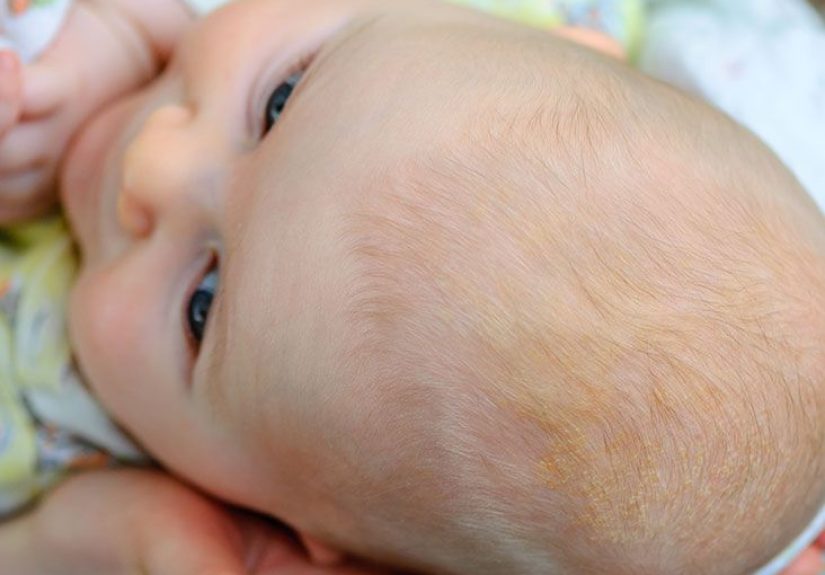
A baby’s dry, flaky scalp is usually harmless and commonespecially in the first year. The most frequent culprit is cradle cap (infant seborrheic dermatitis), but plain dry skin, eczema, irritation from products, and (less often) infections can also be behind the flakes. The good news: most cases improve with gentle, boring care. (Boring is underrated in parenting.)
First, what does “dry scalp” look like on a baby?
Parents use “dry scalp” to describe a bunch of different things, including:
- White flakes that look like dandruff
- Yellowish, greasy scales or crusts (classic cradle cap)
- Red patches, irritation, or rough, itchy areas (often eczema)
- Thicker plaques, oozing, or tender spots (possible infection or a less common condition)
Common causes of baby dry scalp
1) Cradle cap (infant seborrheic dermatitis)
Cradle cap is the MVP of baby scalp flakes. It often shows up as thick white or yellow scales, sometimes a little greasy, usually on the scalpbut it can also appear around the eyebrows, behind the ears, or in skin folds. It’s not contagious, it’s not caused by poor hygiene, and it doesn’t mean you’re “doing baths wrong.”
The exact cause isn’t fully pinned down, but it’s commonly associated with overactive oil glands and normal skin yeast that can contribute to scaling. In most babies, it improves on its own over weeks to months.
2) Plain dry skin (especially with frequent washing or dry air)
Sometimes the scalp is simply dryparticularly during colder months, in air-conditioned homes, or if baby is getting lots of soapy baths (even gentle soap can dry skin when used too often). Dry skin flakes tend to be finer and less greasy than cradle cap.
3) Baby eczema (atopic dermatitis) involving the scalp
If the scalp looks dry and inflamed, itchy, or the baby also has dry patches elsewhere (cheeks, arms, legs), eczema may be part of the story. Eczema often comes with more redness and irritation than cradle cap. Some babies rub their head on your shoulder like they’re trying to sand down the itch (poor things).
4) Irritation or contact dermatitis (products, fragrances, detergents)
Babies have skin that reacts faster than a group chat. Fragranced shampoos, essential oils, harsh detergents, or “natural” products with botanical extracts can sometimes irritate the scalp. This can lead to redness, dryness, and flaking.
5) Less common causes (but good to know)
- Fungal infection (tinea capitis): can cause scaling plus hair breakage, bald patches, or swollen lymph nodes. Needs a clinician.
- Psoriasis: can cause thicker, well-defined plaques with scale. Less common in infants, but possible.
- Bacterial infection: may cause crusting, oozing, tenderness, or “honey-colored” crusts. Needs prompt care.
A quick “what am I looking at?” checklist
If it’s probably cradle cap…
- Thick white/yellow scale or crust
- May look greasy, but often not very itchy
- Baby seems unbothered
- May show up on eyebrows/behind ears
If it’s probably dry skin…
- Fine white flakes
- No major redness
- Often worse with dry air or frequent washing
- Improves quickly with gentler bathing and light moisturizing
If it may be eczema…
- Redness + dryness + rough texture
- Seems itchy (rubbing head, fussiness during flare)
- Dry patches elsewhere on the body
- May come and go in “flares”
Red flags that deserve a pediatrician call
- Oozing, weeping, pus bumps, bleeding, or increasing tenderness
- Spreading rash with significant redness
- Fever or baby seems ill (especially in young infants)
- Bald patches, broken hairs, or swollen lymph nodes
- Severe itching or baby can’t sleep because of it
- No improvement after 1–2 weeks of gentle home care
At-home treatments that usually work (and don’t start drama)
Step 1: Wash gently, not aggressively
For most babies with flaky scalp, start with a mild, fragrance-free baby shampoo. You don’t need to “strip” the scalpthink of it like cleaning a blueberry off a stuffed animal: calm, patient, and with minimal force.
- Use lukewarm water.
- Use a small amount of gentle shampoo.
- Rinse well (leftover product can irritate skin).
- Pat drydon’t scrub-dry.
Step 2: Loosen scales with the soften-and-lift method
If the scale is thick (classic cradle cap), softening it before shampooing helps it release without turning the bath into a wrestling match.
- Apply a small amount of mineral oil or petroleum jelly to the scaly areas.
- Let it sit for several minutes (or longer if advised by your clinician).
- Gently massage with your fingertips.
- Use a soft baby brush or fine-tooth comb to lift loosened flakes (no picking).
- Shampoo and rinse thoroughly to remove the oil.
Important: leaving oil on the scalp can sometimes make cradle cap worseso rinse well. Also, skip food oils unless your pediatrician suggests otherwise.
Step 3: Brush like you’re polishing a peach
A soft brush (or a clean, soft toothbrush dedicated to baby care) can help lift flakes after washing. The goal is to loosen what’s already loosenot to scrape skin.
Step 4: Moisturize smartly (especially for dry skin or eczema)
If dryness is the main issueor eczema is suspectedmoisture and barrier support matter. Look for fragrance-free, dye-free products. Thick creams or ointments generally work better than thin lotions.
- Moisturize right after bathing (within a few minutes) to lock in hydration.
- Avoid strongly scented products, essential oils, and “tingly” formulas.
- If eczema is present, follow your clinician’s plan (some babies need prescription anti-inflammatory treatment during flares).
Step 5: Adjust the environment
- Dry air? Consider a cool-mist humidifier (clean it regularly).
- Overheating? Keep baby comfortably cool; sweating can irritate skin.
- Detergents? Switch to fragrance-free detergent and avoid fabric softeners if irritation is suspected.
What to avoid (because baby scalps are not DIY sanding projects)
- Picking or scratching: increases irritation and infection risk.
- Harsh anti-dandruff shampoos without guidance: many aren’t meant for infants unless specifically recommended.
- Strongly fragranced or essential-oil products: “natural” doesn’t always mean gentle.
- Over-washing with soap: can dry skin further; use cleansers sparingly.
When a doctor may recommend stronger treatment
If cradle cap is stubborn, widespread, inflamed, or looks infected, a pediatrician may suggest:
- Antifungal cream in some cases (yeast can play a role in scaling)
- Low-potency topical steroid for a short period if there’s significant inflammation
- Medicated shampoo in select cases (used carefully and as directed)
If the scalp findings point toward eczema, clinicians often focus on moisturization + anti-inflammatory treatment during flares. If a fungal infection (like tinea capitis) is suspected, babies typically need medical evaluation and specific therapy.
How long does baby dry scalp last?
- Cradle cap: often improves over weeks to months and typically clears within the first year.
- Dry skin: may improve within days to a couple of weeks once irritants are removed and moisture is restored.
- Eczema: tends to flare and calm; management is about control, not a one-time “fix.”
FAQ parents actually ask (usually at 2:17 a.m.)
Is cradle cap a sign I’m not bathing my baby enough?
No. Cradle cap is common and not a cleanliness issue. You can’t scrub it away like pancake batter on a pangentle care works better.
Can cradle cap cause hair loss?
Some babies lose a little hair where scales were thick or where brushing happens. It usually grows back. If you see bald patches or broken hairs, call your pediatrician to rule out other causes.
Does baby dry scalp mean allergies?
Not usually. Sometimes eczema is associated with allergic conditions, but flakes alone are far more often cradle cap or dryness. If there are other symptoms (wheezing, persistent rash, feeding issues), talk to your clinician.
of real-world experiences: what caregivers commonly notice
Let’s talk about what this looks like in actual homeswhere the lighting is bad, the baby is squirmy, and everyone’s running on “coffee and hope.”
The “snow globe” phase
Many parents first notice flakes during cuddlestiny white specks on a dark onesie that make it look like your baby just came from a festive holiday photo shoot. In this stage, caregivers often find that switching to a fragrance-free shampoo, rinsing well, and reducing soap use helps within a week or two. It’s the classic “less is more” moment: fewer products, gentler baths, better skin.
The “why is it yellow?” moment
Cradle cap can look greasy or yellowish, and that appearance is what freaks people out. Parents commonly report the soften-and-lift method works best when they keep expectations realistic: you’re not removing every scale in one bath. A routineoil or petroleum jelly briefly, gentle brushing, then shampoo tends to gradually thin the buildup. The biggest “aha” is that rinsing matters. If oil is left behind, the scalp can look worse the next day, leading to unnecessary panic.
The “I picked it and now I regret everything” lesson
It’s almost universal: someone picks at a stubborn crust (because it’s right there), the skin looks irritated afterward, and suddenly the internet is yelling about infections. Caregivers often learn quickly that gentle brushing beats picking, and trimming baby’s nails can prevent accidental scratching. If irritation happens, many parents find that backing off for a day or twogentle cleansing only, minimal frictionhelps calm things down.
The eczema curveball
Some families assume cradle cap, try brushing for weeks, and then realize the scalp is red, itchy, and baby has dry patches elsewhere. In those cases, parents often describe a turning point when they focus on barrier care: thick, fragrance-free moisturizers and fewer triggers (hot water, scented products, scratchy hats). When a clinician confirms eczema and provides a plansometimes including a short course of anti-inflammatory medicine families often notice improvement in sleep and mood first, because itch relief changes everything.
When it wasn’t cradle cap
A smaller group of caregivers share that they sought help because the scalp had oozing, tenderness, or bald patches. Getting seen early was key. The practical takeaway: if the scalp looks infected, the baby seems uncomfortable, or the pattern doesn’t fit the “common and harmless” picture, you’re not overreacting by calling the pediatricianyou’re being efficient.
Bottom line from lived experience: the best results come from consistent, gentle care and a low threshold for asking a professional when something seems off. Your goal isn’t a perfect scalp by tomorrow morning. It’s a comfortable baby and a calmer you.
Conclusion
Baby dry scalp is usually caused by cradle cap or simple dryness, and most cases respond well to gentle washing, soft brushing, and careful moisturizing. If you see redness, oozing, pus, significant itch, bald patches, or your baby seems unwellor if home care isn’t helpingcheck in with your pediatrician. The scalp will calm down, the flakes will fade, and you can go back to more important things… like wondering where all the socks go.