Table of Contents >> Show >> Hide
- What Is the Barn & Willow Belgian Flax Linen Cascade Roman Shade?
- Material, Color, and Construction: Why This Shade Feels Upscale
- Why Designers Love Linen Roman Shades in White
- Best Rooms for the Optic White Cascade Roman Shade
- Light Filtering, Privacy, and Lining Options
- Inside Mount or Outside Mount?
- Installation and Maintenance
- Is It Worth the Price?
- Pros and Cons
- Who Should Buy This Shade?
- The Experience of Living With It: A Longer, Real-World Style Take
- Final Verdict
Note: Clean HTML body content only. Written in standard American English and ready for web publishing.
Some window treatments whisper. Some shout. And some walk into a room like they own the place while still being annoyingly polite about it. The Barn & Willow Belgian Flax Linen Cascade Roman Shade – Optic White lands in that last category. It is crisp without feeling cold, tailored without looking uptight, and relaxed in the way only linen can be. In other words, it manages the rare interior-design trick of making a space feel finished without making the rest of your room feel underdressed.
If you are shopping for a custom Roman shade, this one checks many of the boxes people actually care about: a soft but structured cascade profile, real Belgian flax linen, a bright white color that plays well with almost anything, and customization options for lining, mount, and sizing. It is also the kind of shade that appeals to homeowners who want something elevated but not fussy. Think less “Victorian aunt with twelve tassels” and more “designer kitchen that somehow still feels livable.”
This guide takes a closer look at what makes the shade stand out, where it works best, how it compares to other window treatments, what you should know before ordering, and whether it is actually worth the investment. Spoiler: if you love texture, clean folds, and a room that glows instead of glares, you are already halfway sold.
What Is the Barn & Willow Belgian Flax Linen Cascade Roman Shade?
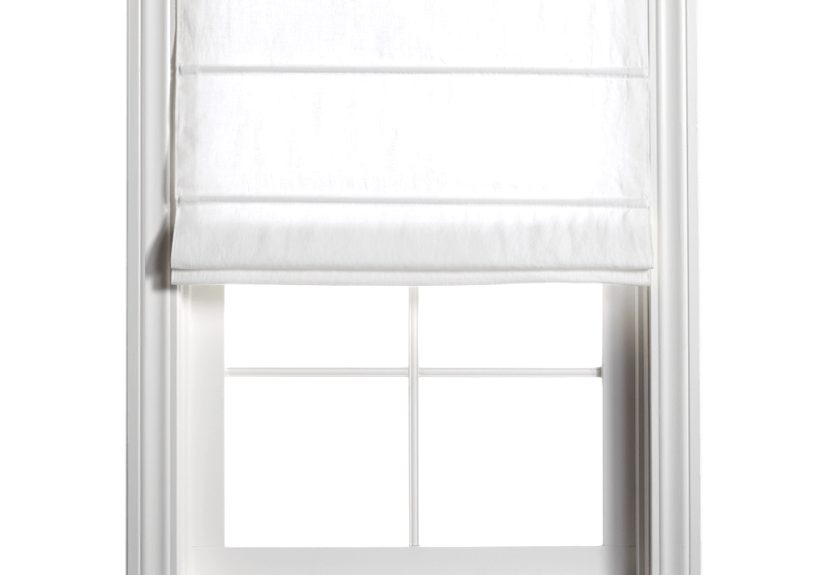
At its core, this is a custom Roman shade made in Belgian flax linen and offered in Optic White, a bright, versatile white that works across classic, coastal, farmhouse, Scandinavian, and modern-traditional spaces. The “cascade” part matters because it speaks to the silhouette. Unlike a completely flat shade, a cascade Roman shade is designed to create more structured folds and a cleaner stack when raised. That gives it a polished look that feels intentional instead of improvised.
That structure is one of the biggest reasons people choose a cascade style over looser or more relaxed Roman shades. A relaxed Roman shade can be charming, but it reads softer and more casual. A cascade Roman shade gives you those lovely fabric folds while keeping the overall look neat. It is the interior-design equivalent of linen pants with real tailoring: still breezy, still comfortable, but definitely not pajama-adjacent.
The Barn & Willow version also leans into premium material choices. Belgian flax linen has long been associated with breathable texture, visual depth, and that slightly organic, lived-in finish designers adore. In a Roman shade, that texture matters because the fabric is not just hanging there looking pretty. It is folding, stacking, filtering light, and becoming part of the architecture of the room.
Material, Color, and Construction: Why This Shade Feels Upscale
The strongest selling point here is the fabric. Barn & Willow positions this shade as a 100% Belgian Flax Linen Roman shade, and that matters for both appearance and performance. Linen has a natural texture that softens hard lines in a room. White paint, tile, stone countertops, and black metal fixtures can all look a little severe on their own. Add an optic-white linen Roman shade, and suddenly the room feels warmer, calmer, and more layered.
Optic White is also a smart color choice. Some whites lean creamy, some skew gray, and some can look almost blue under cool lighting. “Optic White” suggests a cleaner, brighter white that is especially useful if you want your window treatment to feel fresh and tailored. It is ideal for people who want a white Roman shade that looks intentional rather than dingy or off. In a room with lots of natural light, this shade can help bounce brightness around without looking sterile.
Construction matters just as much as fabric, and this is where the cascade style earns its keep. A structured Roman shade should fold cleanly, stack neatly, and look composed whether it is fully lowered, halfway up, or completely raised. That is the whole point. If you are spending money on custom window treatments, you do not want a shade that only looks good in one position. You want one that behaves itself all day long, even before coffee.
Another helpful detail is the availability of multiple lining options. Depending on how you configure the shade, you can typically choose from unlined, privacy, blackout, or interlining options. That means the same basic shade can be adapted for a sunny breakfast nook, a light-sensitive bedroom, or a living room where you want glow without exposure. Translation: you are not just buying a pretty face. You are buying a flexible tool for light control.
Why Designers Love Linen Roman Shades in White
There is a reason white linen Roman shades show up in so many design magazines and home tours. They are one of the easiest ways to make a room look thoughtful. Roman shades bring softness like drapery, but they take up far less visual space. Linen adds texture, but it does not fight with patterned wallpaper, wood beams, stone counters, or colorful upholstery. White keeps things light, but the woven texture prevents the result from feeling flat.
In practical design terms, a shade like this works because it solves several problems at once. It gives you privacy. It helps manage glare. It introduces a natural material. And it creates a tailored vertical line at the window that makes a room feel more finished. That is a lot of work for one piece of fabric, frankly, and it deserves a little applause.
It is especially effective in spaces where you want a softer alternative to blinds. Blinds can read sharp, mechanical, or a little office-adjacent. A linen Roman shade feels warmer and more residential. It also tends to photograph beautifully, which is not the most important thing in life, but if you have ever rearranged a throw pillow for a social media post, you know it is not nothing.
Best Rooms for the Optic White Cascade Roman Shade
Kitchens
This shade is a natural fit for kitchens, especially ones with white cabinetry, warm woods, brass hardware, or black accents. The optic-white color keeps the room bright, while the linen texture prevents an all-white kitchen from feeling too glossy or flat. A Roman shade also takes up less room than full drapery, which is useful near sinks, counters, and breakfast nooks.
Bedrooms
In bedrooms, the appeal is all about softness and control. Linen makes the room feel calm, while the cascade fold adds tailored order. Choose privacy or blackout lining if you want better sleep conditions. If your room already includes upholstered furniture, layered bedding, and soft paint colors, this shade fits right in.
Bathrooms
A white linen Roman shade can look stunning in a bathroom, particularly in spaces that lean classic or spa-inspired. That said, bathroom suitability depends on humidity, ventilation, and how much moisture the fabric will face. In a well-ventilated powder room, it can be gorgeous. In a tiny steam-heavy bathroom that behaves like a sauna with opinions, caution is smarter.
Living Rooms and Dining Rooms
This is where the cascade style really shines. The structured folds feel formal enough for entertaining areas, but the linen keeps the look approachable. If you want a room to feel elegant without tipping into “please don’t touch anything,” this is a strong choice.
Light Filtering, Privacy, and Lining Options
One of the biggest factors in choosing a custom Roman shade is not color or fabric. It is how the shade handles light. Barn & Willow gives you multiple routes here, and your best choice depends on how you actually use the room.
Unlined or lighter options are best if your goal is a soft glow. These preserve that airy linen look and are especially appealing in kitchens, breakfast rooms, sunrooms, and anywhere you want the light to feel diffused rather than blocked.
Privacy lining is the middle-ground hero. It lets in daylight while helping shield the room from outside eyes. For many homeowners, this is the sweet spot. You get softness, modesty, and a flexible amount of natural light without turning the room into a cave.
Blackout lining is the practical choice for bedrooms, nurseries, media rooms, or any place where glare and early morning sunlight are unwelcome guests. It also tends to create a more structured look in the folds, which some people prefer visually.
Interlining steps things up further by adding body and a more substantial feel. If you love a luxurious, fuller shade and want help with insulation or sound softening, interlining is worth considering.
The key takeaway is simple: do not choose your lining based on romance alone. Yes, linen is pretty. But your west-facing guest room with direct afternoon sun has its own agenda. Let the room tell you what it needs.
Inside Mount or Outside Mount?
Barn & Willow notes that inside mount works best for a clean, minimalist look and generally requires about 2 inches of window-frame depth. If your trim is deep enough and you want the shade tucked neatly within the frame, inside mount is an excellent choice. It looks tailored, architectural, and restrained.
Outside mount, on the other hand, can make the window feel larger and more traditional. It is often the better route if your window depth is limited, your trim is awkward, or you want better light coverage at the edges. It can also visually elevate the room when mounted higher above the frame, especially in bedrooms and living spaces.
There is no universal winner here. Inside mount feels crisp. Outside mount feels a little more decorative and forgiving. The right answer depends on your window construction, your light-control goals, and whether you enjoy measuring things once or three times while muttering dramatically.
Installation and Maintenance
Custom shades are less intimidating when the basics are handled well, and Barn & Willow states that the necessary hardware is included with its shades. That is a helpful detail because nobody enjoys discovering a missing bracket halfway through a Saturday project.
As for care, the brand indicates that dry cleaning is recommended. That is standard for many linen window treatments and not exactly shocking. Linen is beautiful, but it is not begging to be tossed into a hot wash cycle with gym socks and a rogue red towel. Treat it like the grown-up textile it is.
For day-to-day maintenance, regular dusting or light vacuuming with a brush attachment should help keep the shade looking fresh. In lighter colors like Optic White, routine upkeep matters because bright fabric will show grime faster than darker neutrals. On the plus side, white also makes dust easier to notice before it becomes a full personality trait.
Is It Worth the Price?
If you are comparing this shade to inexpensive ready-made blinds, the answer depends on your expectations. If you just need basic coverage and do not care about fabric, fold quality, customization, or overall room feel, a budget option will always cost less. But it will also usually look like a budget option.
The Barn & Willow Belgian Flax Linen Cascade Roman Shade is better judged against other custom linen Roman shades. In that company, its appeal is clearer. You are paying for material quality, customization, elevated style, and a more tailored final look. That can be especially worthwhile in highly visible rooms where window treatments function almost like furniture.
Cost also becomes easier to justify when you consider how much visual territory a window treatment occupies. A poorly chosen shade can flatten a room. A well-chosen one can pull the entire palette together. That is not magic. It is just very expensive fabric behaving productively.
Pros and Cons
Pros
Real Belgian flax linen gives the shade authentic texture and a more elevated appearance. The Optic White color is bright, timeless, and easy to style. The cascade design offers a structured, designer-friendly fold. Lining options make the shade adaptable to many rooms. And the custom format allows for a more polished fit than off-the-shelf alternatives.
Cons
Linen requires more thoughtful care than synthetic materials. White shades can show dirt sooner than darker tones. The price will be higher than mass-market blinds. And because this is a custom product, measuring mistakes can become very expensive geometry.
Who Should Buy This Shade?
This shade is a strong match for homeowners who want custom white Roman shades with real texture, soft light control, and a polished look. It is especially appealing for fans of modern farmhouse, coastal, organic modern, traditional, and quiet-luxury interiors. If you love warm whites, natural materials, and rooms that feel airy but finished, this is very much your lane.
It may not be the best fit if you want something ultra-low-maintenance, super budget-friendly, or highly casual. Likewise, if your style leans industrial, colorful, or boldly patterned, you might prefer a darker fabric, a print, or a more graphic window treatment.
The Experience of Living With It: A Longer, Real-World Style Take
Here is where this shade becomes more than a product listing. On paper, the Barn & Willow Belgian Flax Linen Cascade Roman Shade in Optic White is a custom window treatment with premium linen, multiple lining options, and a structured fold. In real life, the experience is more emotional than that. It changes how a room feels at different times of day, and that is ultimately why people fall for linen Roman shades in the first place.
In the morning, Optic White tends to make light feel gentler. Sunlight does not slam into the room; it arrives with manners. In a kitchen, that can make everyday routines feel calmer and cleaner. Coffee tastes exactly the same, of course, but somehow the room looks like it has its life together. That is the power of a good window treatment. It can make you feel marginally more competent than you really are, which is generous.
By midday, the linen texture starts doing subtle visual work. Solid white synthetic shades can sometimes look flat or overly stark when the sun is strong. Linen does not. It has tiny irregularities and depth, so the fabric catches light in a softer, more forgiving way. The result is a shade that still looks bright without looking harsh. If your room includes wood floors, painted cabinets, plaster walls, or woven accents, that texture helps the whole space feel layered rather than one-note.
In the afternoon, the cascade fold earns its spotlight. Raised halfway, the shade still looks composed. Fully down, it feels clean and elegant. Fully up, the stack looks orderly instead of floppy. That matters more than people expect. A lot of window treatments look nice in one position and mediocre in the other two. This style is appealing because it tends to stay attractive throughout the day, which is exactly what a visible, hardworking home element should do.
There is also a tactile, visual comfort to knowing your windows are dressed in a natural fiber. The room feels quieter, softer, and more considered. You may not say to yourself, “Ah yes, the Belgian flax is really supporting my emotional well-being today,” but on some level, your brain absolutely notices the difference between richly textured linen and a plastic-feeling substitute.
Then there is the maintenance reality. Living with an optic-white shade means you become slightly more observant. Dust? You notice it. Fingerprints from an overly enthusiastic helper? Also visible. But this is not necessarily a drawback. It just means the shade rewards people who like their home to feel tidy and intentional. And honestly, if you are ordering custom white linen shades, “chaotic grime enthusiast” probably was not your brand to begin with.
Over time, what many people appreciate most is how adaptable the shade feels. It does not lock you into one decorating style. Swap black hardware for brass, add a striped runner, repaint the walls warm greige, bring in cane chairs, or change your bedding from crisp white to soft blue. The shade still works. That versatility makes it easier to justify the price because you are not buying into a trend that expires the second social media decides avocado green is back.
In the end, the ownership experience is less about drama and more about consistency. The shade makes the room feel polished every day. It filters light beautifully, adds texture without clutter, and offers the kind of tailored softness that designers chase constantly. It is not flashy. It is better than flashy. It is dependable, beautiful, and quietly transformative, which is a very good personality for something hanging in your window.
Final Verdict
The Barn & Willow Belgian Flax Linen Cascade Roman Shade – Optic White is a smart, stylish choice for anyone who wants custom window treatments that look high-end but feel livable. Its biggest strengths are the authentic linen texture, clean white color, structured cascade folds, and flexible light-control options. It is the sort of product that can elevate a room without screaming for attention.
If you want a shade that feels airy, tailored, and timeless, this one makes a strong case for itself. It is especially compelling in rooms where you want softness and polish at the same time. Yes, it requires care. Yes, it costs more than a quick-fix blind. But if your goal is to create a room that feels brighter, calmer, and more thoughtfully designed, this Roman shade does exactly what a good custom window treatment should do: it makes the whole space look better, not just the window.