Table of Contents >> Show >> Hide
- What Are Bees?
- Top Bee Facts Everyone Should Know
- How Bees Pollinate Plants
- Where Bees Live
- Why Bees Matter to Ecosystems
- Common Threats to Bees
- How to Help Bees in Your Own Yard
- Fun Bee Facts That Sound Made Up But Are Real
- Bee Facts for Kids and Curious Adults
- My Personal Experience Observing Bees
- Conclusion
Bees are tiny, fuzzy, wing-powered overachievers. They do not ask for applause, they do not send invoices, and they definitely do not post motivational quotes on social media. Yet without them, our gardens, orchards, farms, forests, and grocery stores would look a lot less colorful. From blueberries and cherries to squash, almonds, wildflowers, and backyard tomatoes, bees help keep the plant world moving like the world’s smallest delivery fleet.
When most people hear the word “bee,” they picture a honey bee wearing yellow-and-black stripes and possibly guarding a jar of honey like a cartoon security officer. But the real world of bees is much bigger, stranger, and more fascinating. There are more than 20,000 known bee species worldwide, and about 4,000 native bee species in the United States alone. Some bees live in giant colonies. Many live alone. Some are metallic green. Some are tiny enough to make a grain of rice look large. Some make honey. Most do not. All of them, however, play an important role in nature.
This guide explores the most interesting bee facts, from how bees pollinate plants to why honey bees are not native to North America, how bee colonies work, what native bees do for ecosystems, and how everyday people can help protect these hardworking pollinators. Grab your imaginary beekeeper hat. We are entering the buzz zone.
What Are Bees?
Bees are insects in the order Hymenoptera, the same broad group that includes wasps and ants. Like other insects, bees have six legs, three main body parts, antennae, compound eyes, and wings. What makes bees special is their relationship with flowers. Bees collect nectar for energy and pollen for protein. In the process, pollen sticks to their bodies and gets moved from flower to flower, helping plants reproduce.
That simple transfer of pollen is one of the most important natural services on Earth. It allows flowering plants to produce fruits, seeds, and future generations of plants. Without pollination, many of the foods and wild landscapes we enjoy would shrink dramatically.
Bees Are Not Just Honey Bees
Honey bees get most of the spotlight because they live in large colonies, make honey, and are managed by beekeepers for crop pollination. But they are only one part of the bee universe. Native bees include bumble bees, carpenter bees, mason bees, leafcutter bees, sweat bees, mining bees, squash bees, and many more.
Many native bees are better suited than honey bees for certain plants. For example, bumble bees can perform buzz pollination, a vibrating technique that shakes pollen loose from flowers such as tomatoes and blueberries. Squash bees are highly specialized visitors of squash, pumpkin, and gourd flowers. In other words, bees are not a one-size-fits-all pollination crew. They are more like a specialized team, and every team member has a different job description.
Top Bee Facts Everyone Should Know
1. The United States Has About 4,000 Native Bee Species
One of the most surprising bee facts is that the United States is home to around 4,000 native bee species. These bees existed in North America long before European honey bees arrived. They range from tiny desert bees to large, fuzzy bumble bees. Some are black, some are striped, some are metallic blue or green, and some look so unlike the “classic bee” that you might mistake them for flies.
Native bees are incredibly important because they pollinate wild plants and crops. They help maintain plant diversity in forests, grasslands, deserts, wetlands, farms, and neighborhood gardens. Many native bees are also solitary, meaning each female builds and provisions her own nest instead of living in a large hive.
2. Honey Bees Are Not Native to North America
Honey bees are now deeply connected with American agriculture, but they originally came from Europe. European settlers brought them to North America in the 1600s. Today, managed honey bee colonies travel across the country to pollinate crops such as almonds, berries, melons, apples, cherries, and many vegetables.
This does not make honey bees “bad.” It simply means they are different from native bees. Honey bees are excellent commercial pollinators because their colonies can be moved in large numbers. Native bees, meanwhile, are essential for ecological balance and local plant communities. A healthy landscape has room for both managed honey bees and wild native bees.
3. Bees Help Pollinate a Huge Portion of Our Food
Many fruits, nuts, and vegetables depend on bees and other pollinators. Apples, blueberries, cherries, almonds, pumpkins, squash, cucumbers, cranberries, and melons all benefit from bee pollination. Some plants can still produce food without bees, but bee visits often improve yield, size, shape, and quality.
Think of bees as tiny quality-control inspectors with wings. They are not filling out paperwork, but they are helping flowers become better fruit. If you enjoy a crisp apple, a juicy melon, or a pumpkin pie that did not come from wishful thinking, bees probably helped somewhere along the way.
4. Most Bees Do Not Make Honey
Honey is delicious, golden, and unfairly good on biscuits. But most bee species do not make harvestable honey. Honey bees produce honey because their colonies survive winter by storing large amounts of food. Bumble bees make small amounts of honey-like nectar storage, but not enough for humans to collect. Solitary bees usually do not store honey at all.
This is an important distinction. The value of bees is not limited to honey. In fact, the biggest service bees provide is pollination. Honey is the sweet bonus track. Pollination is the main album.
5. A Honey Bee Colony Has Three Main Types of Bees
A honey bee colony is a highly organized society with three main castes: the queen, workers, and drones. The queen’s main role is laying eggs. Worker bees are female bees that perform most colony tasks, including cleaning cells, feeding larvae, building wax comb, guarding the hive, collecting nectar and pollen, and making honey. Drones are male bees whose main role is reproduction.
The colony works because thousands of individuals coordinate without a manager standing near the entrance with a clipboard. Chemical signals, movement, instinct, and environmental cues help guide the colony’s behavior. It is organized chaos, except the chaos somehow produces wax architecture, food storage, climate control, and baby bee daycare.
6. Bees Communicate Through Movement and Scent
Honey bees are famous for the waggle dance, a movement pattern that helps workers share information about food sources. A returning forager can communicate the direction and distance of nectar or pollen by dancing on the comb. Other bees read the dance and fly out to investigate.
Bees also use scent. Pheromones help regulate colony behavior, signal alarm, identify the queen, and organize group activity. To humans, a hive may sound like buzzing. To bees, it is a full communications network with fragrance, vibration, direction, and choreography. Basically, it is social media without the comment section.
How Bees Pollinate Plants
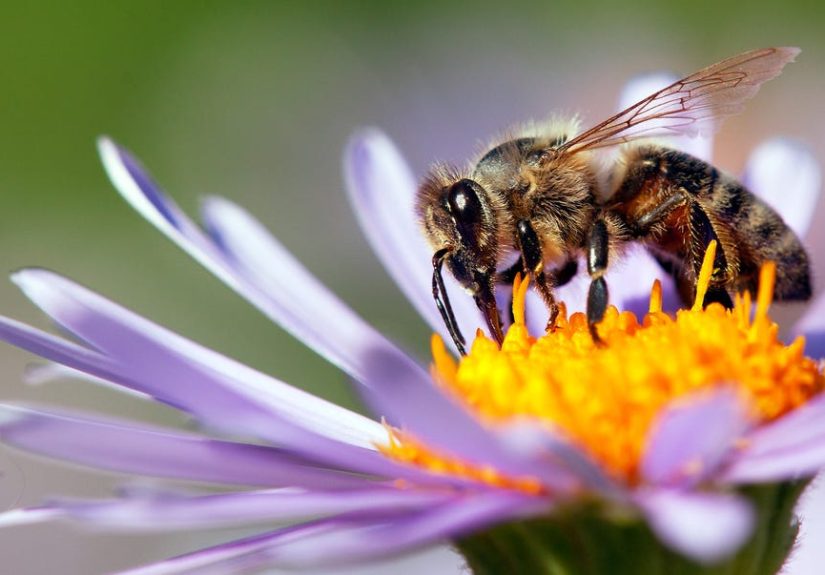
Pollination happens when pollen moves from the male part of a flower to the female part of a flower. Bees help because they visit flowers to collect nectar and pollen. As they move, pollen grains stick to their hairy bodies and legs. When they land on another flower of the same species, some pollen rubs off, allowing fertilization to happen.
Bees are especially effective pollinators because many species intentionally collect pollen. Their body hairs act like little pollen magnets, and some bees have special pollen-carrying structures on their legs or abdomens. The fuzzier the bee, the better it can accidentally become a flying pollen delivery service.
Buzz Pollination Is a Bee Superpower
Some flowers hold pollen tightly inside structures that do not release it easily. Bumble bees and certain other bees can vibrate their flight muscles to shake pollen loose. This is called buzz pollination, or sonication. Tomatoes, blueberries, and some other plants benefit from this technique.
Honey bees generally do not buzz-pollinate in the same way, which is why native bees and bumble bees can be especially important for certain crops and wildflowers. It is one more reminder that bee diversity matters. Different flowers need different visitors.
Where Bees Live
Not all bees live in hives. In fact, most bee species are solitary and nest in the ground, hollow stems, wood tunnels, or natural cavities. Many ground-nesting bees dig small tunnels in bare or lightly vegetated soil. Mason bees use holes in wood or hollow plant stems and seal their nests with mud. Leafcutter bees cut neat pieces of leaves to line their nests. Carpenter bees tunnel into wood.
Honey bees live in large colonies in cavities, managed hives, or sometimes wild nests. Bumble bees often nest in abandoned rodent burrows, grass clumps, or protected cavities. Each bee species has its own nesting preferences, which is why pollinator-friendly habitat should include flowers, bare soil, stems, shrubs, trees, and undisturbed spaces.
Bee Homes Can Be Surprisingly Simple
A perfect bee habitat does not need to look like a magazine garden. In fact, a slightly messy yard can be excellent for bees. Leaving some leaves, stems, dead wood, and bare soil can provide nesting sites. A yard that is too clean may look tidy to humans but feel like an empty hotel to native bees.
If your garden has a few wild edges, congratulations. You may already be running a tiny bee bed-and-breakfast.
Why Bees Matter to Ecosystems
Bees support more than farms and backyard gardens. They help maintain wild plant communities, which support birds, mammals, insects, and entire food webs. When bees pollinate wildflowers, shrubs, and trees, those plants can produce seeds, berries, nuts, and fruits. Other animals then depend on those foods and habitats.
In forests, meadows, prairies, deserts, and national parks, native bees help keep plant populations healthy and genetically diverse. Pollination allows plants to reproduce across space rather than relying only on self-pollination. That genetic mixing can make plant communities more resilient to disease, climate stress, and environmental change.
Common Threats to Bees
Bees face several major challenges. Habitat loss reduces the flowers and nesting places they need. Pesticide exposure can harm bees directly or weaken their ability to forage, navigate, or reproduce. Parasites and diseases, especially Varroa mites in honey bee colonies, can cause serious losses. Climate change can shift bloom times, alter habitats, and create mismatches between bees and flowers.
Another challenge is poor nutrition. Bees need diverse flowers that bloom across the growing season. A landscape with only one crop or a short burst of flowers may not provide enough food for the whole year. Bees need spring snacks, summer meals, and fall fuel. They are not asking for a five-course tasting menu, but a steady buffet helps.
Why Varroa Mites Are a Big Deal for Honey Bees
Varroa mites are external parasites that feed on honey bees and can spread harmful viruses. They are one of the biggest threats to managed honey bee colonies. Beekeepers monitor mite levels and use integrated management practices to reduce damage. Healthy honey bee colonies require careful attention, because a hive can look active on the outside while facing serious stress inside.
How to Help Bees in Your Own Yard
You do not need a farm, a beehive, or a dramatic nature-documentary voice to help bees. Small actions can make a real difference, especially when many people do them together.
Plant Native Flowers
Native plants are often excellent food sources for native bees because they evolved together over long periods. Choose a variety of flowers that bloom from early spring through late fall. Early flowers help queen bumble bees and emerging solitary bees. Summer flowers support peak activity. Fall flowers provide energy before winter.
Avoid Unnecessary Pesticides
Use pesticides only when truly needed, follow label directions, and avoid applying insecticides when bees are actively visiting flowers. Many gardeners can reduce pest problems by improving soil health, encouraging beneficial insects, choosing resistant plants, and tolerating minor cosmetic damage. A leaf with a few bite marks is not a disaster. It is nature’s version of texture.
Leave Nesting Habitat
Keep some bare soil, hollow stems, leaf litter, and dead wood where possible. Avoid covering every inch of ground with mulch or fabric. If you use bee hotels, choose designs that can be cleaned or replaced to reduce disease buildup. Bee hotels can help some cavity-nesting species, but natural habitat is usually better.
Provide Clean Water
Bees need water, especially honey bees. A shallow dish with stones, pebbles, or floating cork can give bees a safe place to land while drinking. Without landing spots, a water dish becomes less of a bee fountain and more of a tiny swimming pool with terrible reviews.
Fun Bee Facts That Sound Made Up But Are Real
Some bees sleep in flowers. Male solitary bees may rest on plant stems or inside blossoms overnight. Certain bees can recognize patterns and colors. Honey bees can regulate hive temperature by fanning their wings or clustering together. Worker honey bees produce wax from special glands and shape it into honeycomb. Honeycomb is famous for its hexagonal pattern, which is strong, efficient, and so neat it makes human storage closets look embarrassing.
Another fun fact: not all bees are aggressive. Most native bees are unlikely to sting unless handled or threatened. Many male bees cannot sting at all. Honey bees and bumble bees may defend their colonies, but solitary bees usually have no large hive to protect. The best rule is simple: admire bees, give them space, and do not swat them like you are auditioning for a slapstick comedy.
Bee Facts for Kids and Curious Adults
Bees are excellent subjects for children because they connect science, food, gardening, weather, and wildlife. A simple flower patch can become a living classroom. Kids can observe which flowers bees prefer, what colors attract them, how different bees move, and how weather changes bee activity.
Curious adults can enjoy the same activity without pretending it is only for children. Watching bees teaches patience. You begin to notice that bumble bees move differently from honey bees, tiny sweat bees can be jewel-like, and some flowers become busy airports while others remain quiet. Once you start noticing bees, the ordinary backyard becomes a miniature safari.
My Personal Experience Observing Bees
The first time I really paid attention to bees, I was not wearing a beekeeper suit or standing in a wildflower meadow with cinematic lighting. I was near a small garden, holding a cup of coffee, watching a bee work a flower with the seriousness of a tiny accountant during tax season. It landed, adjusted its legs, dipped into the bloom, backed out, cleaned its antennae, and moved to the next flower. Nothing about it looked random. The bee had a plan. I, on the other hand, had only coffee and vague intentions.
After that, I started noticing bees everywhere. A patch of clover in a lawn was not just clover anymore. It was a breakfast buffet for bumble bees. A row of basil flowers became a busy café for small native bees. Sunflowers turned into landing pads. Even dandelions, often treated like lawn criminals, suddenly looked useful. Early in the season, they can provide nectar and pollen when many other flowers are not yet blooming.
One of the most memorable experiences was watching different bees visit the same garden. Honey bees moved quickly and efficiently, like commuters with train schedules. Bumble bees were louder and rounder, bumping into flowers with charming confidence. Tiny metallic bees flashed green in the sunlight and disappeared so quickly that I had to look twice. The more I watched, the more obvious it became that “bee” is not one creature but a whole world of species with different shapes, habits, and personalities.
I also learned that helping bees does not require perfection. My best bee-friendly changes were simple: planting more native flowers, letting herbs bloom, avoiding unnecessary sprays, leaving a few stems standing through winter, and keeping a shallow water dish with stones. None of these actions made the yard look like a wilderness documentary, but they made it more alive. More bees arrived. More butterflies came too. Birds followed the insects. The garden became less like decoration and more like a small ecosystem.
The biggest lesson from observing bees is that nature rewards attention. Bees are easy to overlook because they are small and busy. But when you slow down and watch them, you see intelligence in their routines, beauty in their design, and importance in their work. A bee on a flower is not just a cute moment. It is agriculture, ecology, survival, and dinner happening all at once. That is a lot of responsibility for something that can fit on your fingertip.
So the next time you see a bee, pause before rushing away. Watch where it goes. Notice the flower it chooses. Look at the pollen on its legs. Give it room, skip the swatting, and appreciate the tiny worker helping stitch the living world together. Bees may be small, but their impact is enormous. Also, they are much better at staying focused than most of us will ever be.
Conclusion
Bees are among the most important pollinators on the planet. They support food production, wild plant reproduction, biodiversity, and healthy ecosystems. Honey bees help pollinate major crops and produce honey, but native bees are just as fascinating and often even more specialized. From buzz-pollinating bumble bees to solitary mason bees and ground-nesting mining bees, the bee world is full of surprises.
The best bee facts are not just trivia. They remind us that small creatures can have huge influence. By planting native flowers, reducing pesticide use, protecting nesting habitat, and learning to value pollinators, we can help bees continue their essential work. In return, they help keep our plates colorful, our gardens productive, and our landscapes alive with bloom, fruit, and seed.