Table of Contents >> Show >> Hide
- The quick answer
- Does alcohol make birth control less effective?
- What about alcohol tolerance? Does birth control make you drunk faster?
- Shared side effects: why the combo can feel rough
- Birth control method by method: what alcohol changes, and what it doesn’t
- The pregnancy risk that sneaks up on people
- When vomiting changes the conversation
- What about emergency contraception?
- Can alcohol and birth control create serious health risks together?
- Signs your current birth control plan may not be alcohol-proof
- Common myths about birth control and alcohol
- Real-life experiences people commonly report
- Bottom line
Birth control and alcohol have one of those relationships that gets mangled by rumors, half-remembered health class lectures, and one friend who swears she “read it somewhere.” The short version: alcohol does not usually make birth control stop working on its own. Your pill does not look at your margarita, gasp dramatically, and clock out. But alcohol can still create very real problems around contraception, including missed pills, vomiting, spotty follow-through, and riskier decisions than you would make with a fully functioning frontal lobe.
That is why the better question is not only, “Can I drink while on birth control?” It is also, “What can alcohol do to my habits, my body, and my judgment while I’m relying on birth control to prevent pregnancy?” That is where the real story lives. And yes, we also need to talk about the stubborn myth that birth control changes your alcohol tolerance in some magical, predictable way. Spoiler: it is not that simple.
The quick answer
For most forms of birth control, alcohol does not directly reduce contraceptive effectiveness. That includes the pill, patch, ring, shot, implant, and IUD. However, alcohol can indirectly increase pregnancy risk when it leads to missed pills, late pills, vomiting soon after a dose, severe diarrhea, or forgetting to replace a patch or ring on time. In other words, alcohol is usually the chaos agent, not the chemical saboteur.
So if you were hoping for a clean yes-or-no answer, here it is: birth control and alcohol can coexist, but alcohol can make it easier to use birth control incorrectly. That distinction matters.
Does alcohol make birth control less effective?
Usually, no
Alcohol itself is not known to directly deactivate the hormones in standard birth control methods. If you have an IUD, implant, or shot, a drink does not suddenly turn your contraception into decorative jewelry. These methods do not depend on a daily routine in the same way pills do, which makes them less vulnerable to human error after a night out.
The pill, however, is a little more high-maintenance. Not because alcohol chemically cancels it, but because the pill depends on regular timing and reliable absorption. If alcohol makes you forget a dose, delay a dose, or throw up soon after taking it, then the risk picture changes.
Where alcohol can cause trouble
The biggest issues tend to be behavioral and practical:
- Missed pills: You meant to take it at 9:00 p.m. Then life happened. Or karaoke happened. Or you fell asleep wearing one shoe and an expression of regret.
- Vomiting: If you throw up after taking an oral contraceptive, your body may not absorb it the way you need.
- Severe diarrhea: Ongoing stomach upset can also interfere with absorption, especially for pills.
- Late patch or ring changes: Alcohol can make timing errors more likely with user-managed methods.
- Riskier choices: Alcohol can lower inhibition and make backup contraception less likely to be used when needed.
That is why some people say, “I got pregnant because my birth control failed,” when the more accurate sentence is often, “My birth control plan fell apart under real life conditions.” Less catchy, more honest.
What about alcohol tolerance? Does birth control make you drunk faster?
This is where the internet starts free-styling. Some small studies have suggested that oral contraceptives may slightly change how quickly alcohol is metabolized. But that does not translate into a simple rule such as “the pill lowers your tolerance” or “birth control makes you more drunk.” The evidence is mixed, limited, and not strong enough to support a neat, universal conclusion.
What is clear is that alcohol affects people differently based on body size, whether they have eaten, how much they drank, how quickly they drank it, their health status, and the medications they take. So if you are on birth control, do not assume you can drink more safely, and do not assume you have some weird hormonal superpower either. Real life is far less cinematic.
A smarter takeaway is this: if you notice stronger nausea, dizziness, or feeling “off” while combining hormonal birth control and alcohol, pay attention to your body. Even if birth control is not changing your tolerance in a dramatic way, the overlap in side effects can make the whole experience feel worse.
Shared side effects: why the combo can feel rough
Hormonal birth control can cause temporary side effects such as nausea, headaches, breast tenderness, bloating, and changes in bleeding patterns. Alcohol can also trigger nausea, headaches, dehydration, dizziness, and stomach irritation. Put the two together and you may not get a medical emergency, but you might get a miserable Saturday morning and a deep emotional connection to your water bottle.
This overlap matters because some people mistake these symptoms for a direct drug interaction. Often, it is not a special chemical clash. It is simply that both things can push your body in annoying directions at the same time. If you already tend to get nauseated when starting a new pill pack or changing contraceptive methods, alcohol can add insult to hormonal injury.
Birth control method by method: what alcohol changes, and what it doesn’t
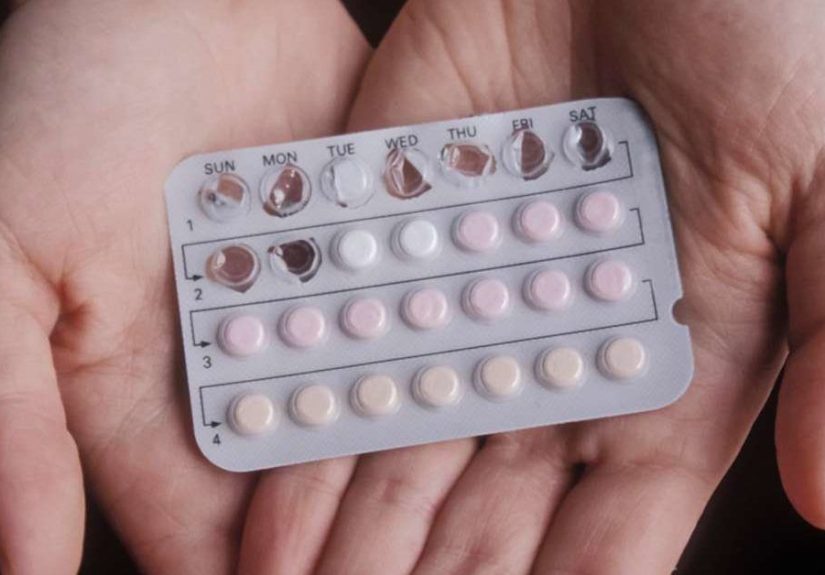
The pill
The pill is the method most likely to be affected indirectly by alcohol because it depends on daily adherence. Combination pills and progestin-only pills both work best when taken correctly and consistently. If you vomit soon after taking one, or if you have prolonged vomiting or diarrhea, you may need to follow missed-pill instructions or use backup contraception. Progestin-only pills are especially timing-sensitive, so casual delays are not ideal.
If your social life and your memory are not always in a loving, supportive relationship, the pill may be effective in theory but less forgiving in practice.
The patch
Alcohol does not directly weaken the patch. The main concern is forgetting to change it on schedule or not noticing that it detached and stayed detached too long. This is less common than a missed pill, but it can happen.
The ring
Same story as the patch. Alcohol does not deactivate the ring, but timing mistakes matter. If the ring is out too long or a replacement is delayed, backup contraception may be needed depending on the situation.
The shot
The birth control shot is not directly affected by alcohol. Its biggest vulnerability is forgetting the next appointment window. If remembering regular clinic visits is not your strong suit, alcohol is not the issue; your calendar is.
The implant and IUDs
These are the least likely to be affected by alcohol because they do not rely on daily or weekly action from you. If the goal is “effective contraception with the fewest opportunities for a Friday night to ruin everything,” long-acting reversible contraception tends to win that contest.
The pregnancy risk that sneaks up on people
One of the biggest risks related to alcohol and birth control is not a dramatic interaction. It is the chain reaction. Alcohol can lead to missed contraception steps. That can lead to unprotected sex without backup. That can lead to a pregnancy scare, emergency contraception, or an unintended pregnancy. In short, one bad decision rarely arrives alone. It brings friends.
This matters even more because alcohol exposure during pregnancy is not considered safe. Many people do not know they are pregnant right away, especially early on. That is one reason health professionals take reliable contraception seriously for people who drink and do not want to become pregnant.
When vomiting changes the conversation
If you are using an oral contraceptive and you vomit soon after taking it, that dose may not count the way you hoped. Ongoing vomiting or severe diarrhea can matter even more. The exact next steps depend on the type of pill you use and how long the stomach symptoms last, but the big-picture rule is simple: gastrointestinal chaos can interfere with oral contraception.
This is one reason the “alcohol doesn’t affect birth control” line can be technically true and still wildly incomplete. If drinking leads to throwing up, then yes, alcohol may end up affecting your protection in a very real way.
What about emergency contraception?
Alcohol does not directly cancel emergency contraception either, but the same practical problem can show up: nausea and vomiting. If someone takes emergency contraception and vomits shortly afterward, they may need medical guidance about whether another dose is needed. And if alcohol is part of the situation, waiting around and hoping for the best is not a strategy. It is a plot device.
Also important: emergency contraception is backup, not routine birth control. It is there for “something went wrong,” not “I enjoy adding suspense to my week.”
Can alcohol and birth control create serious health risks together?
Usually the risk is indirect, but context matters
For healthy people using standard hormonal contraception, moderate alcohol exposure is not usually considered a direct birth control emergency. But there are situations where the overall health picture matters more:
- Liver disease: Some forms of hormonal contraception may not be appropriate for people with certain liver conditions.
- Other medications: Certain drugs and supplements can reduce hormonal contraceptive effectiveness. If alcohol is involved too, staying organized about medications gets harder.
- Heavy alcohol use: Ongoing heavy drinking can affect health, routines, judgment, and follow-up care.
- Frequent vomiting: Repeated vomiting makes pill-based contraception more vulnerable.
In other words, the issue is often not “birth control versus alcohol” but “birth control inside a bigger health situation.” That is a very different conversation.
Signs your current birth control plan may not be alcohol-proof
You may want to rethink your method if any of the following sound painfully familiar:
- You often forget pills after late nights.
- You have had to ask, “Wait, did I take it already?” more than once.
- You have vomited after taking the pill and were not sure what to do next.
- You have needed emergency contraception because of missed doses.
- You want something effective but less dependent on perfect timing.
If that list feels a little too personal, it may be worth discussing a more forgiving method with a healthcare professional. There is no prize for making contraception harder than it needs to be.
Common myths about birth control and alcohol
Myth 1: Alcohol makes birth control stop working instantly
False. Alcohol does not usually directly neutralize hormonal contraception.
Myth 2: Birth control gives you a higher alcohol tolerance
Not proven. The science does not support a reliable, predictable tolerance boost.
Myth 3: If you throw up after drinking, your pill still definitely worked
Not necessarily. Timing matters, and vomiting can interfere with absorption.
Myth 4: Long-acting methods are affected the same way as the pill
Nope. IUDs and implants are much less vulnerable to user error after drinking because they do not depend on a daily action.
Real-life experiences people commonly report
Many people who use birth control and occasionally drink describe the issue as less about chemistry and more about logistics. One common experience is taking a pill late after a night out, then spiraling the next morning trying to remember whether it was actually taken or merely admired on the nightstand. Another frequent story involves nausea: someone starts a new pill pack, already feels a little queasy from the hormones, adds alcohol to the mix, and ends up convinced their body is staging a dramatic protest. Sometimes it is not a dangerous interaction so much as a perfectly ordinary pileup of side effects.
Another pattern clinicians hear about is the “I was technically protected, but my routine fell apart” scenario. Maybe the pill is usually taken with an evening alarm, but the phone dies. Maybe a patch change gets delayed during a weekend trip. Maybe a ring replacement is forgotten after a busy night. The person is not reckless; life just gets messy, and alcohol often makes messy messier. That can create days of anxiety, internet searches, and emergency pharmacy runs that could have been avoided with a method that better matches real life.
There are also emotional experiences tied to this topic. Some people feel guilty after drinking and immediately assume they ruined their birth control, even when they probably did not. Others feel falsely reassured because they heard somewhere that alcohol “doesn’t affect the pill,” without realizing that vomiting and missed doses are the actual problem. Then there is the stress of waiting for a period after an imperfect cycle of pill use, especially when breakthrough bleeding or late bleeding already happens sometimes on hormonal contraception. That waiting game is not fun. It is basically a suspense thriller with worse snacks.
People using long-acting methods such as IUDs or implants often report a different experience: much less contraceptive anxiety around social events. They may still deal with alcohol’s usual downsides, but they are not also trying to remember whether a dose was taken on time. That peace of mind is one reason many users love methods that are low-maintenance and highly effective. It does not mean those methods are right for everyone, but it shows how much “method fit” matters.
Another real-world theme is learning the hard way that backup plans matter. Some people start keeping pill packs in consistent places, setting two alarms instead of one, or talking with a clinician about what to do if they throw up after a dose. Others decide that if their lifestyle includes frequent disruptions, a weekly, monthly, or long-acting method simply makes more sense. The goal is not perfection. The goal is building a contraception plan that still works when life stops acting like a neat little spreadsheet.
So the lived experience behind this topic is usually not, “Alcohol destroyed my birth control.” It is more often, “Alcohol made it easier for human error, nausea, and bad timing to crash the party.” That is a very fixable problem once you see it clearly. And honestly, that is good news.
Bottom line
Birth control and alcohol are not mortal enemies, but they are not exactly best friends either. Alcohol does not usually directly reduce the effectiveness of most birth control methods. The real risk is indirect: forgetting pills, taking them late, vomiting, severe diarrhea, or making decisions that leave no room for backup protection. The pill is the most vulnerable to that kind of disruption. Methods like IUDs and implants are generally more resilient because they do not depend on flawless timing.
As for alcohol tolerance, the science is not strong enough to support a simple myth that birth control makes you handle alcohol better or worse in a predictable way. What is predictable is this: if your current method falls apart whenever your routine does, it may be time for a more forgiving plan.
The best birth control is not just effective in theory. It is effective in your actual life, on your actual schedule, with your actual habits. That is the version that counts.