Table of Contents >> Show >> Hide
- Why the Black Three Leg Stool Keeps Winning
- What Makes a Three Leg Stool Different?
- Popular Styles of Black Three Leg Stool
- Where a Black Three Leg Stool Works Best
- How to Choose the Right Black Three Leg Stool
- Best Materials for a Black Three Leg Stool
- How to Style a Black Three Leg Stool Without Making It Look Random
- Common Mistakes to Avoid
- Is a Black Three Leg Stool Worth It?
- Living With a Black Three Leg Stool: Real-World Experiences
- Conclusion
A black three leg stool does not scream for attention. It does not twirl under a spotlight, demand a drumroll, or ask to be introduced like royalty. It simply shows up, looks sharp, fits almost anywhere, and gets to work. That may be exactly why this humble piece of furniture keeps earning a place in stylish American homes.
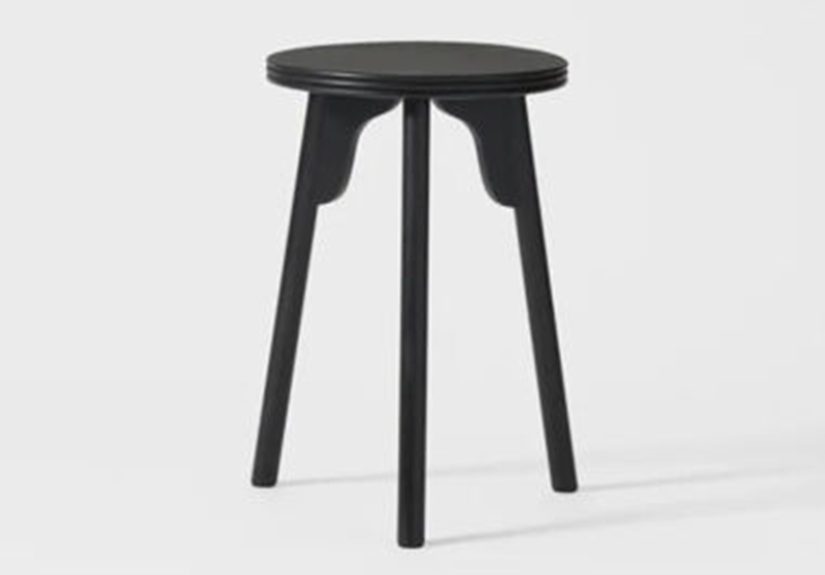
Part accent piece, part utility player, part “I swear I bought this for the entryway but now it lives in the bedroom” object, the black three leg stool is one of the most versatile small-space furniture choices around. It can function as extra seating, a side table, a plant stand, a vanity perch, or a quiet sculptural detail that makes a room feel more finished. In a world full of oversized sectionals and coffee tables the size of small islands, the black tripod stool is the compact overachiever.
This guide breaks down why a black three leg stool works so well, what materials and styles to look for, how to use one in different rooms, and how to choose a version that looks polished instead of accidental. Because yes, there is a difference between “effortlessly cool” and “I panic-bought this at midnight.”
Why the Black Three Leg Stool Keeps Winning
The appeal starts with the shape. A three leg stool has a naturally tidy footprint. It tucks into corners more easily than bulkier seating, slips under narrow tables, and often looks lighter than a square bench or chunky accent chair. That makes it especially useful in apartments, condos, breakfast nooks, mudrooms, and any room where space is precious and every inch has to earn its keep.
Then there is the color. Black is the little black dress of furniture finishes: timeless, flexible, and weirdly capable of making everything around it look more intentional. A black stool can lean industrial with metal legs, modern with a clean matte finish, rustic with dark stained wood, or luxe with boucle, leather, or a cushioned upholstered top. It pairs with white walls, natural oak, walnut, brass, chrome, concrete, rattan, and just about every neutral palette designers love to call “effortless.”
The third reason is function. Good stools are multitaskers. A black three leg stool can act as overflow seating when guests show up, a landing pad for a book and coffee mug, a bedside table in a small room, or a decorative layer in a corner that feels too empty for nothing and too cramped for a full chair. It is one of the rare pieces of furniture that can be both useful and good-looking without taking over the room.
What Makes a Three Leg Stool Different?
Compared with four-legged stools, a three leg stool often feels more sculptural. The tripod structure gives it a cleaner outline, and the absence of a fourth leg can make the piece look less busy. In practical terms, many people also appreciate that three-point contact feels steady on slightly uneven surfaces. On old hardwood floors, tile, or rugs that are not perfectly flat, that can be surprisingly handy.
There is also a strong visual benefit. Three leg stools tend to have softer geometry. Round or triangular seats, gently angled legs, and open space between the supports create an airy profile. That matters in smaller rooms, where heavy furniture can make everything feel crowded. A black three leg stool often brings contrast without visual clutter, which is a neat little design trick.
Of course, not every version is perfect for every task. A backless stool is ideal for quick perching and occasional use, but less ideal for a three-hour conversation where everyone forgets to go home. If you need dining support or long-term seating comfort, padding, a footrest, and the correct height matter a lot more than the cool silhouette.
Popular Styles of Black Three Leg Stool
1. Solid Wood Tripod Stool
This is the classic. A wooden black three leg stool feels warm, timeless, and slightly handmade even when it is factory-produced. Some versions feature turned legs for a farmhouse or traditional vibe, while others use tapered legs and a slim seat for Scandinavian or Japandi-inspired spaces. A stained black wood finish can look especially sophisticated in bedrooms, entryways, and living rooms.
2. Metal Three Leg Stool
If you like industrial, modern, or utilitarian interiors, a black metal stool is the no-nonsense option. Powder-coated steel frames tend to look crisp and contemporary, and they often hold up well to everyday wear. This style fits naturally in kitchens, home offices, craft rooms, and minimalist spaces where clean lines matter.
3. Upholstered Black Stool
A black upholstered stool adds softness to the look. Think boucle, faux leather, genuine leather, linen-blend fabric, or a cushioned top over a black base. These work beautifully at vanities, in bedrooms, or as accent seating in living areas. If a plain stool feels too spare, upholstery is the fast track to comfort and a more finished appearance.
4. Adjustable or Counter-Height Stool
Not all black three leg stools are short accent pieces. Some are designed for kitchen islands, breakfast bars, or home bars. A tripod base can look especially sleek in adjustable or counter-height designs, where the three-leg form feels architectural instead of bulky. This style is ideal if you want the stool to disappear neatly under the counter when it is not in use.
Where a Black Three Leg Stool Works Best
Entryway
An entryway stool is one of those “why didn’t I do this sooner?” upgrades. It gives you a spot to sit while pulling on shoes, setting down a bag, or pretending to be a very organized person. In a small foyer, a black three leg stool adds function without the bulk of a bench. Pair it with a wall hook, narrow console, or round mirror and the area instantly feels more complete.
Living Room
In the living room, this stool can do the work of three pieces: side table, extra seat, and decorative filler. It is especially useful in layouts where a full side chair would be too much. Set one beside a sofa with a small tray on top, or place it in an empty corner with a sculptural vase. Suddenly the room looks styled instead of unfinished.
Bedroom
A black three leg stool is excellent beside a dresser, at the foot of the bed, or at a makeup vanity. Upholstered versions feel particularly inviting here. Dark finishes also ground soft bedroom palettes nicely, creating contrast against white bedding, warm wood, or pale walls.
Kitchen
For kitchen use, height is everything. If the stool is meant for an island or counter, measure carefully instead of relying on vibes. As a general rule, counter-height stools usually have seats around 22 to 26 inches tall, while bar-height stools are often around 27 to 35 inches. Another useful guideline is to subtract roughly 10 to 12 inches from the height of the counter or bar to estimate a comfortable seat height. In shared seating areas, spacing matters too. Give stools enough room so people can actually sit like humans and not folded lawn chairs.
Bathroom or Dressing Area
A small stool can be great near a vanity or dressing area, but choose materials wisely. Solid wood or metal can work well, while upholstered styles need more caution in humid settings unless the product is specifically designed for moisture-prone rooms. Translation: the gorgeous boucle stool may not appreciate spa-level steam every morning.
How to Choose the Right Black Three Leg Stool
Start With Height
This is the most important decision. An accent stool for living spaces usually lands lower, often in the neighborhood of standard seat height. Counter stools are taller, and bar stools taller still. If you are buying for a table, island, or vanity, measure first. The prettiest stool in the world becomes useless if your knees end up somewhere near your ears.
Think About the Seat Shape
Round seats feel classic and flexible. Triangular seats often emphasize the three-leg form and look more design-forward. Saddle-style seats can be more comfortable for longer use, while flat wood seats look cleaner and more minimal. If comfort matters, a lightly padded top can make a big difference.
Check the Finish
Not all black finishes behave the same. Matte black feels modern and forgiving, while glossy black looks bolder but may show dust and fingerprints faster. Black-stained wood lets grain show through, adding warmth. Powder-coated metal is durable and practical. If the stool will be moved around often, a finish that hides scuffs is worth its weight in sanity.
Look for Small Details
Footrests help with comfort on taller stools. Floor glides protect hardwood and make a stool easier to shift. Reinforced joints and well-anchored stretchers add confidence. Upholstered seats should feel firm enough to support you without collapsing into pancake mode after six weeks.
Consider Weight Capacity and Daily Use
A stool used occasionally in a bedroom does not need the same construction as one living at a busy kitchen island. If the piece will see daily use, prioritize sturdy materials, strong joinery, and a shape that feels stable when you sit down quickly. This is furniture, not a trust exercise.
Best Materials for a Black Three Leg Stool
Solid wood: Warm, classic, and usually durable. Great for traditional, Scandinavian, farmhouse, and organic-modern interiors.
Engineered wood: Often more affordable and can look polished when well made. Common in upholstered designs and painted finishes.
Steel or iron: Sleek, sturdy, and ideal for industrial or modern rooms. Often seen in matte black frames with minimalist silhouettes.
Leather or faux leather: Easy to wipe down and visually rich. A good fit for moody, masculine, or upscale-modern interiors.
Boucle or textured fabric: Softens the look of black and adds tactile interest. Great in bedrooms and living rooms where comfort matters.
How to Style a Black Three Leg Stool Without Making It Look Random
The trick is to give the stool a job. A stool floating alone in the middle of nowhere looks like it got lost on the way to rehearsal. A stool with purpose looks intentional.
In a living room, place it next to a chair with a book and a small tray. In an entryway, position it under art or beside a console so it feels anchored. In a bedroom, pair it with a vanity mirror or let it hold a folded throw at the foot of the bed. Around natural woods and woven textures, black adds contrast. In a monochrome room, it strengthens the palette. In colorful spaces, it acts like a visual pause button.
You can also repeat black elsewhere in the room so the stool feels connected. Think black picture frames, a lamp base, cabinet hardware, or a metal coffee table. When one black accent echoes another, the whole room feels more deliberate.
Common Mistakes to Avoid
Buying by photo alone: That dreamy product shot may not tell you whether the stool is tiny, tall, heavily textured, or shiny enough to reflect your soul.
Ignoring proportions: A narrow stool can disappear next to a large sofa, while an oversized stool can crowd a tiny entryway.
Forgetting comfort: If people will sit on it for more than five minutes, seat shape, foot support, and padding matter.
Choosing the wrong black: Warm black, cool black, distressed black, matte black, and satin black all behave differently in a room.
Using it everywhere: Yes, it is versatile. No, it does not need to become your nightstand, side table, dining chair, and plant pedestal at the same time.
Is a Black Three Leg Stool Worth It?
Absolutely, if you want a small piece of furniture that punches above its weight. A good black three leg stool solves space problems, adds style, and moves easily from room to room as your needs change. It can be modern, rustic, elegant, casual, or slightly artsy depending on the material and shape you choose. More importantly, it is one of the easiest home upgrades to justify because it is rarely limited to one purpose.
In design terms, it is a smart buy. In practical terms, it is the furniture equivalent of a friend who shows up on time, helps you move, and somehow still looks amazing in every photo.
Living With a Black Three Leg Stool: Real-World Experiences
What surprises most people about a black three leg stool is not how it looks on day one, but how often it gets borrowed by other parts of the house. It starts with a plan. Maybe you buy it for the entryway because you want somewhere to sit while putting on shoes. Great. Sensible. Mature. Then a guest needs an extra perch in the living room, so the stool migrates. A week later it is in the bedroom holding a stack of books and a candle. After that, it ends up by the window supporting a plant like it always belonged there. This is how life with a good stool goes. It becomes furniture with a passport.
In everyday use, the best part is usually the size. A black tripod stool slips into spots where bulkier furniture fails. It can live between two chairs, next to a bathtub-sized armchair, under a floating desk, or in that weird corner every home seems to have. Because it is small and visually light, moving it never feels like an event. You do not need a strategy meeting. You just pick it up and put it somewhere else.
The color also changes the experience in a useful way. Black tends to hide visual noise better than pale finishes. Minor wear, everyday dust, or the occasional chaotic life moment often feel less dramatic. In a busy household, that matters. A black stool can look polished even when the room around it is having a less successful day. It is like the piece is quietly saying, “I am still holding it together, and frankly one of us had to.”
Another real-world benefit is that three legs often make a stool feel less fussy on imperfect floors. Old wood planks, textured rugs, uneven tile, and lived-in spaces are not always showroom-flat. A well-made tripod stool tends to settle into those conditions with less wobble drama than people expect. That is especially appreciated in older homes where charming character often comes bundled with crooked floorboards and mysterious slopes.
Comfort depends heavily on the design, and this is where experience becomes very honest very quickly. A flat wooden seat looks fantastic, but it is usually best for short sits. A padded or slightly contoured seat feels friendlier if you actually plan to use the stool every day. A footrest matters more than many shoppers think on taller versions. Without it, a counter-height stool can go from chic to awkward in about thirty seconds. Style opens the door, but comfort is what keeps the stool in active rotation.
Perhaps the most satisfying part of owning a black three leg stool is how quietly useful it remains over time. Trends change. Rooms get repainted. Sofas are replaced. Somehow the stool still works. It may shift from modern apartment piece to cozy house accent without missing a beat. That kind of flexibility is rare. So while it may seem like a small purchase, living with one often feels like discovering a very smart design shortcut: one compact item, many functions, almost no regret.
Conclusion
The black three leg stool is proof that small furniture can have a big impact. It delivers style without fuss, flexibility without bulk, and function without turning your room into an obstacle course. Whether you want a minimalist metal perch, a warm wooden tripod stool, or a cushioned accent piece, the right version can elevate the way a room looks and the way it works.
If you choose the correct height, material, and finish, this compact piece can move effortlessly between jobs and spaces for years. That is the kind of design value that never goes out of style.