Table of Contents >> Show >> Hide
- What Is a Bonus Room?
- Start with a Purpose Before Buying Anything
- Bonus Room Home Office Ideas
- Bonus Room Home Gym Ideas
- Create a Guest Room That Does More Than Host Guests
- Turn the Bonus Room into a Media Room
- Design a Kids’ Playroom or Homework Zone
- Create a Craft Room or Creative Studio
- Build a Reading Room or Quiet Retreat
- Make a Multipurpose Family Room
- Bonus Room Storage Ideas That Actually Work
- Lighting Makes or Breaks the Room
- Color and Decor Tips for Bonus Rooms
- Small Bonus Room Ideas
- Finished vs. Unfinished Bonus Rooms
- Budget-Friendly Bonus Room Upgrades
- Real-Life Experience: How to Plan a Bonus Room That Does Not Become a Junk Room
- Conclusion: Your Bonus Room Should Fit Your Real Life
- SEO Tags
Note: This article is written in original American English and is designed for web publishing. It focuses on practical, realistic bonus room ideas that help homeowners turn unused square footage into flexible, beautiful, and highly functional living space.
A bonus room is one of those happy little mysteries in a home. It is not quite a bedroom, not quite a living room, and not always brave enough to declare its purpose on the floor plan. Sometimes it sits above the garage. Sometimes it hides near the stairs. Sometimes it becomes the place where boxes, holiday decorations, forgotten exercise equipment, and one suspiciously lonely folding chair go to retire.
But with the right plan, that extra space can become one of the hardest-working rooms in your house. The best bonus room ideas do not begin with paint colors or furniture catalogs. They begin with a better question: What is my home missing? Maybe you need a quiet home office. Maybe your yoga mat deserves better than being wedged between the sofa and the dog bed. Maybe your family needs a game room, craft studio, guest retreat, homework zone, reading nook, or multipurpose space that can change jobs faster than a teenager changes music playlists.
The beauty of a bonus room is flexibility. It can support work, wellness, creativity, storage, entertaining, rest, and family life without requiring a full addition. Whether your room is spacious, awkward, windowless, sunny, finished, unfinished, upstairs, downstairs, or shaped like an architectural shrug, there is a smart way to use it.
What Is a Bonus Room?
A bonus room, sometimes called a flex room, spare room, optional room, or extra room, is a space that does not have one fixed purpose. It may not meet the requirements of a legal bedroom, but it still offers usable square footage. That flexibility is exactly what makes it valuable. A bonus room can evolve as your life changes: playroom today, teen hangout tomorrow, home office next year, guest suite later.
Before choosing a design, study the room honestly. Look at the size, ceiling height, outlets, windows, flooring, door swing, privacy, noise level, and distance from a bathroom. A room over the garage might be perfect for a media room or gym, but it may need better insulation. A small spare room near the front of the house could become a polished office. A basement bonus room may be ideal for fitness, hobbies, or movie nights if lighting and ventilation are handled well.
Start with a Purpose Before Buying Anything
The fastest way to ruin a bonus room is to treat it like a furniture orphanage. A random desk, an old loveseat, a treadmill, three storage bins, and a lamp from college do not create a room. They create a polite indoor yard sale.
Instead, choose one primary purpose and one secondary purpose. For example, your bonus room might be a home office first and a guest room second. Or it might be a home gym first and a meditation space second. This approach keeps the design focused while still allowing flexibility. Once you know the room’s main job, every decision becomes easier: flooring, storage, lighting, furniture, wall color, and layout all follow the function.
Bonus Room Home Office Ideas
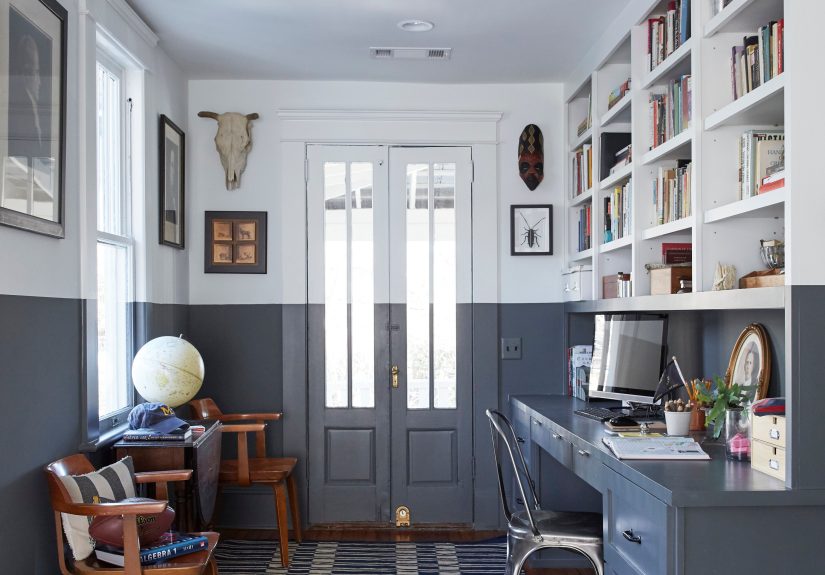
A bonus room can become a calm, productive home office that does not require taking work calls from the kitchen while someone opens a bag of chips like it is a competitive sport. The key is to create a workspace that supports focus, comfort, and organization.
Choose the Right Desk Setup
If you work from home full-time, invest in a real desk with enough surface area for your computer, notebook, task lamp, and daily tools. If the bonus room is small, consider a wall-mounted desk, floating desk, secretary desk, or built-in counter. For two people, a long shared workstation along one wall can save space and reduce visual clutter.
Place the desk where glare is limited. If there is a window, position the monitor so sunlight does not bounce directly off the screen. Natural light is wonderful until your computer becomes a mirror and you spend the afternoon staring at your own forehead.
Make Ergonomics Part of the Design
A stylish office should also be comfortable. Choose a supportive chair, keep your feet flat on the floor or on a footrest, and place your monitor around eye level. Keep frequently used items within easy reach so you are not twisting like a pretzel every time you need a pen. Good ergonomics can help reduce strain during long work or study sessions.
Add Smart Office Storage
Bonus room offices need storage that looks intentional. Use closed cabinets for paperwork, open shelves for books and decor, drawer organizers for supplies, and labeled bins for tech accessories. A rolling file cabinet can slide under a desk, while built-ins can make the whole room feel custom. The goal is simple: fewer mystery piles, more mental peace.
Bonus Room Home Gym Ideas
A home gym is one of the most practical bonus room ideas because it removes a common excuse: “I would work out, but the gym is too far away.” When the gym is ten steps from your bedroom, that excuse becomes dramatically less convincing.
Match the Gym to Your Actual Routine
Design the gym for the workouts you will truly do, not the fantasy version of yourself who wakes up at 5 a.m. and joyfully does battle ropes. If you like yoga, stretching, Pilates, or mobility work, you may only need a mat, mirror, soft lighting, and storage for blocks or bands. If you prefer strength training, plan for rubber flooring, dumbbell storage, a bench, and enough clearance to move safely. If cardio is your thing, measure carefully before bringing in a treadmill, bike, or rower.
Use Flooring That Protects the Room
Home gyms need flooring that can handle impact, sweat, movement, and equipment. Rubber mats or rubber tiles are popular because they help protect floors and reduce noise. This matters even more if the bonus room is upstairs. Nobody downstairs wants the ceiling soundtrack of jumping lunges at full volume.
For low-impact workouts, foam tiles, cork, or a washable area rug over hard flooring may work. For heavier equipment, rubber is usually more practical. In basements or garage bonus rooms, check for moisture issues before laying mats directly over concrete, and lift mats occasionally to keep the area clean and dry.
Add Mirrors, Airflow, and Storage
Mirrors can make a small home gym feel larger and help you check form during workouts. Add a fan, openable window, or improved ventilation if possible. Wall hooks, baskets, shelves, and vertical racks keep resistance bands, mats, jump ropes, towels, and small weights from taking over the floor. A tidy gym is more inviting, and it is also less likely to attack your toes in the dark.
Create a Guest Room That Does More Than Host Guests
A guest room is useful, but if guests only visit a few times a year, the space should earn its keep the rest of the time. A bonus room can become a guest room-office combo, guest room-gym combo, or guest room-library combo with the right furniture.
Try a Murphy Bed, Daybed, or Sleeper Sofa
A Murphy bed is one of the most efficient options for a multipurpose bonus room because it folds away when not in use. A daybed works well in smaller rooms because it can act as seating during the day and a bed at night. A sleeper sofa is ideal for a casual media room or lounge that occasionally hosts overnight visitors.
Add a small nightstand, reading lamp, luggage rack, and a few empty drawers or hooks. Guests do not need a five-star hotel suite, but they do appreciate not living out of a backpack on the floor like they are camping indoors.
Turn the Bonus Room into a Media Room
A bonus room media space can be a dream setup for movie nights, sports, gaming, or family hangouts. Choose comfortable seating first. A sectional works well for families, while a pair of lounge chairs and a loveseat can suit smaller rooms. Add blackout curtains or shades if the room gets bright daylight.
For sound, consider rugs, upholstered furniture, curtains, and acoustic panels to reduce echo. Built-in cabinets or media consoles can hide wires, game controllers, chargers, and remotes. If you use a projector, check wall space, throw distance, and light control before buying equipment.
Design a Kids’ Playroom or Homework Zone
A bonus room can beautifully contain the joyful chaos of childhood. Instead of toys migrating across the house like tiny plastic invaders, give them a headquarters. Use low shelves, labeled bins, washable rugs, and furniture scaled for kids. A small table can handle art projects, puzzles, building blocks, or homework.
For a room that grows with the family, avoid overly specific themes. Dinosaurs are delightful, but a floor-to-ceiling dinosaur mural may not survive the middle school years. Instead, use flexible color, removable wall decals, framed art, and storage that can later hold school supplies, sports gear, or board games.
Create a Craft Room or Creative Studio
If your hobbies currently live in three closets and one kitchen drawer, a bonus room can become a creative sanctuary. Sewing, painting, scrapbooking, music practice, content creation, model building, photography, and writing all benefit from a dedicated setup.
Start with lighting and storage. A large table or workbench gives you room to spread out. Pegboards, drawer units, rolling carts, clear bins, and labeled shelves make supplies easier to find. If the room has natural light, place the main work surface near it. If not, use layered lighting: overhead light for general brightness, task lighting for detailed work, and accent lighting to make the room feel less like a storage closet with ambitions.
Build a Reading Room or Quiet Retreat
Not every bonus room needs screens, machines, or productivity goals. Some of the best extra space ideas are refreshingly simple. A reading room or quiet retreat can include a comfortable chair, soft throw, side table, warm lamp, bookshelves, and maybe a plant that forgives you when you forget it exists.
Use calming colors, soft textures, and minimal clutter. If the room is small, floating shelves can hold books without eating up floor space. If it is larger, add two chairs for conversation or a chaise for luxurious lounging. This kind of room is perfect for decompressing, journaling, studying, or enjoying a few minutes of silence before someone asks where the phone charger is.
Make a Multipurpose Family Room
For many homes, the smartest bonus room is not one thing. It is a flexible family room with zones. A sectional and TV on one side, a game table in the corner, storage along the wall, and a small desk near the window can turn one room into a lounge, homework area, game room, and casual guest space.
Use rugs to define zones. Use lighting to support different tasks. Use storage to prevent visual chaos. A room divider, curtain, open bookcase, or slatted partition can separate functions without making the room feel boxed in. The goal is not to cram everything into the room. The goal is to make every square foot useful without making the space feel like it is hyperventilating.
Bonus Room Storage Ideas That Actually Work
Storage is the secret ingredient in almost every successful bonus room. Without it, even the prettiest room eventually becomes a clutter museum. Built-ins are excellent if the budget allows, but freestanding solutions can work just as well.
Use vertical space with tall bookcases, wall shelves, pegboards, and cabinets. Choose furniture with hidden storage, such as storage ottomans, benches, daybeds with drawers, and lift-top coffee tables. In awkward attic bonus rooms, low cabinets can fit under sloped ceilings. In narrow rooms, shallow shelves and wall-mounted desks preserve floor space. In family rooms, baskets can hide toys, blankets, controllers, and other everyday items that seem to multiply when nobody is looking.
Lighting Makes or Breaks the Room
Lighting is especially important in bonus rooms because these spaces are often converted from attics, basements, garages, or leftover floor-plan areas. A single overhead fixture rarely does the job. Use layered lighting for better comfort and function.
Ambient lighting provides overall brightness. Task lighting supports specific activities like reading, working, crafting, or exercising. Accent lighting adds warmth and style. In an office, add a desk lamp. In a gym, use bright even lighting. In a media room, install dimmable fixtures or soft wall lights. In a reading room, choose warm bulbs and lamps that create a cozy glow.
Color and Decor Tips for Bonus Rooms
The best color palette depends on the room’s purpose. For a home office, soft greens, warm whites, muted blues, or earthy neutrals can support focus. For a gym, crisp whites, energetic accents, or bold wallpaper can make the space feel alive. For a guest room, warm neutrals are easy to decorate and comfortable for different visitors. For a playroom, use cheerful color in ways that can be changed later, such as rugs, art, curtains, and storage bins.
Decor should support the function. A gym needs washable surfaces and minimal clutter. An office needs inspiration without distraction. A media room needs comfort. A craft room needs personality and practical organization. A reading room needs softness. When in doubt, edit. A bonus room should feel finished, not like the place where decor goes when it loses an argument with the living room.
Small Bonus Room Ideas
Small bonus rooms can still be powerful. The trick is choosing compact, flexible pieces. Try a wall desk instead of a full desk, a daybed instead of a queen bed, nesting tables instead of a bulky coffee table, and wall shelves instead of wide cabinets. Mirrors can reflect light and make the room feel larger. Light wall colors can help brighten tight spaces, while vertical storage keeps the floor open.
If the room is extremely small, give it one clear job. A tiny room can be a fantastic office, meditation nook, podcast corner, closet room, homework station, or reading hideaway. Small spaces often feel luxurious when they are highly intentional.
Finished vs. Unfinished Bonus Rooms
If your bonus room is unfinished, focus first on comfort, safety, and structure. Check insulation, heating and cooling, electrical capacity, flooring, ventilation, and moisture control. A beautiful home gym is less charming if the room is freezing in January and smells like a damp cardboard box in July.
For finished bonus rooms, the challenge is usually layout and identity. Decide what the room should do, remove items that do not support that purpose, and build the design around daily use. In both cases, consider consulting professionals for electrical work, structural changes, HVAC adjustments, or built-ins. DIY enthusiasm is wonderful; DIY electrical surprises are not.
Budget-Friendly Bonus Room Upgrades
You do not need a luxury renovation to make a bonus room useful. Paint the walls. Add better lighting. Use peel-and-stick wallpaper on one wall. Bring in storage baskets. Mount shelves. Rearrange furniture. Add a rug. Replace a wobbly folding table with a compact desk. Hang curtains. Install hooks. Add a mirror. Create a charging station. Sometimes the difference between “forgotten room” and “favorite room” is one weekend and a realistic shopping list.
Spend money where it affects comfort and function: a supportive office chair, safe gym flooring, a quality sleeper sofa, durable storage, or better lighting. Save money on accessories that can change over time.
Real-Life Experience: How to Plan a Bonus Room That Does Not Become a Junk Room
When designing a bonus room, the most useful lesson is this: the room needs rules before it needs furniture. Without rules, extra space attracts random objects with the magnetic power of a black hole. One day the room has a desk. The next day it has wrapping paper, a broken printer, three unmatched pillows, and a box labeled “miscellaneous,” which is homeowner language for “future problem.”
A practical approach is to begin with a simple room audit. Stand in the space for ten minutes and notice what is already working. Is it quiet? Does it get good light? Is it close enough to the main living area to be used often? Is it private enough for work calls? Would exercise equipment bother anyone below? Is there enough wall space for storage? These questions prevent expensive mistakes.
Next, create three zones on paper: daily use, occasional use, and storage. In a home office and guest room combo, daily use might be the desk, chair, printer, and shelves. Occasional use might be the Murphy bed or sleeper sofa. Storage might include bedding, office supplies, and luggage space. This keeps the guest bed from dominating a room used mostly for work. In a gym and meditation room combo, daily use might be a mat, weights, fan, and mirror. Occasional use might be a foldable massage table, extra yoga props, or a small speaker. Storage keeps everything from spilling into the walking path.
Another experience-based tip is to leave breathing room. Many people overfill bonus rooms because the space feels “extra.” But extra space is not an invitation to create an obstacle course. Leave open floor area for movement, cleaning, and future changes. A bonus room should adapt as your household changes. Kids grow. Jobs shift. Hobbies appear out of nowhere. One month you are a beginner watercolor painter; the next month you own twelve brushes and have strong opinions about paper texture. Flexibility matters.
Lighting also deserves more attention than it usually gets. A bonus room with one ceiling light often feels flat and unfinished. Add a floor lamp, desk lamp, wall sconce, or LED strip under shelving. The room instantly feels more intentional. The same is true for rugs and curtains. They soften echo, add warmth, and make the room feel connected to the rest of the house.
Finally, make the room easy to reset. A bonus room succeeds when cleaning up takes five minutes, not forty-five. Use labeled bins, closed cabinets, hooks, trays, and furniture with storage. Keep surfaces clear enough to use. The best bonus room is not the one that looks perfect in photos; it is the one your household actually uses without needing a motivational speech first.
Conclusion: Your Bonus Room Should Fit Your Real Life
The best bonus room ideas are not about copying a picture perfectly. They are about turning unused square footage into a space that makes daily life easier, healthier, calmer, or more fun. A bonus room can be a home gym, home office, guest room, media lounge, playroom, craft studio, library, homework zone, or all-purpose family retreat. The right choice depends on your home, your routines, and the missing function you feel most often.
Start with purpose. Add comfort. Plan storage. Layer lighting. Choose flexible furniture. Keep the design realistic. When a bonus room is thoughtfully planned, it stops being “that extra room” and becomes the room everyone quietly loves most. And if it also keeps the treadmill from becoming a laundry rack, that is what experts call a home design miracle.