Table of Contents >> Show >> Hide
- What Makes Great Thanksgiving Recipes?
- The Core Thanksgiving Recipes Every Table Loves
- How to Build a Balanced Thanksgiving Menu
- Make-Ahead Tips for Easier Thanksgiving Cooking
- Common Thanksgiving Recipe Mistakes to Avoid
- Leftover Thanksgiving Recipes Are Part of the Tradition
- The Experience of Thanksgiving Recipes
- Conclusion
Thanksgiving recipes are not just about feeding a crowd. They are about building a meal that feels like home, smells like butter and sage, and somehow convinces everyone that elastic waistbands are a personality trait. Whether you are planning a classic holiday dinner or trying to keep your kitchen from turning into a dramatic holiday mini-series, the right Thanksgiving recipes can save the day.
The best Thanksgiving menu usually has a little bit of everything: a juicy turkey, a deeply savory stuffing, creamy mashed potatoes, glossy gravy, a bright cranberry sauce, a couple of vegetable sides, soft dinner rolls, and at least one pie that makes people suddenly “just want a tiny slice” before taking a wedge the size of Rhode Island. The beauty of Thanksgiving cooking is that it balances comfort, tradition, and a tiny bit of chaos.
This guide walks through the most-loved Thanksgiving recipes, why they work, how to make them shine, and how to build a table that tastes generous without sending you into a mashed-potato-related identity crisis.
What Makes Great Thanksgiving Recipes?
The most successful Thanksgiving recipes do three things well. First, they lean into familiar flavors. Think sage, thyme, rosemary, butter, roasted garlic, cinnamon, nutmeg, brown sugar, and tart cranberry. Second, they offer contrast. Rich turkey and gravy need something bright and acidic nearby. Creamy potatoes love the crunch of green beans or toasted breadcrumbs. Sweet desserts feel even better after a savory, herb-filled meal. Third, they are practical. On Thanksgiving, recipes that can be prepped ahead are not merely helpful; they are the culinary equivalent of finding an extra hour in the day.
That is why classic Thanksgiving recipes stay classic. They are comforting, flexible, and crowd-friendly. You can update them with modern twists, but the bones of the meal are timeless.
The Core Thanksgiving Recipes Every Table Loves
1. Roast Turkey
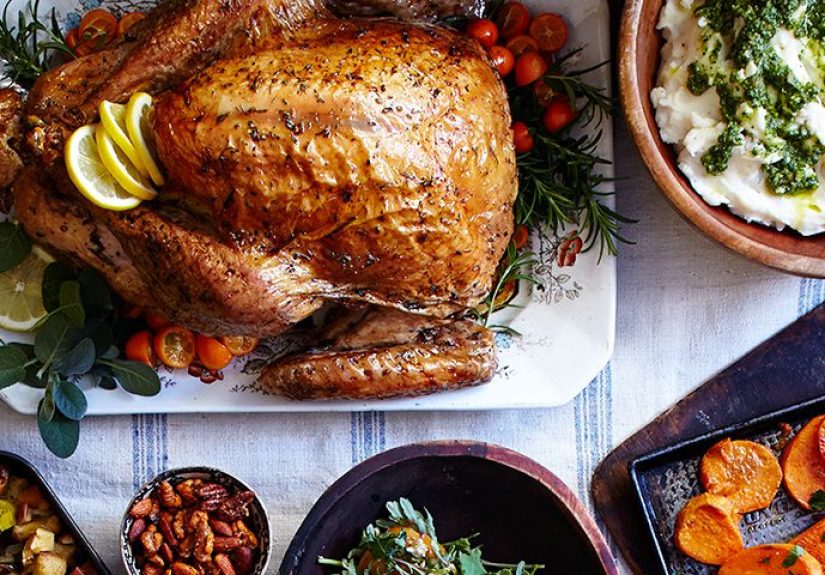
If Thanksgiving had a main character, it would be the turkey. A great roast turkey is juicy, deeply seasoned, and golden brown with crisp skin. The biggest mistake home cooks make is assuming turkey has to be bland. It does not. A well-seasoned bird, especially one salted ahead of time, delivers much better flavor and texture.
For many cooks, the smartest move is to season the turkey generously with salt, pepper, butter or oil, and herbs such as sage, thyme, and rosemary. Aromatics like onion, garlic, lemon, celery, and apple can add subtle flavor to the pan and drippings. Letting the turkey rest before carving also matters. It keeps more juices in the meat and gives you time to finish gravy without running around the kitchen like a contestant in a cooking show no one asked to join.
If you want a stress-reducing option, roast the turkey unstuffed and bake the stuffing separately. It is easier to manage, cooks more evenly, and helps you get crisp edges on the dressing. That crisp top is not optional. It is one of the great pleasures of the holiday.
2. Stuffing or Dressing
Now we enter dangerous territory: stuffing versus dressing. Families have split into polite but firm camps over this for generations. Whatever you call it, this dish is the soul of the Thanksgiving table. The best versions start with sturdy bread, sautéed onion and celery, lots of butter, good stock, and fresh herbs. The goal is a mix of textures: moist and tender inside, browned and craggy on top.
Rustic torn bread often works better than neat little cubes because it creates more texture. Fresh parsley, sage, rosemary, and thyme give the dish that unmistakable holiday flavor. Some versions add sausage, apples, mushrooms, pecans, or dried fruit. None of these are bad ideas. Thanksgiving is a broad church.
If you want dependable results, make the stuffing ahead and finish it in the oven on Thanksgiving Day. That keeps oven timing more manageable and frees your brain for more important decisions, like whether two pies are enough. They are not.
3. Mashed Potatoes
Mashed potatoes are the soft, buttery landing pad for gravy, turkey, and basically every other good decision on the plate. Great mashed potatoes should be fluffy, rich, and smooth, but not gluey. The secret is simple: use starchy potatoes, warm your butter and dairy before mixing, and avoid overworking them.
Classic mashed potatoes are never boring when they are well seasoned. Salt matters. Butter matters. A touch of roasted garlic, sour cream, cream cheese, or chives can add extra character without hijacking the whole dish. You want them luxurious, not confusing.
They are also one of the most forgiving Thanksgiving recipes. You can make them ahead, keep them warm, and revive them with a little extra butter or cream. In the hierarchy of holiday side dishes, mashed potatoes are a steady, dependable legend.
4. Turkey Gravy
Gravy is not just a sauce. It is the unifying theory of Thanksgiving. It brings turkey, stuffing, and potatoes into one gloriously savory argument that everybody wins. Good gravy is made from drippings, stock, and a roux or thickener that creates body without turning the whole thing into wallpaper paste.
The trick is patience. Cook the flour and fat long enough to remove any raw taste, then add warm liquid slowly while whisking. If your gravy looks a little loose in the pan, that is often fine because it thickens as it cools. And if it gets lumpy, strain it and carry on like nothing happened. Thanksgiving rewards confidence.
Make-ahead gravy is also a brilliant move. A flavorful stock prepared in advance can take enormous pressure off the big day. Then you only need to finish the sauce with pan drippings and final seasoning.
5. Cranberry Sauce
Cranberry sauce is the bright, tangy hero that keeps the plate from becoming one giant beige monologue. It cuts through rich turkey, creamy potatoes, buttery stuffing, and gravy with a welcome burst of acid and sweetness.
The homemade version is surprisingly easy: cranberries, sugar, citrus, maybe a cinnamon stick, and a few minutes on the stove. Some people prefer it chunky and rustic; others love it smooth. Either way, fresh cranberry sauce tastes livelier than many store-bought versions and makes leftovers shine. A turkey sandwich with cranberry sauce is not an afterthought. It is a holiday sequel worth watching.
6. Vegetable Sides
A great Thanksgiving table needs vegetables that do more than quietly exist in the corner. Green bean casserole remains a favorite because it delivers creamy, crispy, savory comfort in one dish. Roasted Brussels sprouts with bacon or balsamic also work beautifully. Glazed carrots, sweet potatoes, roasted squash, and corn casseroles all bring color and contrast.
The smartest approach is to mix one rich vegetable side with one fresher, brighter option. For example, pair a creamy green bean casserole with roasted carrots or a crisp salad. That way, the plate feels balanced instead of like a delicious but very committed starch convention.
7. Dinner Rolls
Soft dinner rolls do not always get top billing, but they absolutely deserve a standing ovation. They scoop gravy, hold leftover turkey, and make everyone suspiciously return to the bread basket five or six times. Warm, buttery rolls with a tender interior are one of the quiet joys of the meal.
If you bake, Thanksgiving is a perfect excuse to make them from scratch. If not, choose a high-quality version and warm them before serving. Few things improve more from a little oven time than dinner rolls and people on cold mornings.
8. Thanksgiving Desserts
No Thanksgiving recipes roundup is complete without pie. Pumpkin pie is the icon, and for good reason. It is creamy, warmly spiced, and deeply tied to the season. Pecan pie adds caramelized sweetness and crunch, while apple pie brings fruit, spice, and that flaky-crust magic that makes people pretend they are only having dessert “for tradition.”
A smart dessert table often includes at least two pies: one custard-based and one fruit- or nut-based. That gives guests options and quietly prevents the annual pie politics. Cheesecake, bread pudding, and cranberry desserts can also earn a place, especially if your family enjoys branching out.
How to Build a Balanced Thanksgiving Menu
If you are planning a full holiday meal, aim for a menu that includes one main protein, one bread-based side, one potato dish, one tangy element, two vegetable sides, bread, and dessert. That formula creates variety without overwhelming the kitchen or the guests.
A classic menu could look like this:
- Herb-roasted turkey
- Traditional sage stuffing
- Creamy mashed potatoes
- Turkey gravy
- Homemade cranberry sauce
- Green bean casserole
- Roasted carrots or Brussels sprouts
- Warm dinner rolls
- Pumpkin pie and pecan pie
That lineup works because every dish has a job. The turkey anchors the meal. Stuffing and potatoes provide comfort. Cranberry sauce brings brightness. Vegetables give freshness and texture. Rolls are delicious support staff. Pie finishes the story.
Make-Ahead Tips for Easier Thanksgiving Cooking
The easiest way to enjoy Thanksgiving is not by doing less cooking. It is by doing smarter cooking. Many Thanksgiving recipes can be partially or fully made ahead. Cranberry sauce, pie dough, pie fillings, dinner rolls, gravy bases, and casseroles all lend themselves well to early prep. Even stuffing can be baked in stages.
Start with a written timeline. Prep desserts first, then sauces, then casserole components, then final roasting and reheating on the big day. Make your gravy base before Thanksgiving if possible. Chop vegetables the day before. Dry out bread for stuffing in advance. Season the turkey ahead if you are dry-brining it. Your future self will feel seen, supported, and significantly less sweaty.
Common Thanksgiving Recipe Mistakes to Avoid
One common mistake is trying too many new recipes at once. A holiday meal is not the ideal moment to test seven unproven dishes while also hosting relatives who ask why you do not answer their texts faster. Keep a few dependable classics on the menu and add only one or two new ideas.
Another issue is under-seasoning. Big dishes need confident seasoning, especially potatoes, stuffing, and vegetables. Taste as you go whenever possible. Finally, pay attention to food safety. Use a thermometer for turkey, cool leftovers quickly, and store them promptly. The holiday should be memorable for the right reasons.
Leftover Thanksgiving Recipes Are Part of the Tradition
One of the best things about Thanksgiving recipes is that they keep giving the next day. Leftovers are not a burden. They are a strategy. Turkey sandwiches with cranberry sauce and stuffing are iconic, but there is plenty more you can do. Turn extra turkey into pot pie, soup, casseroles, shepherd’s pie, or enchiladas. Transform mashed potatoes into pancakes or croquettes. Fold leftover vegetables into frittatas. Add gravy to soups and savory bakes for instant depth.
In many households, the second-day meal becomes almost as beloved as the main event. There is less pressure, more grazing, and a certain cheerful willingness to put three side dishes on one sandwich and call it innovation.
The Experience of Thanksgiving Recipes
Thanksgiving recipes are not just instructions on a page. They are experiences wrapped in aroma, memory, and the sound of someone opening the oven every six minutes even though you specifically said not to. The experience starts long before anyone sits down to eat. It begins with grocery lists, family group texts, and the yearly debate over whether homemade rolls are worth the effort. For the record, yes, they are.
There is something almost theatrical about Thanksgiving cooking. The kitchen becomes the center of the house. Butter softens on the counter. Celery and onions sizzle in a skillet. Pie crust gets rolled, rerolled, and occasionally negotiated with. Someone tastes the mashed potatoes “just to check the seasoning” five separate times. The turkey rests like a celebrity in the middle of the counter while everyone circles it with admiration and concern.
And then there are the little moments that make Thanksgiving recipes feel personal. Maybe it is the stuffing recipe your grandmother never wrote down properly, so the family still measures ingredients with phrases like “some of this” and “enough broth until it looks right.” Maybe it is the cranberry sauce that one cousin insists on making every year, even though they only cook once in November and then vanish like a seasonal magician. Maybe it is the pumpkin pie that cracks on top every single time and still disappears first.
These recipes also carry emotion. They connect generations. They remind people of who taught them to cook, who carved the turkey, who always snuck olives before dinner, and who took home leftovers in mismatched containers. Even when the menu changes, the spirit stays familiar. You may swap green bean casserole for roasted Brussels sprouts or try brown butter in the pie filling, but the feeling remains the same: abundance, welcome, and a table built for sharing.
Thanksgiving cooking also teaches flexibility. Ovens run out of space. Gravy gets too thick. Rolls brown faster than expected. Someone forgets the serving spoon for the sweet potatoes. Yet somehow the meal still comes together. That is part of the charm. Thanksgiving recipes are not about perfection. They are about generosity. A slightly messy table full of good food usually feels better than a flawless one with no soul.
And once dinner is served, the experience shifts again. Plates are passed. People compare stuffing styles. Someone praises the gravy with surprising intensity. Dessert arrives after everyone claims they are too full, a lie so traditional it should have its own side dish. By the end of the night, the kitchen is covered in evidence of a meal well loved, and the refrigerator is full of leftovers that promise comfort for days.
That is why Thanksgiving recipes matter. They feed people, yes, but they also build rituals. They give families something to repeat, improve, argue about, and laugh over. They turn ordinary ingredients into something ceremonial. Turkey becomes celebration. Pie becomes memory. Leftovers become tomorrow’s reward. In the end, the best Thanksgiving recipes are the ones people remember, request again, and associate with warmth long after the last crumb of pecan pie is gone.
Conclusion
The best Thanksgiving recipes are the ones that create balance: rich and bright, crisp and creamy, nostalgic and practical. A successful holiday menu does not have to be complicated. It just needs a strong cast of classics, smart make-ahead planning, and enough confidence to let the meal feel warm instead of perfect. From roast turkey and stuffing to mashed potatoes, gravy, cranberry sauce, vegetables, rolls, and pie, each dish brings something essential to the table. Build your menu with intention, season it well, and leave room for leftovers. Thanksgiving is not just a meal. It is an edible memory with butter on top.