Table of Contents >> Show >> Hide
- Why “Book @KevinMD for your 2018 keynote!” became a timely message
- Who is Kevin Pho, MD?
- What KevinMD brings to a healthcare keynote
- Why social media belongs in serious healthcare conversations
- Ideal audiences for a KevinMD keynote
- What made KevinMD’s 2018 keynote calendar notable
- How event planners can position a KevinMD keynote
- Specific examples of keynote takeaways
- Why storytelling is the secret ingredient
- Booking @KevinMD: what to consider
- Experience section: what it feels like when a healthcare keynote actually works
- Conclusion
Healthcare conferences have a funny way of collecting buzzwords the way waiting rooms collect old magazines. “Innovation.” “Engagement.” “Transformation.” “Patient-centered.” Lovely words, all of them. But by the time the third speaker has said “paradigm shift,” half the audience is checking email and the other half is quietly wondering whether the hotel coffee is legally coffee.
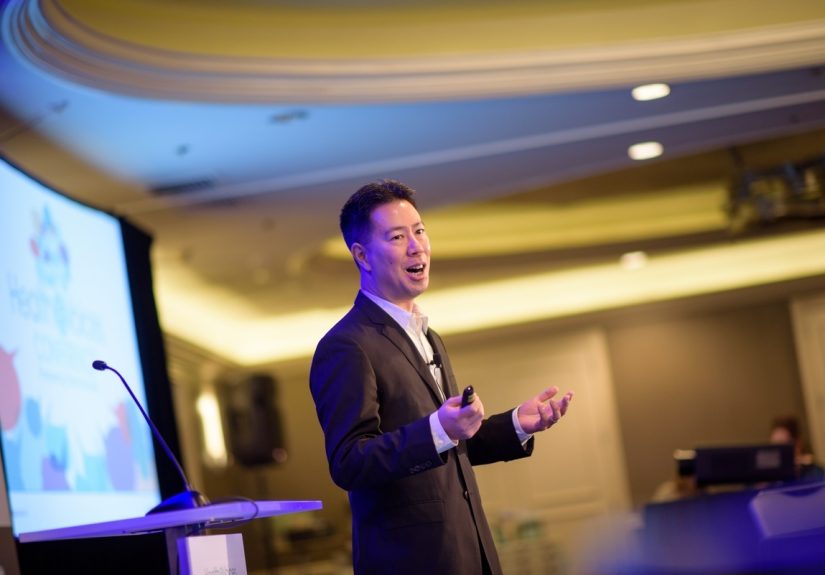
That is exactly why a keynote speaker matters. A strong healthcare keynote does more than fill the opening slot on a printed agenda. It wakes up the room, gives attendees a reason to care, and sends them home with a story worth repeating. For 2018, one name stood out for medical associations, hospitals, physician recruiters, health systems, and clinical leaders looking for a keynote that felt timely, practical, and human: @KevinMD, also known as Kevin Pho, MD.
Dr. Kevin Pho is not simply a physician who discovered social media and decided to collect followers like souvenir mugs. He is a practicing, board-certified internal medicine physician, founder of KevinMD.com, a national media commentator, podcast host, keynote speaker, and co-author of a well-known guide on managing a physician’s online reputation. His work sits at the busy intersection of medicine, media, patient communication, clinician burnout, and digital professionalism.
In other words, if your event needs a healthcare keynote speaker who understands both the exam room and the internet, @KevinMD is not a random name pulled from the conference hat. He is the hat.
Why “Book @KevinMD for your 2018 keynote!” became a timely message
The 2018 healthcare conversation was not exactly calm. Physicians were facing growing pressure from administrative overload, online ratings, patient expectations, social media misinformation, and major changes in how healthcare organizations communicated with the public. The digital world was no longer optional. Patients were searching symptoms, reviewing doctors, reading medical stories, and debating health policy online before many physicians had even finished their morning coffee.
That created a problem and an opportunity. The problem was obvious: if clinicians stayed silent online, other voices would gladly fill the space. Some were helpful. Others were loud, confident, and about as medically reliable as a fortune cookie with a Wi-Fi signal. The opportunity was more exciting: physicians, nurses, medical students, advanced practitioners, and patients could use digital platforms to share credible stories, explain complex issues, and restore a little humanity to a system often buried under forms, portals, and acronyms.
This is where KevinMD’s keynote message became especially relevant. His signature topic, “Connect and be heard: Make a difference in health care with social media,” was built around a simple idea: healthcare professionals should not treat the internet as a scary alley behind the hospital. They should learn how to use it responsibly, strategically, and authentically.
Who is Kevin Pho, MD?
Kevin Pho, MD, is the founder and editor of KevinMD.com, a platform launched in 2004 that became one of the most recognized physician-led destinations for healthcare commentary. The site gives space to physicians, nurses, patients, medical students, healthcare leaders, and other voices who experience the healthcare system from the inside.
That matters because healthcare is not one story. It is thousands of stories happening at once: the exhausted resident finishing a night shift, the patient trying to understand a diagnosis, the primary care doctor squeezed by productivity metrics, the specialist explaining risk, the nurse smoothing over chaos, and the family member searching for trustworthy information at midnight. KevinMD built a platform where many of those voices could be heard.
Dr. Pho’s credibility comes from a rare combination. He has frontline clinical experience as an internal medicine physician, media experience as a national commentator, digital experience as the creator of a major healthcare platform, and speaking experience in front of both clinician and non-clinician audiences. That blend gives his presentations a practical edge. He is not lecturing from a mountaintop made of theory. He is speaking from the real world, where patients Google their doctors, clinicians worry about burnout, and one poorly written social media post can travel faster than a lab result marked “urgent.”
What KevinMD brings to a healthcare keynote
1. A clear message about physician voice
The healthcare system is full of intelligent people who are not always trained to communicate outside their professional circles. Doctors write notes, orders, appeals, and peer-reviewed articles. But speaking to the public in clear, human language is a different skill. KevinMD’s message encourages clinicians to step into that public conversation without losing professionalism or accuracy.
This is powerful for medical conferences because attendees do not need another vague reminder to “be innovative.” They need a practical reason to participate. Kevin’s keynote gives physicians and healthcare professionals that reason: if you do not help shape your online identity and contribute to the public conversation, someone else may define it for you.
2. A practical approach to online reputation
Online reputation is no longer a luxury issue for physicians. It affects patient trust, recruitment, referrals, media opportunities, and even professional confidence. Patients routinely search for doctors before making appointments. They read reviews, scan bios, compare credentials, and look for signs of warmth or expertise.
A KevinMD keynote can help clinicians understand that online reputation is not about vanity. It is about clarity. A thoughtful digital presence helps patients find accurate information, understand a physician’s values, and feel more comfortable before the first visit. In a world where search engines often serve as the new front desk, that matters.
3. A human response to clinician burnout
Physician burnout was already a major topic in 2018, and it has only grown more urgent. Burnout is not just tiredness. It can involve emotional exhaustion, depersonalization, and a painful loss of meaning in work. Healthcare organizations feel the impact through turnover, disengagement, patient experience problems, and declining morale.
KevinMD’s message connects burnout with storytelling. That may sound simple, but it is deeply important. When clinicians share what they experience, they reduce isolation. When they hear others describe similar struggles, they realize they are not defective machines in need of a software update. They are humans working inside a difficult system.
A keynote that gives people permission to speak honestly can do something a spreadsheet cannot: it can make a room full of professionals feel seen.
Why social media belongs in serious healthcare conversations
Some healthcare leaders still hear “social media” and imagine lunch photos, dance trends, and people arguing about whether pineapple belongs on pizza. For the record, that debate may never be resolved. But social media in healthcare is much bigger than entertainment.
It is where patients ask questions. It is where physicians explain public health issues. It is where journalists find expert voices. It is where advocacy movements begin. It is where misinformation spreads, but also where misinformation can be challenged. It is where clinicians can build community across geography, specialty, and career stage.
For physicians, social media can support health literacy, professional networking, advocacy, patient education, and media engagement. The key is learning how to use it responsibly. That means respecting privacy, avoiding patient-specific details without proper permission, following professional boundaries, and understanding that a post can travel far beyond its intended audience.
This is one reason a speaker like Kevin Pho is valuable. He does not present social media as a magic wand. He presents it as a tool. Like any tool, it can build something useful or smash a thumb if handled carelessly.
Ideal audiences for a KevinMD keynote
A KevinMD keynote is especially useful for events where healthcare professionals are trying to understand their role in a rapidly changing communication environment. That includes medical societies, physician leadership retreats, hospital conferences, academic medical centers, residency programs, healthcare marketing teams, patient experience events, physician recruitment meetings, and specialty associations.
For clinicians, the keynote can offer inspiration and practical direction. For administrators, it can explain why physician voice is an organizational asset. For recruiters, it can show how digital presence influences reputation and talent attraction. For medical students and residents, it can provide a roadmap for building a professional identity early, before the internet writes one for them in permanent marker.
The strongest fit is any audience asking questions such as:
- How can physicians communicate better online?
- How do we respond to misinformation without sounding robotic?
- How can clinicians protect and improve their online reputation?
- How do we make healthcare feel more human?
- How can storytelling help address burnout and professional isolation?
- How can doctors and patients work together in public conversations about healthcare?
What made KevinMD’s 2018 keynote calendar notable
The original 2018 keynote announcement highlighted several major appearances, including Pri-Med conferences in Florida, Texas, Illinois, and Boston, along with annual conferences connected to physician recruitment, orthopaedics, and pathology. That variety says something important: the topic was not limited to one specialty or one professional lane.
Social media, online reputation, healthcare storytelling, and clinician burnout affect nearly every corner of medicine. A family physician, pathologist, surgeon, recruiter, resident, and medical executive may use different tools during the workday, but all of them operate in a healthcare culture where communication matters. The public wants trustworthy voices. Clinicians want meaning. Organizations want engagement. Patients want to be heard without feeling like they have been placed on hold by the universe.
A keynote that can connect those needs across specialties has unusual value. It becomes less of a lecture and more of a shared mirror.
How event planners can position a KevinMD keynote
Use the keynote as an opening spark
If your conference theme involves digital transformation, patient engagement, physician wellness, communication, leadership, reputation, or advocacy, a KevinMD keynote works well near the beginning of the event. It can frame the entire conference around voice, connection, and responsibility.
Pair the keynote with practical sessions
After a keynote on social media and physician voice, planners can schedule breakout sessions on online professionalism, writing op-eds, responding to reviews, podcasting, physician branding, or patient communication. This turns inspiration into action. Otherwise, attendees leave saying, “That was great,” and then return to their inbox, where dreams go to wear tiny ankle weights.
Make it relevant to your audience
The best keynote is not a canned speech wearing a different name tag. KevinMD’s topic can be tailored to clinicians, non-clinicians, trainees, recruiters, specialty societies, or healthcare executives. A physician recruitment audience may care most about digital reputation and talent attraction. A physician wellness audience may focus on burnout and storytelling. A medical education audience may want guidance on professionalism and identity formation.
Specific examples of keynote takeaways
A well-designed KevinMD keynote can leave attendees with practical actions they can use immediately. For example, a physician may decide to update an outdated online bio, claim or review professional profiles, write a patient-friendly explanation of a common condition, or begin sharing credible health information on a professional platform.
A hospital leader may realize that physician voices should be part of communication strategy, not an afterthought. A resident may learn that professionalism online is not about being invisible; it is about being intentional. A recruiter may see how an organization’s digital footprint influences candidates long before the first interview.
These are not abstract ideas. They affect patient trust, clinician morale, organizational reputation, and public understanding. Healthcare is complicated enough. Communication should not make it harder.
Why storytelling is the secret ingredient
Facts matter. Data matters. Guidelines matter. But stories are what people remember after the ballroom lights come back on. A story can explain why a physician stayed late, why a patient felt dismissed, why a medical student almost quit, or why a doctor found renewed purpose through advocacy.
KevinMD’s platform is built on storytelling, which gives his keynote message emotional weight. He understands that healthcare stories can humanize clinicians without turning them into superheroes. They can elevate patient voices without reducing patients to inspirational props. They can expose system problems without making the entire room want to crawl under the nearest conference table.
That balance is difficult. It is also exactly what healthcare audiences need.
Booking @KevinMD: what to consider
Before booking any keynote speaker, planners should define the event’s goal. Do you want to inspire physicians? Teach digital professionalism? Address burnout? Help clinicians become advocates? Improve patient communication? Strengthen the organization’s public voice?
Once the goal is clear, a KevinMD keynote can be shaped around the audience’s needs. Planners should consider session length, audience background, desired tone, follow-up workshops, and whether the keynote should include Q&A. A 30-minute talk may energize a general audience, while a 60- to 90-minute session can go deeper into examples, strategy, and discussion.
It is also smart to prepare attendees before the event. Share the theme early. Encourage participants to think about their own online presence. Ask them where they see misinformation, burnout, or communication gaps in their work. A keynote lands harder when the audience arrives with a personal reason to listen.
Experience section: what it feels like when a healthcare keynote actually works
Anyone who has attended enough medical conferences knows the difference between a keynote that fills time and a keynote that changes the temperature of the room. The first kind is polite. People clap because clapping is the social contract. They check their phones discreetly, nod at safe moments, and later describe the session as “interesting,” which is conference language for “I survived.”
The second kind is different. You can feel people sit up. The room gets quieter, not because the speaker demanded attention, but because the message has found the nerve. A strong keynote about physician voice and social media can do that because it touches something many clinicians feel but rarely say out loud: medicine is meaningful, but it can also make people feel unheard.
Imagine a ballroom filled with primary care physicians, specialists, trainees, recruiters, administrators, and healthcare communicators. Some are enthusiastic about social media. Others would rather perform their own dental work than open a professional account. Then the speaker begins not with technology, but with a story: a patient searching online, a physician trying to correct misinformation, a clinician discovering that one honest reflection can help thousands of strangers feel less alone.
That is when the topic stops being “social media” and becomes something larger. It becomes a conversation about trust. It becomes a reminder that the public is already online, already asking, already reading, already forming opinions about medicine. The question is not whether healthcare professionals should join the conversation. The question is whether they can afford to leave the conversation entirely to everyone else.
From an event planner’s perspective, this kind of keynote creates useful energy. Attendees leave with hallway questions. “Should our department start sharing more patient education?” “Do I need to update my profile?” “How do we teach residents about digital professionalism?” “Could storytelling help our wellness work?” Those questions are gold because they keep the conference alive after the applause ends.
From a clinician’s perspective, the experience can be surprisingly personal. A doctor who has avoided online spaces may realize that professional visibility does not require becoming a celebrity. It can simply mean being findable, credible, and human. A medical student may see that building a responsible digital identity early is part of modern professionalism. A burned-out physician may hear stories from colleagues and remember that the frustration they carry is not theirs alone.
The best healthcare keynotes do not pretend to fix the system in 60 minutes. That would require magic, policy reform, better staffing, fewer useless clicks, and possibly a ceremonial bonfire for unnecessary paperwork. But a keynote can reframe the work. It can remind people why their voices matter. It can offer practical next steps. It can make a crowded conference feel, briefly and powerfully, like a community.
That is the real experience behind “Book @KevinMD for your 2018 keynote!” It is not just about putting a recognizable physician speaker on the agenda. It is about choosing a message that fits the moment: healthcare professionals need to connect, be heard, protect trust, tell better stories, and participate in the digital world with courage and care.
Conclusion
Booking @KevinMD for a 2018 keynote made sense because healthcare was already deep into a communication revolution. Patients were online. Physicians were being searched, rated, quoted, and sometimes misunderstood. Burnout was rising. Misinformation was spreading. Healthcare organizations needed credible voices who could explain not only what was changing, but why it mattered.
Kevin Pho, MD, brought a rare combination to that conversation: clinical experience, media fluency, digital leadership, storytelling skill, and a practical understanding of physician reputation. His keynote message gave healthcare audiences permission to stop hiding from the internet and start using it with professionalism, purpose, and humanity.
For medical conferences, hospital events, physician leadership meetings, and healthcare associations, that is exactly the kind of keynote that does more than open a program. It opens a conversation.